Top 10 Off-Grid Energy Solutions Manufacturers & Exporters

A Comprehensive Industry Whitepaper on Global Supply Chain Dynamics, High-Performance Microgrids, & Technical Specifications (2025–2030)

High-Capacity Storage & Inverter Systems

Direct supply-chain access to industry-grade utility components, high-efficiency hybrid converters, and modular container solutions optimized for extreme off-grid resilience.
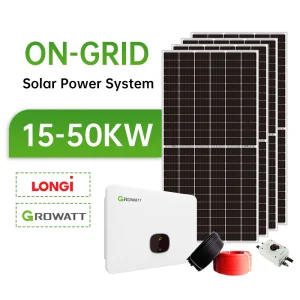
10KW-50KW Home Solar Power System

10KW 15KW 20KW 50KW Home Solar Power System Grid Tied Solar Panels with Battery and Inverter 30kw 50kw Solar Panel System

View Technical Specifications
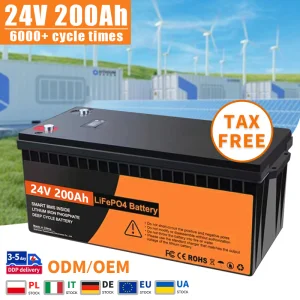
24V 200ah Lithium Battery Pack

24V 200ah Lithium Iron Phosphate Battery Pack for Solar Energy Storage System 100ah 280ah LiFePO4 Battery Pack

View Technical Specifications
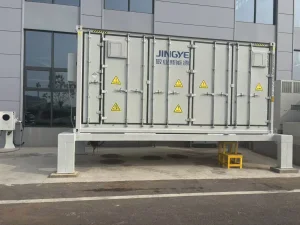
Industrial Solar Battery ESS 1mwh

Industrial Commercial Container Power Supply System Solar Renewable Battery Energy Storage Ess-1mwh

View Technical Specifications
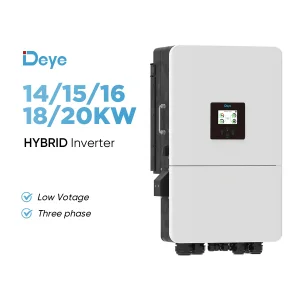
Deye Hybrid Inverters

Deye Hybrid Inverters 3 Phase 15kw 16kw 18KW 20KW Inverter Solare Ibrido Ip65

View Technical Specifications
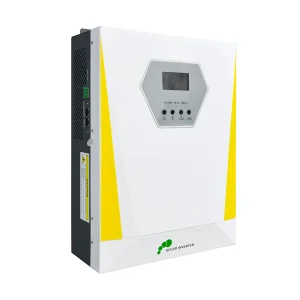
E-Nice Solar Hybrid Inverter

E-Nice Solar Off-Grid Hybrid Inverter System 3kw 5kw Tracking Single Pure Sine Wave Battery Charger

View Technical Specifications
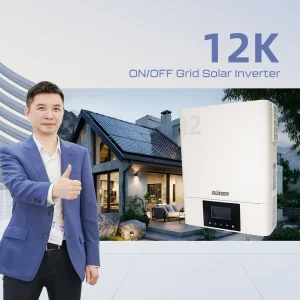
12kw Hybrid Inverter Solar Charger

Hybrid Inverter 12kw Solar Inverter Power Charger System Hybrid Solar Inverter with Mppt Charge Controller

View Technical Specifications
Containerized ESS 5mwh

Containerized Battery Energy Storage System with a High Capability 5mwh for Industy and Commerce

View Technical Specifications
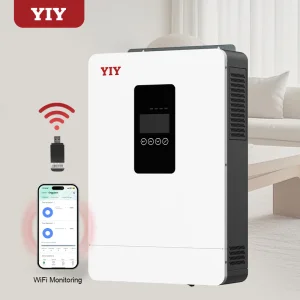
12Kw Off Grid Hybrid Solar Inverter

12Kw Off Grid Hybrid Solar Inverter with MPPT 5000Vdc 48Vdc to 220/230Vac Pure Sine Wave Power Solar Inverter 12000W for Home

View Technical Specifications
15.4%
Market CAGR
Global projected compound growth for off-grid architectures through 2032.
>12 GWh
Global Deployment
Cumulative industrial microgrid deployments active across emerging markets.
6,000+
Cell Lifecycle
Minimum operational life cycles achieved at 80% Depth of Discharge (DoD).
<1.5 hrs
Fast-Charge Rate
Maximum system recovery time for LFP utility bank setups.

1. Global Industrial Profile of Off-Grid Energy Systems

The contemporary paradigm of power transmission is undergoing a significant transition from centralized power grids to decentralized, self-sustaining microgrids. Off-grid energy solutions represent the technological core of this shift. Historically confined to low-demand residential backups or basic agricultural pumping, off-grid systems have matured into complex, multi-megawatt configurations capable of powering manufacturing plants, mining sites, processing facilities, and deep urban commercial centers independently.

This expansion is fueled by rising utility rates, grid instability driven by weather phenomena, and the economic necessity of energy autonomy. Industrially, the integration of high-density Lithium Iron Phosphate (LiFePO4) chemistries alongside state-of-the-art Power Conversion Systems (PCS) allows enterprises to minimize their Levelized Cost of Storage (LCOS) while ensuring continuous operations.

Critical Supply Chain Dynamics

The manufacturing and exporting ecosystems for these solutions are highly concentrated. China leads in production capability, housing the primary raw processing and advanced cell manufacturing hubs worldwide. This vertical integration allows suppliers like Guangdong Hudd Energy Co., Ltd. to optimize raw material procurement, thermal management designs, and advanced battery management system (BMS) logic faster than fragmented regional suppliers elsewhere. For global importers, partnering with vertically integrated manufacturers is essential to secure stable delivery schedules, regulatory certifications (such as UL9540A, IEC 62619, and CE), and financial support configurations like custom trade lines.

2. Technical Profile: Guangdong Hudd Energy Co., Ltd.

As an elite provider within this sector, Guangdong Hudd Energy Co., Ltd. exemplifies the modern approach of transitioning from simple hardware manufacturing to end-to-end system integration. The company specializes in developing and supplying utility-scale energy storage systems (ESS), hybrid solar power plants, and EV charging infrastructure.

  • End-to-End System Engineering Custom technical designs optimizing multi-source generation configurations, load demand profiles, and thermal balancing layouts.
  • Supply Chain Optimization Direct strategic ties to lithium mining, cell processing, and advanced semiconductor packaging for cost stability.
  • Flexible Trade Finance Support Collaborative initiatives with major banking networks to facilitate complex international transactions for large microgrid projects.

By managing the entire developmental chain—from initial load analysis and transient simulation studies to mechanical execution, electrical wiring, and final commissioning—Hudd Energy minimizes risks associated with multi-vendor installations. Their work spans high-demand sectors in Southeast Asia, South America, the Middle East, and Africa, delivering optimized infrastructure adapted to harsh environmental conditions.

Manufacturing Precision & Quality Inspection

Every step of the production process at our facility utilizes automated machinery and strict quality control measures to guarantee maximum cell integrity and structural durability.
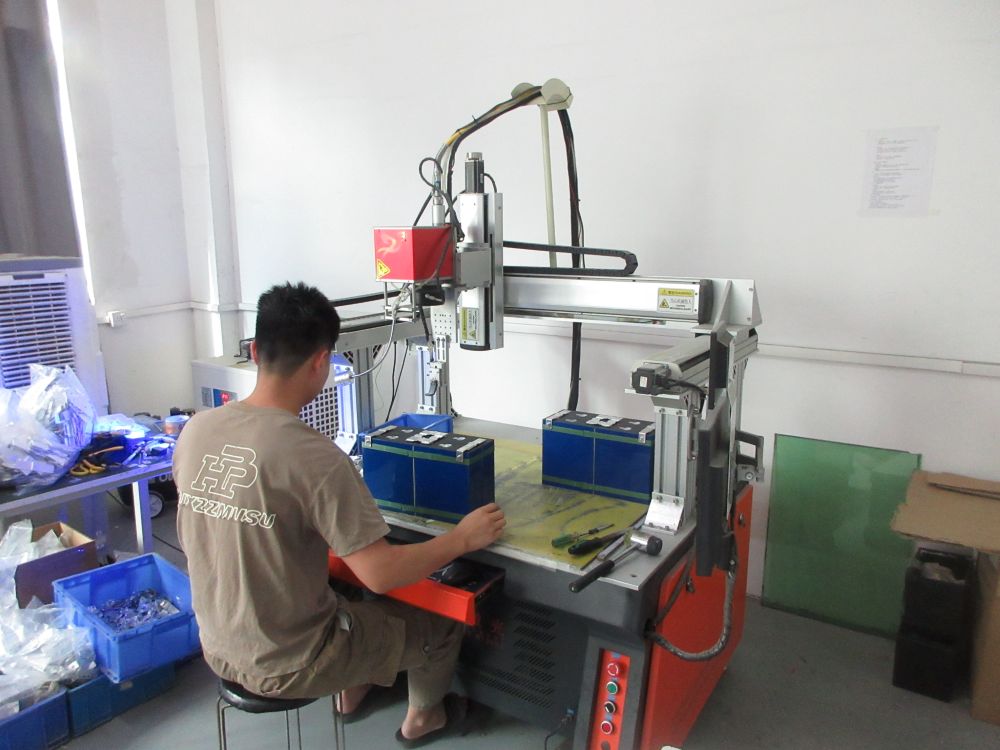

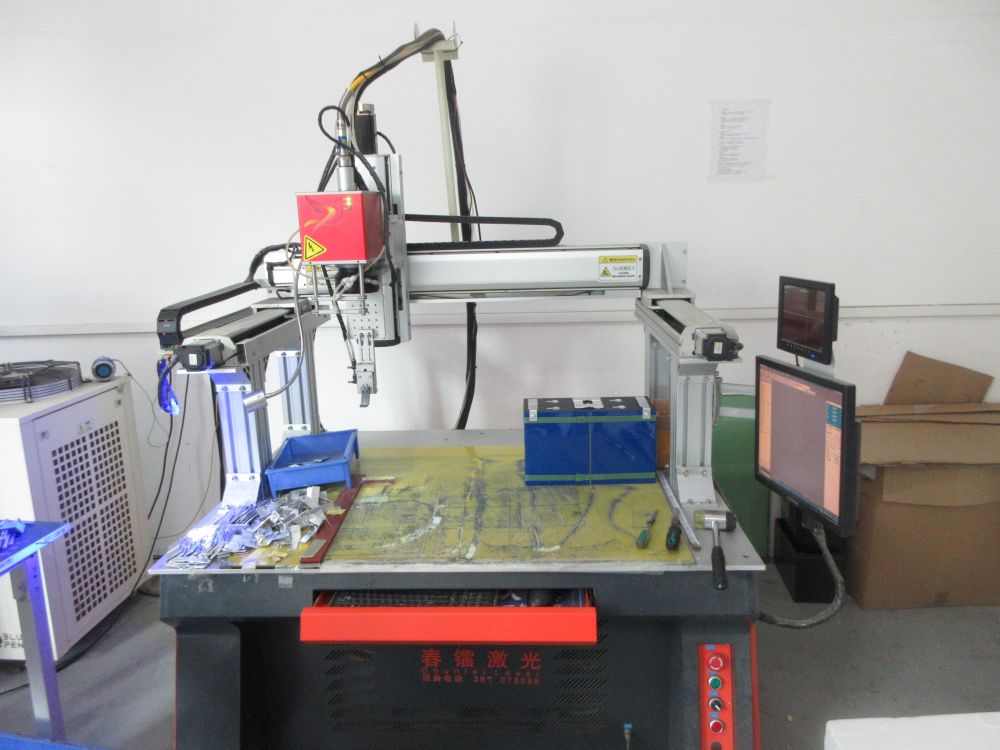
Laser Spot Welding Process
Laser Spot Welding
Automated Wire Cutting
Cutting Wire
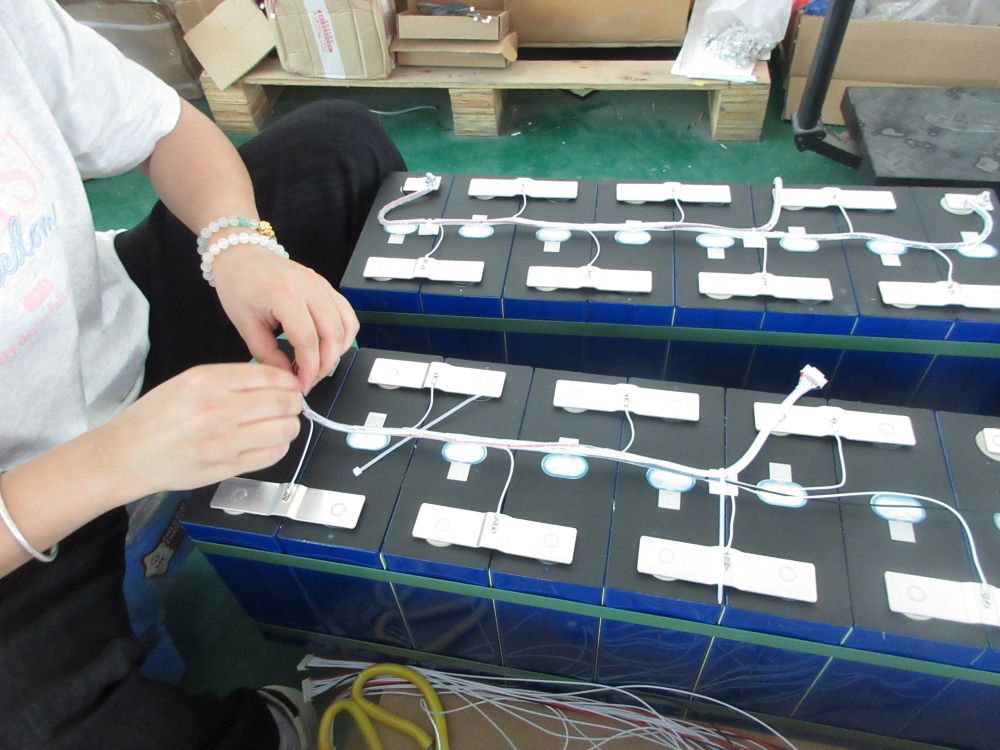
Precision Wiring & Connectors
Connect the Wires
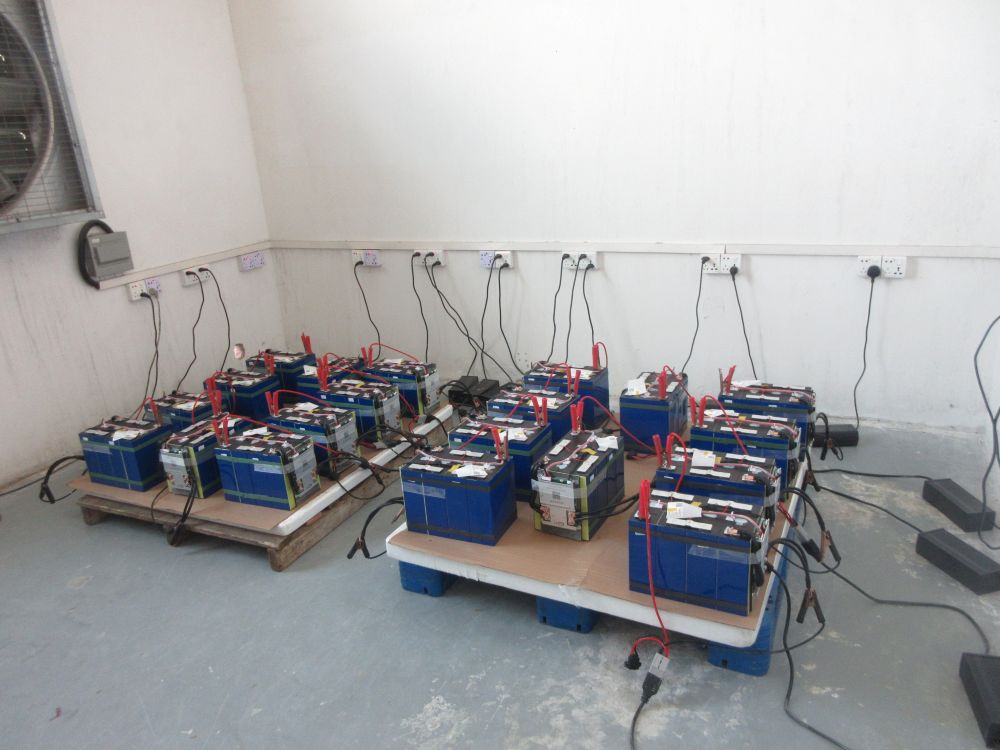
Cell Balancing & Charging Stage
Charging Calibration
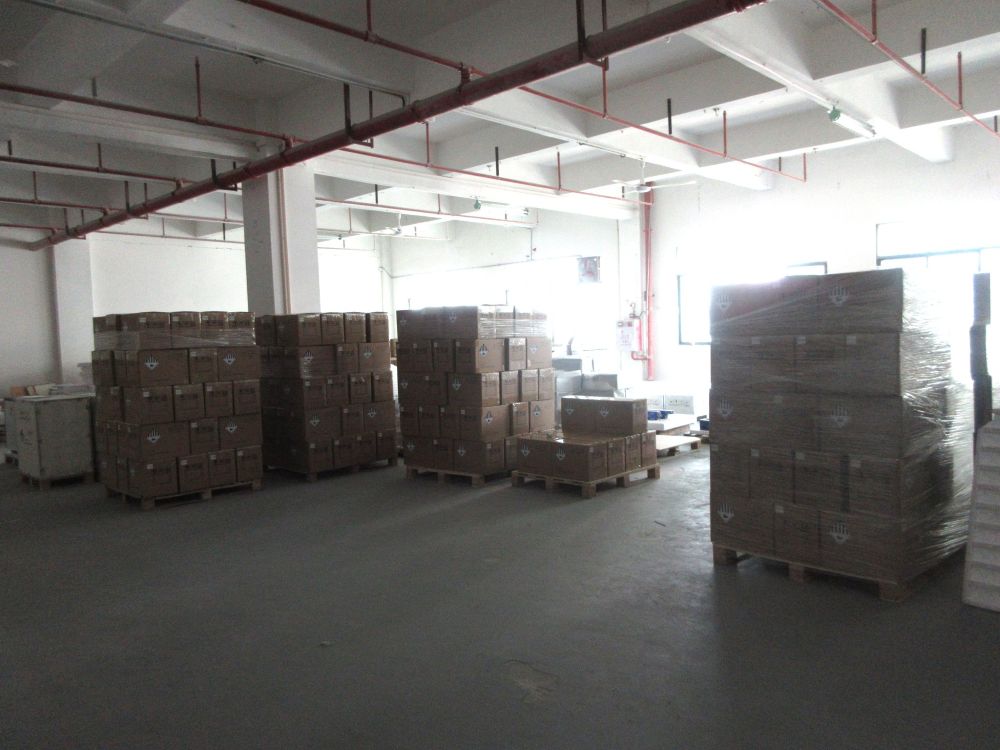
Controlled Battery Pack Storage
Storage Logistics
CNC Laser Spot Welding Equipment
Laser Spot Welding Machine
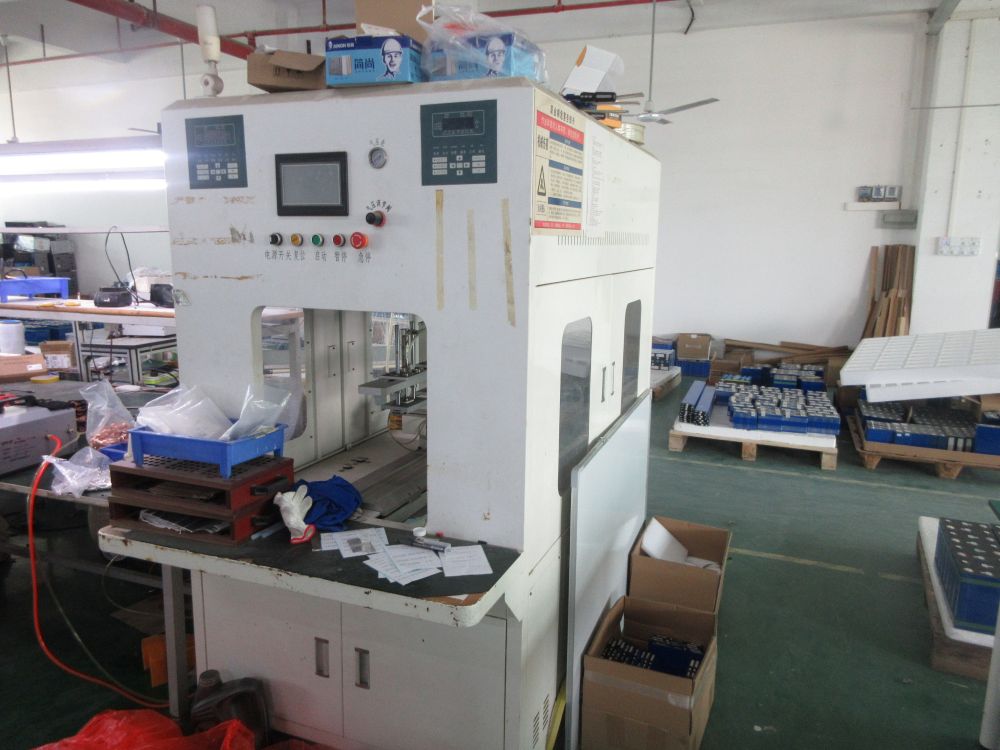
Resistance Spot Welder
Spot Welding Machine
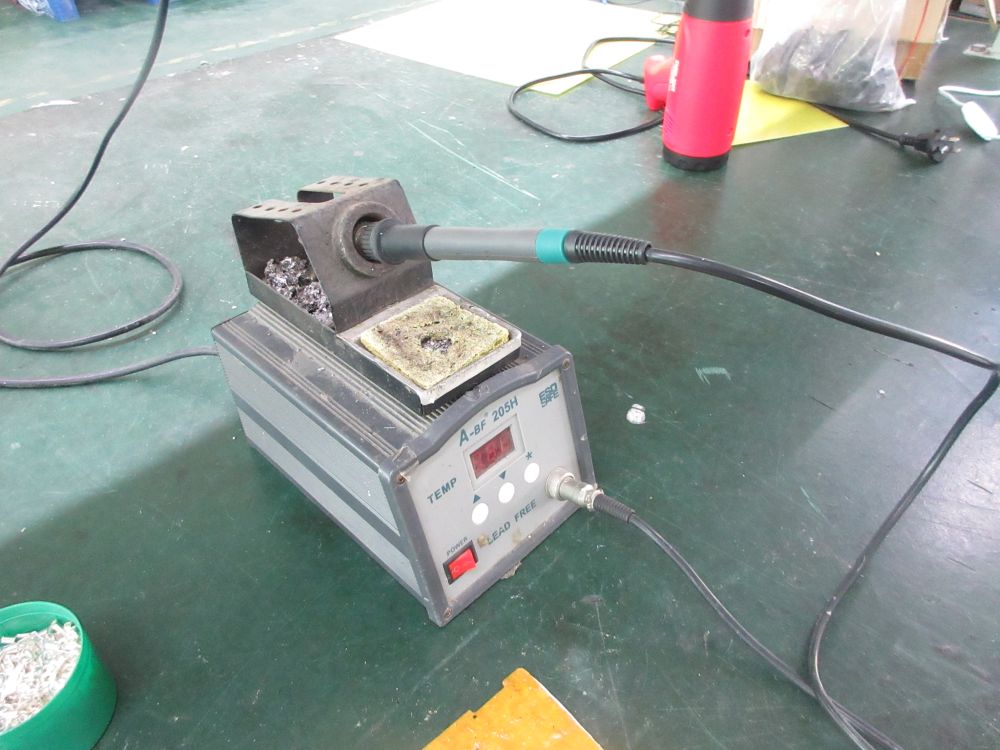
BMS Lead Hand Soldering Station
Electric Soldering Iron
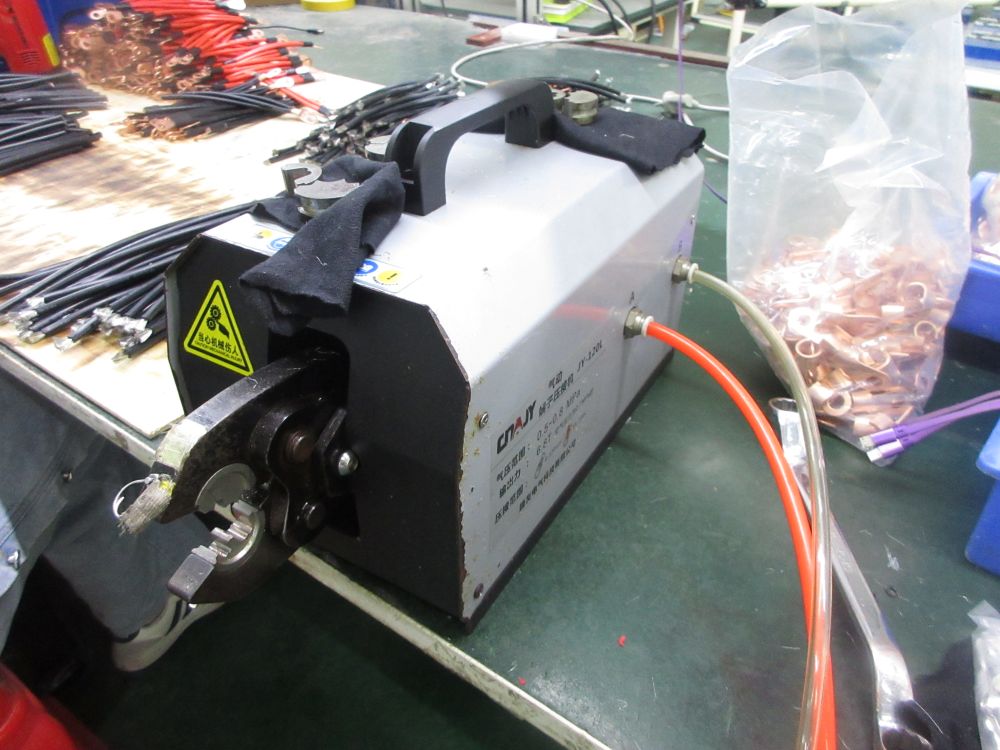
Heavy Gauge Terminal Crimper
Terminal Crimping Machine

3. Market Trends and Technology Roadmap (2025–2035)

The microgrid industry is developing rapidly. Driven by environmental regulations and grid stability concerns, off-grid architectures are transitioning from static storage units to active, smart system elements.

2025–2027: Transition to High-Voltage System Architectures

Traditional 48V residential battery setups are transitioning toward high-voltage dc designs (ranging from 300V to over 800V). Elevating system voltage minimizes distribution line losses, simplifies cable diameters, and boosts total inverter efficiency. Concurrently, multi-MPPT tracking solar hybrid charge controllers are becoming standard for both commercial and residential configurations.

2028–2030: AI-Optimized Energy Management Systems (EMS)

Future iterations of EMS will integrate neural networks to evaluate weather forecasts and historic grid rate cycles, dynamically shifting battery load distribution. These systems balance load profiles between local solar generation, battery storage, and active grids, maintaining optimal levelized storage costs while minimizing degradation.

2031–2035: Solid-State Batteries & Integrated EV Infrastructure (V2G)

Solid-state battery cells will offer higher safety profiles and energy densities compared to standard liquid electrolytes. Furthermore, Vehicle-to-Grid (V2G) interfaces will turn electric vehicles into active distributed energy resources, boosting overall microgrid capacity during high-demand periods.

Global Localization Scenarios

Off-grid systems are designed for specific regional applications based on geographic conditions. In South America and Southeast Asia, mining companies use containerized ESS units (such as 1MWh to 5MWh options) to replace diesel generators, reducing operational emissions and fuel logistics costs. In contrast, African microgrids focus on regional modular setups to supply power to remote communities, where scalability and simple maintenance are essential.

4. Enterprise Microgrid & Infrastructure Solutions

Designing microgrids requires matching energy generation with consumption. A typical industrial setup integrates solar arrays, high-voltage battery storage, power conversion systems, and backup generators controlled by a centralized EMS.

System Class Component Configuration Primary Applications Key Value Driver
Residential Storage 10kW–30kW Solar PV + 15kWh–50kWh LiFePO4 + Hybrid Inverter Home backup, self-consumption optimization Energy independence, protection from outages
Commercial & Industrial 50kW–200kW PV + 100kWh–500kWh ESS + Multi-inverter array Peak shaving, factory backup power Reduced peak charges, continuous operations
Utility/Microgrid ESS 1MWh–5MWh Containerized LFP Cells + Liquid Cooling + Central PCS Mining, remote sites, community grids Replaces fossil fuels, balances large-scale loads

Proper implementation depends on managing parameters like C-rate, depth of discharge limits, and local conditions. Industrial systems are designed to operate at 0.5C to 1C rates to preserve cell lifespans. Additionally, safety certifications like UL9540A are standard for commercial project approvals.

5. In-Depth Technical FAQ

Get professional answers to technical questions about system sizing, cell chemistries, thermal management, and safety protocols for off-grid operations.

1. What are the key differences between high-voltage (HV) and low-voltage (LV) battery systems?
HV systems (typically over 200V DC) operate at lower currents for the same power output, reducing thermal generation and copper cabling requirements. This improves efficiency in larger installations (50kW+). LV systems (typically 48V) are simpler, safer to install without specialized high-voltage training, and are well-suited for smaller residential projects.
2. Why is LiFePO4 preferred over NMC for commercial energy storage systems?
Lithium Iron Phosphate (LiFePO4) offers higher thermal stability, reducing the risk of thermal runaway. It also has a longer cycle life (often exceeding 6,000 cycles at 80% DoD) compared to Nickel Manganese Cobalt (NMC) chemistries, which typically offer 2,000–3,000 cycles. This difference makes LiFePO4 more cost-effective over its operational lifespan.
3. How does thermal management affect battery lifespans in extreme climates?
Elevated operational temperatures accelerate cell degradation and capacity loss. Standard air cooling works in moderate climates, but liquid-cooled systems are recommended for high-ambient-temperature environments (like the Middle East). These systems maintain uniform cell temperatures, preventing localized hotspots and premature failure.
4. What is the role of the Energy Management System (EMS) in microgrids?
The EMS functions as the central controller, managing power flow between solar generation, battery storage, auxiliary generators, and local loads. It handles real-time load shedding, state-of-charge tracking, and peak shaving, preventing system overloads and maintaining operational efficiency.
5. How is Levelized Cost of Storage (LCOS) calculated?
LCOS represents the total cost of storing and discharging energy over the system's lifetime. It is calculated by dividing the sum of initial capital expenses, operation and maintenance costs, and charging costs by the cumulative energy delivered by the system over its operating life.
6. What safety certifications are required for exporting ESS to international markets?
Major international markets require adherence to standards such as UL 9540A (for evaluation of thermal runaway fire propagation), IEC 62619 (safety requirements for industrial lithium batteries), CE markings for European markets, and UN 38.3 compliance for safe transport.
7. How does a hybrid inverter differ from an off-grid inverter?
A hybrid inverter can interact bidirectionally with the utility grid, managing export and import dynamically. An off-grid inverter is designed solely for isolated systems, creating its own local AC grid and managing local generation sources without grid-synchronization capabilities.
8. What is C-rate, and why is it critical for system sizing?
C-rate measures the rate at which a battery is charged or discharged relative to its total capacity. A 1C rate means a 100Ah battery is discharged at 100A for one hour. Sizing systems with appropriate C-rate limits prevents overcurrent conditions, manages heat output, and preserves cell health.
9. How do you mitigate the impact of partial shading on solar panels in off-grid setups?
This is managed by using multi-channel MPPT (Maximum Power Point Tracking) controllers, optimizing string layouts, and incorporating bypass diodes. These features prevent shaded panels from reducing the output of the entire array.
10. Can V2G (Vehicle-to-Grid) tech be integrated into existing containerized setups?
Yes. Integration requires bidirectional EV chargers and an EMS that supports V2G communication protocols (such as ISO 15118). This allows the EMS to use connected vehicles as additional battery storage resources during high demand.

Smart Power Conversion & Distribution Assets

High-voltage battery walls, portable power generators, EV chargers, and automated management devices designed to complete your energy infrastructure.
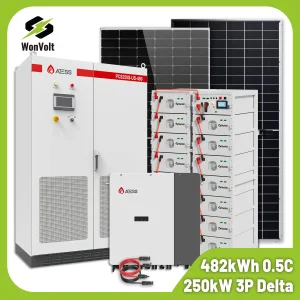
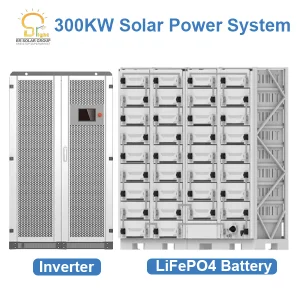
Wonvolt off Grid Solar Power System

Wonvolt off Grid Solar Power System 60kw 100kw 120kw 150kw 200kw 250kw 300kw 400VAC Hybrid Energy Storage System with 200kwh 500kwh LiFePO4 Battery

View Technical Specifications
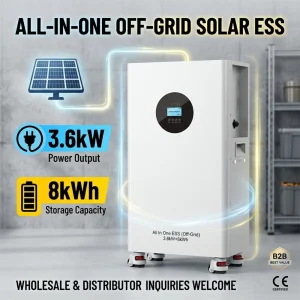
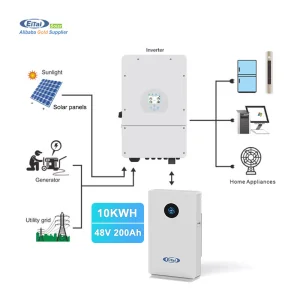
Wholesale Home 10Kw Energy Storage

Wholesale Home 10Kw Energy Storage 48V 200Ah 10Kwh 15Kw Power Wall Solar Lithium Battery 51.2v Powerwall for Home Solar System

View Technical Specifications
Hybrid Solar Inverter 48V 5kw 8kw

Hybrid Solar Inverter All in One with Built-in Lithium Battery Energy Storage 48V 5KW 8KW Off Grid Home Solar Power System MPPT

View Technical Specifications
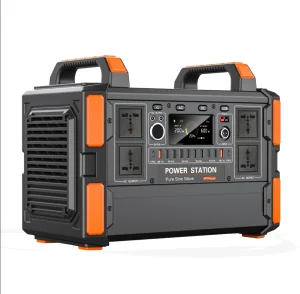
Portable Power Station 1200W

Portable Power Station 1200W/1008wh LiFePO4 Battery Quick Charge 1.5h 6 AC Outlets UPS Solar Generator Home Camping Car Solar Power Station

View Technical Specifications
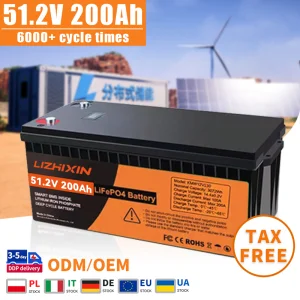
Solar LiFePO4 Battery Pack 51.2V

Solar LiFePO4 Battery Pack 51.2V 200ah Lithium Iron Phosphate Battery Pack for 24V 48V 100ah 300ah Home Solar Energy System

View Technical Specifications
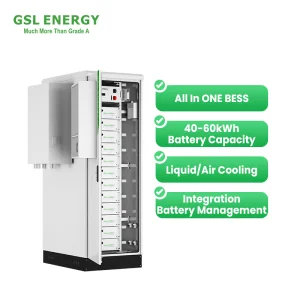
Gsl Energy 60kwh Battery Storage

Gsl Energy High Voltage 60kwh Commercial Battery Storage System OEM Lithium Ion LiFePO4 Industrial Commercial Energy Storage Ess

View Technical Specifications
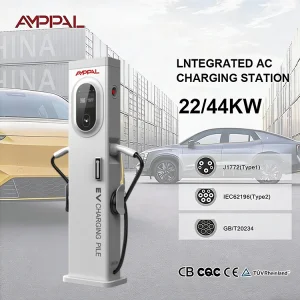
AMPPAL Floor-Mounted EV Charger

AMPPAL 7Kw 14kw 22Kw 44KW New IP54 Floor-Mounted AC EV Charger Station With Two CCS Guns 22kW IP54 Protection OCPP POS

View Technical Specifications
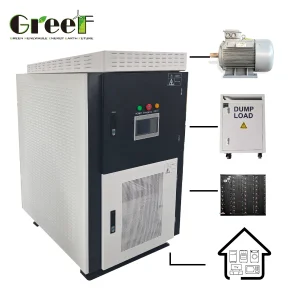
GREEF ENERGY Hybrid Converter

GREEF ENERGY Hybrid Converter with EMS Smart Energy Management System and Dual LCD Touchscreen for Renewable Energy Systems

View Technical Specifications