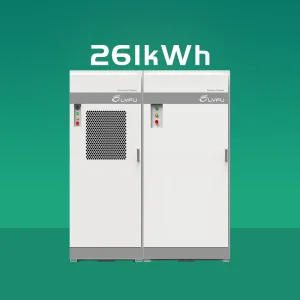
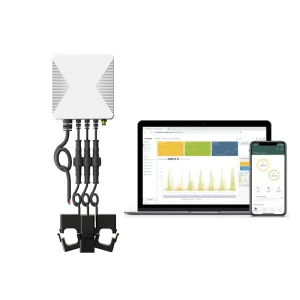
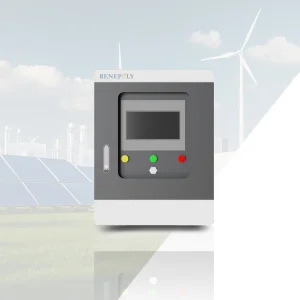
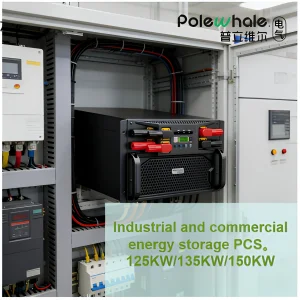
In the face of volatile energy markets and the mandatory transition toward net-zero emissions, the role of a Smart Energy Management System (EMS) has evolved from a simple monitoring tool to the "brain" of modern industrial infrastructure. As a leading manufacturer, we recognize that the core challenge for factories today is not just storing energy, but orchestrating it across diverse sources—PV, Wind, Grid, and BESS—with microsecond precision.
Unlike standard EMS offerings, our integrated AI-EMS framework utilizes Digital Twin technology to simulate energy flows before execution. This predictive capability reduces O&M costs by up to 30% and enhances battery lifecycle by optimizing depth-of-discharge (DoD) based on real-time health data (SOH). We provide more than hardware; we provide data-driven energy sovereignty.
Guangdong Hudd Energy Co., Ltd. brings decades of collective engineering experience. Our manufacturing facility in China leverages automated laser spot welding and advanced terminal crimping to ensure every cabinet meets stringent global safety standards. Our authority is backed by international project success in Southeast Asia, the Middle East, and South America.
The global Smart EMS market is projected to grow at a CAGR of 15.2% through 2030. This surge is driven by three primary macro-factors:
Industries in Europe and North America are increasingly adopting EMS to mitigate the impact of fluctuating spot market prices. By implementing Peak Shaving and Load Shifting, facilities can avoid high-demand surcharges, often resulting in a project ROI within 3-5 years.
Modern EMS are no longer isolated. They are becoming nodes in a larger VPP ecosystem. Our EMS supports MQTT and Modbus-TCP protocols, allowing factory owners to participate in frequency regulation markets and generate additional revenue streams by selling excess power back to the grid.
With the implementation of carbon taxes and mandatory ESG reporting, a Smart EMS provides the necessary "Proof of Greenery." Our platform generates automated carbon footprint reports, tracking every kilowatt-hour from generation to consumption.
We are transitioning from "Reactive Management" to "Autonomous Energy Optimization."
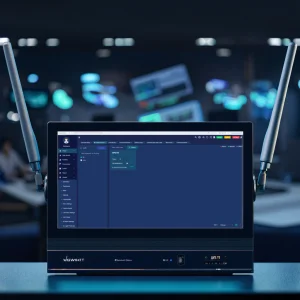
Focus on IoT integration, high-speed data acquisition, and real-time visualization across all hardware assets (Inverters, Batteries, Meters).
Deployment of machine learning algorithms for weather-dependent PV forecasting and dynamic price-based storage scheduling.
Blockchain-based energy trading between neighboring industrial units and self-healing grid architectures that operate independently during blackouts.
High humidity and heat require EMS with advanced thermal management logic. Our systems prioritize cooling cycles and state-of-charge limits to prevent thermal runaway in equatorial climates.
Off-grid mining operations rely on our EMS to balance heavy motor starting currents with sensitive solar arrays, ensuring 24/7 productivity in remote Andes locations.
Ultra-fast switching (UPS-grade) is handled by our EMS to ensure zero-latency power transition during grid failures, protecting critical digital infrastructure.
Guangdong Hudd Energy Co., Ltd. is a professional provider of renewable energy products, energy storage solutions, and integrated smart energy systems. The company specializes in the development, supply, and integration of advanced energy storage systems (ESS), solar power solutions, EV charging infrastructure, and integrated solar-storage-charging stations.
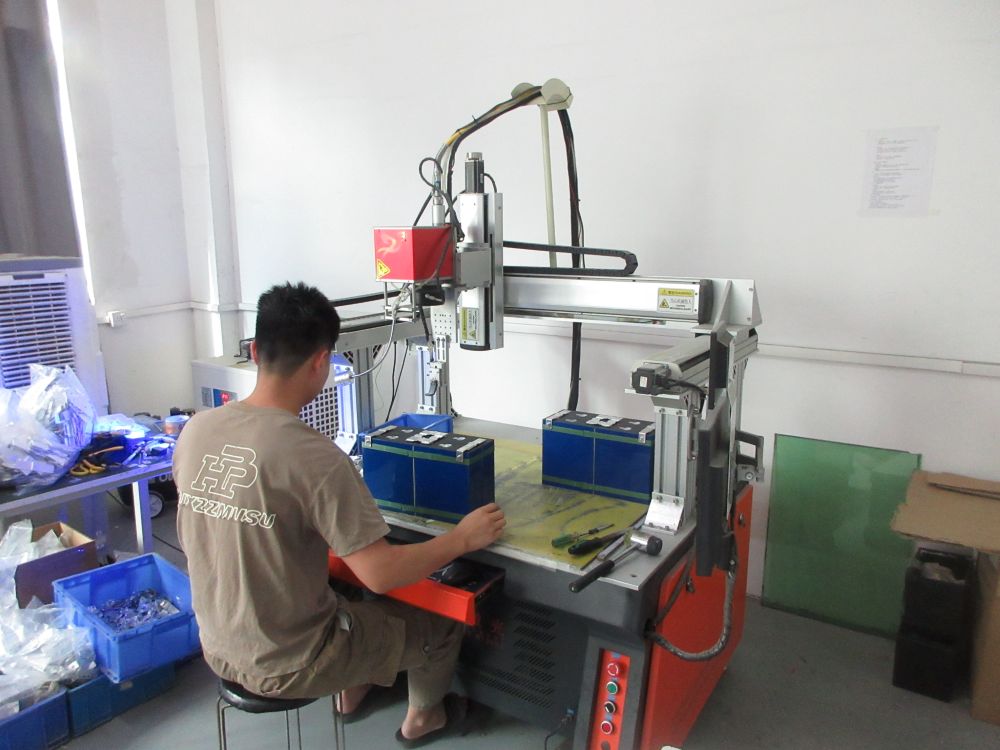 Laser Spot Welding: High-precision bonding for cell interconnects.
 Automated Wire Cutting: Ensuring perfect resistance matching.
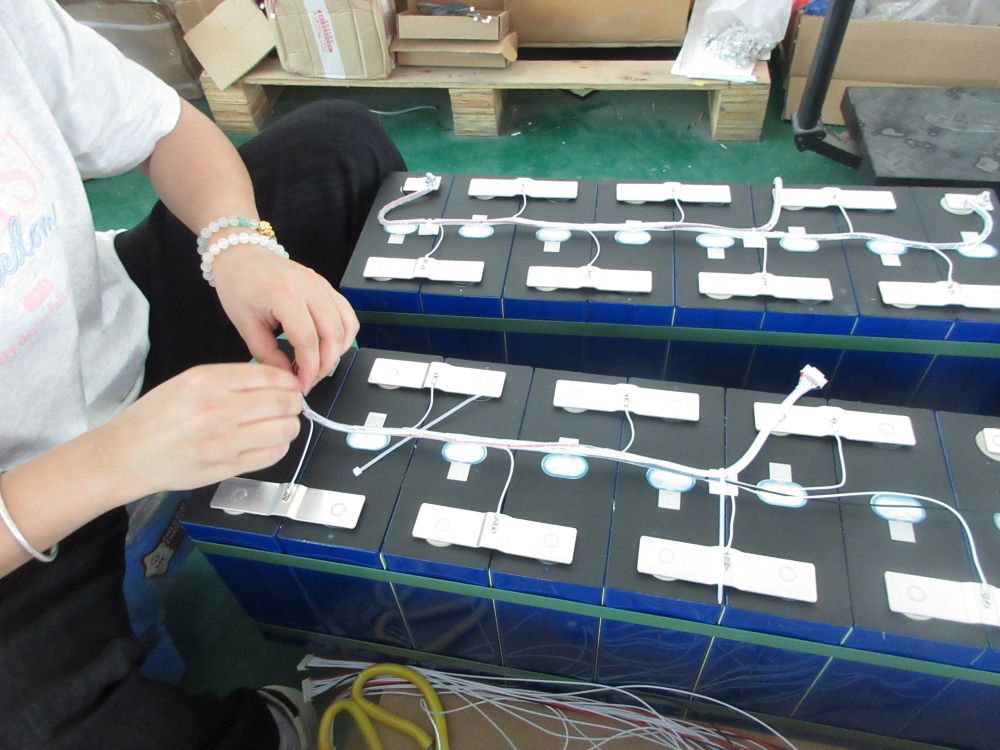 Manual Integration: Expert assembly of control electronics.
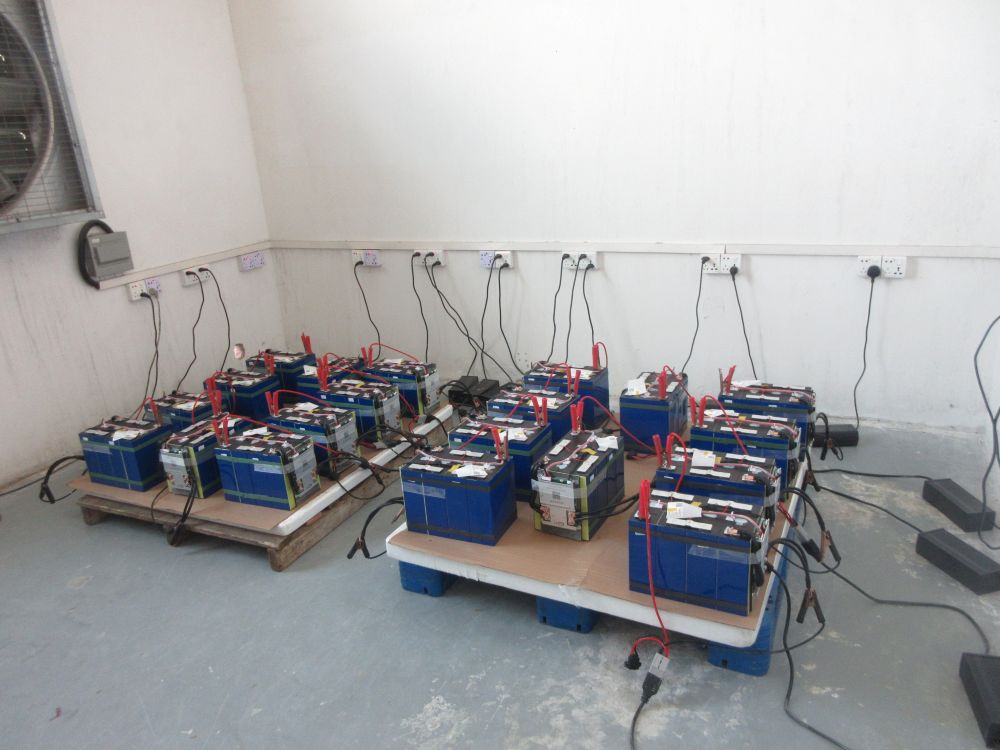 Cycle Testing: Rigorous charge/discharge validation.
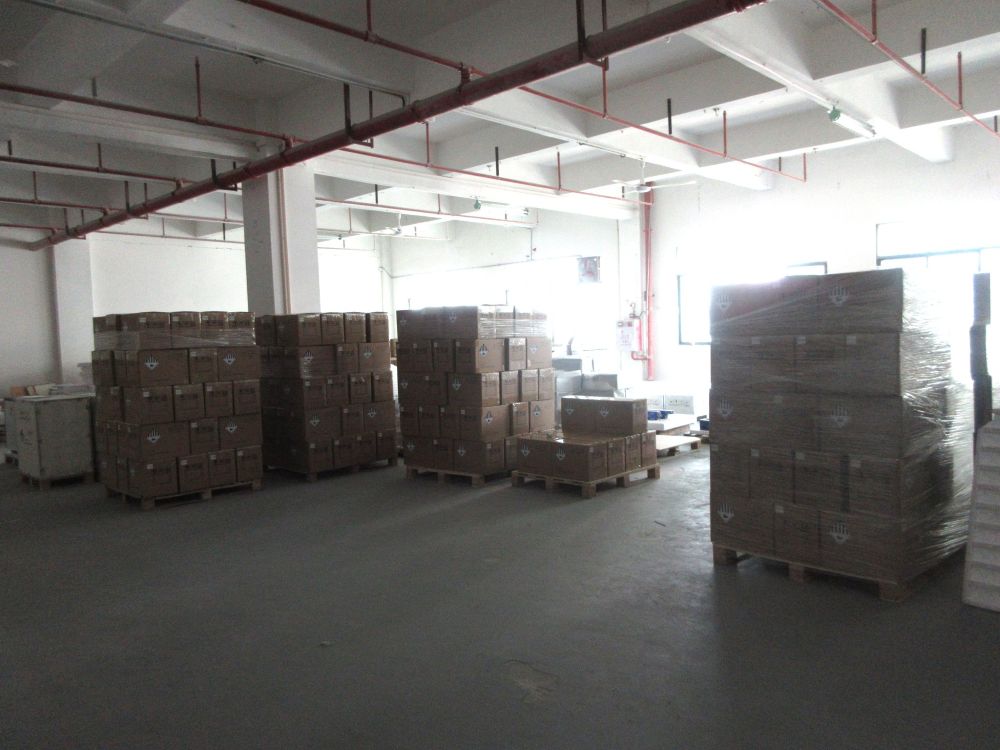 Controlled Storage: Maintaining battery health post-production.
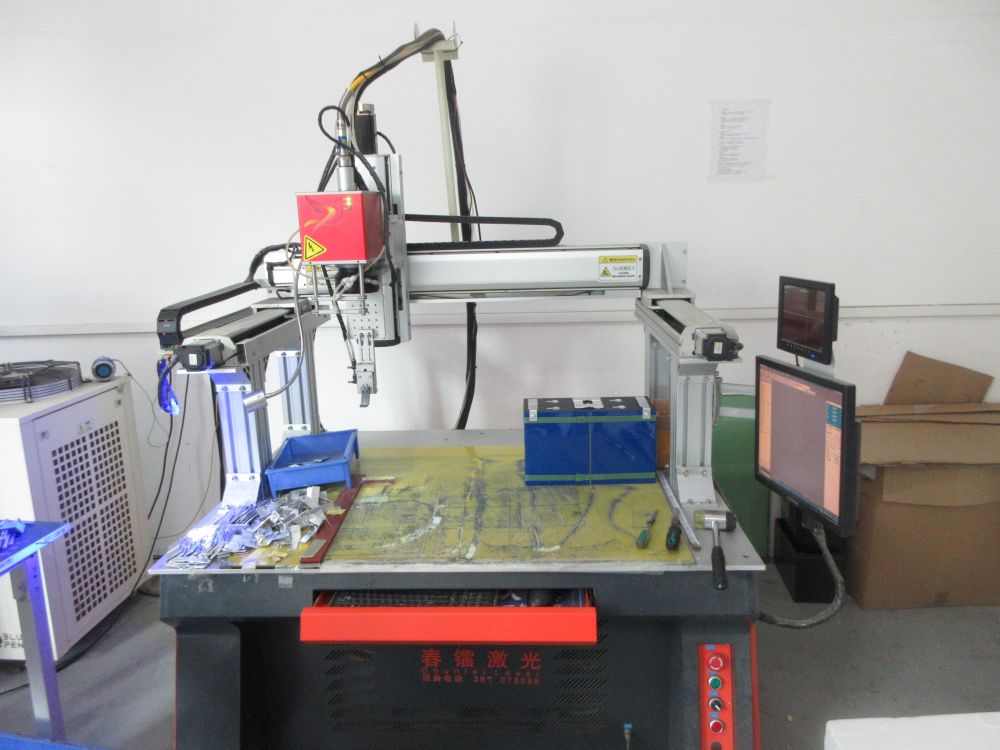 Smart Machinery: Industry 4.0 compliant production lines.
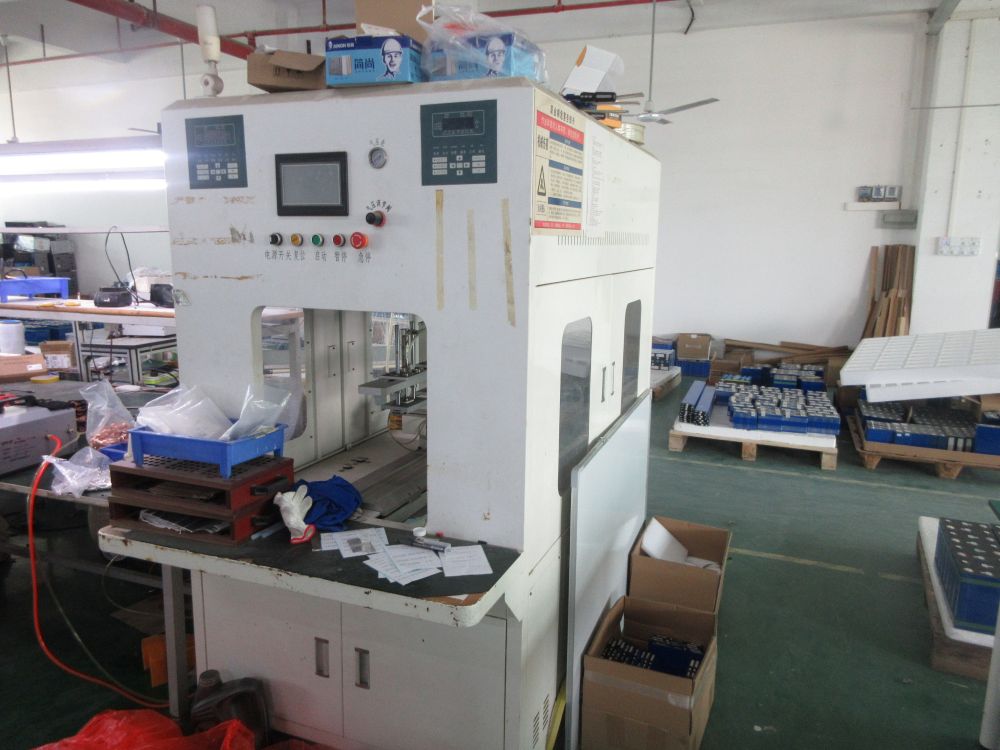 Reliability Testing: 100% inspection of weld points.
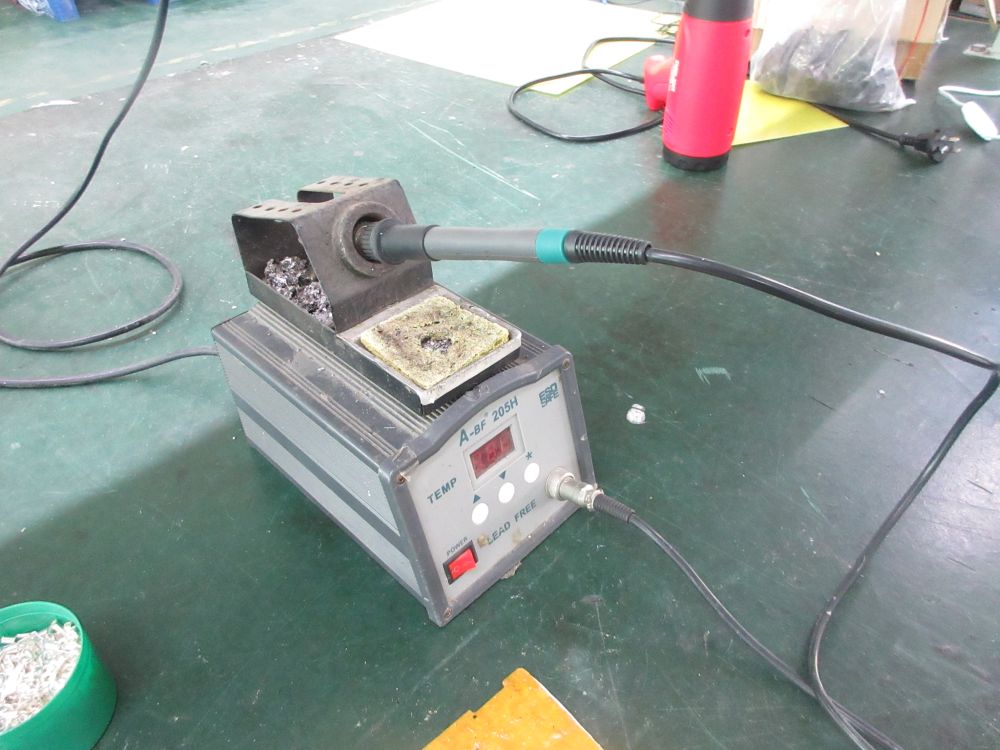 Precision Solder: Hand-refined for sensitive logic boards.
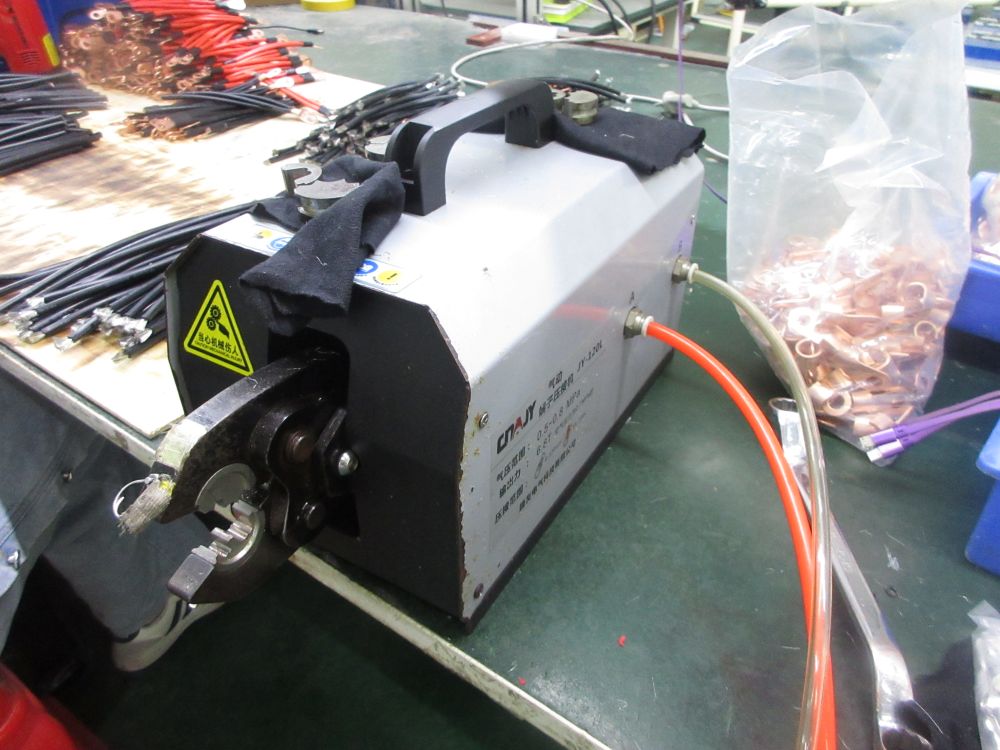 Crimping Excellence: Gas-tight connections for high-current paths.
With strong partnerships across China's manufacturing ecosystem, Hudd Energy benefits from a robust and competitive supply chain, ensuring high-quality products, stable delivery schedules, and cost-effective solutions. The company also maintains strategic cooperation with financial institutions, providing flexible trade finance support.
Coordinating multiple factory units into a single microgrid to share energy surpluses and stabilize local grid connections.
Managing multi-megawatt installations with hierarchical EMS control for grid-side ancillary services.
Seamlessly integrating EV charging hubs with solar carports and battery buffers to eliminate peak demand spikes.
 Hudd Energy