Deploying scalable battery energy systems, off-grid architectures, and hybrid solar inverters certified for global compliance standards.
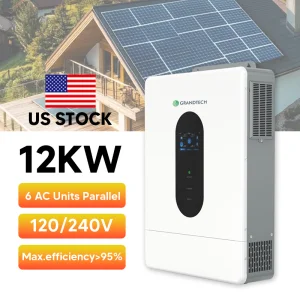
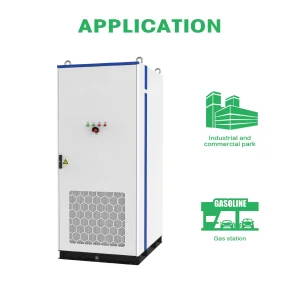
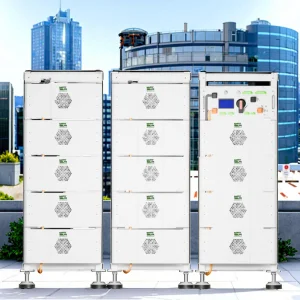
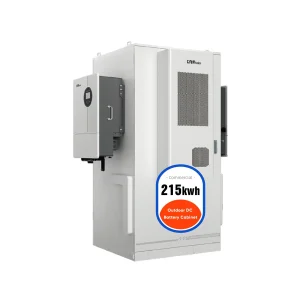
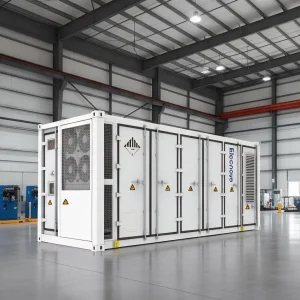
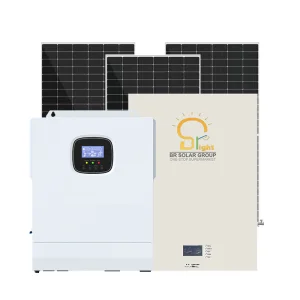
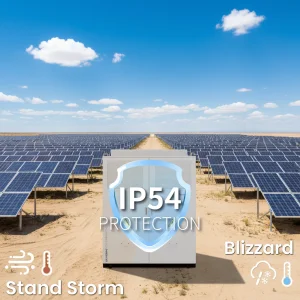
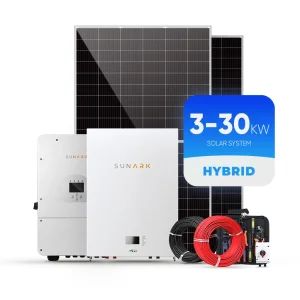
As global power grids shift from centralized, fossil-fuel-dependent generations to decentralized, intermittent renewable sources, the critical need for advanced Energy Management Systems (EMS) has escalated. In this macro energy transition, EMS plays a dual role: managing local power flow in Commercial & Industrial (C&I) setups, and serving as the brain behind larger Battery Energy Storage Systems (BESS). A robust EMS dynamically monitors energy production, balances loads, and coordinates storage configurations to stabilize grids and lower operating costs.
Modern EMS architectures are no longer passive data recorders; they are predictive systems running on real-time telemetry. Utilizing edge IoT protocols (such as MQTT, Modbus TCP, and CAN bus), modern EMS aggregates load patterns, historical solar generation profiles, and real-time grid pricing schedules. This intelligence enables actions like peak shaving, load shifting, and seamless microgrid transitions. By utilizing these features, businesses can avoid demand charges while keeping operations resilient during grid outages.
For manufacturing facilities, utility projects, and EV charging operators, deploying a standardized BESS is only part of the solution. Maximizing return on investment requires a custom EMS strategy. These configurations are designed to optimize the Levelized Cost of Storage (LCOS) and protect batteries from early degradation through smart thermal control, cell balancing, and charge-discharge limit configurations.
How technical managers and procurement directors evaluate Chinese manufacturing hubs for reliability, bankability, and standards compliance.
Navigating international standards like UL 9540A, NFPA 855, and CE certifications. Buyers demand safety assurances, thermal propagation mitigation, and trace-certified tier-1 lithium iron phosphate (LiFePO4) battery packs.
Engineering buyers rarely look for standalone batteries. They require complete systems integrating BMS, PCS, EMS, and fire suppression systems (Aerosol/Novec 1230) into pre-assembled containerized units.
Large projects need financial backing. Strategic partnerships with banks and export insurance providers enable flexible trade finance options (e.g., L/C, CAD) to simplify overseas logistics and supply chain workflows.
A professional provider of renewable energy products, energy storage solutions, and integrated smart energy systems.
Guangdong Hudd Energy Co., Ltd. specializes in the development, supply, and integration of advanced energy storage systems (ESS), solar power solutions, EV charging infrastructure, and integrated solar-storage-charging stations. The company delivers efficient, reliable, and sustainable energy solutions to customers worldwide.
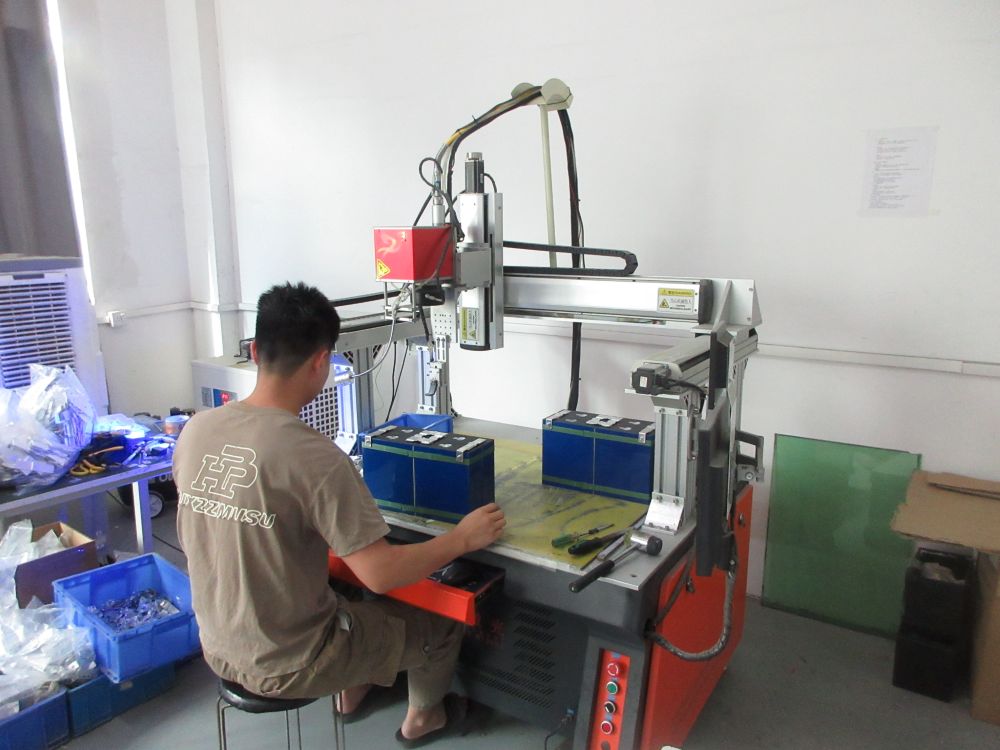
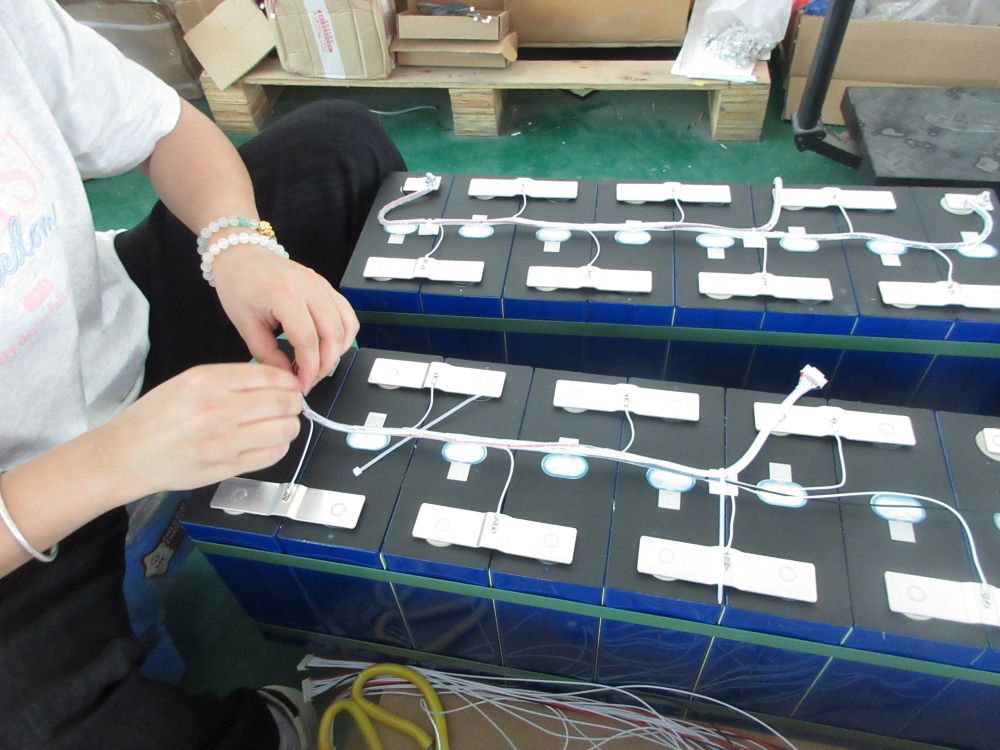
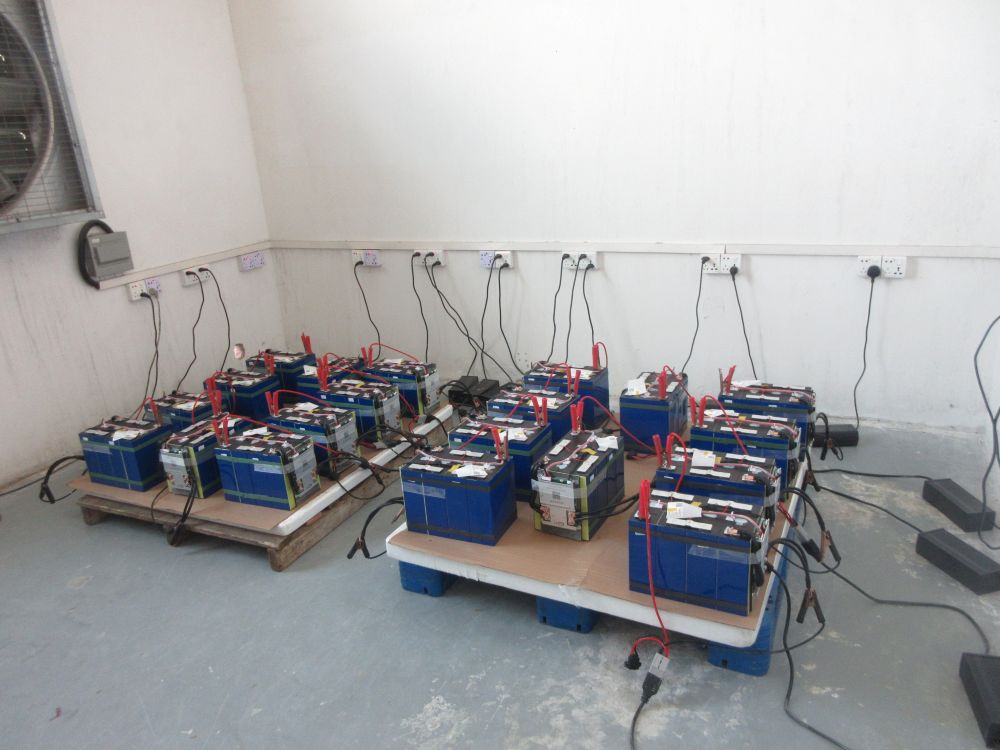
Beyond supplying individual products, Hudd Energy offers comprehensive system integration services tailored to diverse project requirements. Leveraging extensive industry expertise, the company provides end-to-end support covering solution design, equipment selection, system integration, project management, commissioning, and after-sales services. This enables customers to implement optimized energy solutions with enhanced efficiency, performance, and long-term reliability.
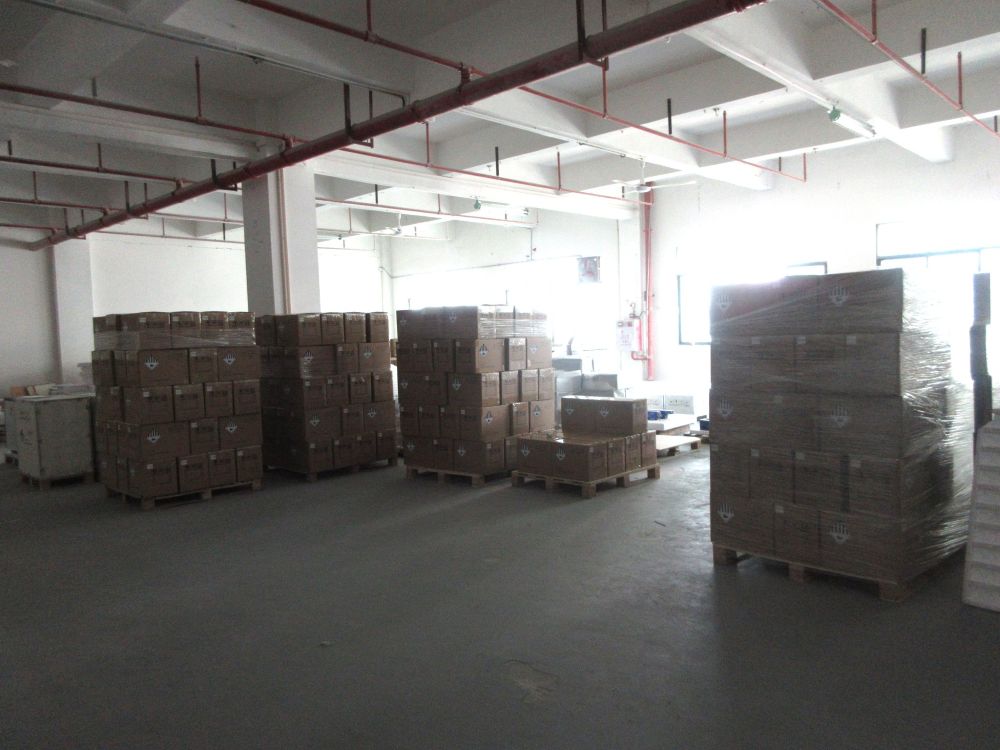
With strong partnerships across China's manufacturing ecosystem, Hudd Energy benefits from a robust and competitive supply chain, ensuring high-quality products, stable delivery schedules, and cost-effective solutions. The company also maintains strategic cooperation with financial institutions and banking partners, providing flexible trade finance support and secure transaction services to facilitate the successful execution of international projects.
Hudd Energy's product portfolio serves a wide range of applications, including residential, commercial, industrial, utility-scale energy storage projects, electric vehicle charging networks, and distributed renewable energy systems. The company is committed to helping customers reduce energy costs, improve energy independence, and achieve their sustainability goals.
Over the years, Guangdong Hudd Energy has successfully expanded its presence in international markets, particularly in Southeast Asia, South America, the Middle East, and Africa, earning the trust and recognition of clients through reliable products, professional services, and long-term partnerships. Looking ahead, Guangdong Hudd Energy Co., Ltd. will continue to drive innovation in clean energy technologies, strengthen its global market presence, and contribute to the worldwide transition toward a greener, smarter, and more sustainable energy future.

The evolution of smart grids points to a fully automated energy internet. Future updates for Hudd Energy's integration designs include:
As battery storage scales up, the core focus shifting is software control. Future Energy Management Systems (EMS) must act as node connectors in localized microgrids and interact dynamically with local utilities. Implementing cloud-managed battery portfolios allows operators to aggregate dispersed battery resources into a unified Virtual Power Plant (VPP).
To meet these needs, research is centering on predictive modeling. By utilizing artificial intelligence, future platforms can forecast localized loads and solar generation yields 24 to 48 hours in advance. This capability will optimize grid scheduling, extend the lifetime of LiFePO4 battery cells, and lower operational overheads.
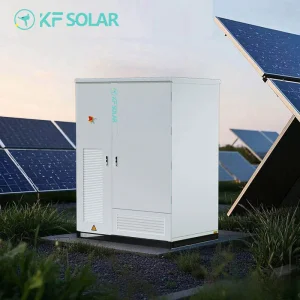
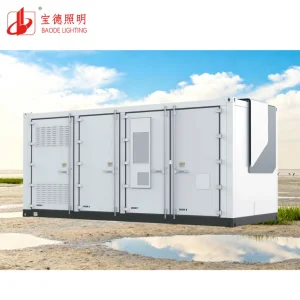
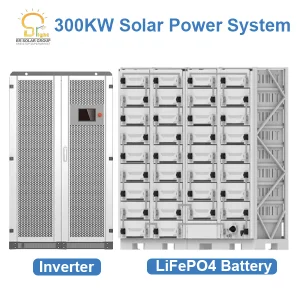
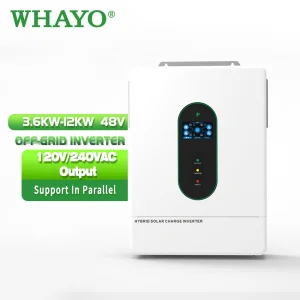
Explore our full line of customizable containerized units, smart hybrid solar inverters, and high-voltage industrial battery systems.
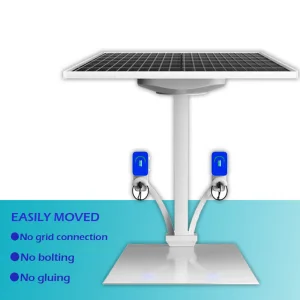
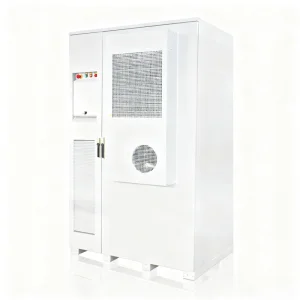
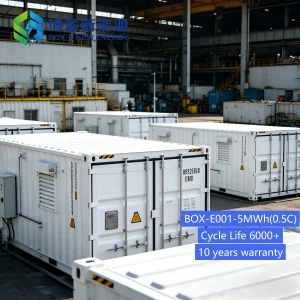
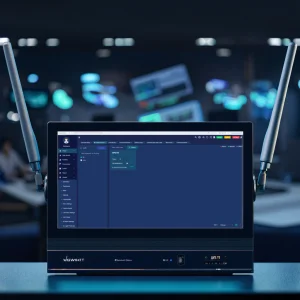
Direct answers to common technical, design, and regulatory questions from international procurement managers.
The EMS acts as the system brain, coordinating operations between the Battery Management System (BMS) and the Power Conversion System (PCS). It processes external inputs—like dynamic grid tariffs, weather forecasts, and building loads—to run operational algorithms. These algorithms control energy flows to perform key tasks like peak shaving, load shifting, and keeping emergency backup power ready.
Our integrated systems utilize components certified to key global standards, including UL 1973 for battery packs, UL 9540A for thermal safety, and UL 1741 / IEEE 1547 for grid-tied inverters. This design approach simplifies grid approvals with utility operators in North America and European nations.
Using tier-1 Lithium Iron Phosphate (LiFePO4) chemistry cells, our containerized setups are engineered for up to 8,000 charge-discharge cycles at 80% Depth of Discharge (DoD). This translates to 15 to 20 years of operational service under recommended cooling and load conditions.
Yes. We specialize in end-to-end integration, configuring structural dimensions (e.g., 20ft or 40ft containers), cooling methods (air-cooled vs. liquid-cooled), safety features (Novec 1230 gas or water sprinklers), and software interfaces (MQTT, Modbus) to meet specific project needs.
Our storage containers use multi-layered safety systems. We combine real-time cell monitoring via BMS, structural thermal insulation, automated HVAC cooling, and gas/smoke warning sensors linked to direct fire suppression controls (Aerosol or Novec 1230) to contain issues early.
 Hudd Energy