Hudd Energy
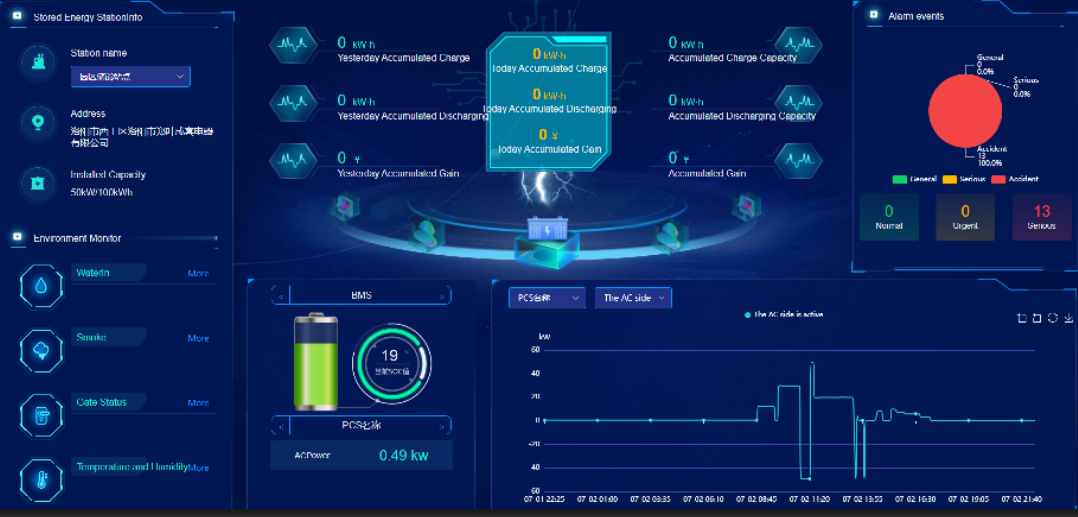
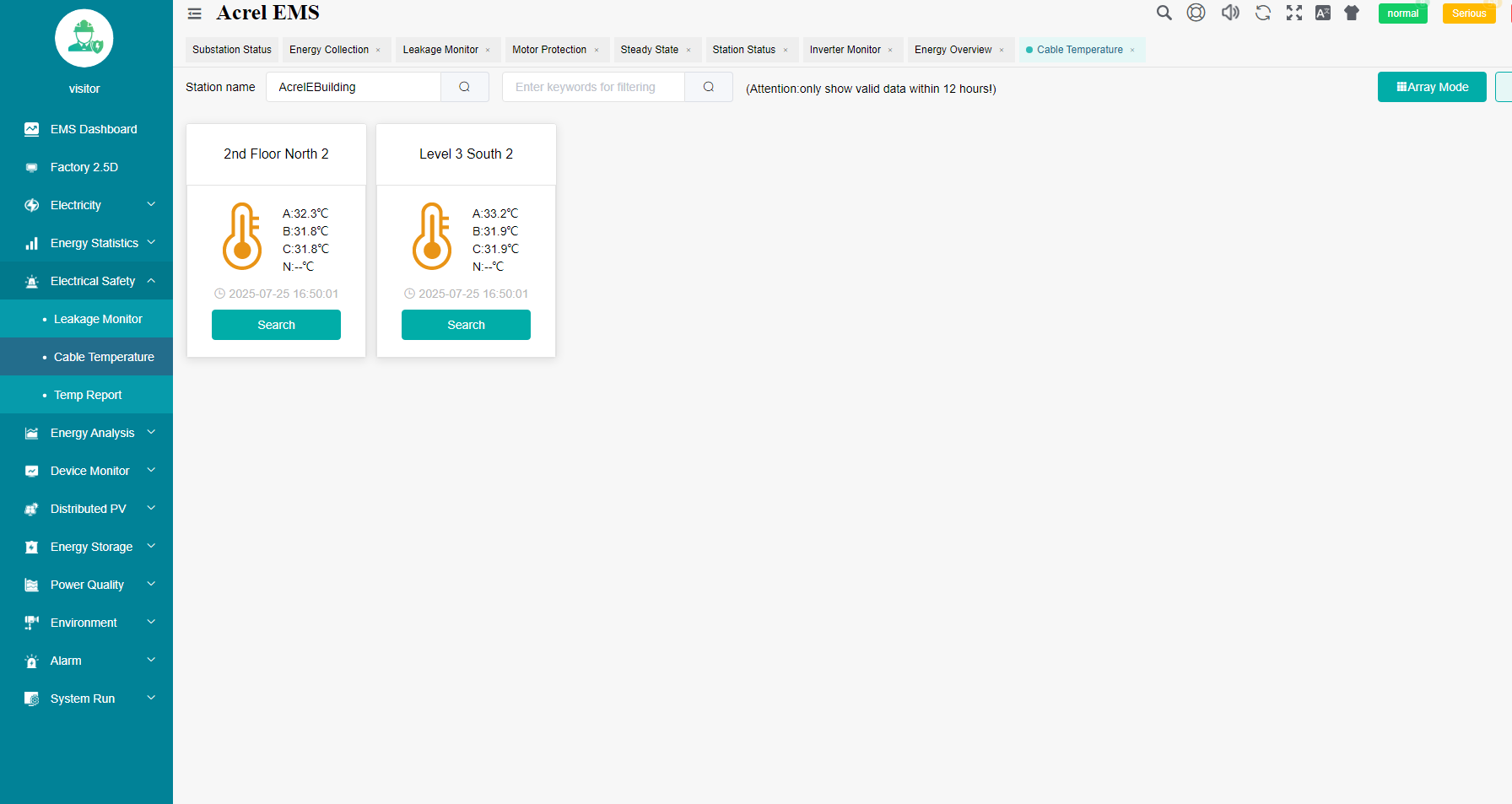
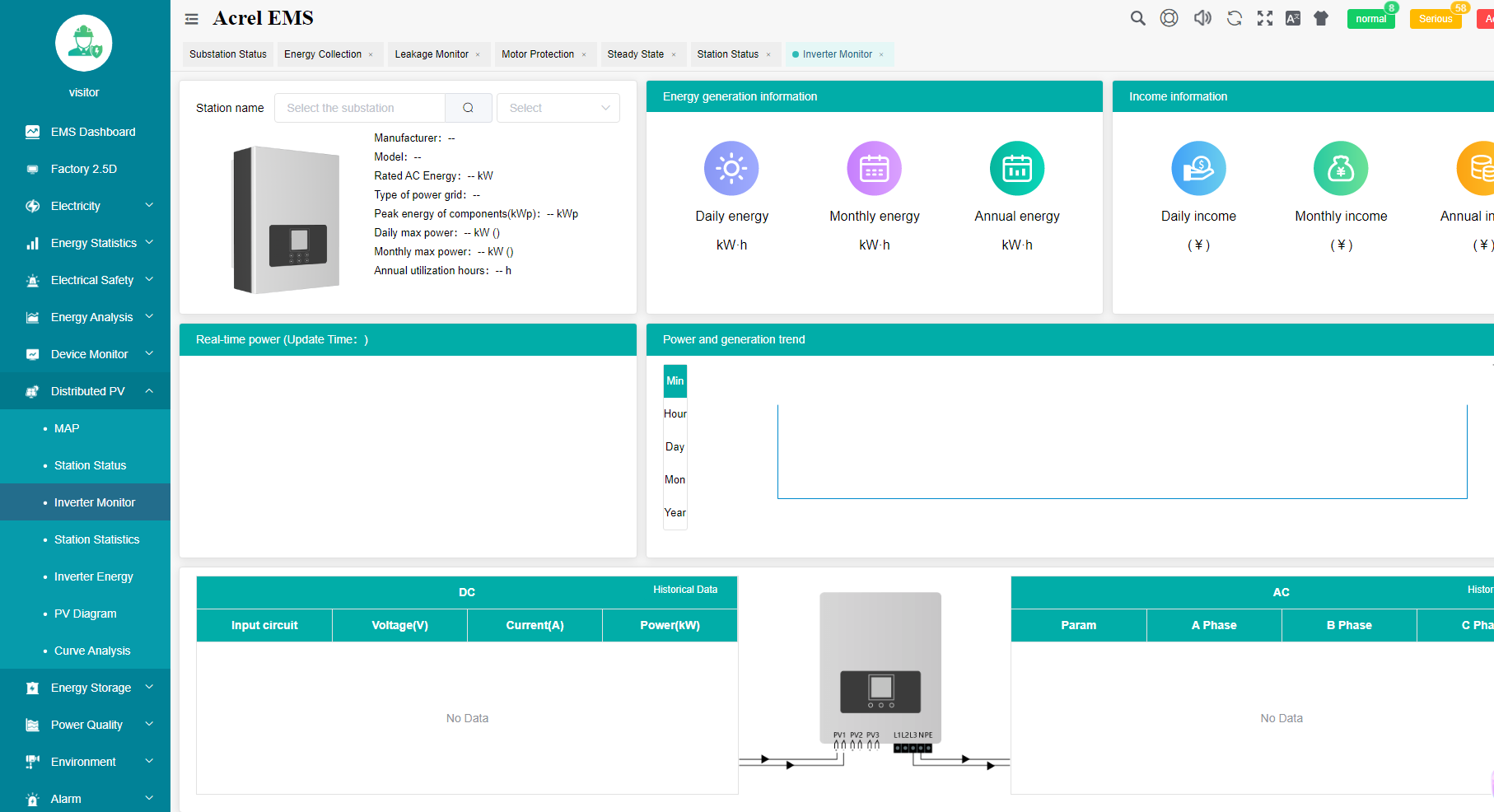
1 / 5

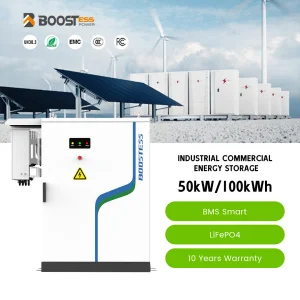
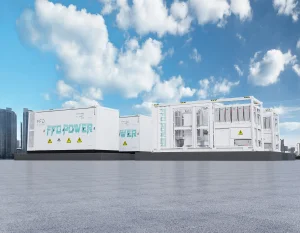
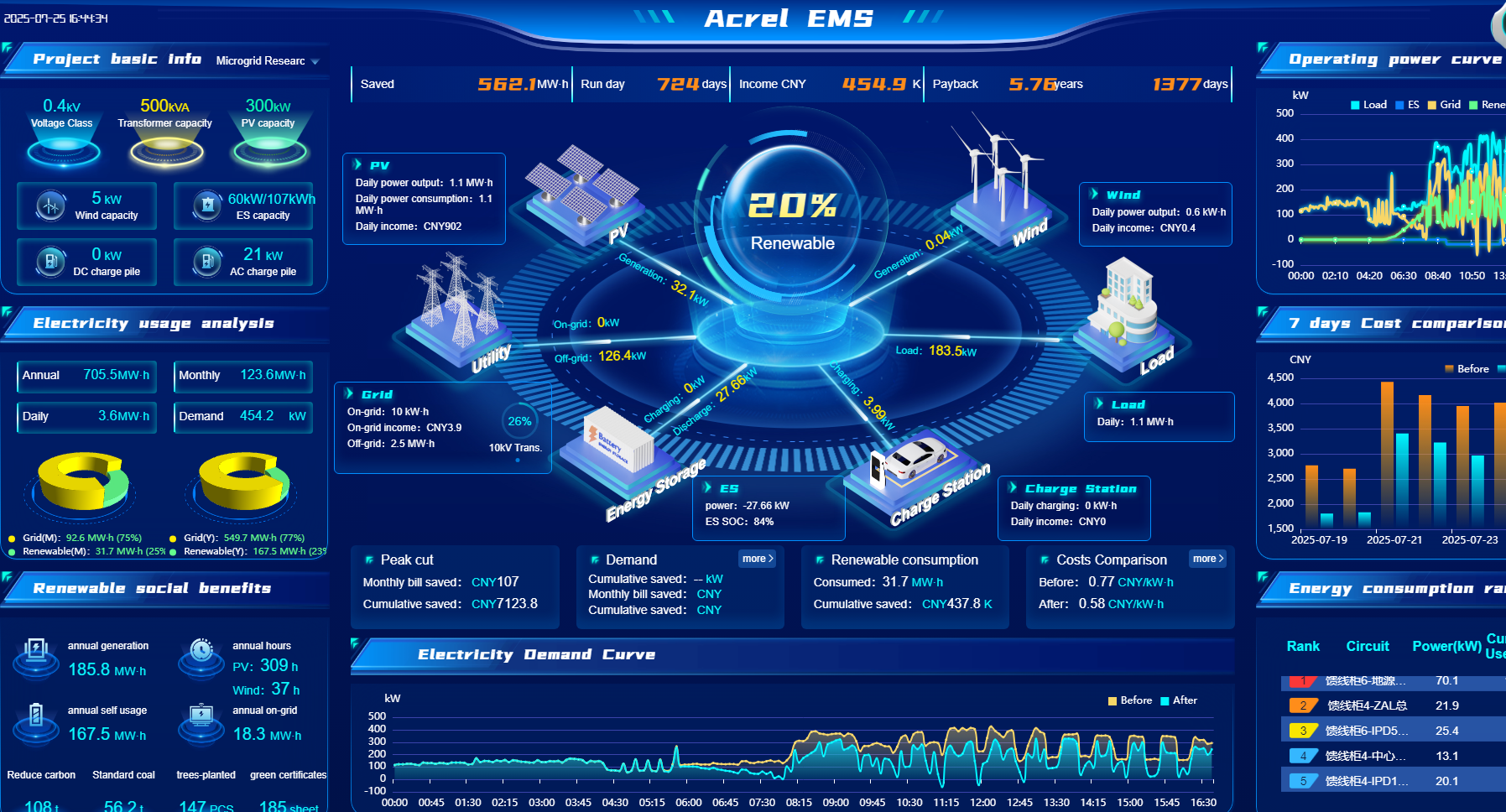
Microgrid system: A small power generation and distribution system composed of solar photovoltaic power generation, wind power generation, energy storage, power grids, vehicle charging piles, and other related load devices. It operates as an autonomous system capable of self-control, protection, and management.
Designed to connect with the external power grid for standard operations, while supporting independent, off-grid operations when necessary. Grid interaction remains its primary mode.
Operates entirely disconnected from the external power grid, achieving absolute self-use of electric energy and maintaining a strictly balanced microgrid environment.
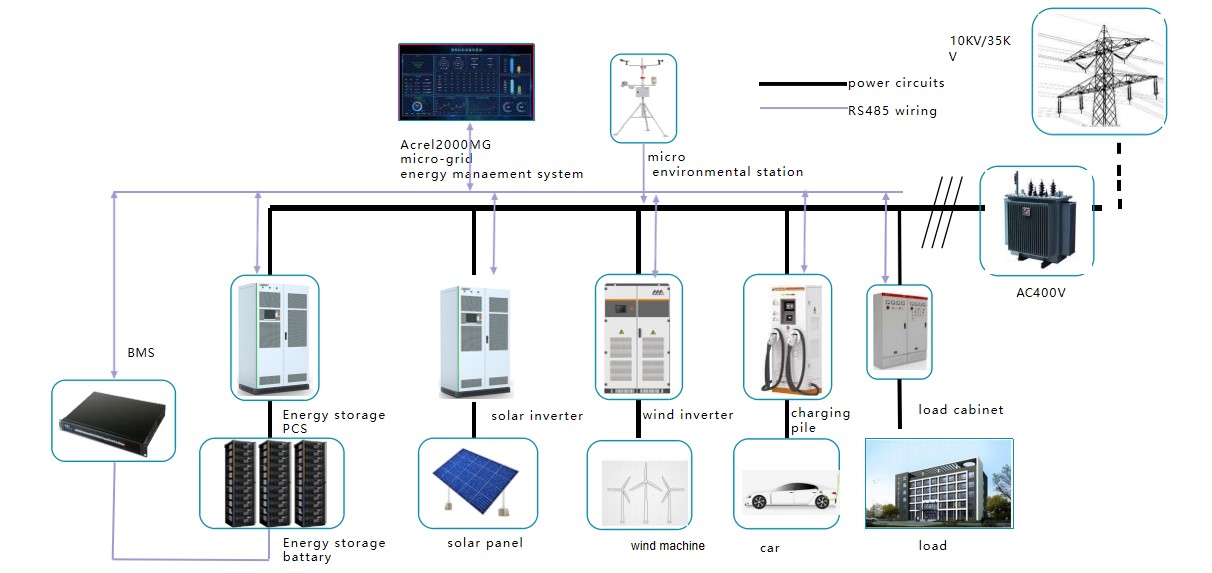
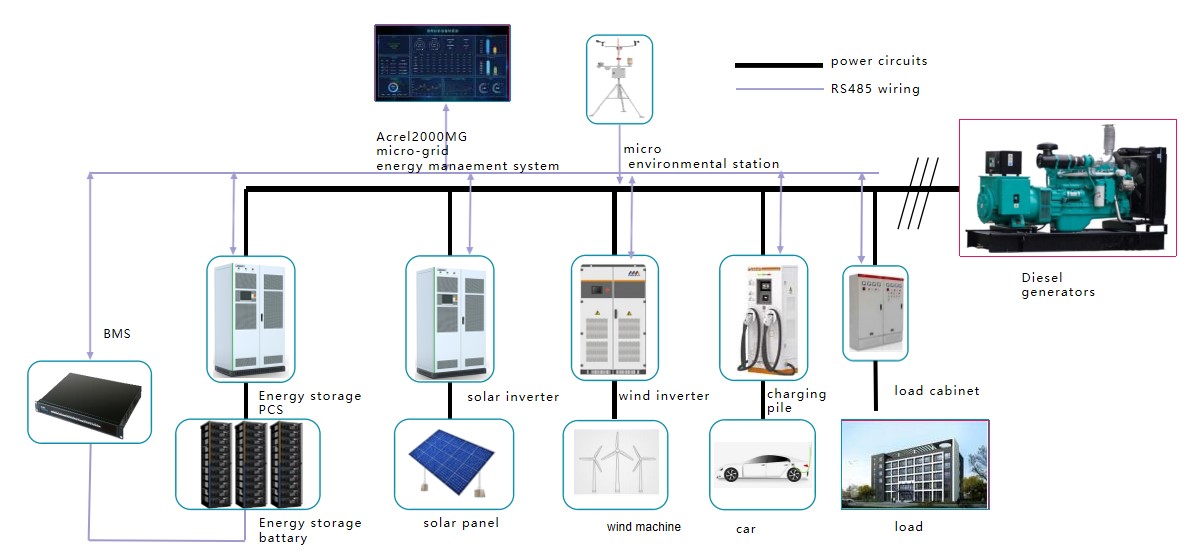
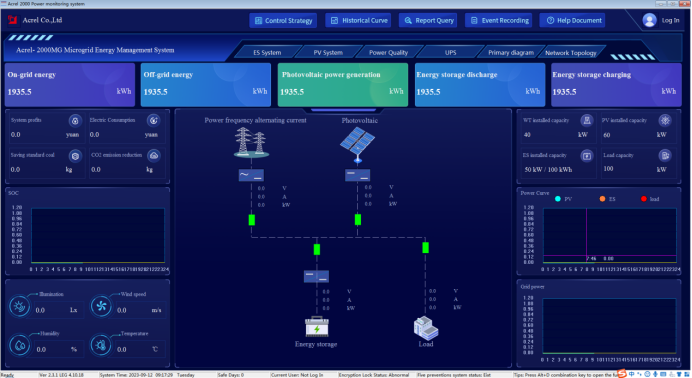
The main interface monitors microgrid photovoltaic, wind power, energy storage, charging piles, and load status, mapping the main wiring diagram alongside income and environment data.
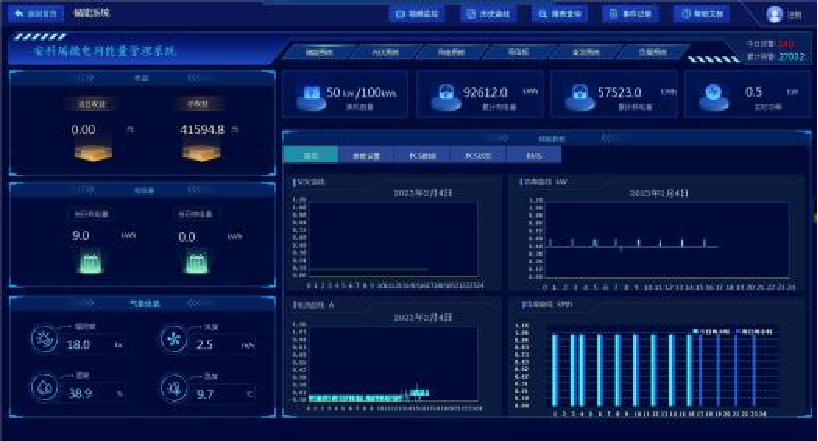
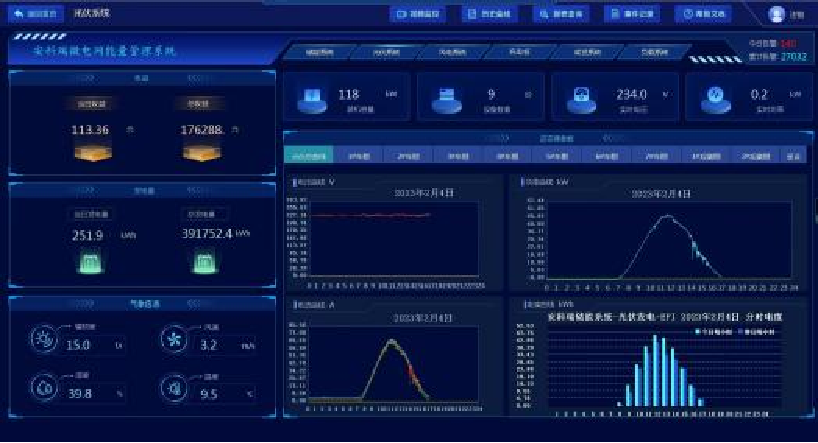
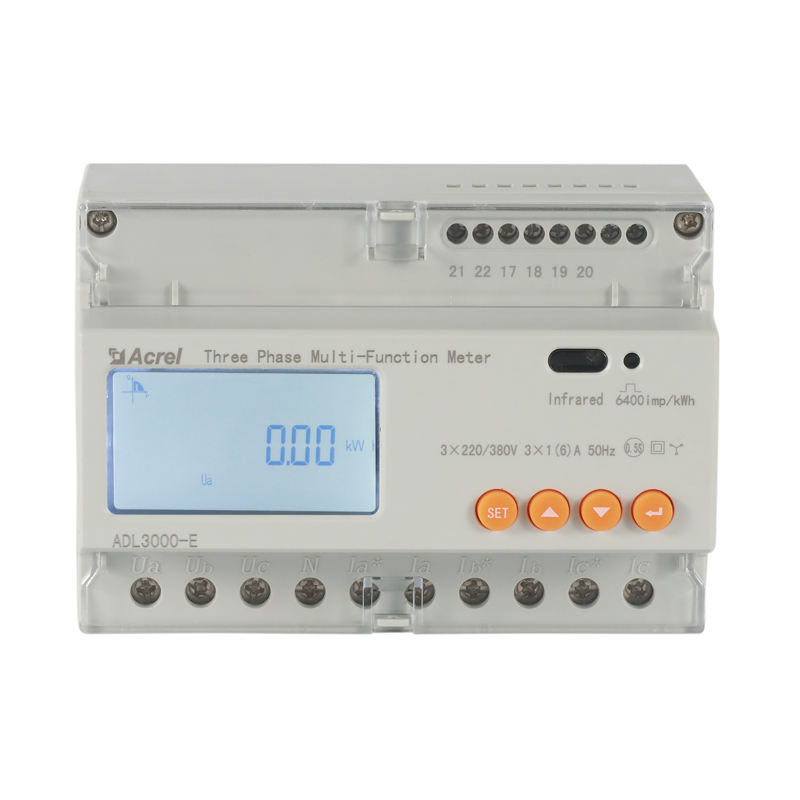
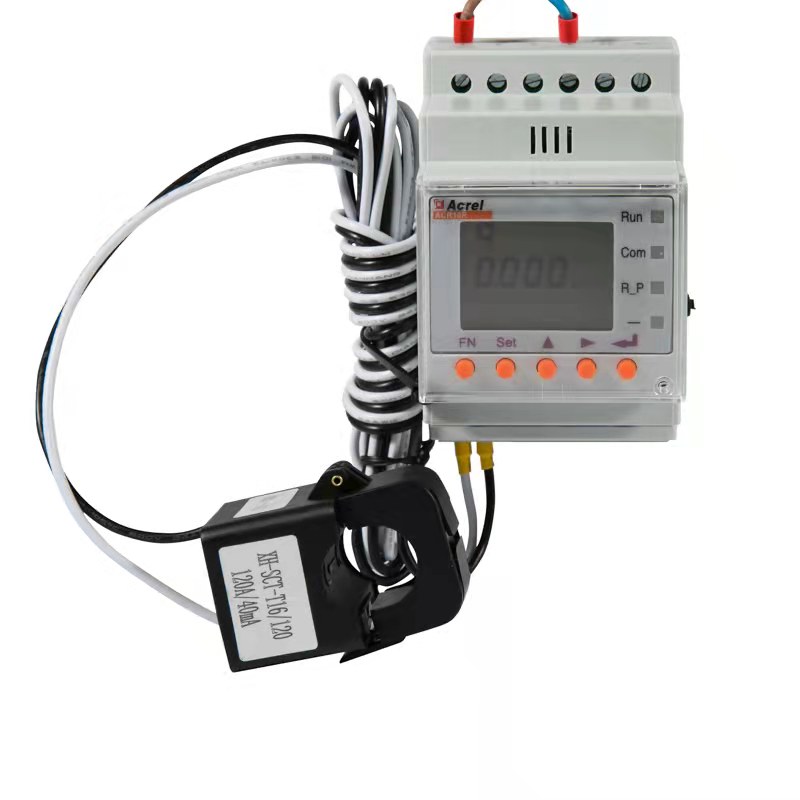
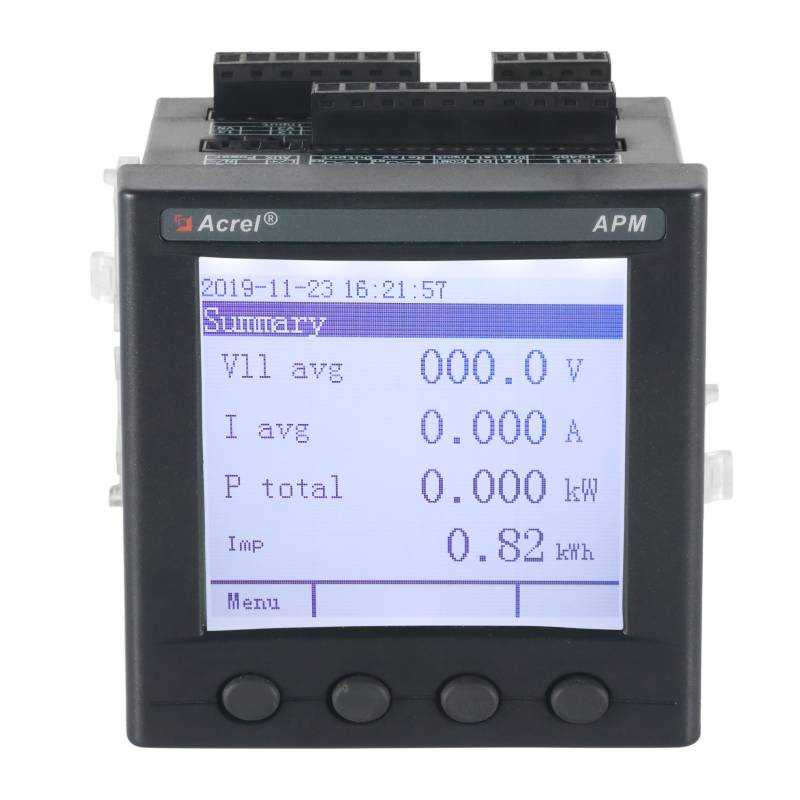
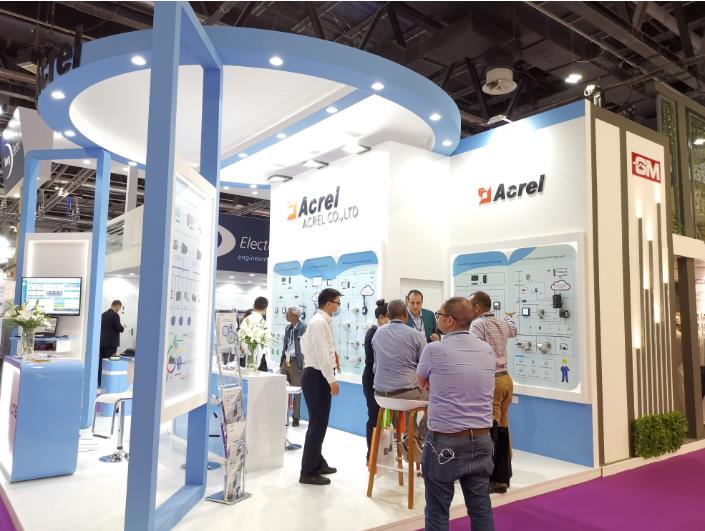
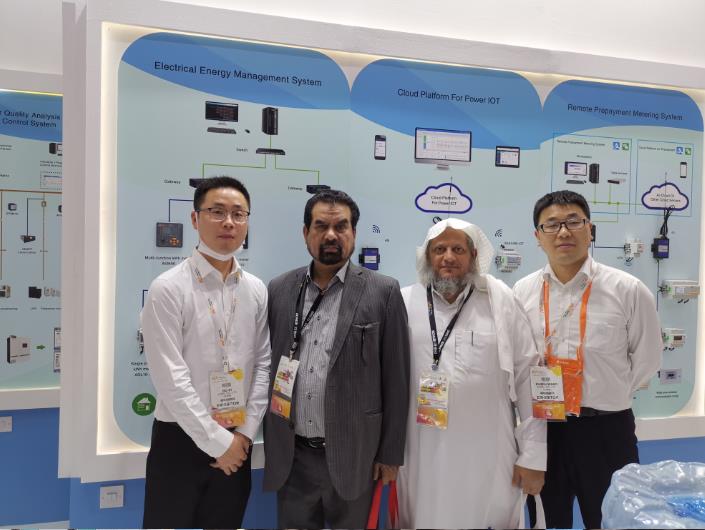
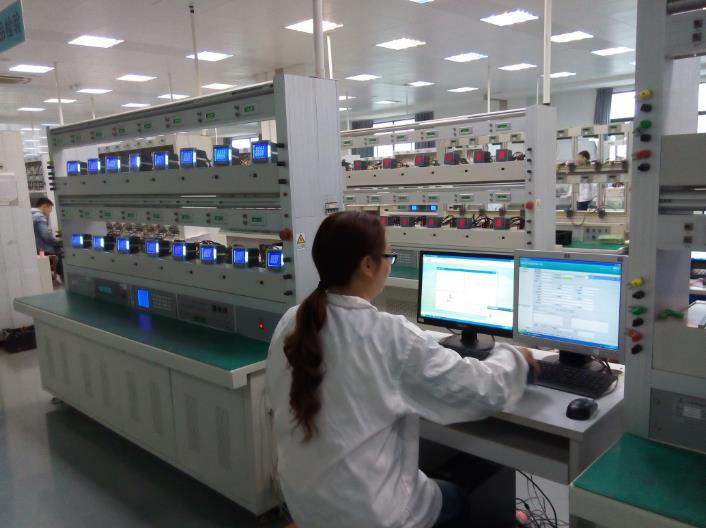
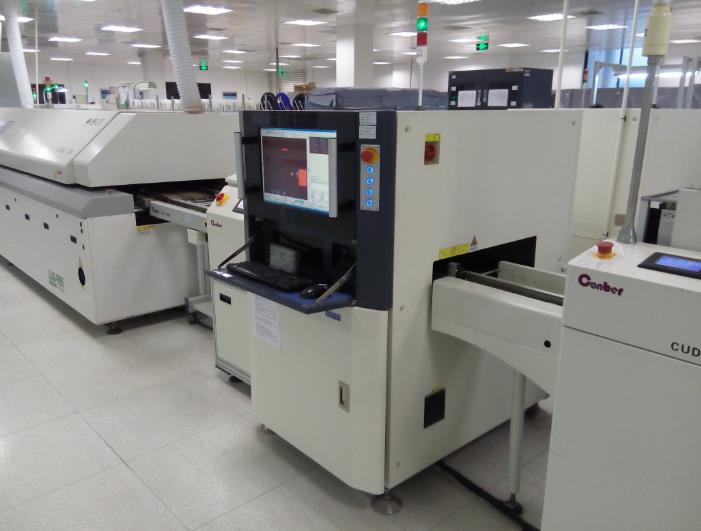
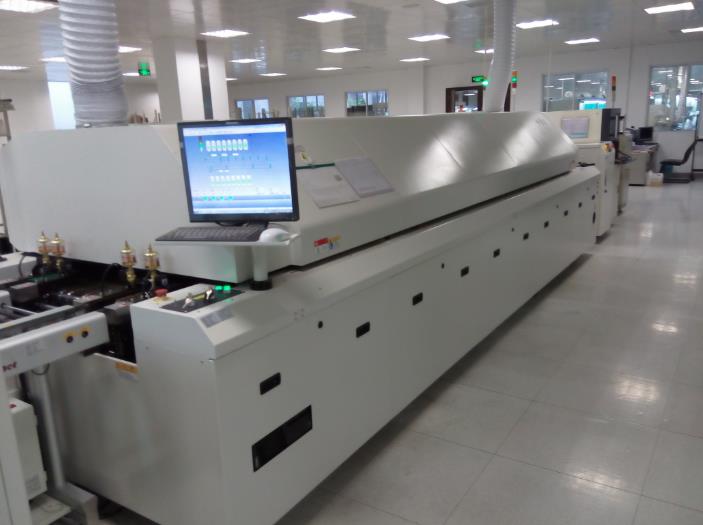
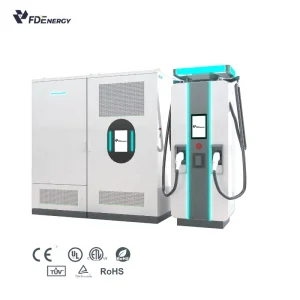
We offer comprehensive solutions including substation automation systems (35/10/0.4kV), building-mounted photovoltaic (BMPV) systems, power quality management, energy management systems, electrical fire monitoring, medical IT distribution systems, smart lighting control, and EV charging infrastructures.
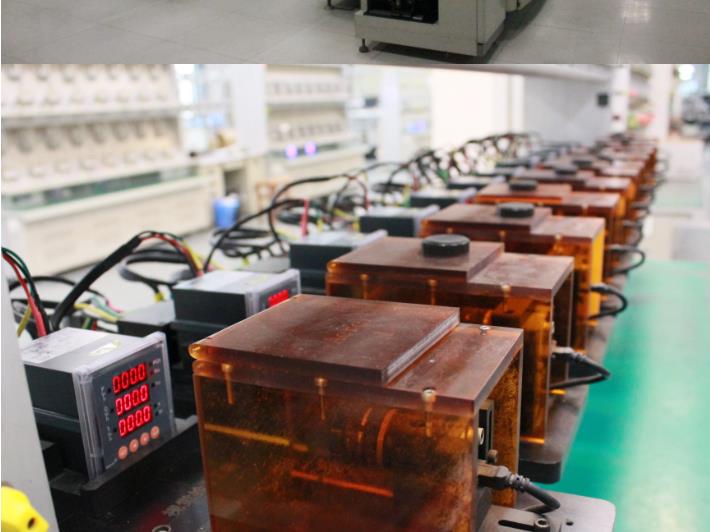
We enforce a rigorous quality control framework. This includes checking pre-production samples prior to mass manufacturing and executing thorough final inspections for all meters and sensors before shipment.
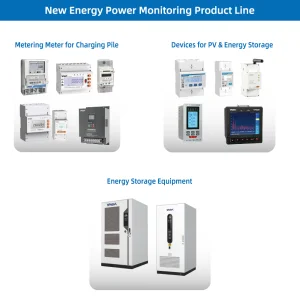
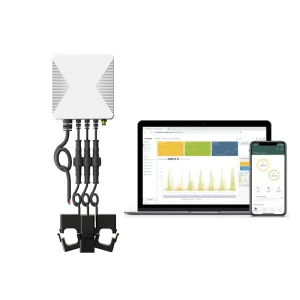
You can purchase energy meters, digital ammeters, voltmeters, current transformers, temperature monitoring devices, power sensors, multifunction meters, power transducers, and temperature-humidity controllers.
Our systematic power control, energy management, and electrical safety solutions are tailored for smart grid users. They help commercial and industrial customers enhance energy efficiency, optimize consumption curves, and secure overall power quality.
We support multiple delivery options including FOB, CFR, CIF, EXW, DDP, DDU, and Express Delivery. Supported payment currencies include USD, EUR, and CNY via T/T, PayPal, Western Union, or Cash.
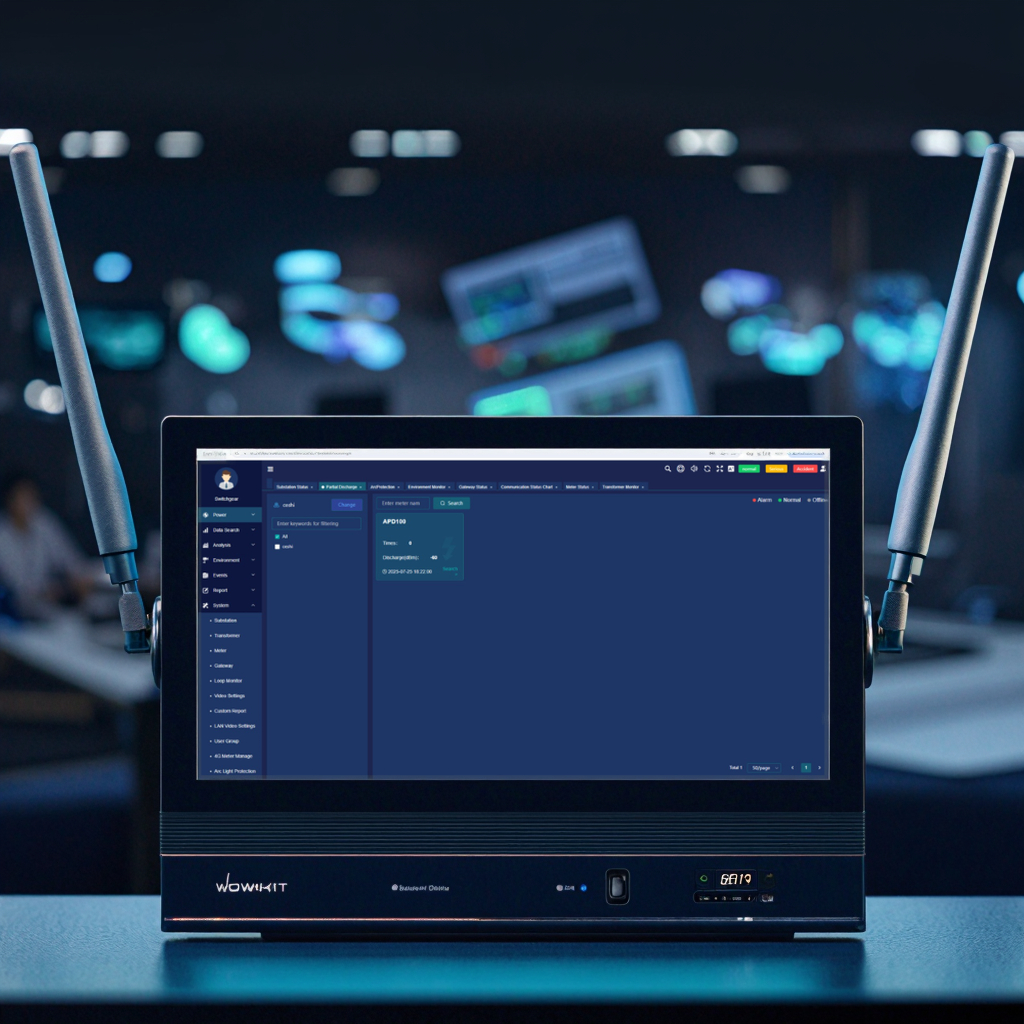
Yes, the energy storage monitoring software features dynamic operation modes such as peak-and-valley scheduling, demand control strategies, and real-time planning curves to maximize financial returns.