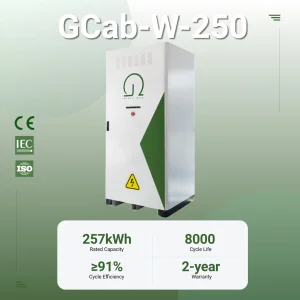
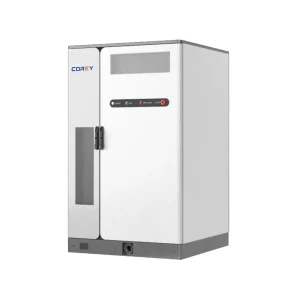
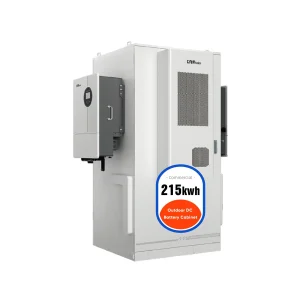
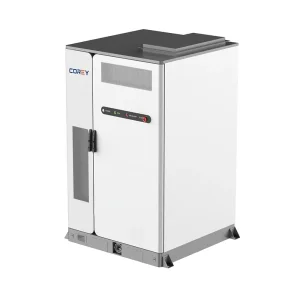
Mexico is currently navigating a pivotal energy transition. With the "Nearshoring" boom bringing hundreds of global manufacturing facilities to regions like Monterrey, Querétaro, and Tijuana, the demand for stable, high-capacity power has never been higher. However, the national grid managed by CFE (Comisión Federal de Electricidad) often faces infrastructure constraints, leading to voltage fluctuations and high demand charges (GDMTH tariffs).
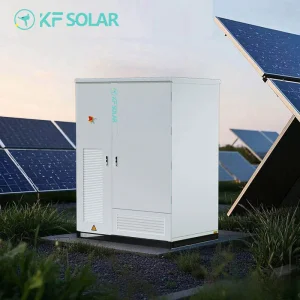
For Commercial and Industrial (C&I) entities in Mexico, Battery Energy Storage Systems (BESS) are no longer a luxury but a strategic necessity. By implementing peak shaving strategies, Mexican enterprises can significantly reduce their monthly electricity bills by discharging stored energy during high-tariff periods. Furthermore, as the Mexican government encourages renewable integration, C&I ESS acts as the bridge to stabilize intermittent solar and wind power, ensuring 24/7 operational continuity for critical manufacturing lines.
Globally, the transition from centralized power plants to Distributed Energy Resources (DERs) is accelerating. The C&I sector is leading this charge due to the falling costs of Lithium Iron Phosphate (LiFePO4) technology and the rising importance of ESG (Environmental, Social, and Governance) scores. In North America specifically, the integration of Smart EMS (Energy Management Systems) allows businesses to participate in demand response programs, effectively turning an energy cost center into a potential revenue-generating asset.
Guangdong Hudd Energy Co., Ltd. leverages the world’s most sophisticated battery supply chain in Southern China to deliver high-performance ESS to the Mexican market. Our factory efficiency translates directly into Information Gain for our clients—providing transparent data on cell grading, cycle life testing, and thermal management efficiency.
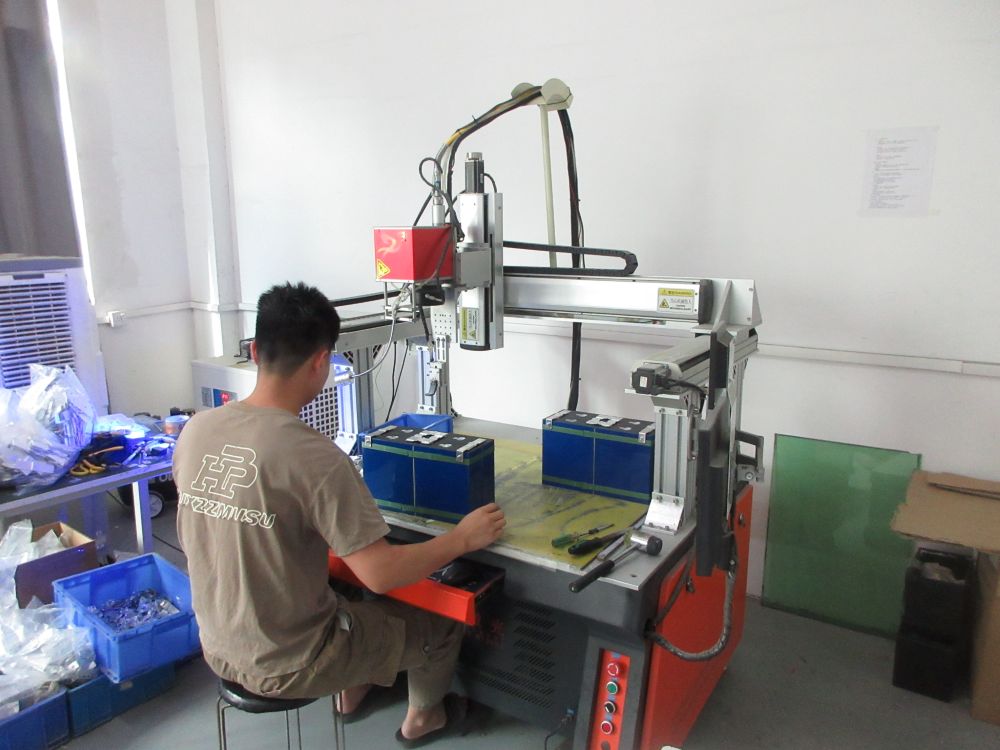 Precision Laser Spot Welding
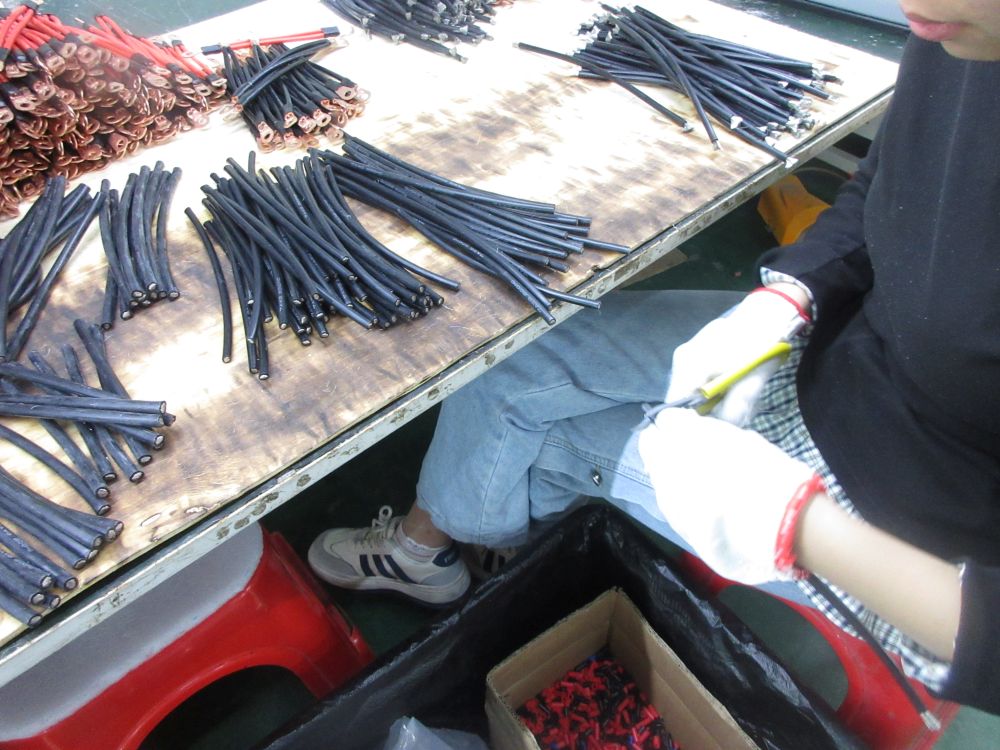 Automated Wire Processing
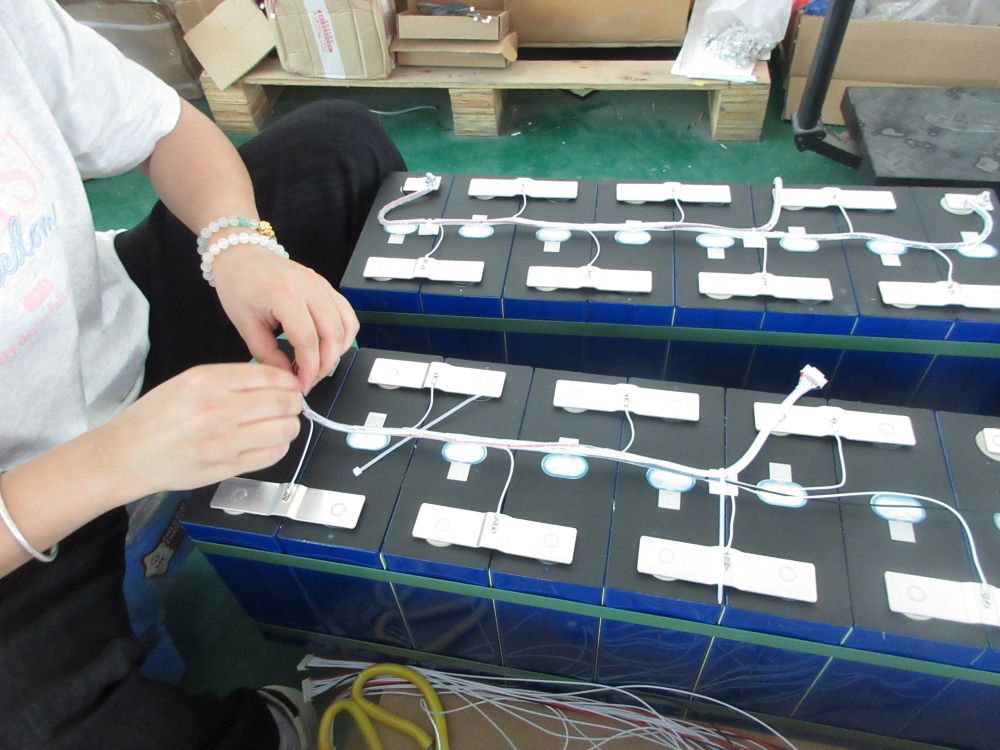 BMS System Integration
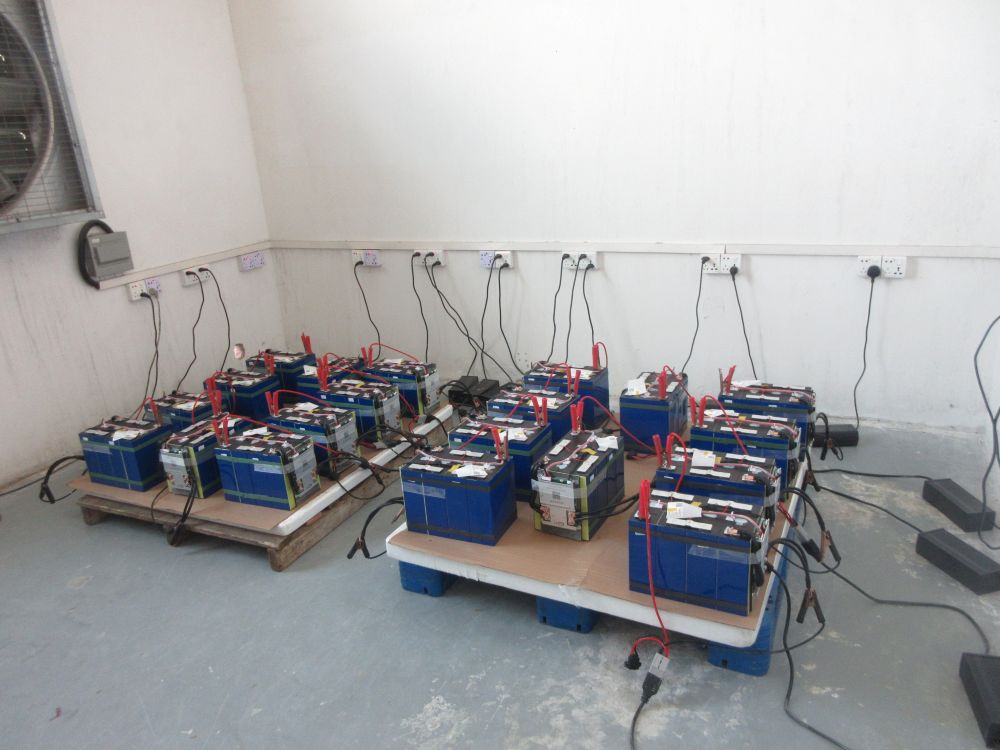 Factory Capacity Testing
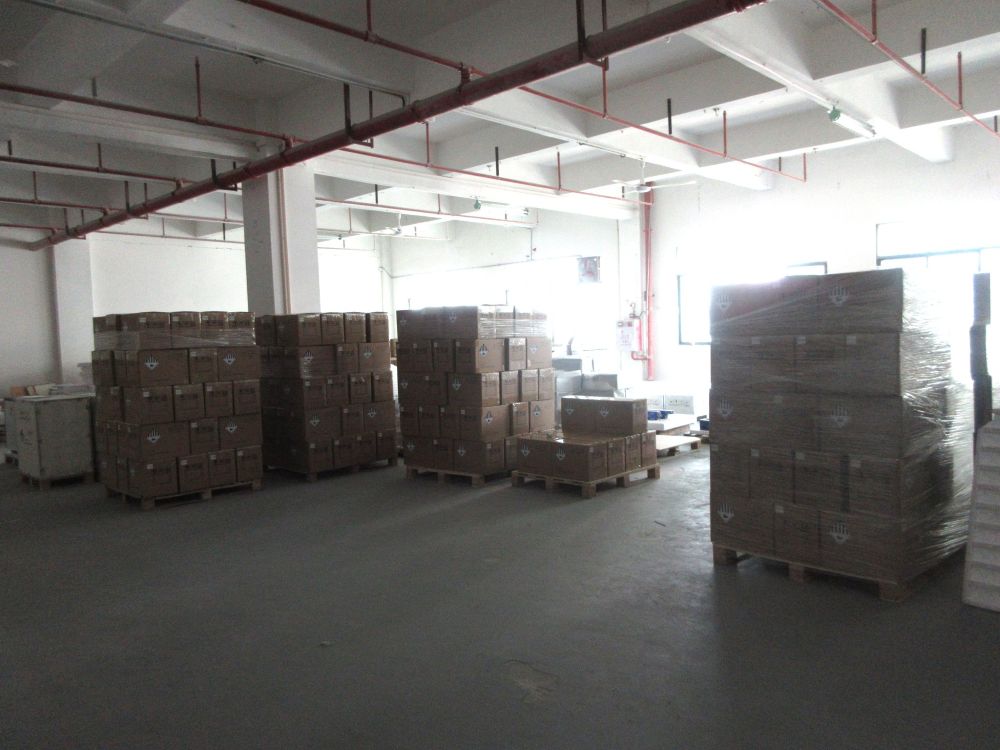 Secure Warehouse Management
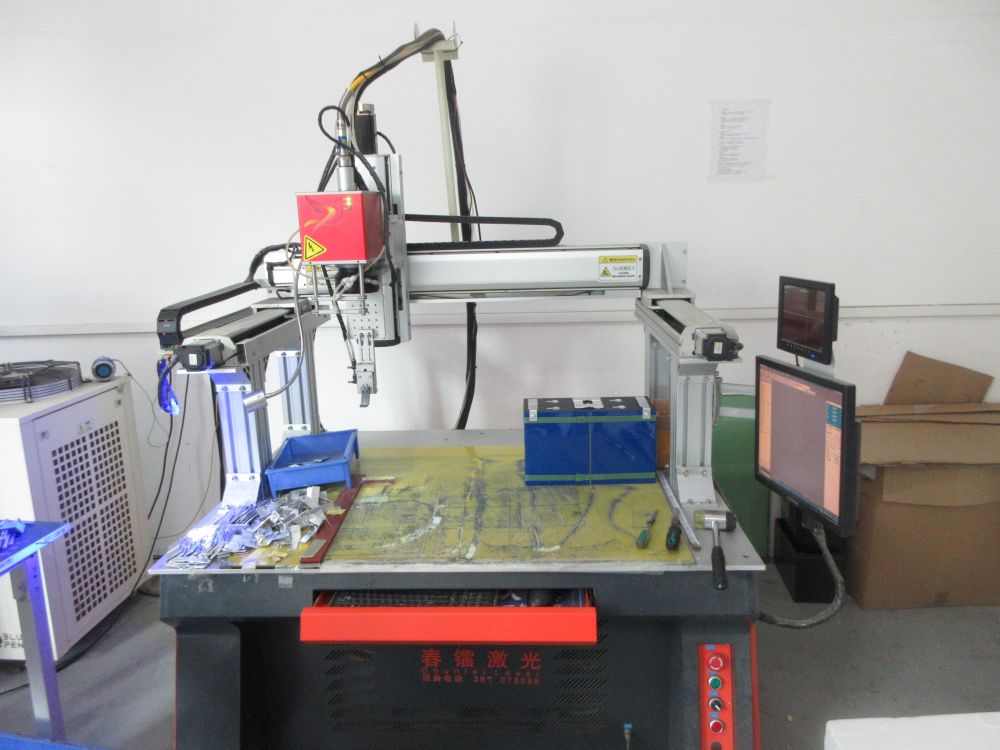 Advanced Production Equipment
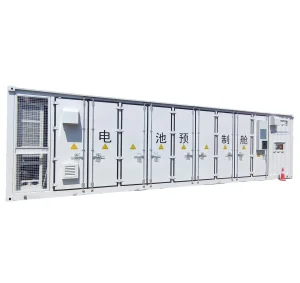
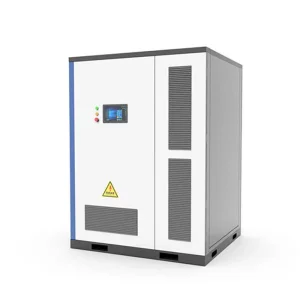
Our integration process involves rigorous QC, from Terminal Crimping to high-voltage insulation testing. This ensures that every containerized ESS shipped to Veracruz or Manzanillo is "Plug-and-Play" ready, minimizing on-site commissioning time and labor costs in Mexico.
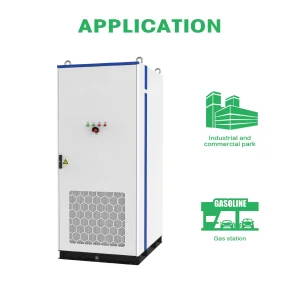
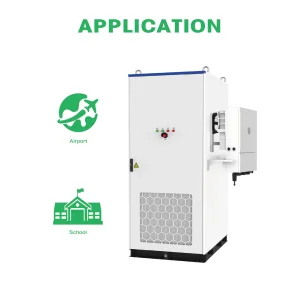
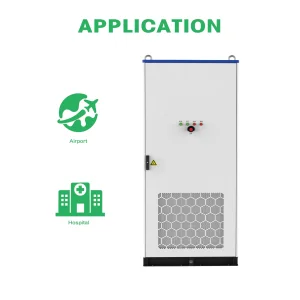
Ensuring zero-downtime for automotive assembly lines and electronics manufacturing in Northern Mexico through UPS-grade BESS switching.
In states like Michoacán and Jalisco, ESS stabilizes power for refrigeration units, preventing spoilage of high-value export crops during grid outages.
Hybridizing diesel generators with BESS in Sonora’s mining sector to reduce fuel consumption by up to 40% and lower carbon footprints.
International procurement teams are shifting focus from "Initial Capital Expenditure (CAPEX)" to "Total Cost of Ownership (TCO)". Reliable C&I ESS suppliers must now provide detailed Bankability Reports and long-term performance guarantees. Guangdong Hudd Energy addresses this by utilizing Tier-1 A-grade cells and offering strategic financial support through our banking partners, facilitating smoother international trade for Mexican importers.
The primary benefits include Peak Shaving (reducing high GDMTH demand charges), providing backup power during grid instability, and increasing the self-consumption of on-site solar PV systems. This leads to an average ROI of 3-5 years in Mexico depending on local CFE tariffs.
Yes, our systems are designed to meet international safety standards such as UL 9540A and IEC 62619, which are generally accepted and can be certified under Mexican NOM (Norma Oficial Mexicana) requirements through local inspection units.
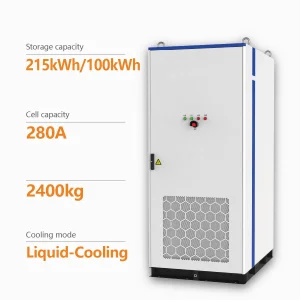
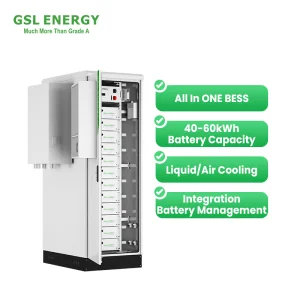
Liquid cooling provides superior thermal uniformity, allowing the battery cells to operate within their optimal temperature range even in extreme ambient heat (up to 50°C). This extends cycle life by 20% compared to traditional air-cooled systems in desert environments.
From factory completion in Guangdong to arrival at a Mexican port (e.g., Manzanillo), the typical timeline is 8-10 weeks, including production, sea freight, and customs clearance support provided by Hudd Energy.
Absolutely. Our ESS solutions are compatible with major global inverter brands and can be integrated via AC-coupling (for existing solar) or DC-coupling (for new hybrid projects).
 Hudd Energy