Designed to deploy high-power lithium iron phosphate (LiFePO4) storage, resolving commercial loadshedding issues across Johannesburg, Cape Town, and Durban.
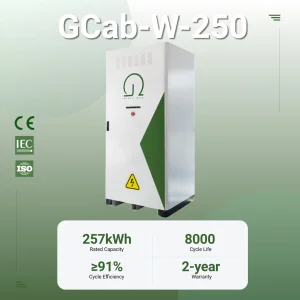
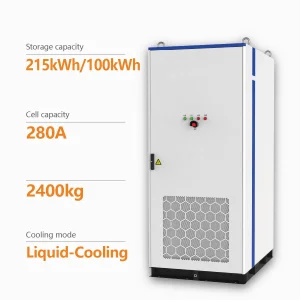
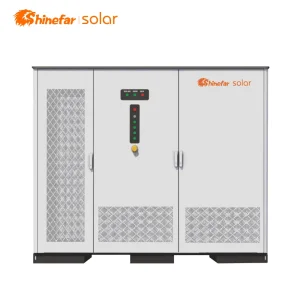
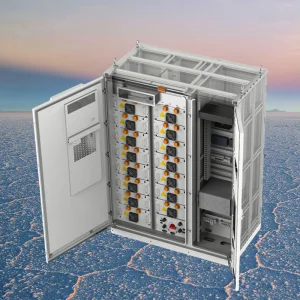
Unpacking the structural challenges, financial incentives, and regulatory landscapes defining commercial energy resilience.
South African commerce and manufacturing sectors are experiencing unprecedented operational disruption due to Eskom’s load curtailment and load shedding schedules. The direct cost of blackouts to retail centers, cold storage warehouses, agricultural operations, and heavy fabricators has forced businesses to transition from standby diesel generators to cleaner, more cost-effective solutions: Battery Energy Storage Systems (BESS).
While diesel remains a legacy solution, the fluctuating fuel prices and high maintenance overheads degrade profit margins. By integrating a Commercial & Industrial Energy Storage System (C&I ESS), companies can store energy during low-tariff off-peak times or generate solar power and discharge during load shedding windows, maintaining absolute business continuity.
In addition to backup power, South African municipal tariffs (such as Eskom's Megaflex and municipal tariffs in Cape Town or City Power in Johannesburg) penalize companies heavily during peak demand hours. Peak demand charges account for a significant portion of a commercial customer's electricity invoice.
Our C&I ESS offerings enable smart peak shaving by discharging energy when facility consumption crosses predefined thresholds, lowering maximum demand penalties. Furthermore, energy arbitrage allows storage of cheap municipal or solar power during off-peak periods, and usage during peak-rate time-of-use (TOU) zones.
Tailored energy integration across critical industry verticals requiring stable energy configurations.
Voltage dips and unscheduled power outages ruin tooling, waste materials, and cost thousands in lost productivity. Our high-voltage liquid-cooled BESS containers guarantee smooth grid-interconnection, and high surge currents for large motors and machinery.
Protecting citrus farms, wineries, and poultry facilities in Western and Eastern Cape from crop loss. Solar PV coupled with modular storage cabinets maintains cooling operations overnight, lowering operational costs and carbon footprints.
Shopping centers and supply hubs require quiet, fume-free energy backup. Integrated all-in-one cabinets containing pre-installed fire suppression, HVAC systems, and dynamic EMS systems guarantee safe public operations.
Navigating South African standards and energy grid codes for hassle-free connection.
Connecting any commercial system to the national distribution grid requires adhering to SANS (South African National Standards) regulations, and registering systems with NERSA. Our systems are engineered to pass Grid Code requirements, ensuring compliance with anti-islanding parameters and short-circuit protections.
We provide systems complying with international certifications like UN38.3, IEC 62619, UL9540A, and VDE 4105. This documentation is critical for streamlining engineering approvals (Pr.Eng sign-off) and securing commercial property insurance coverages locally.
Unlocking cost efficiencies and quality control through advanced manufacturing processes and raw material sourcing.
Located in Guangdong's energy tech cluster, we secure premium LiFePO4 cells (CATL, EVE, BYD) directly, bypassing third-party trading markups to deliver value to SA developers.
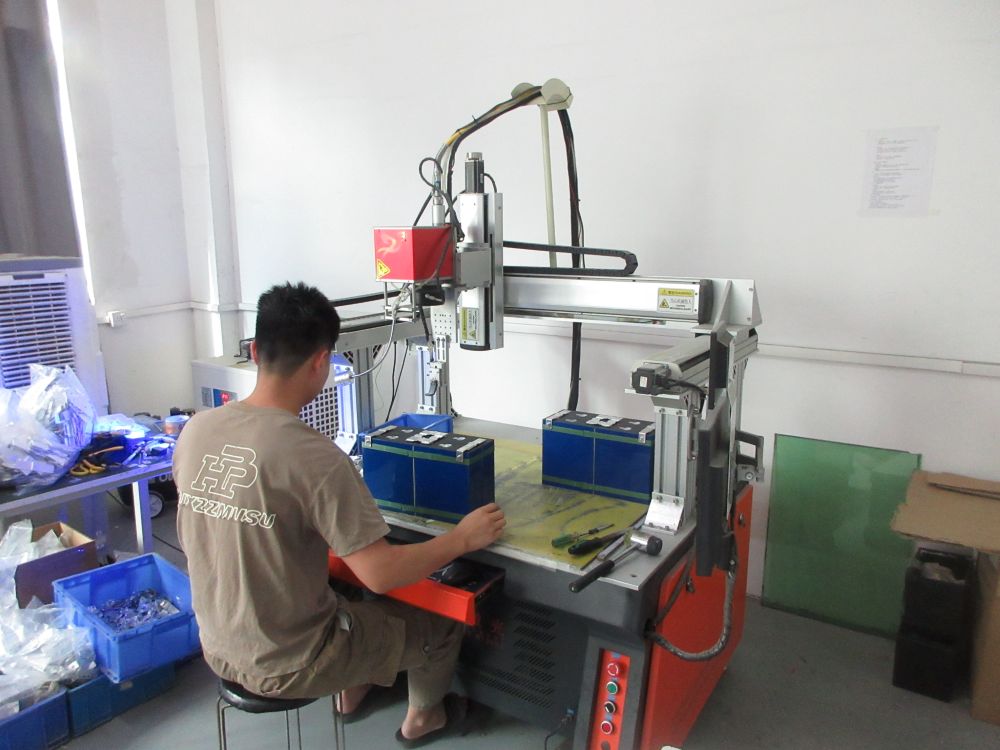
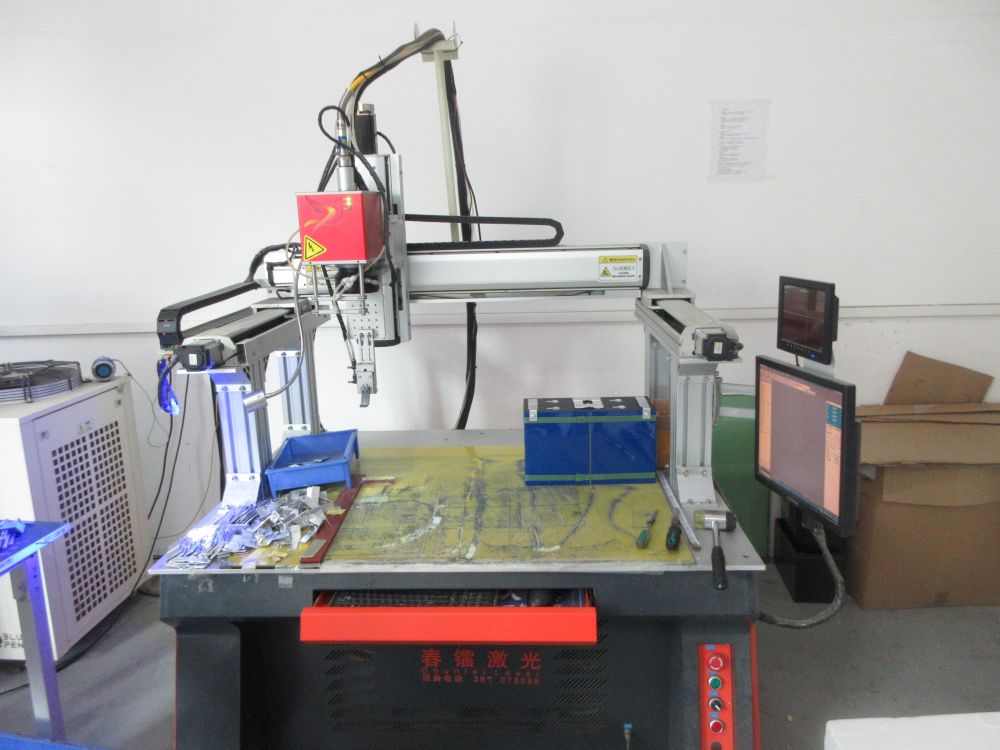
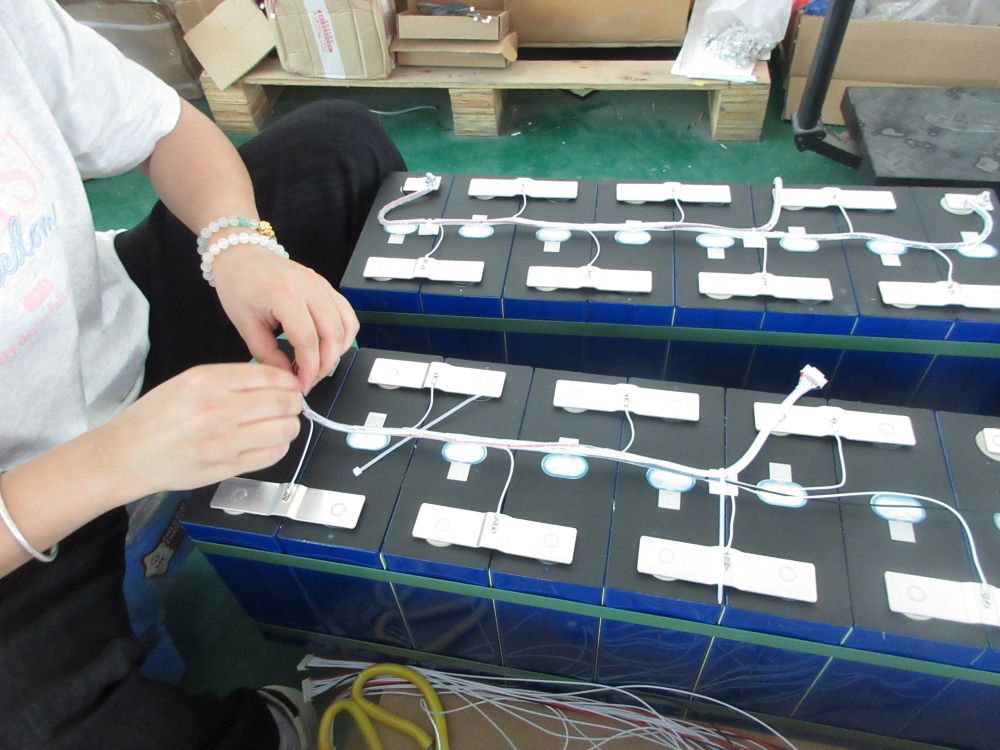
Every battery pack undergoes active temperature cycling, laser spot welding integrity checks, and high-voltage insulation tests before loading into custom container frames.
Partnering with global logistics operators and major financial institutions, we offer flexible trade financing, smooth customs clearance, and DDP/CIF shipping to African ports.
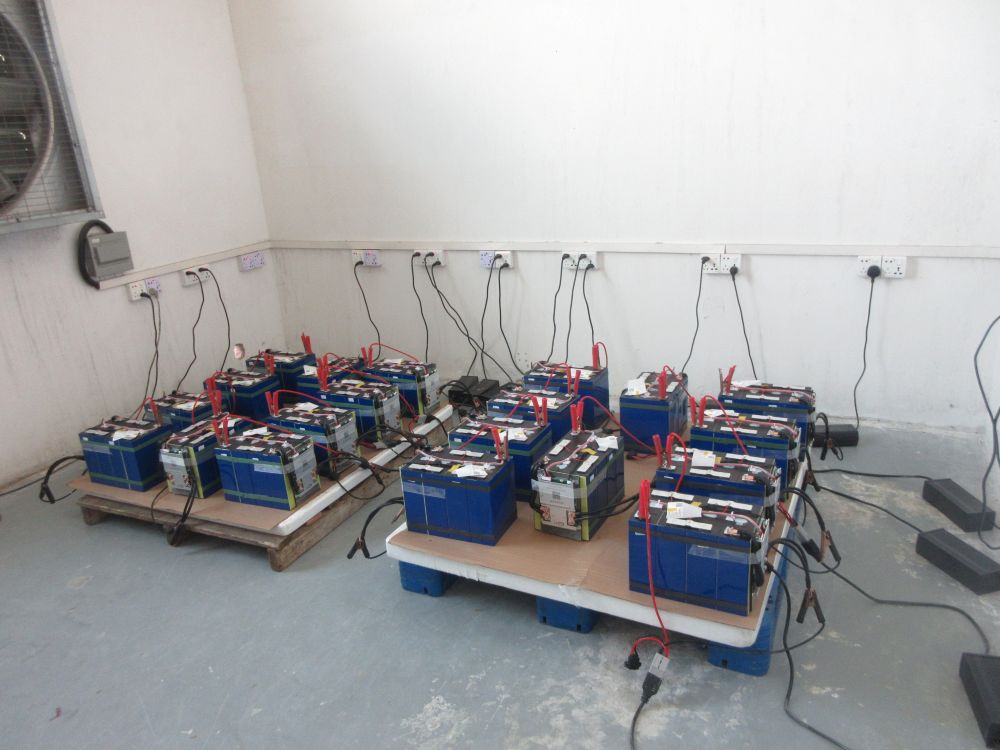
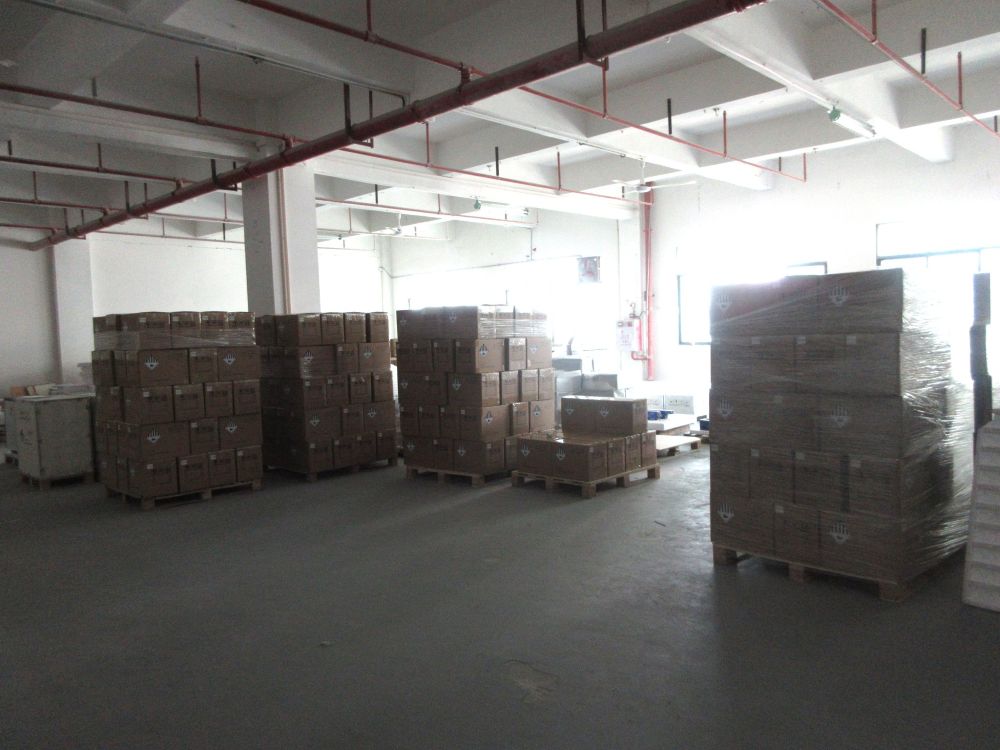
Modular designs optimized for easy integration alongside existing commercial solar grids or stand-alone generator sets.
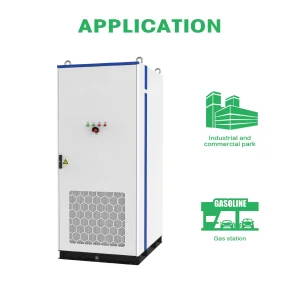
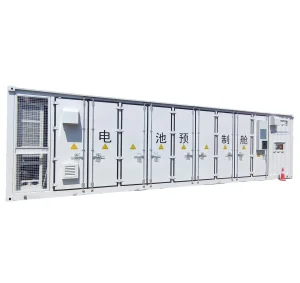
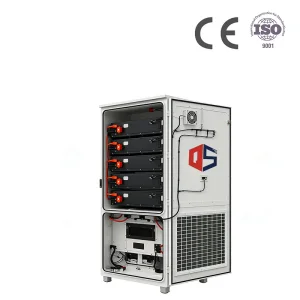
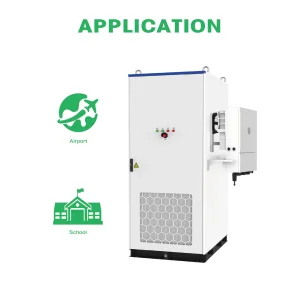
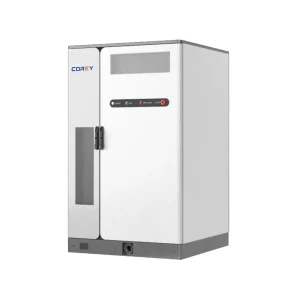
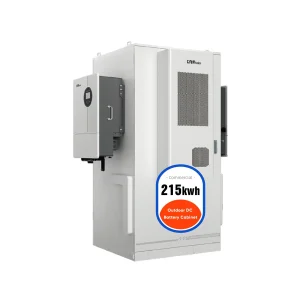
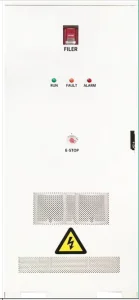
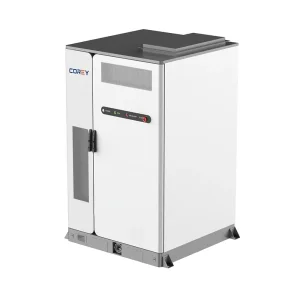
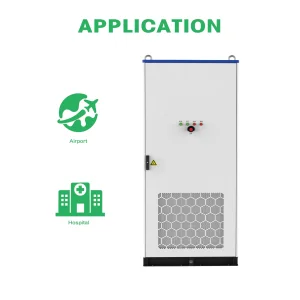
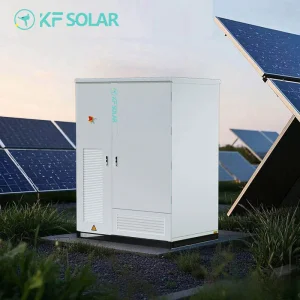
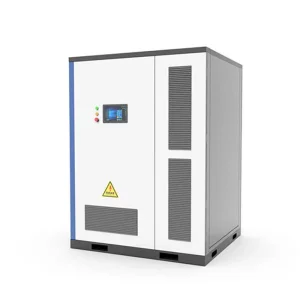
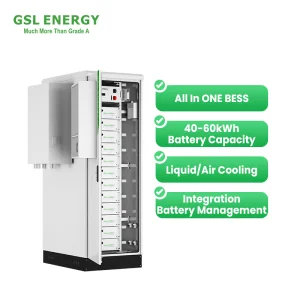
Advanced machinery and skilled electronic engineers ensuring every battery cabinet conforms to international standards.
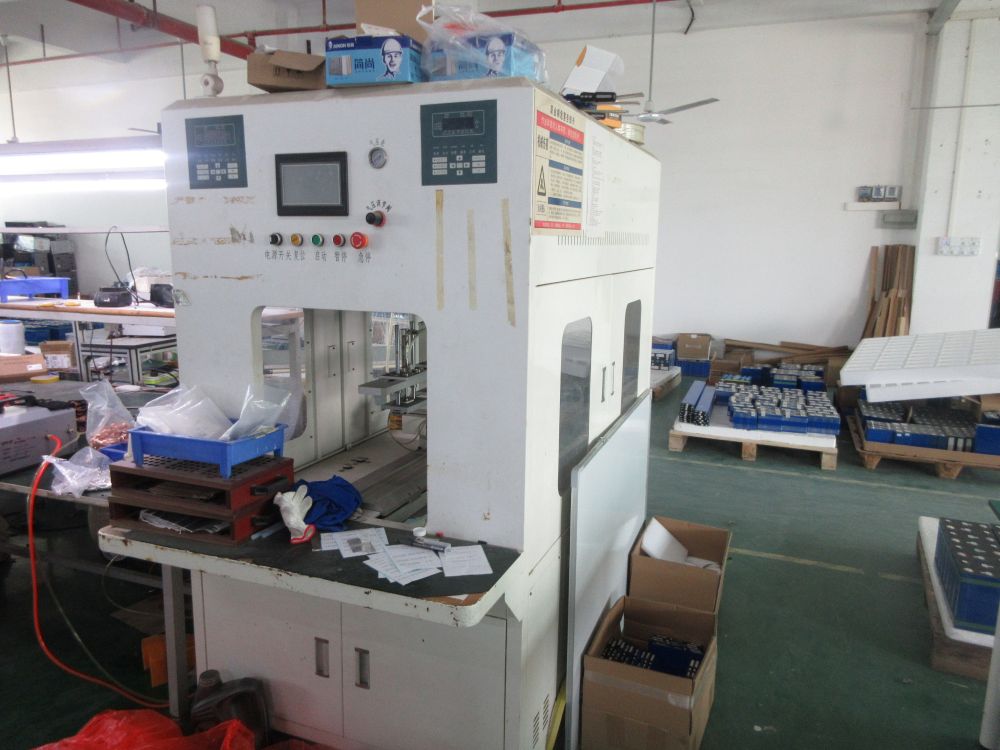
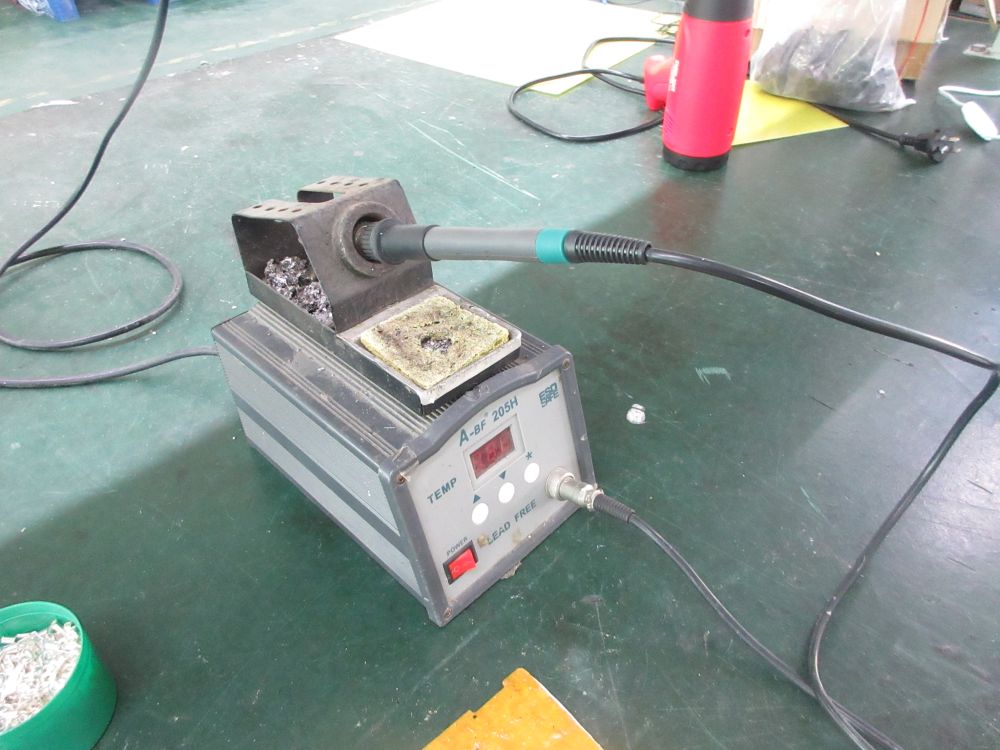
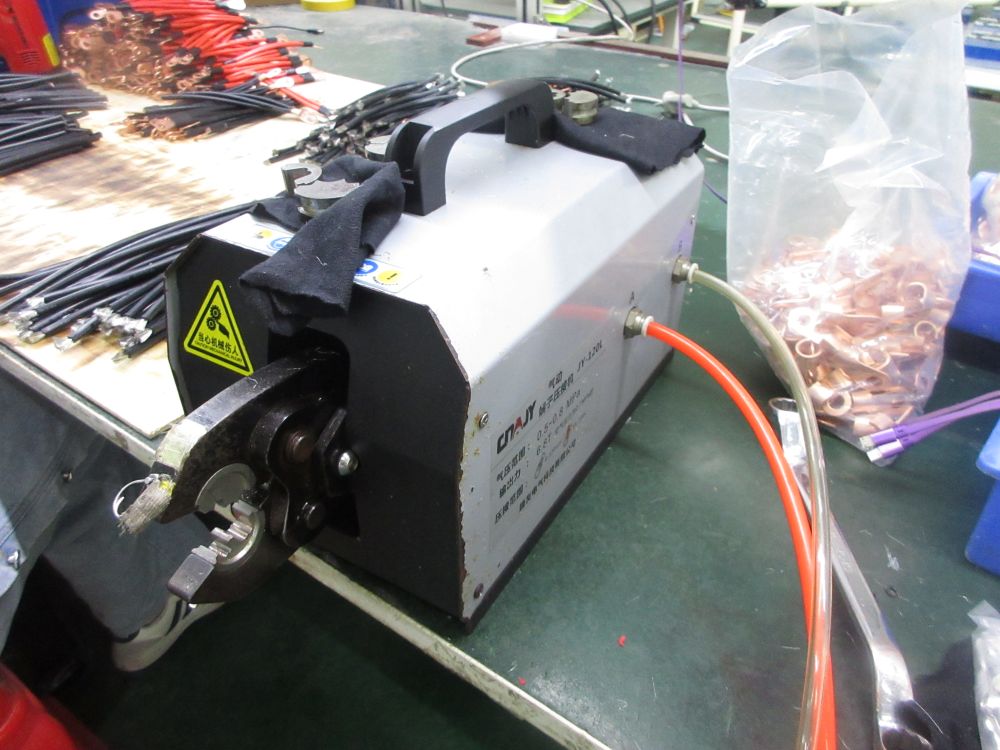
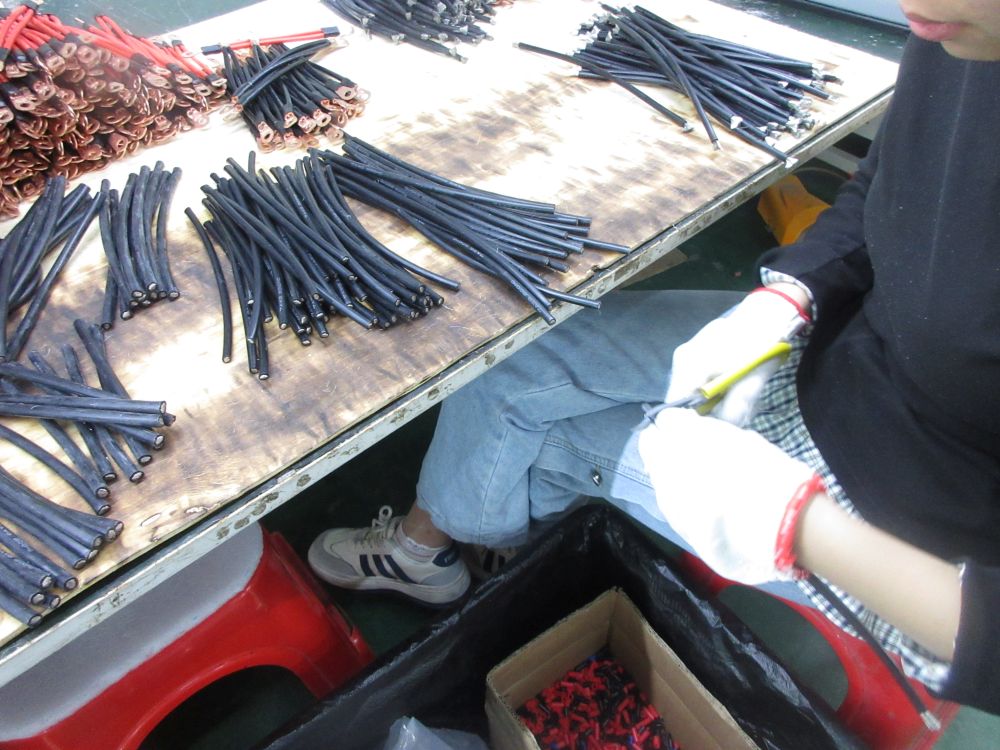
We utilize pneumatic hydraulic terminal crimping machines to securely seal battery connectors. This prevents micro-resistance variations, thermal runaway points, and potential fire risks within high-current systems under continuous load conditions.
Technical answers to frequent integration queries from South African solar EPCs and factory owners.
Liquid cooling provides better thermal uniformity across cells, maintaining internal temperature differences under 3°C. This is highly effective in high-ambient-temperature regions like Limpopo or Northern Cape. It extends battery life by up to 20% compared to traditional air-cooled systems under high charge/discharge stress.
Standard customization and manufacturing take between 6 to 8 weeks at our factory. Ocean freight to Durban or Cape Town ports requires an additional 4 to 5 weeks. We coordinate all logistics, providing DDP terms to site locations if needed.
Yes. Our advanced Energy Management System (EMS) offers dry contact interfaces and Modbus/CAN communication protocols. This allows them to coordinate with diesel generators for hybrid operations, minimizing diesel consumption and generator wear.
Connect with our technical engineering team in Guangdong to customize your project size, container configurations, and local utility compliance criteria.
 Hudd Energy