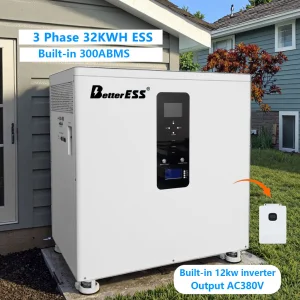
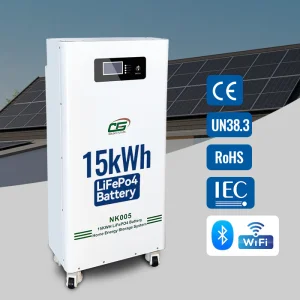
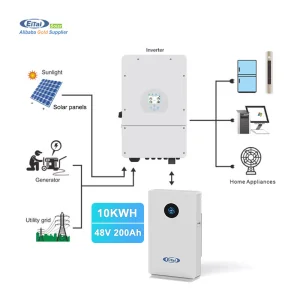
High-capacity, cold-resilient stackable lithium setups engineered for extreme grid independence and heavy backup load management.
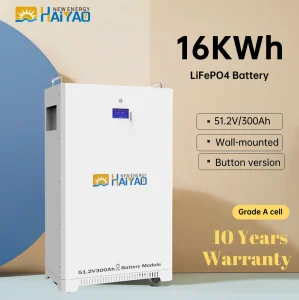
Analyzing Michigan's shifting utility environment and how high-performance residential battery storage safeguards local infrastructure.
Detroit, Michigan, and the broader metro area are facing a critical turning point in energy security. Power grids in Southeast Michigan, managed primarily by DTE Energy, have been subject to intense scrutiny due to weather-induced blackouts, freeze storms, and aging distribution lines. The winter climate of the Midwest puts tremendous stress on utility systems, often leaving residents without heat and electricity for critical periods. This has accelerated the regional demand for Residential Energy Storage Systems (ESS).
Homeowners, solar installers, and B2B energy distributors in Detroit are seeking long-term solutions that provide true off-grid security. Under the Michigan Public Service Commission’s (MPSC) "MI Power Grid" initiative, clean energy transition and decentralization are highly incentivized. Combined with the Federal Inflation Reduction Act (IRA) which offers a 30% Residential Clean Energy Credit, purchasing premium battery storage systems has shifted from an eco-conscious alternative to a vital financial and safety investment.
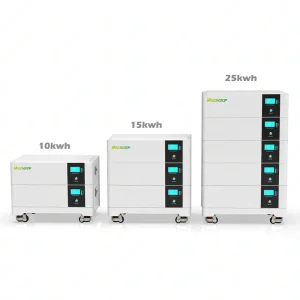
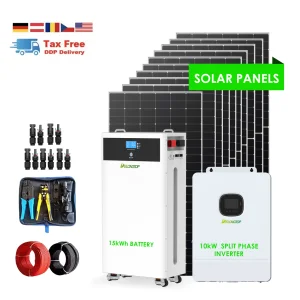
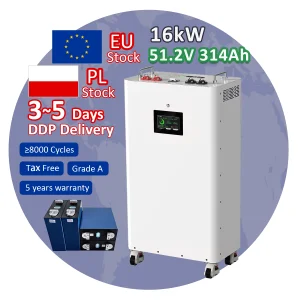
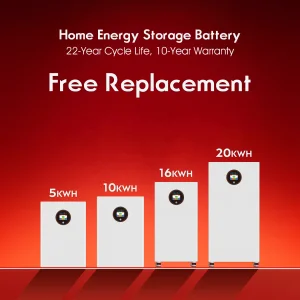
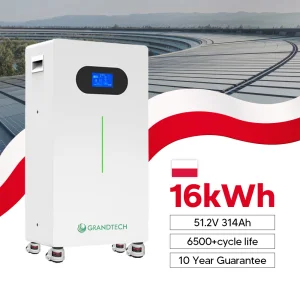
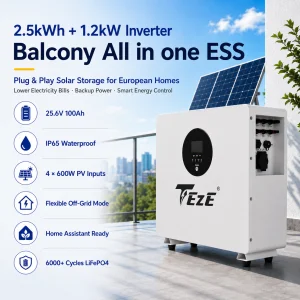
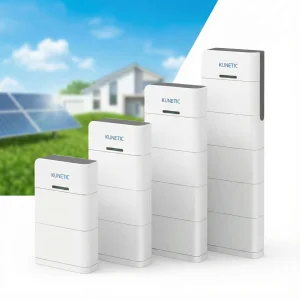
Low temperatures heavily impact standard Lithium-ion chemistries. To ensure seamless operation, systems deployed in Detroit utilize advanced Lithium Iron Phosphate (LiFePO4) chemistry, known for its thermal stability, long cycle life (often exceeding 6,000 to 8,000 cycles at 80% DoD), and safety profile. Our systems incorporate smart Battery Management Systems (BMS) with built-in thermal regulation, pre-heating technologies, and stackable modular architecture to allow easy expansion from 5 kWh to over 32 kWh.
Designed for estates, heavy industrial home offices, and multi-family units demanding scalable high-voltage storage capacities.
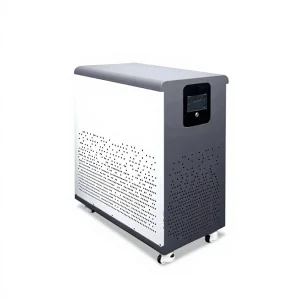
Guangdong Hudd Energy Co., Ltd. is a leading provider of renewable energy systems, battery storage innovations, and integrated clean energy setups globally. The company specializes in the development, manufacture, and deployment of advanced energy storage systems (ESS), solar PV applications, EV charging units, and smart solar-storage-charging integrations. We focus on delivering sustainable, highly efficient, and cost-effective power structures to developers, importers, and installers worldwide.
Beyond delivering off-the-shelf system designs, Hudd Energy provides comprehensive engineering customization. We assist our clients through all stages of project deployment, from layout blueprinting and battery chemistry matching, to custom-inverter configurations, programming, and long-term diagnostic optimization.
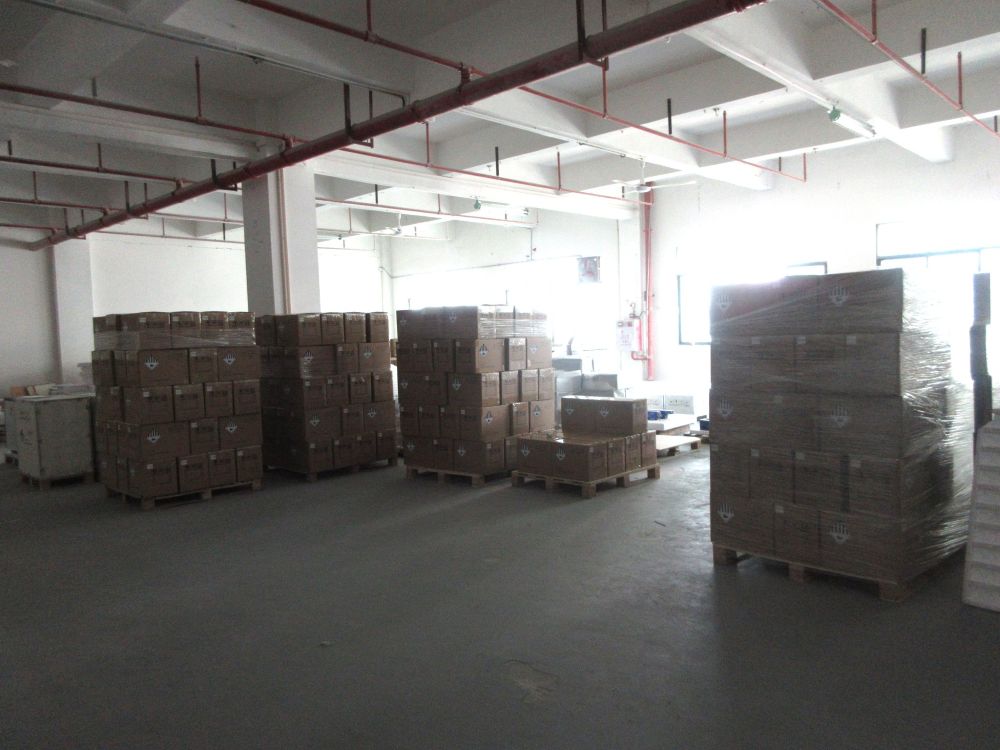
Benefiting from China's premier industrial and electronics manufacturing clusters, Hudd Energy maintains an optimized supply chain. We guarantee stable delivery parameters, strict component inspections, and competitive pricing structures. Furthermore, our corporate compliance matches the demanding trade frameworks of North America, facilitating seamless customs clearing and direct logistical routes into Michigan ports.
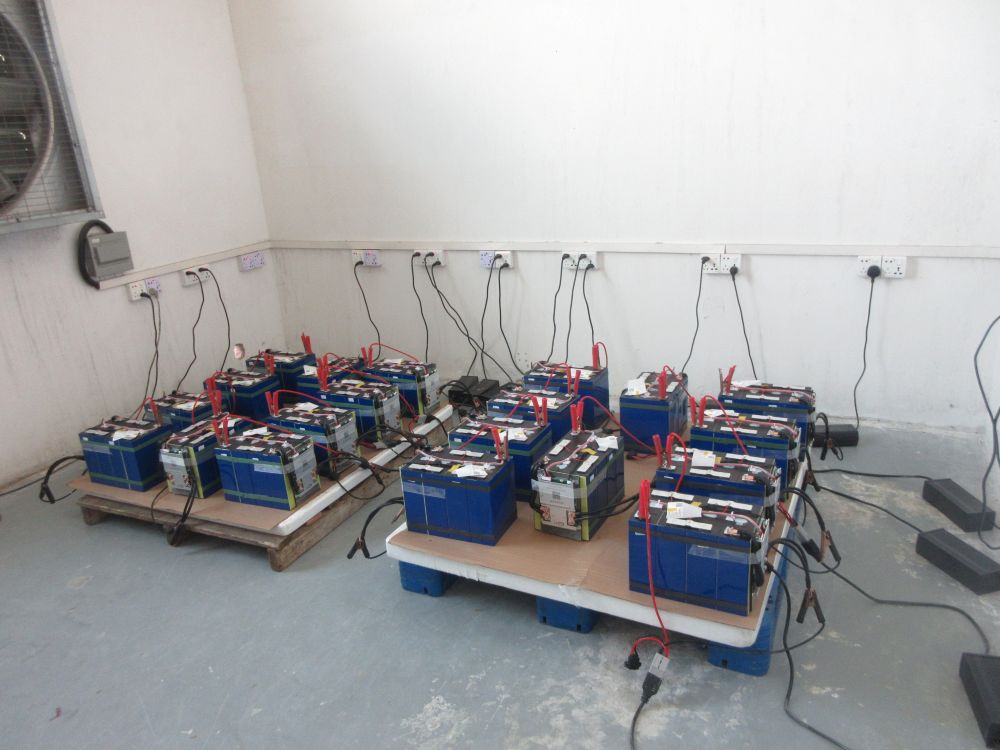
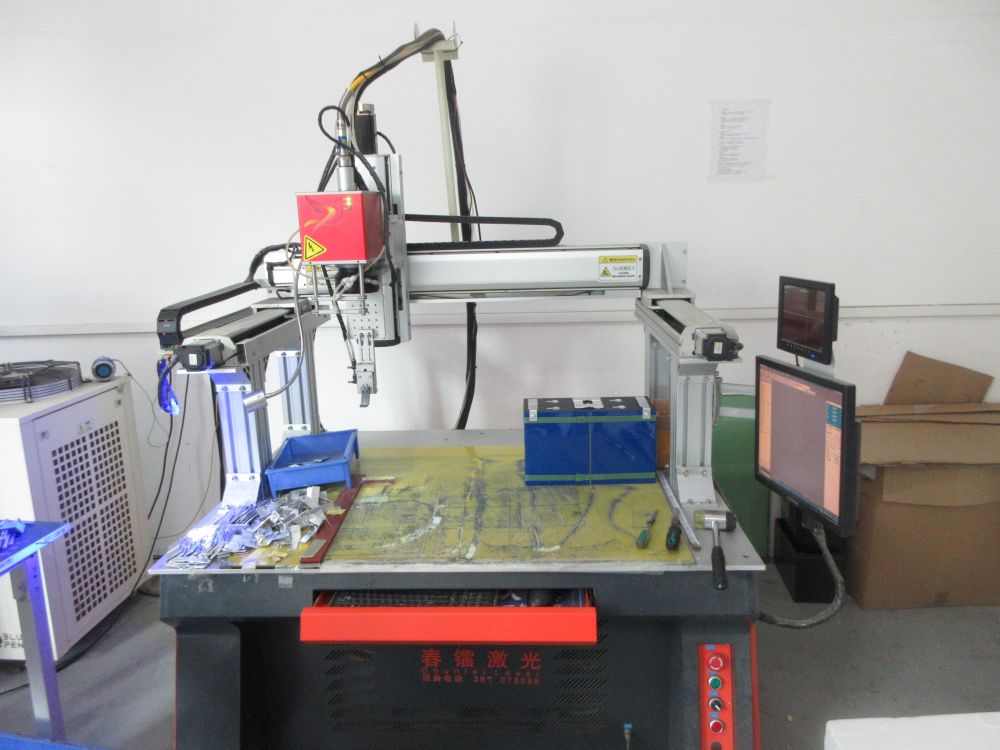
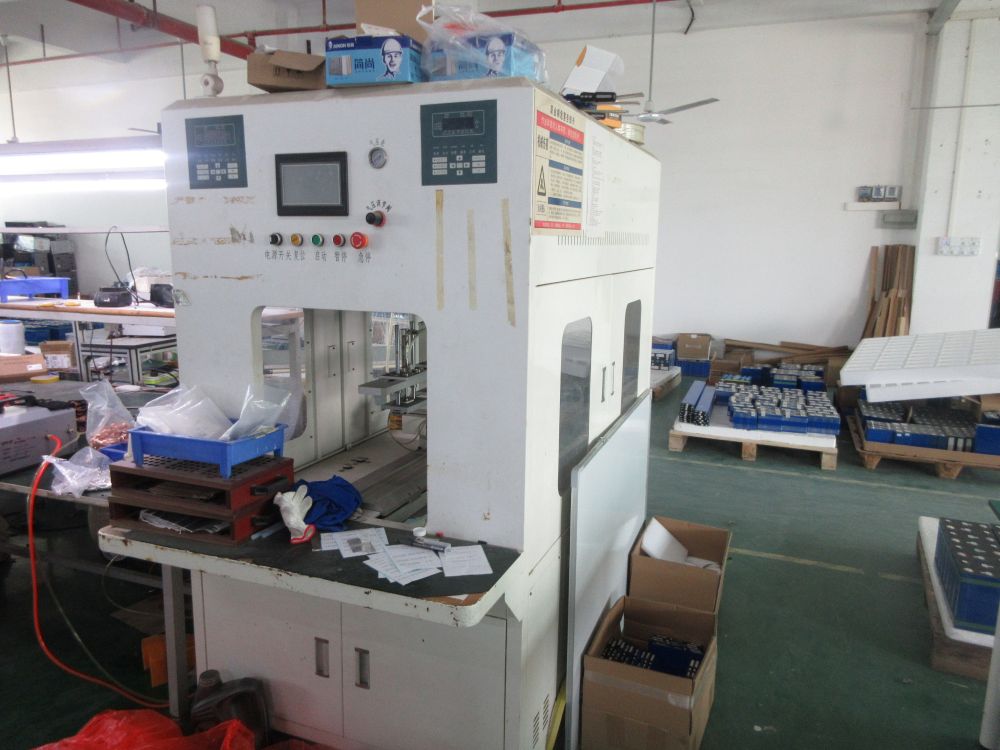
Every stage of production undergoes strict industrial evaluation to ensure reliable operation and prevent thermal runaway.
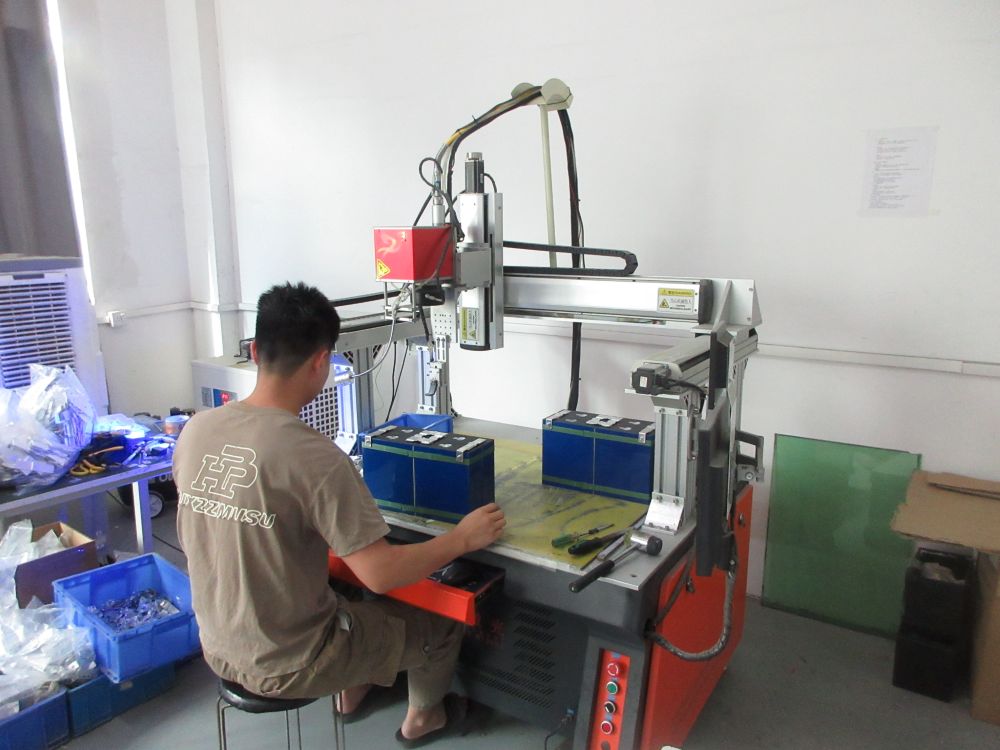
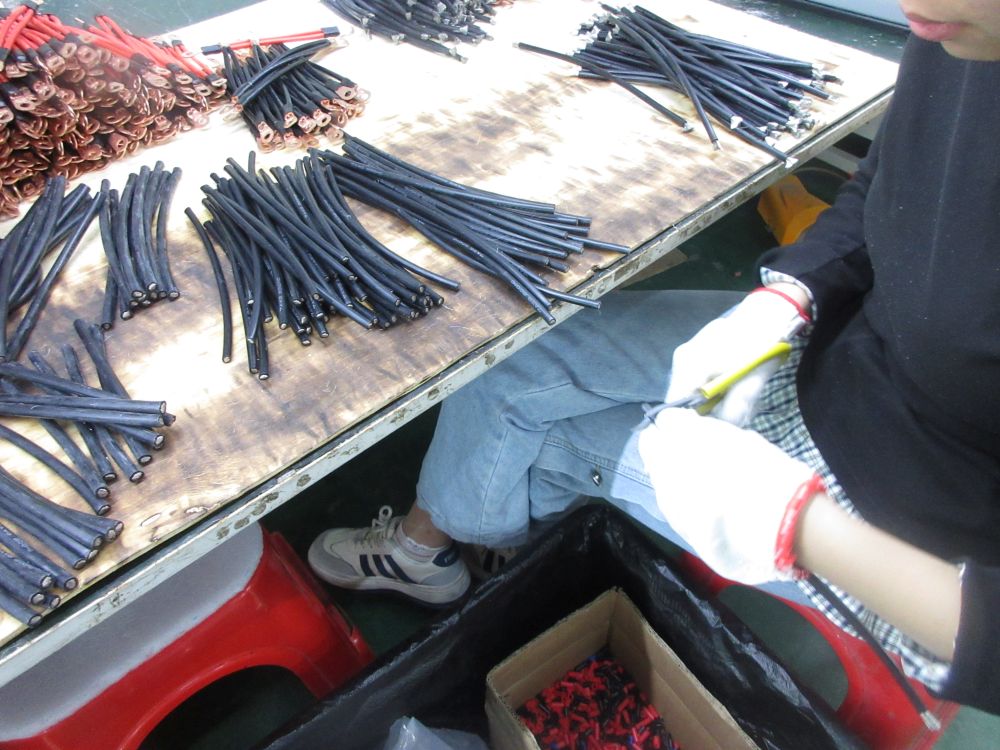
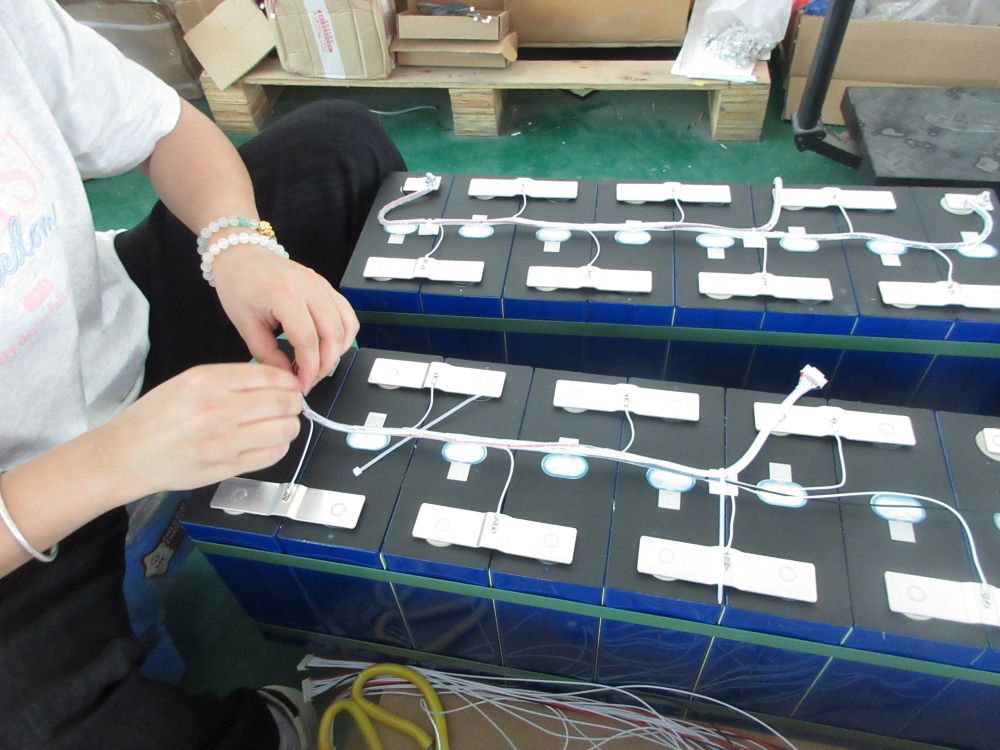
Essential insights for solar contractors, wholesale distributors, and battery developers sourcing residential storage systems from China.
Sourcing lithium-ion battery energy storage systems (ESS) for residential applications in Detroit, Michigan, requires strict adherence to federal and municipal safety regulations. State codes aligned with the National Electrical Code (NEC 2020/2023) dictate that home energy systems must be listed under UL 9540 (Standard for Energy Storage Systems and Equipment). This certificate confirms that the combined battery and inverter setup has undergone comprehensive thermal, electrical, and mechanical evaluation.
Additionally, local municipalities like the City of Detroit and surrounding counties require compliance with NFPA 855 (Standard for the Installation of Stationary Energy Storage Systems). This standard mandates specific fire protection systems, wall clearance metrics, and limits the maximum kilowatt-hour capacity per battery enclosure to 20 kWh in typical residential zones. Our systems are built with modular designs, enabling installers to configure multiple distinct blocks of 10-15 kWh to comply with local storage standards.
The financial structure of importing residential batteries from China requires careful planning. While Section 301 tariffs on Chinese batteries are a key consideration, buyers in Michigan can balance these import costs by utilizing the federal Inflation Reduction Act (IRA). Section 25D of the Internal Revenue Code provides a 30% tax credit for residential energy storage systems with a capacity of 3 kWh or greater, applicable to both stand-alone batteries and solar-integrated systems.
For commercial installations or multi-family housing projects in Detroit, Section 48 provides commercial energy credits, which can be further optimized if local domestic assembly requirements or low-income community criteria are met. Guangdong Hudd Energy Co., Ltd. works closely with experienced customs brokers to provide precise Harmonized Tariff Schedule (HTS) classification codes, minimizing delay and ensuring cost-effective import processing.
Crucial technical, safety, and logistical queries answered by our senior engineering and supply chain department.
Explore our complete range of certified batteries and system components designed to deliver reliable home backup and maximize solar utilization.
 Hudd Energy