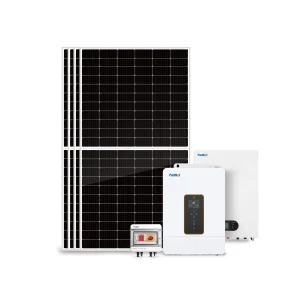
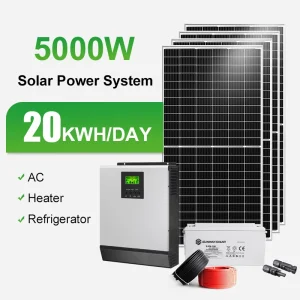
Highly adapted for commercial continuity, extreme climate reliability, and micro-grid performance configurations.
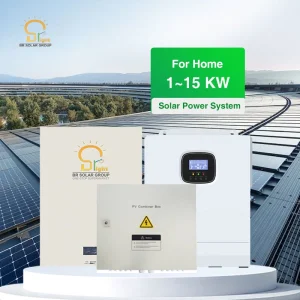
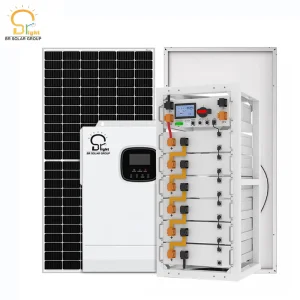
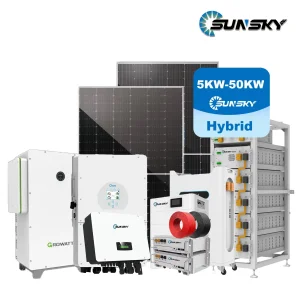
A technological assessment of microgrids, battery energy storage systems (BESS), and supply chain optimizations for South Korea's metropolitan and industrial hubs.
As Seoul accelerates its Net-Zero 2050 initiatives, the reliance on traditional centralized grid systems presents significant risk points—particularly for high-tech manufacturing, logistics hubs, and residential zones susceptible to transmission line constraints. High urban density, strict safety regulations, and demanding peak loads require specialized off-grid solar power systems that offer both high energy density and uncompromising thermal stability.
By bypassing standard grid-tied vulnerabilities, localized off-grid setups provide commercial properties in Seoul with uninterrupted operation, protection from peak-demand tariffs, and seamless integration with localized Energy Storage Systems (ESS) featuring LiFePO4 chemistry.
Ensuring constant voltage and frequency control for high-precision electronics manufacturing and automated assembly lines in Seoul's surrounding industrial districts.
Integrating solar-storage-charging dynamics to reduce load pressure on Kepco’s local substations while optimizing peak load shaving strategies.
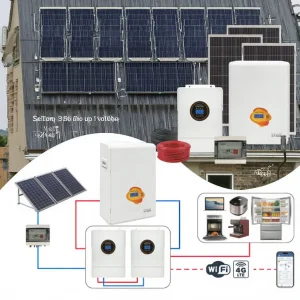
Providing high-capacity (15kW to 30kW) decentralized clean energy setups equipped with smart hybrid inverters that manage zero-grid feeding configurations.
Modern off-grid deployment focuses heavily on software-defined power conversion. Through advanced MPPT algorithms, bidirectional inverter integrations, and cloud-monitored Battery Management Systems (BMS), systems can now deliver operational lifespans exceeding 15 years with minimal maintenance. Future-proofing systems in Seoul requires selecting architectures compatible with Virtual Power Plant (VPP) communications protocols and emergency-backup bypasses.
High-efficiency N-Type TOPCon PV modules capturing maximum irradiance even in low-light Seoul winters.
Industrial-grade MPPT charge controllers and pure sine wave hybrid inverters minimizing conversion loss to under 2%.
Grade-A LiFePO4 battery banks featuring comprehensive thermal runaway management and integrated smart BMS.
Autonomous energy management software dynamically distributing power between critical loads and backup storage.
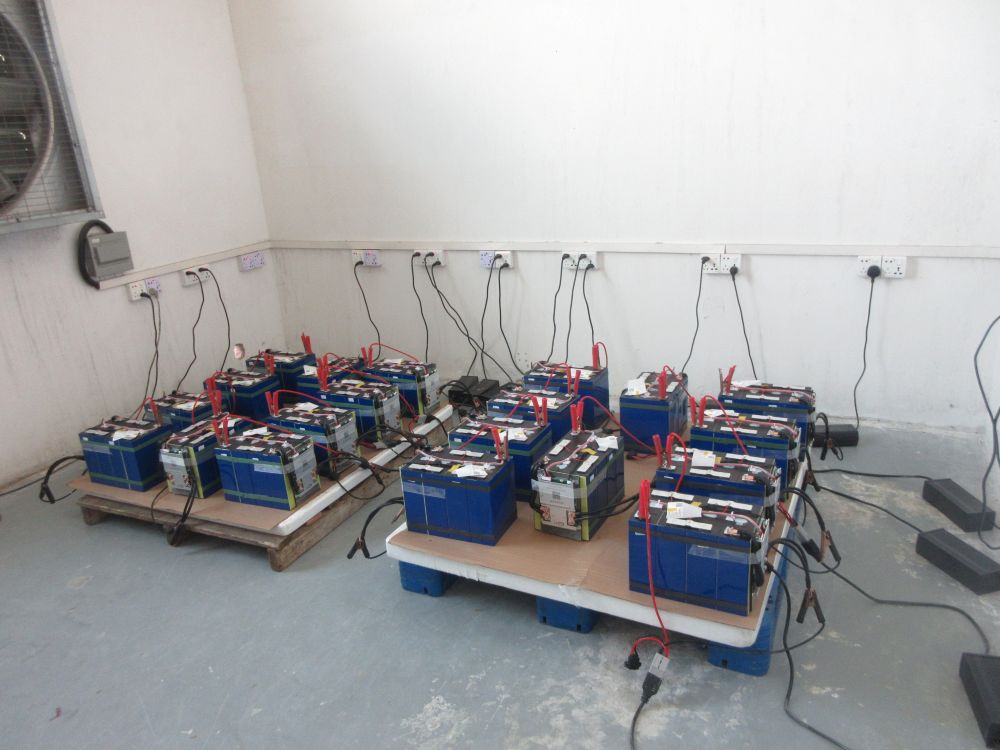
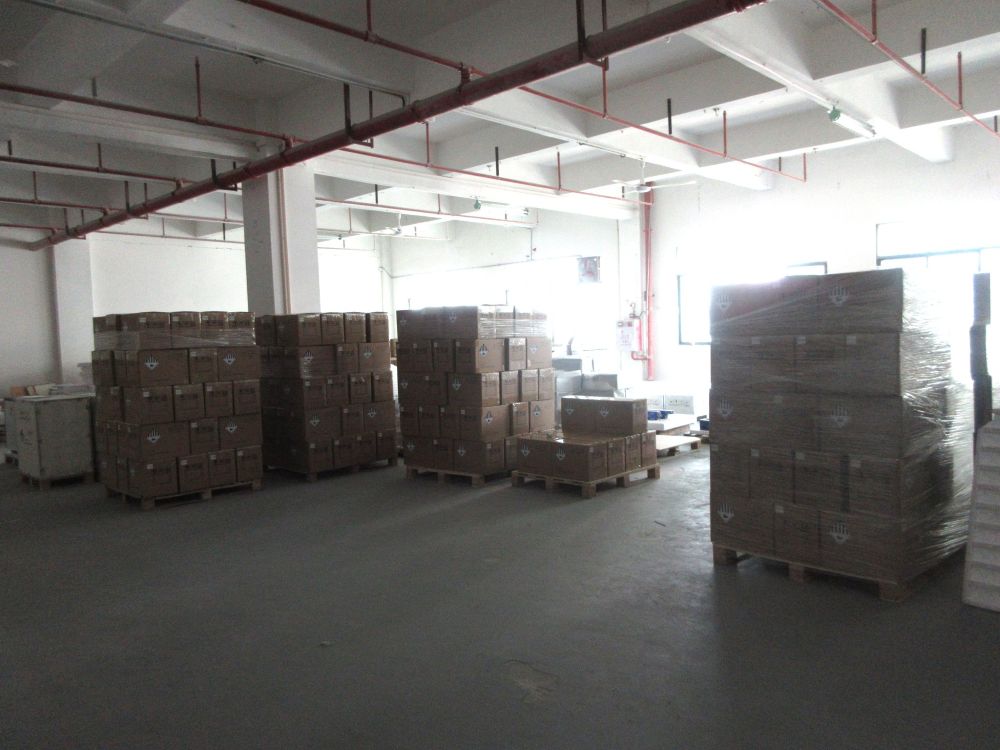
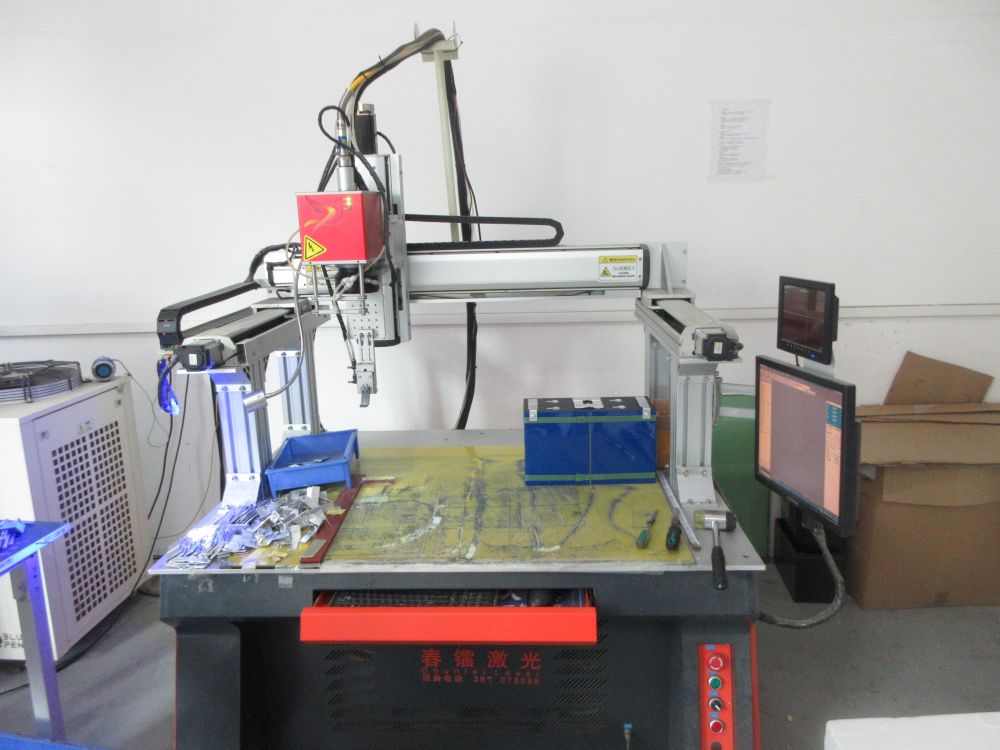
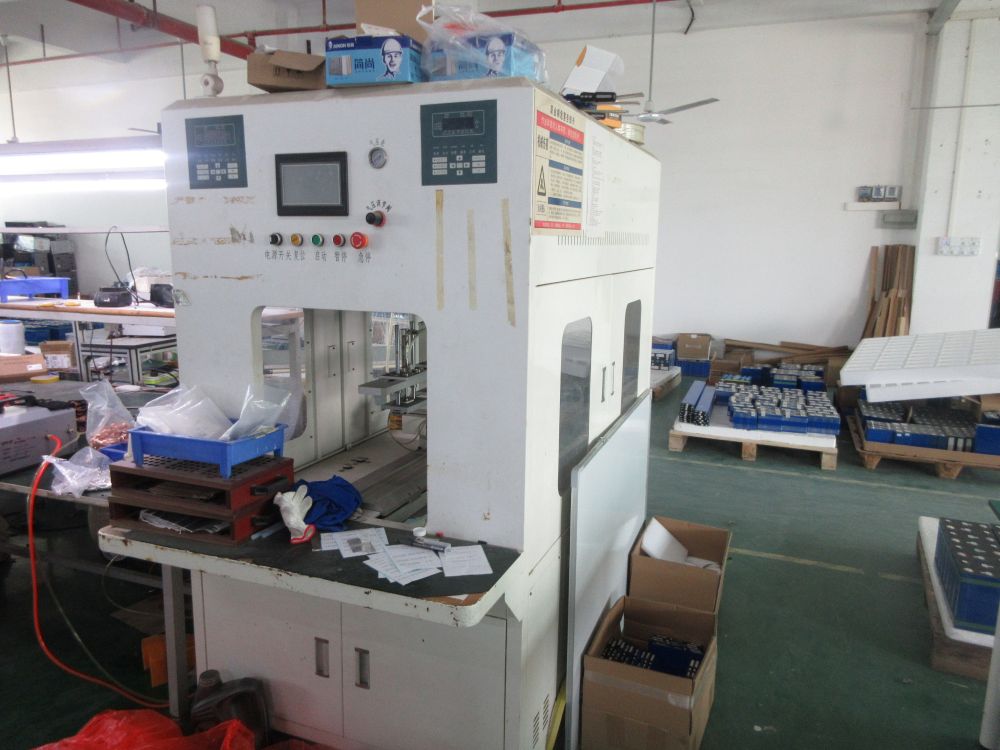
How our advanced manufacturing plants ensure premium quality, high throughput, and reliable shipment schedules to Seoul.
Through state-of-the-art precision welding, automated terminal crimping, and rigid multi-stage charging/discharging validation, our factories achieve consistent quality and short lead times. Discover our core manufacturing steps below:
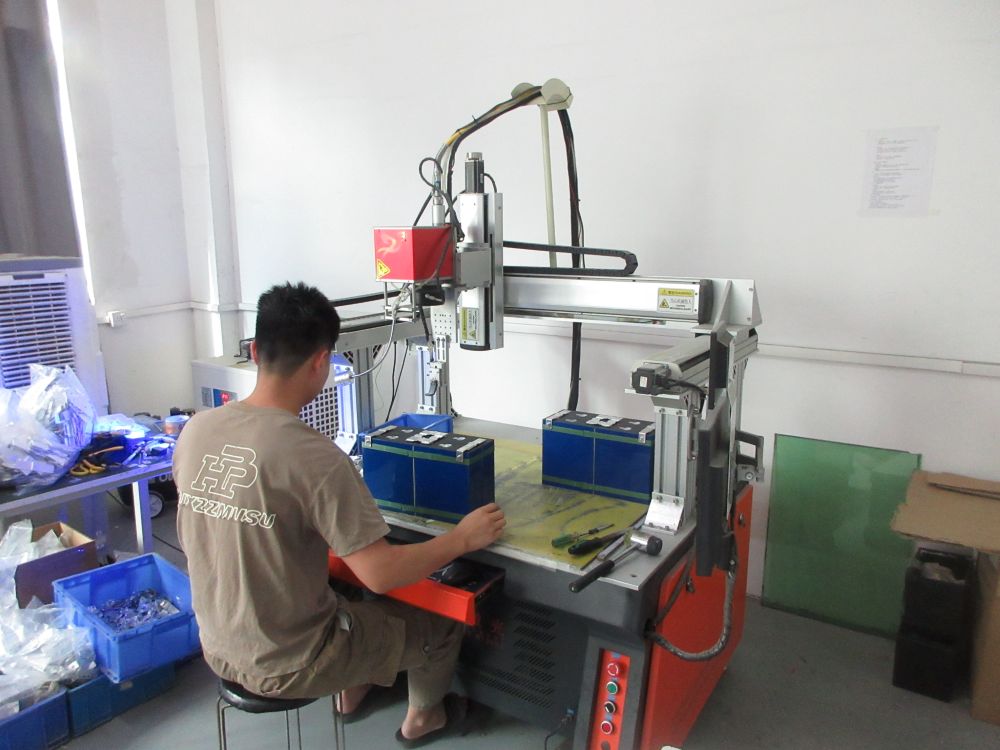
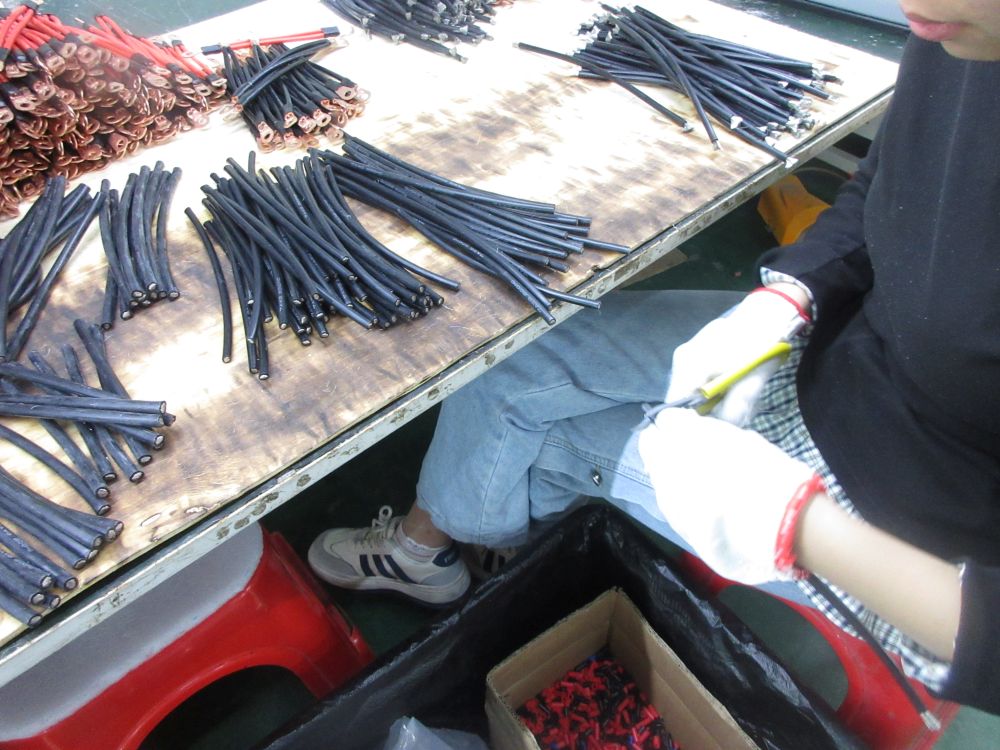
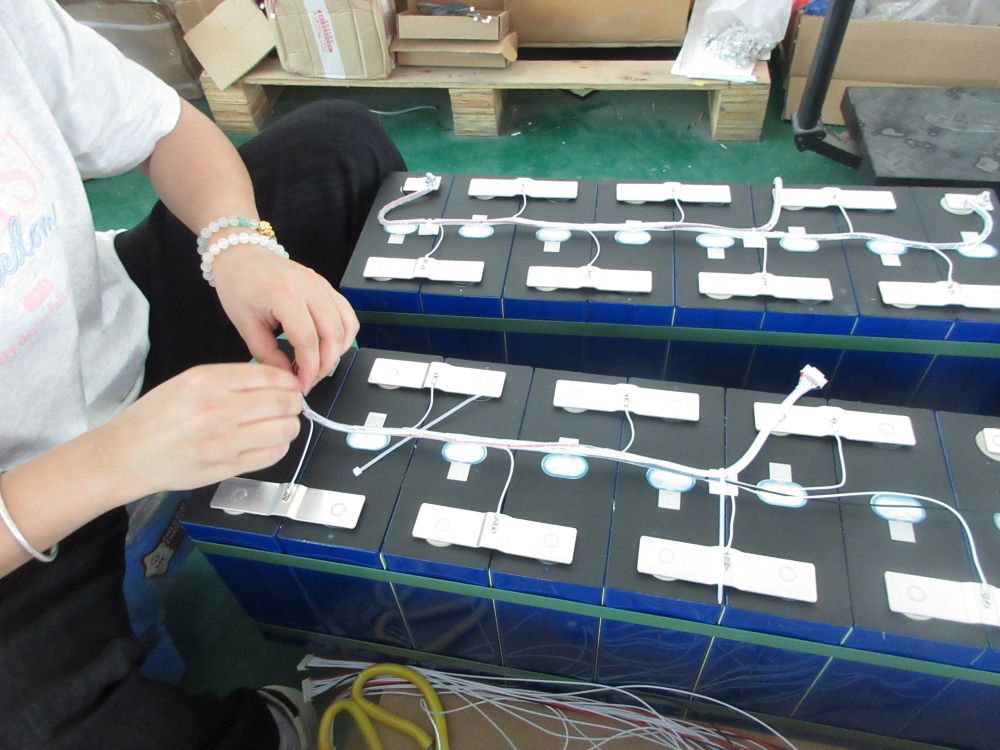
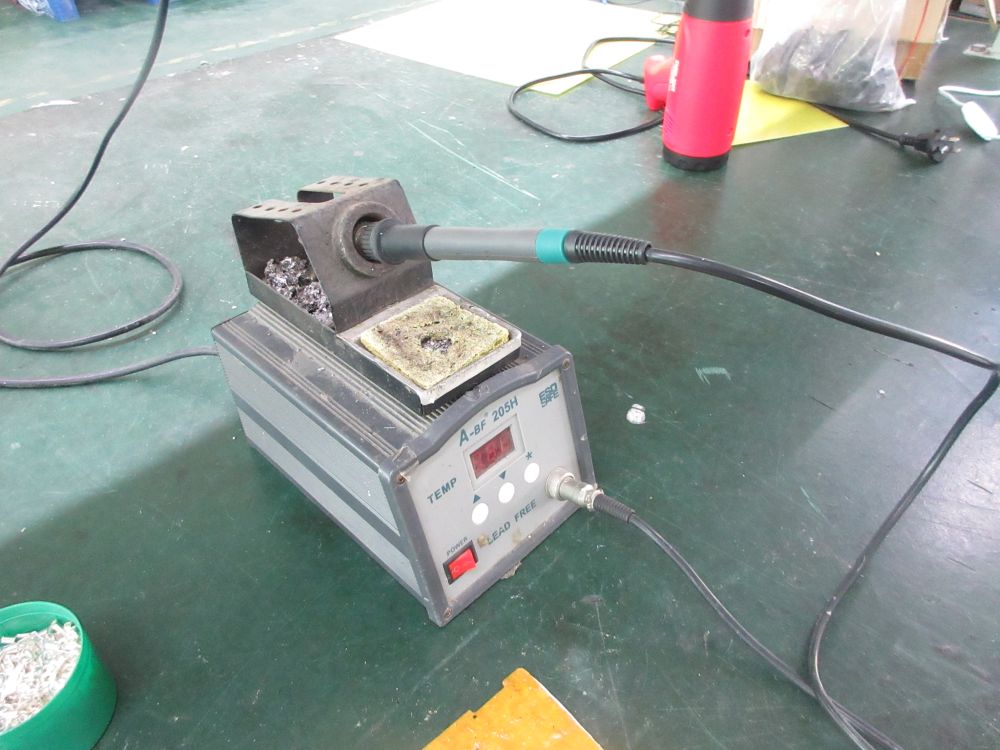
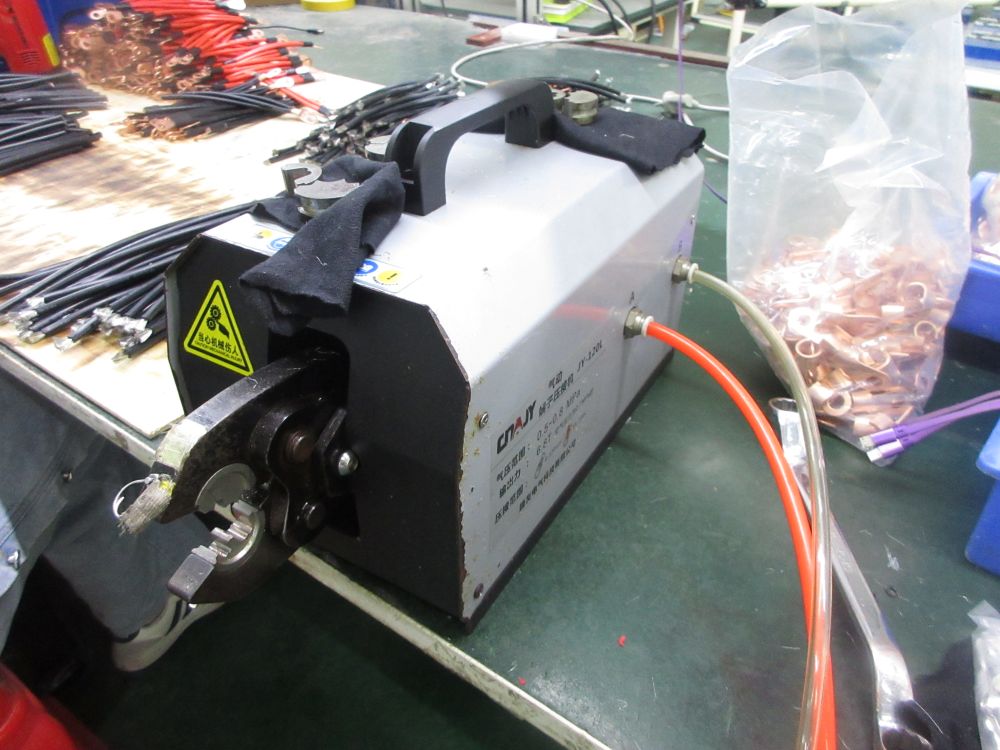
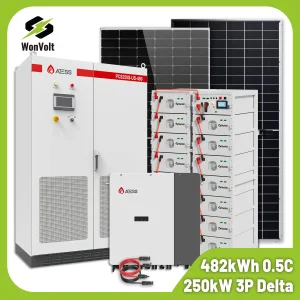
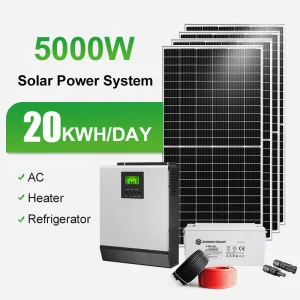
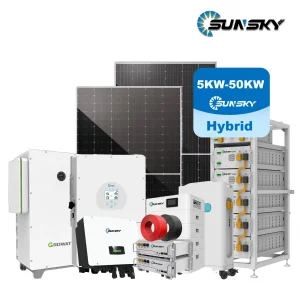
Scalable turnkey systems configuration spanning 3kW to over 250kW+ customized systems.
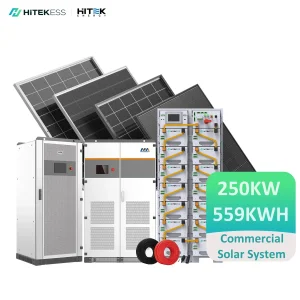
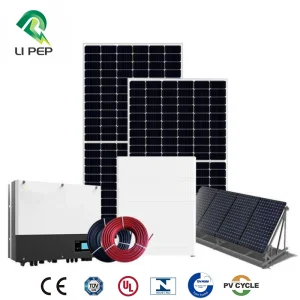
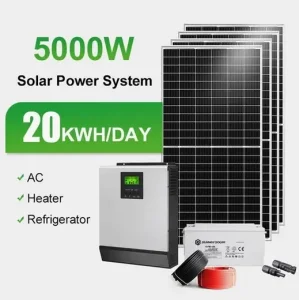
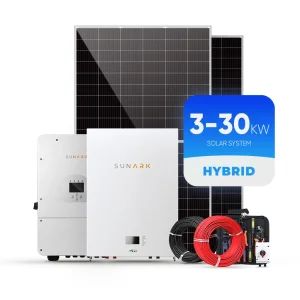
Addressing standard KC certifications, port logistics, and system integration details for the Korean market.
 Hudd Energy