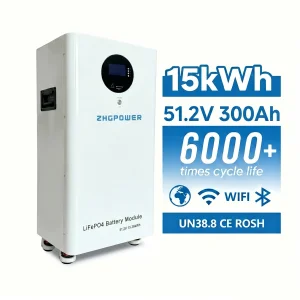
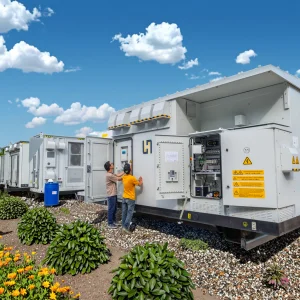
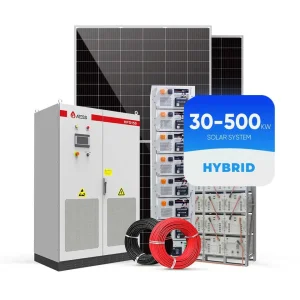
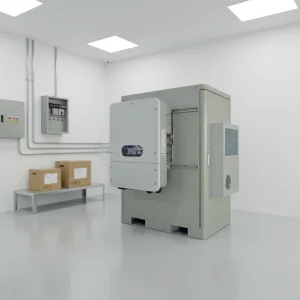
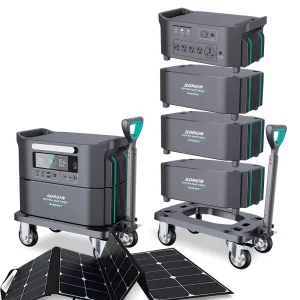
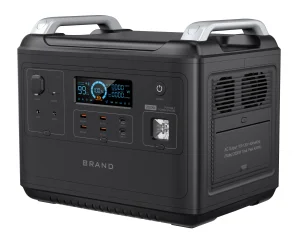
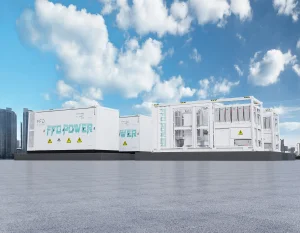
Explore our leading selection of high-efficiency hardware designed for Zero Energy Buildings (ZEB) infrastructure. This selection focuses on fast charging, commercial-grade containerized battery storage, and premium photovoltaic panels optimized for clean energy self-consumption.
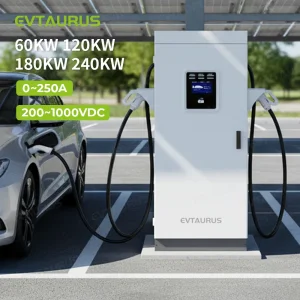
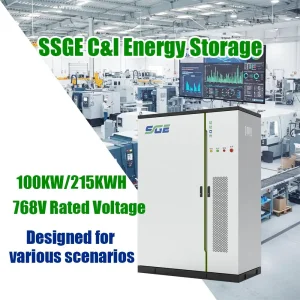
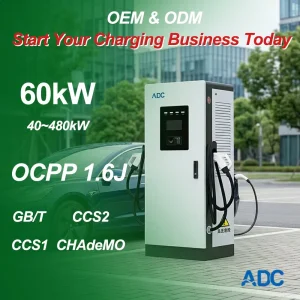
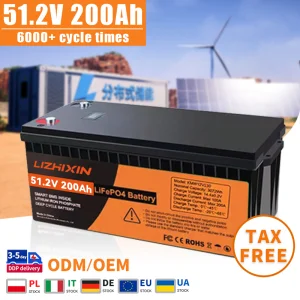
A Zero Energy Building (ZEB), or Net-Zero Energy Building (NZEB), represents the pinnacle of modern architectural sustainability. By definition, these buildings produce as much energy as they consume over the course of a year. Achieving this balance is not merely about passive insulation; it requires the deployment of sophisticated energy technologies that function harmoniously. The core building blocks include high-output solar photovoltaic systems, smart hybrid inverters, battery energy storage systems (BESS), and bidirectional electric vehicle charging infrastructures.
Maximizing natural illumination and insulation levels to minimize structural energy consumption, while simultaneously employing active energy recovery devices (like heat pumps and smart lighting) to eliminate grid-reliance loops.
Utilizing commercial lithium iron phosphate (LiFePO4) storage arrays to capture daylight solar overproduction. These systems support peak shaving and maintain standard operational current levels during low-light periods.
Integrating charging platforms that act as auxiliary batteries. Vehicles parked in commercial zones feed energy back into the building’s local microgrid during peak load hours, supporting system balance.
Global procurement teams recognize that sourcing ZEB components from China offers significant structural advantages that extend beyond competitive pricing. As the global leader in battery technology and PV module manufacturing, China’s industrial ecosystem provides:
Guangdong Hudd Energy Co., Ltd. is a professional provider of renewable energy products, energy storage solutions, and integrated smart energy systems. The company specializes in the development, supply, and integration of advanced energy storage systems (ESS), solar power solutions, EV charging infrastructure, and integrated solar-storage-charging stations, delivering efficient, reliable, and sustainable energy solutions to customers worldwide.
Beyond supplying individual products, Hudd Energy offers comprehensive system integration services tailored to diverse project requirements. Leveraging extensive industry expertise, the company provides end-to-end support covering solution design, equipment selection, system integration, project management, commissioning, and after-sales services. This enables customers to implement optimized energy solutions with enhanced efficiency, performance, and long-term reliability.
With strong partnerships across China's manufacturing ecosystem, Hudd Energy benefits from a robust and competitive supply chain, ensuring high-quality products, stable delivery schedules, and cost-effective solutions. The company also maintains strategic cooperation with financial institutions and banking partners, providing flexible trade finance support and secure transaction services to facilitate the successful execution of international projects.
Hudd Energy's product portfolio serves a wide range of applications, including residential, commercial, industrial, utility-scale energy storage projects, electric vehicle charging networks, and distributed renewable energy systems. The company is committed to helping customers reduce energy costs, improve energy independence, and achieve their sustainability goals.
Over the years, Guangdong Hudd Energy has successfully expanded its presence in international markets, particularly in Southeast Asia, South America, the Middle East, and Africa, earning the trust and recognition of clients through reliable products, professional services, and long-term partnerships. Looking ahead, Guangdong Hudd Energy Co., Ltd. will continue to drive innovation in clean energy technologies, strengthen its global market presence, and contribute to the worldwide transition toward a greener, smarter, and more sustainable energy future.
Precision manufacturing processes ensure the high reliability and longevity required for zero-energy building applications. Below is an overview of our specialized production stages, assembly steps, and testing stations.
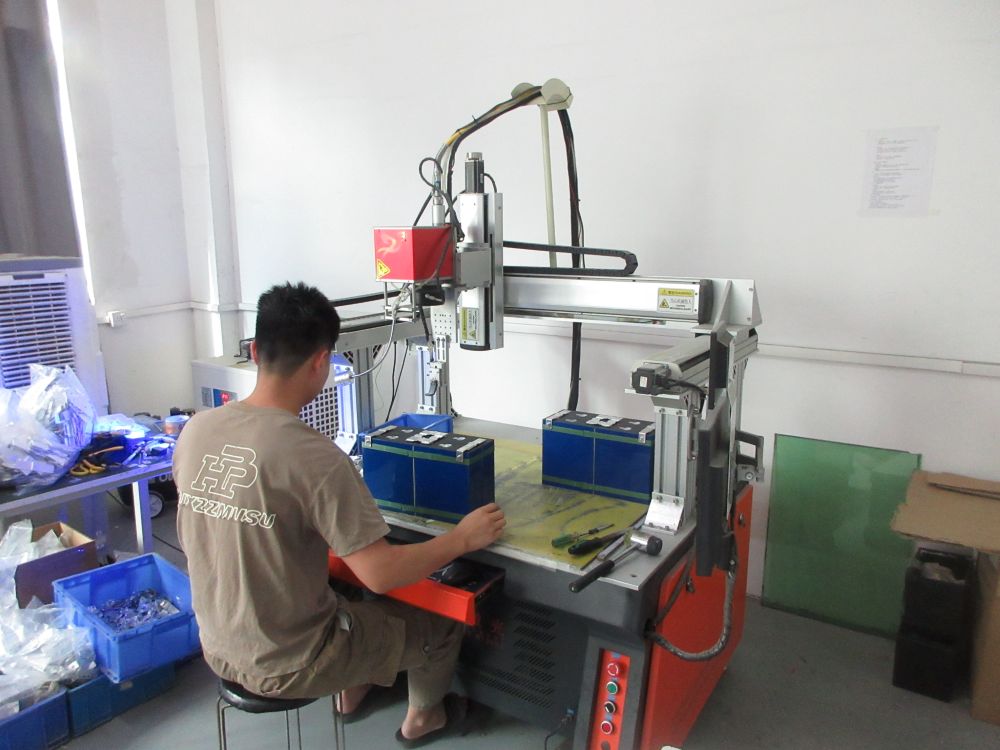

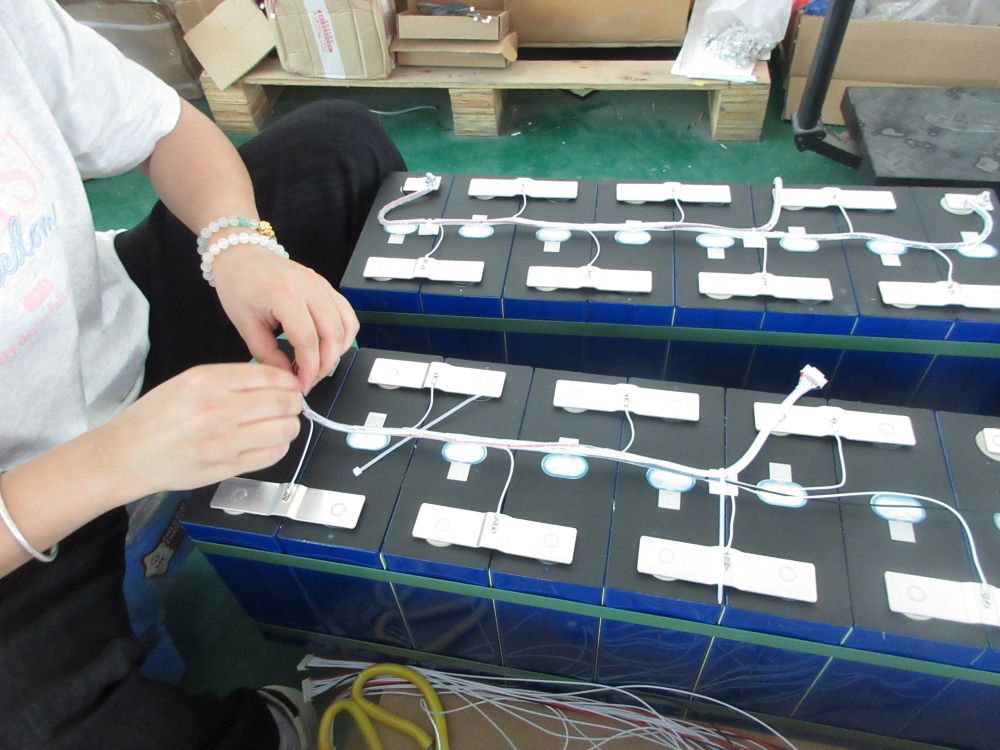
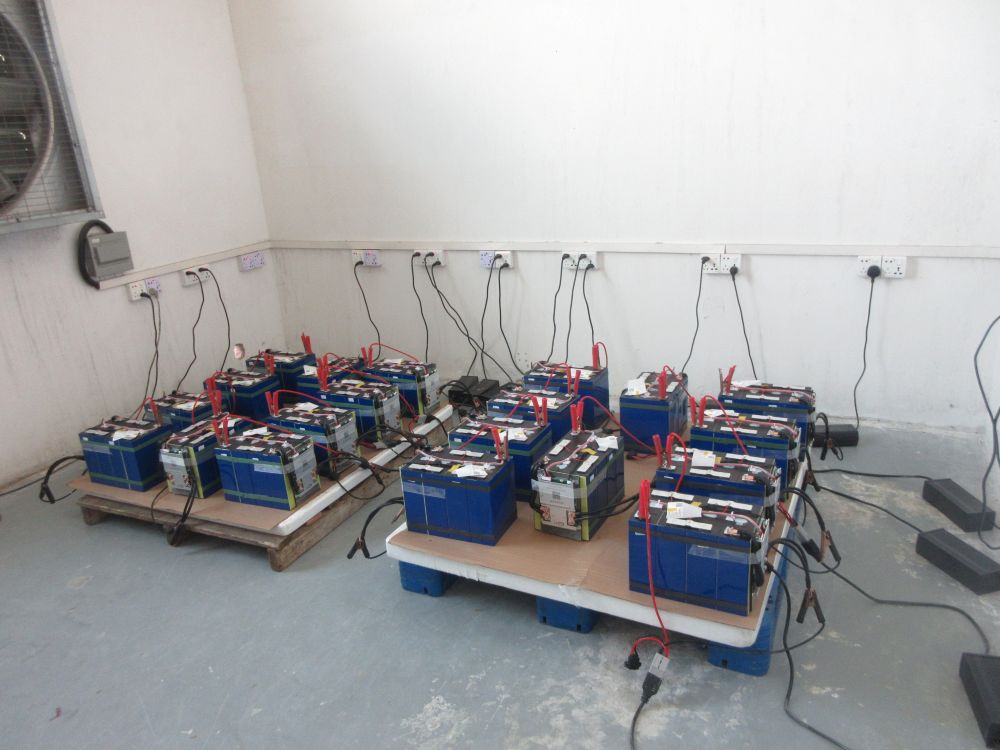
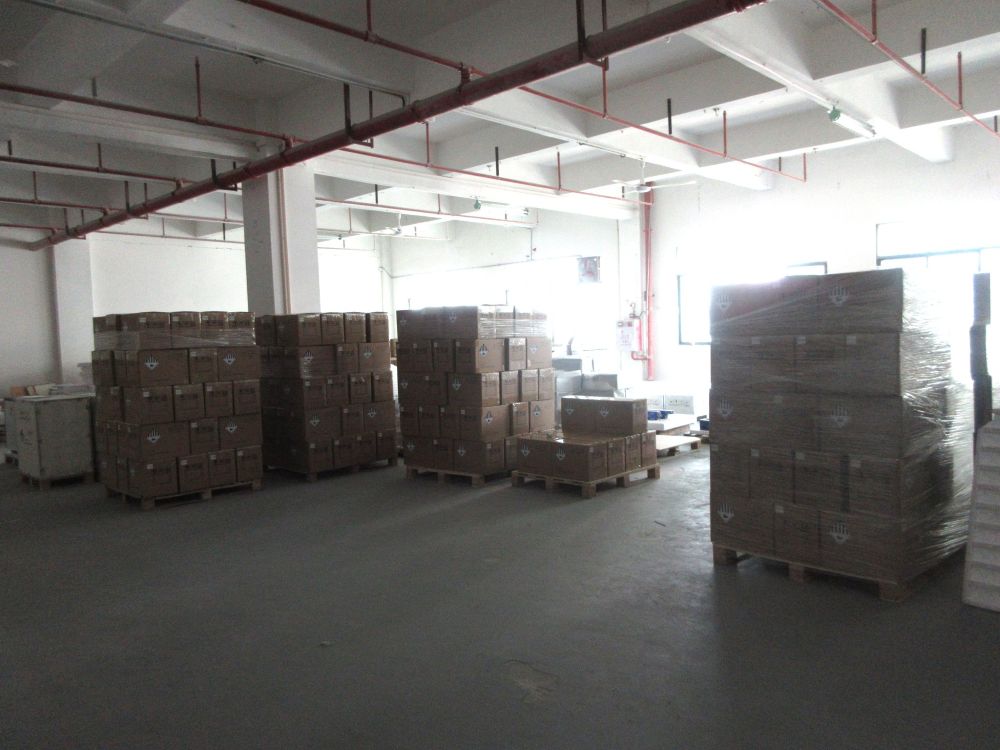
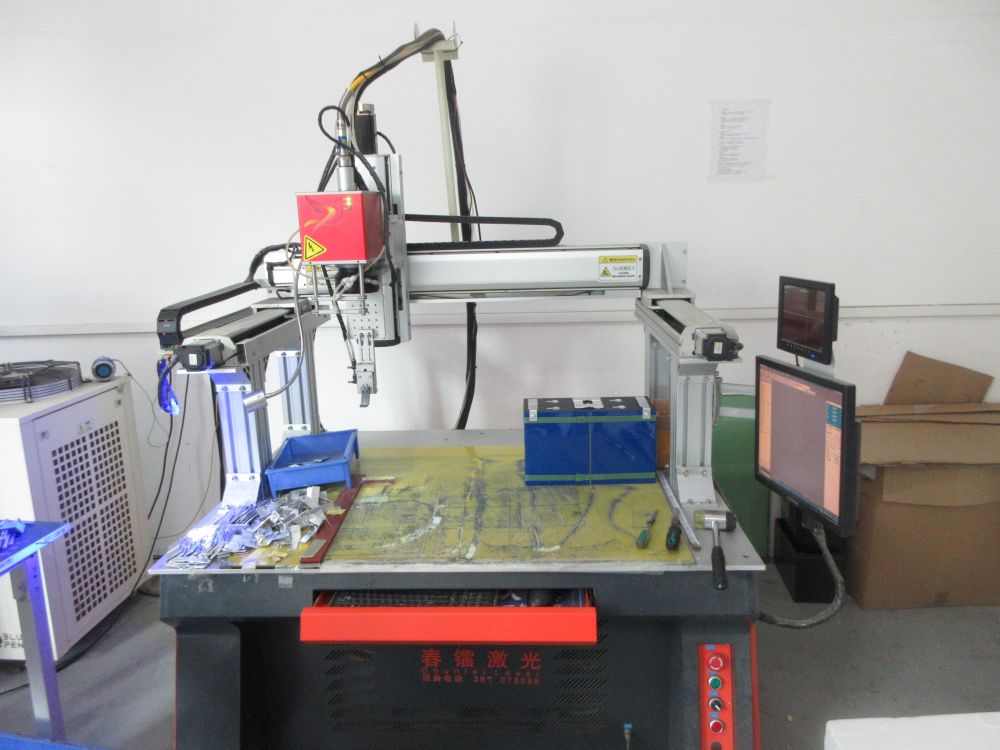
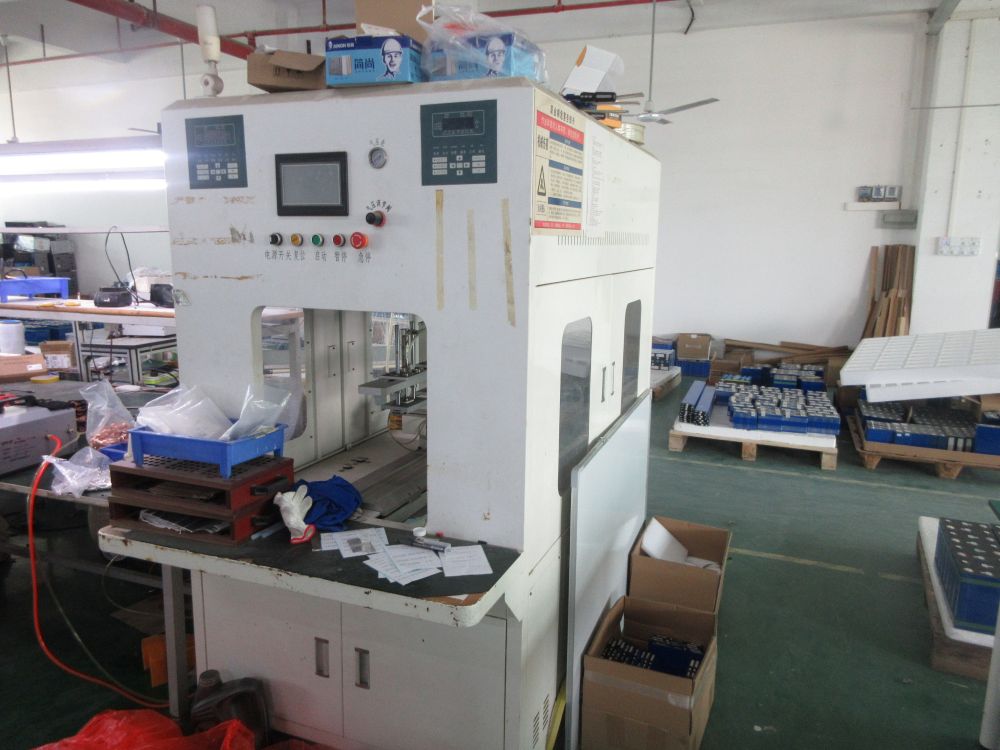
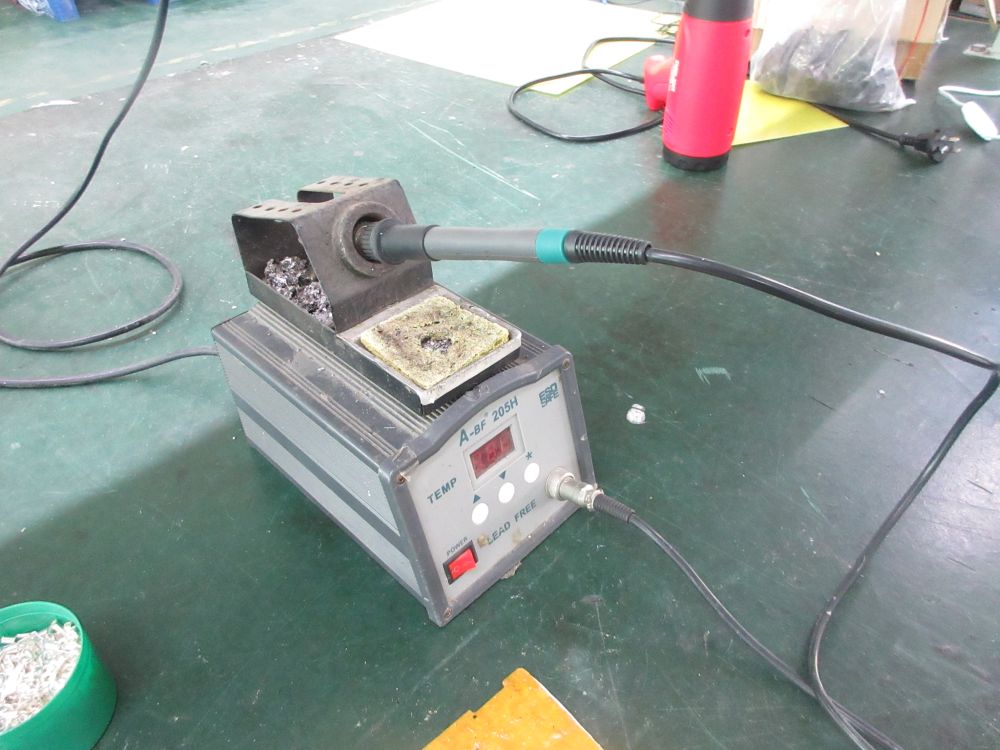
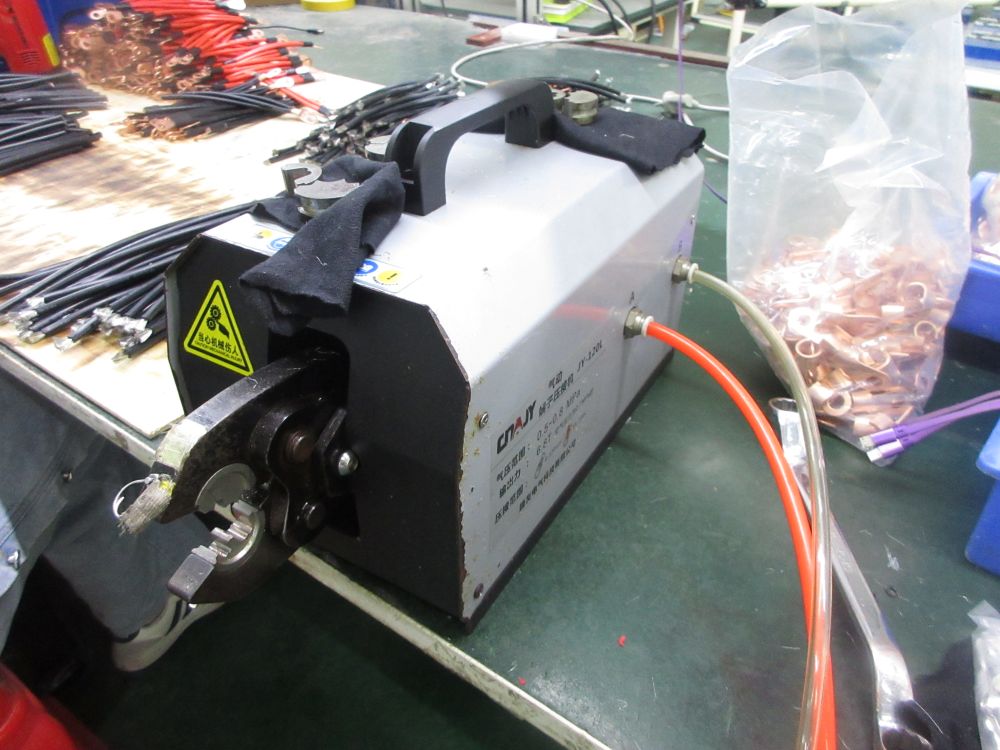
Achieving net-zero operational standards requires custom, integrated solutions tailored to different building types. Below are three deployment scenarios optimized for modern engineering projects:
Designed for manufacturing plants and logistics hubs. By combining 500kW+ Tier-1 solar panels with liquid-cooled BESS containers (such as the 3.13MWh TOPBAND or 5MWh container systems), warehouses can run entirely off-grid during daytime peak tariffs and shift excess power to cover evening logistics operations.
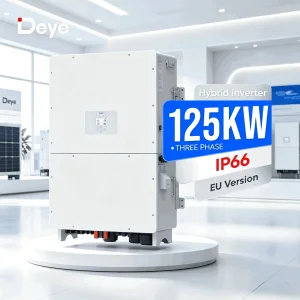
Integrates rooftops covered with high-efficiency PV arrays alongside multi-voltage EV charging networks. This solution utilizes 120kW CCS2 DC charging stations paired with hybrid commercial inverters (like the Deye 100kW/125kW). This configuration maximizes solar energy self-consumption while optimizing grid charging schedules.
For hospitality developments in remote locations, a hybrid energy storage system (such as the 100kWh Air Cooling ESS or modular 51.2V LiFePO4 battery banks) delivers clean power. This configuration helps eliminate dependency on diesel generators, significantly reducing fuel transportation costs and noise pollution.
International procurement teams evaluating component suppliers for Zero Energy Buildings focus on key performance indicators (KPIs) to ensure long-term ROI and system stability:
The Levelized Cost of Storage (LCOS) is the standard metric for energy storage solutions. By utilizing LFP chemistry and long-cycle cells (exceeding 6,000 cycles at 80% DoD), operators can achieve an LCOS under $0.05/kWh, accelerating project payback.
Urban building safety standards require containerized storage units to feature multi-tier safety controls. Advanced systems incorporate liquid cooling, aerosol fire-suppression systems, and smart gas detection sensors to prevent thermal runaway.
Seamless integration relies on standard communication interfaces. Incorporating Modbus TCP, CANbus, and OCPP 1.6j/2.0.1 protocols ensures hardware compatibility with third-party Energy Management Systems (EMS) and building management platforms.
The Net-Zero energy landscape continues to evolve, driven by advancements in material sciences and software automation:
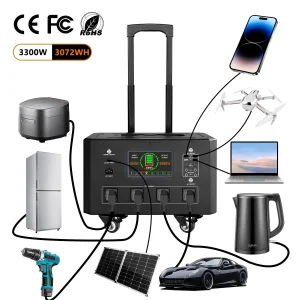
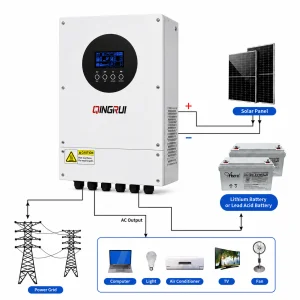
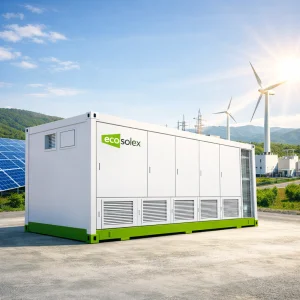
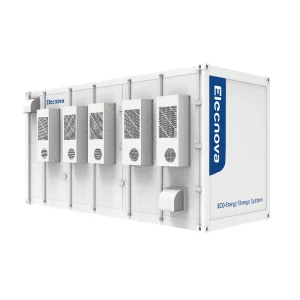
Browse our secondary selection of premium energy components. This group includes high-efficiency hybrid inverters, megawatt-scale liquid-cooled containerized systems, and portable power stations designed for flexible energy deployment.
 Hudd Energy