Underpinning the transition to dynamic smart grids and commercial electrification via state-of-the-art energy architectures.
The global battery sector is experiencing an unprecedented structural transition. Standard chemistries such as traditional Lead-Acid are rapidly being phased out due to environmental constraints, low energy density, and high lifecycle cost. Concurrently, Cobalt-based lithium chemistries face critical ethical, safety, and raw material supply chain challenges. This has positioned Lithium Iron Phosphate (LiFePO4) as the global gold standard for stationary energy storage systems (ESS).
Additionally, emerging Sodium-Ion technologies are entering the commercial market, promising low-temperature resiliency, abundant raw materials, and enhanced safety profile. By leveraging advanced cathode structural engineering, we ensure that our batteries maintain robust performance over long lifespans, lowering the levelized cost of storage (LCOS) for utility-scale operators.
A battery cell is only as secure as the intelligence managing it. Modern energy landscapes require active, triple-layered protection schemas integrated directly within the BMS. Our system integration platform incorporates real-time electrochemical state estimations (State of Charge - SoC, State of Health - SoH), active balancing topologies, and cloud-assisted prognostic algorithms.
This allows industrial operators to predict potential thermal runway indicators days before anomaly emergence, while facilitating high-speed communication with solar inverters (via CAN/RS485/Modbus protocols). The integration of intelligent EMS (Energy Management Systems) ensures seamless load leveling and peak shaving in complex distributed networks.
Information Gain Highlight: By designing multi-tier structural architectures featuring direct cell-to-pack (CTP) integration, we eliminate redundant support metals, resulting in a volumetric efficiency increase of 15% compared to traditional modular assembly configurations.
Your Premier Global Partner in Renewable Energy Engineering, System Integration, and Advanced Supply Chain Management.
Guangdong Hudd Energy Co., Ltd. is a professional provider of renewable energy products, energy storage solutions, and integrated smart energy systems. The company specializes in the development, supply, and integration of advanced energy storage systems (ESS), solar power solutions, EV charging infrastructure, and integrated solar-storage-charging stations, delivering efficient, reliable, and sustainable energy solutions to customers worldwide.
Beyond supplying individual products, Hudd Energy offers comprehensive system integration services tailored to diverse project requirements. Leveraging extensive industry expertise, the company provides end-to-end support covering solution design, equipment selection, system integration, project management, commissioning, and after-sales services. This enables customers to implement optimized energy solutions with enhanced efficiency, performance, and long-term reliability.
With strong partnerships across China's manufacturing ecosystem, Hudd Energy benefits from a robust and competitive supply chain, ensuring high-quality products, stable delivery schedules, and cost-effective solutions. The company also maintains strategic cooperation with financial institutions and banking partners, providing flexible trade finance support and secure transaction services to facilitate the successful execution of international projects.
Hudd Energy's product portfolio serves a wide range of applications, including residential, commercial, industrial, utility-scale energy storage projects, electric vehicle charging networks, and distributed renewable energy systems. The company is committed to helping customers reduce energy costs, improve energy independence, and achieve their sustainability goals.
Over the years, Guangdong Hudd Energy has successfully expanded its presence in international markets, particularly in Southeast Asia, South America, the Middle East, and Africa, earning the trust and recognition of clients through reliable products, professional services, and long-term partnerships. Looking ahead, Guangdong Hudd Energy Co., Ltd. will continue to drive innovation in clean energy technologies, strengthen its global market presence, and contribute to the worldwide transition toward a greener, smarter, and more sustainable energy future.
A visual tour of our production floor illustrating the standard operating procedures and advanced machinery utilized in battery pack assembly.
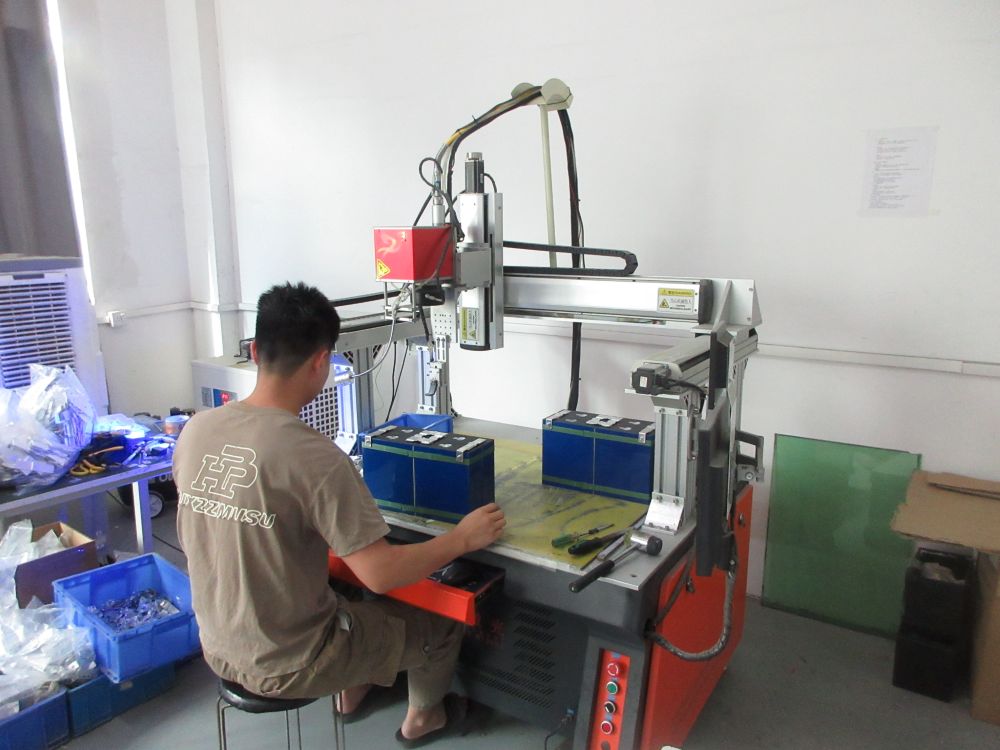 Laser Spot Welding
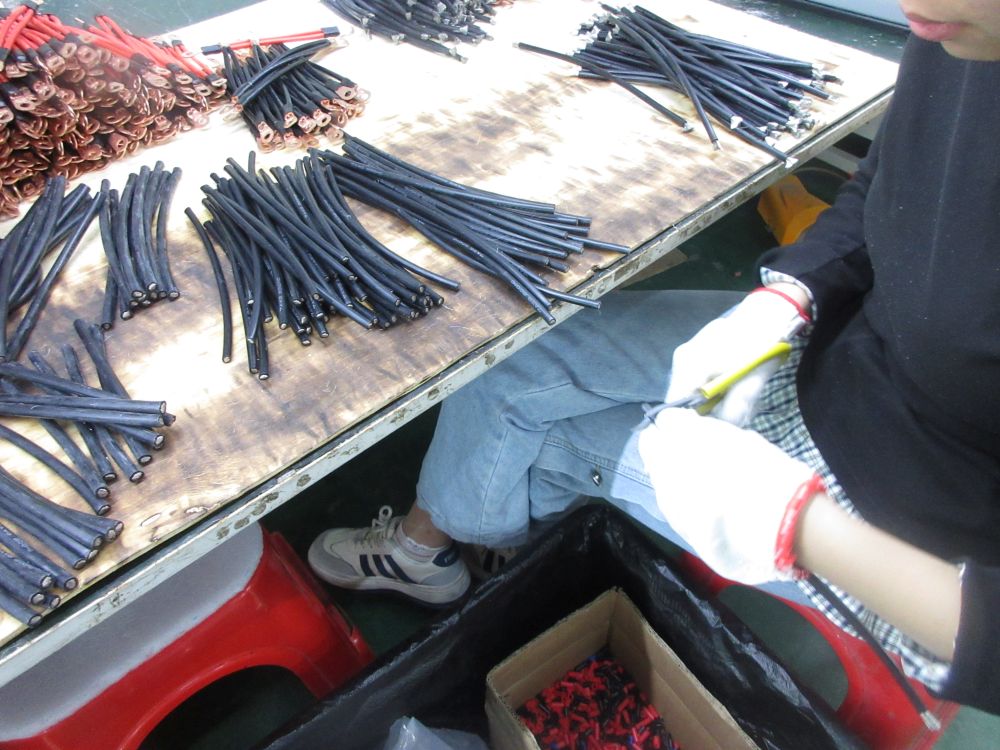 Cutting Wire
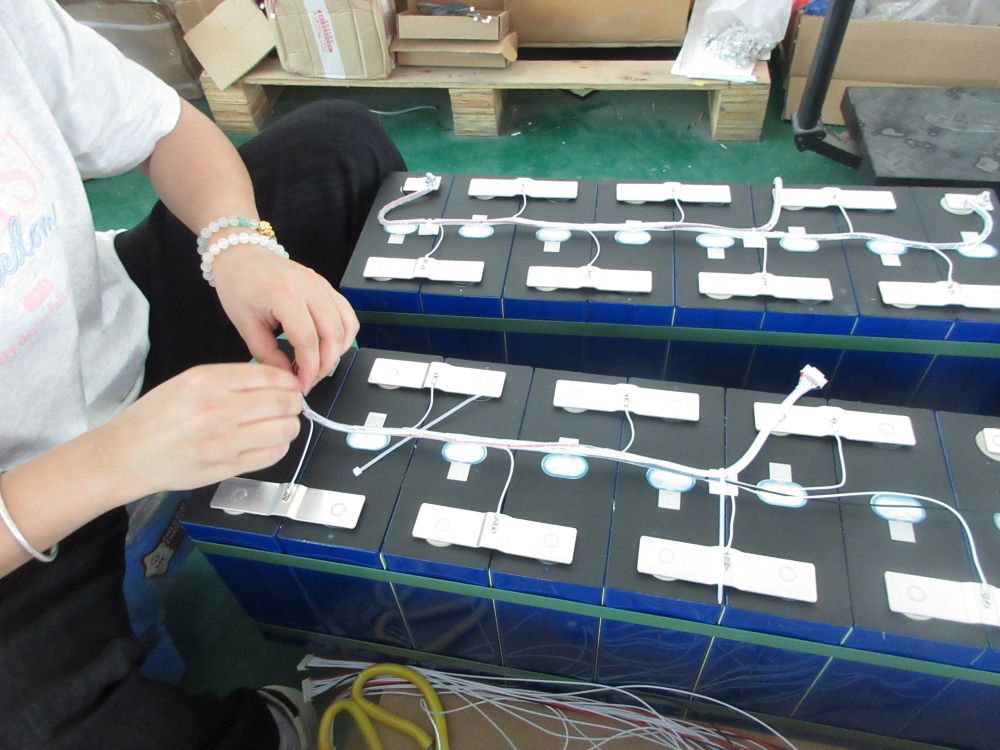 Connect the Wires
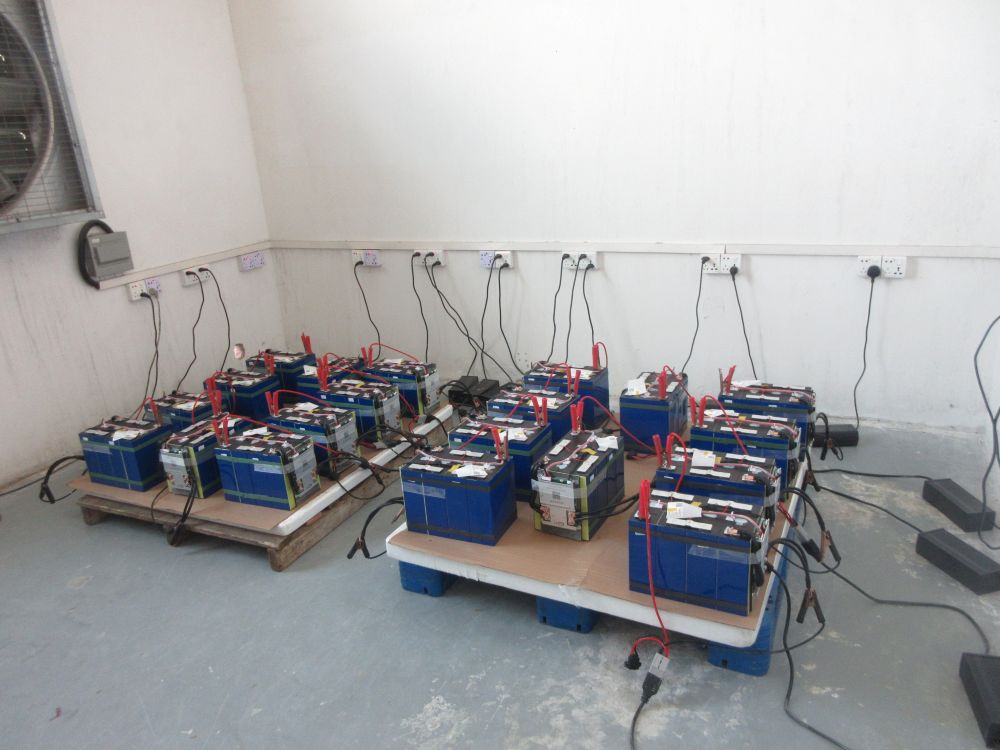 Charging
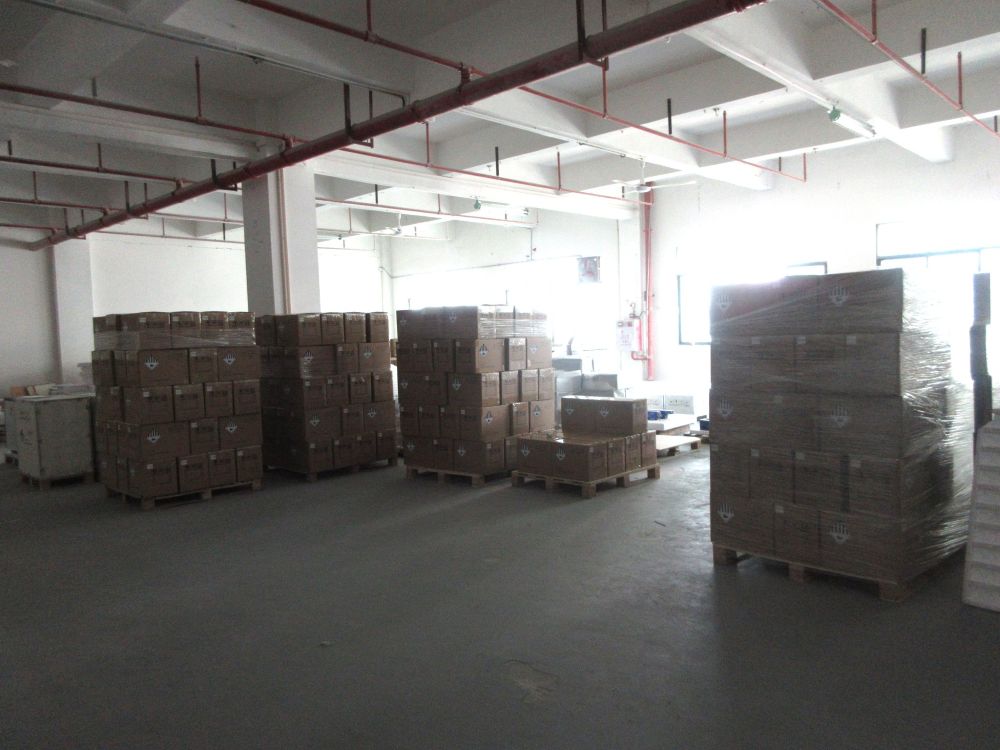 Storage
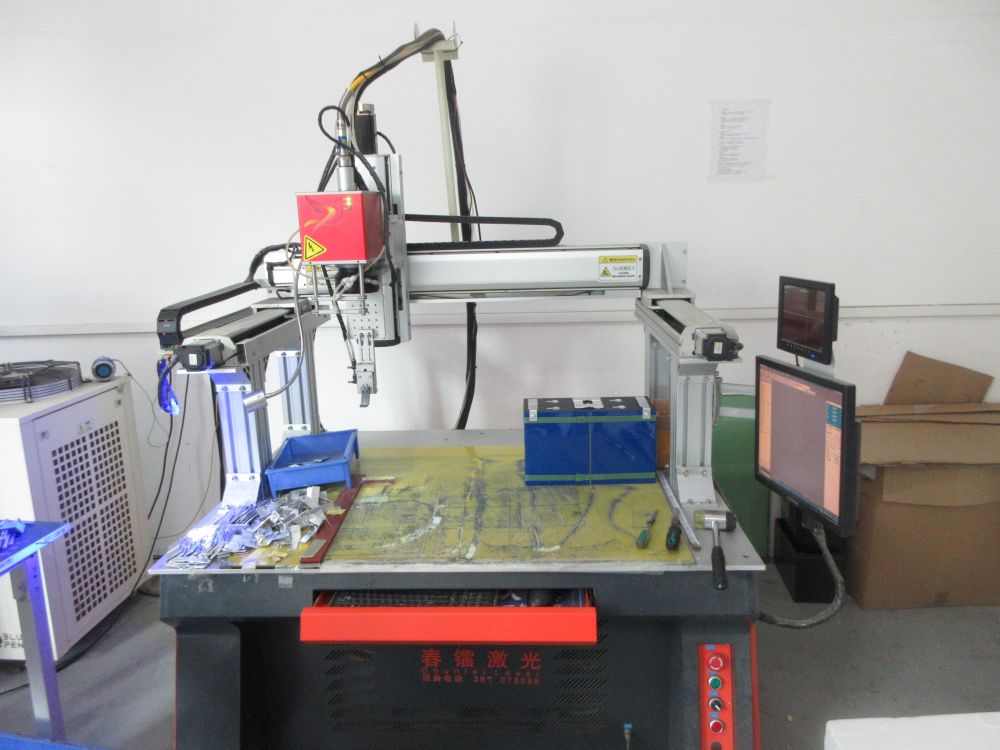 Laser Spot Welding Machine
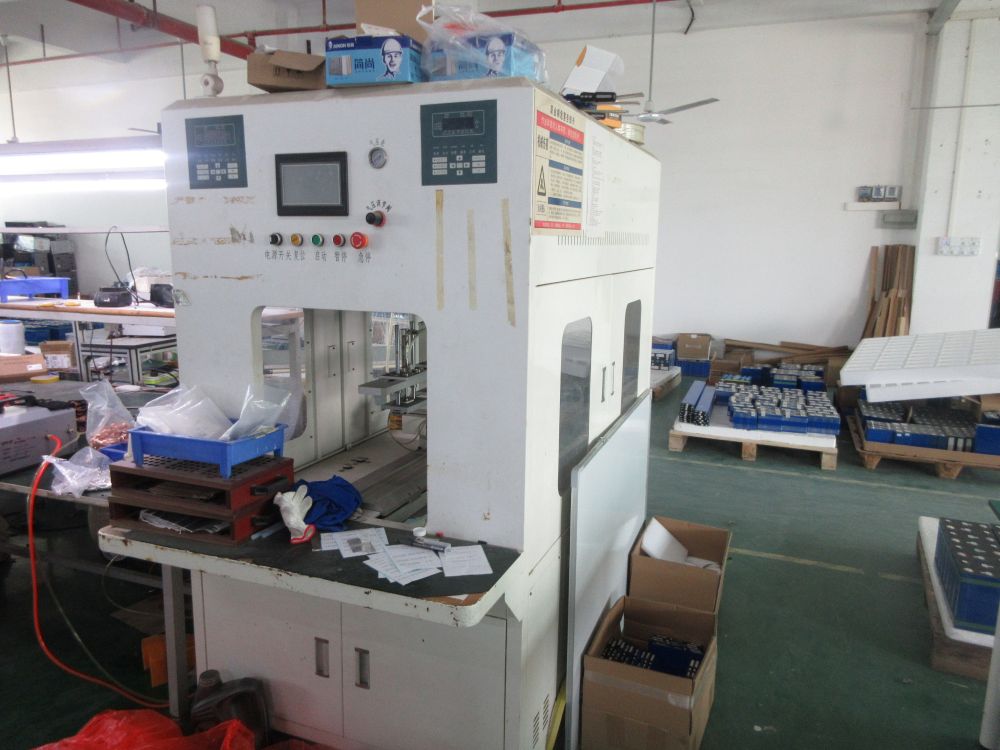 Spot Welding Machine
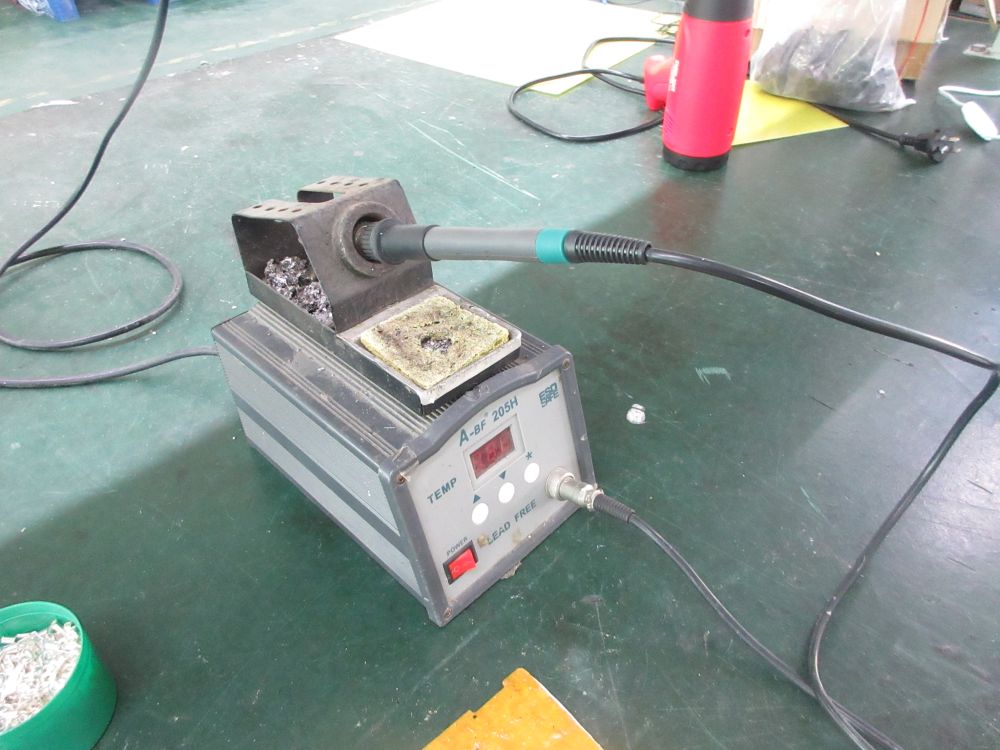 Electric Soldering Iron
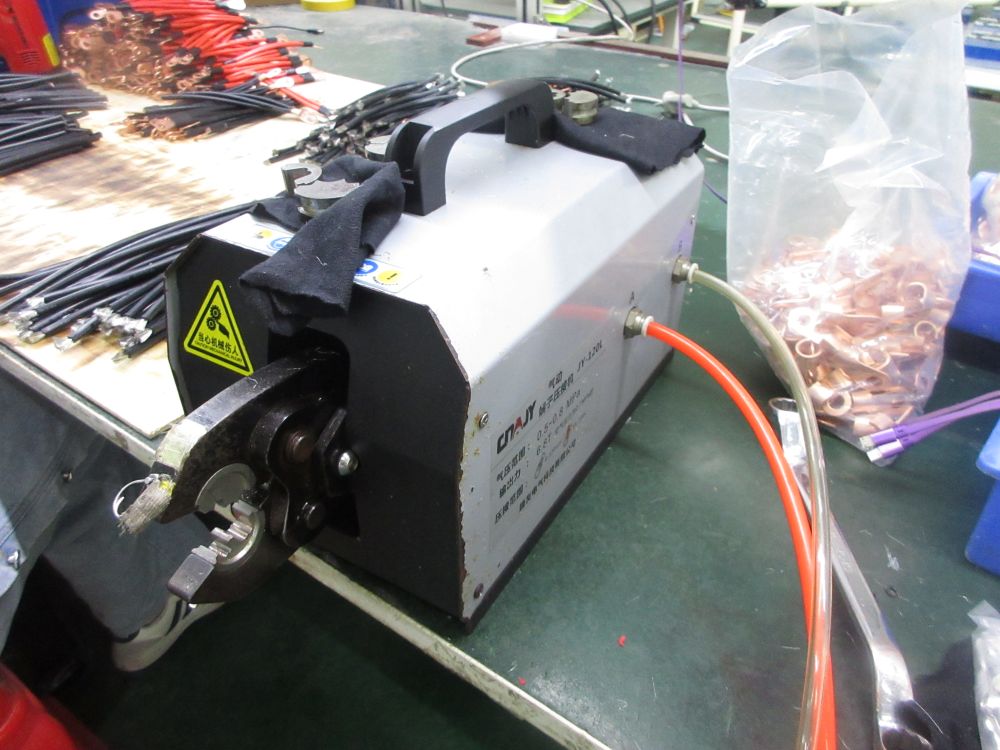 Terminal Crimping Machine
Our manufacturing floor is divided into clear automation sub-zones designed to eliminate defects and ensure strict adherence to standardized assembly lines. From Laser Spot Welding and computerized Terminal Crimping, to double-stage insulation tests and computerized Charging/Discharging capacity calibration, each step is logged into our ERP system. This process-level traceability guarantees that our OEM/ODM products meet global ISO9001 and UL standards, establishing true reliability from raw cells to finished BESS containers.
Adapting to evolving energy generation parameters through planned, phase-gate chemistry transitions.
Why sourcing from our industrial cluster in Guangdong guarantees pricing, component quality, and swift execution.
Our proximity to major lithium precursor processors and graphite anode refineries reduces transit times to zero. This logistical integration protects our clients from upstream pricing fluctuations, ensuring cost control even during market shifts.
Within a 50-kilometer radius of our facilities, we source components from top-tier providers of BMS controllers, silicone thermal pads, precision wire harnesses, and injection-molded casings. This enables rapid custom prototyping cycles of 2-3 weeks.
Located adjacent to major deep-water ports like Shenzhen and Guangzhou, we offer streamlined ocean, air, and rail freight solutions. This ensures fast customs clearance and lower international shipping rates for all battery products.
How our integrated BESS and hybrid setups deliver value across different operating environments worldwide.
| Application Scenario | Technical Challenge | Recommended System & Architecture | ROI & Economic Benefit |
|---|---|---|---|
| C&I Peak Shaving (North America & Western Europe) | Extreme demand charges during afternoon peak hours. | 100kW All-In-One ESS (LifePO4) with active EMS peak-shaving algorithm. | Reduces electricity bills by up to 35% with an expected ROI within 4.2 years. |
| Agricultural Off-Grid Irrigation (South America / Africa) | Weak grid connection or total lack of power lines; high reliance on expensive diesel generators. | 15kW Hybrid Inverter + stackable 48V 300Ah battery packs + PV modules. | Displaces diesel consumption by 90%, eliminating fuel delivery costs. |
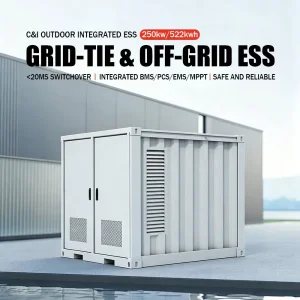
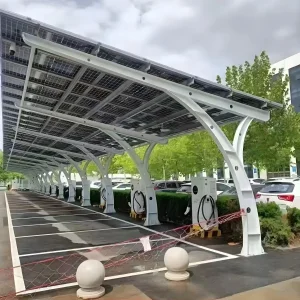
| EV Solar Carports & Fast Charging Stations (Global Urban Sites) | Grid constraints limit high-current EV charging expansion. | Integrated Solar Carport System with 250kW/522kWh containerized BESS. | Buffers grid load, enabling high-voltage EV fast charging without costly utility service upgrades. |
| Telecommunications Microgrids (Southeast Asian Islands) | Corrosive coastal humidity, high temperatures, and limited site space. | Rack-mounted high-temperature LiFePO4 packs with IP65 enclosure protection. | Ensures 99.99% system uptime while requiring zero regular onsite maintenance. |
Navigating complex global battery standards through rigorous validation protocols.
Exporting lithium storage systems requires deep adherence to international safety regulations. Guangdong Hudd Energy ensures that all products are fully certified before leaving the factory. Our testing procedures cover mechanical impact, structural integrity, electromagnetic interference, and thermal abuse. Our core product lines comply with:
We recognize that large clean energy projects require flexible financial arrangements. Hudd Energy maintains strategic partnerships with international financial institutions to offer flexible trade credit, letter of credit (L/C) options, and structured financing structures.
Additionally, our engineering staff provides end-to-end integration support, including PVSYST system modeling, single-line diagrams (SLD), firmware configuration, and remote commission auditing. This support helps installers integrate our energy storage systems with existing solar setups, regardless of location.
Answers to technical questions about OEM/ODM specifications, system integration, and commercial dispatch policies.
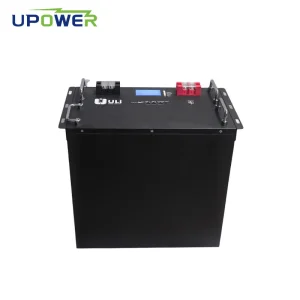
Our standard MOQ for custom residential wall-mount and rack-mount batteries starts at 10 to 50 units, depending on the modification scale. For large-scale containerized systems (like our 250kw/522kwh BESS), we accept single-unit projects (1 unit MOQ) and work closely with system developers on custom design, EMS programming, and thermal management adjustments.
Our containerized BESS options feature either liquid cooling or forced-air cooling. Our liquid cooling designs keep internal cell temperature variance below ±2°C. This prevents local thermal variations, prolongs battery lifecycle, and maintains system safety under high-rate continuous charging and discharging profiles.
Yes. Our inverters support custom CAN and RS485 protocol definitions. Our engineering team can calibrate communication firmware to interface with various third-party battery packs, ensuring smooth data sharing between the BMS and inverter.
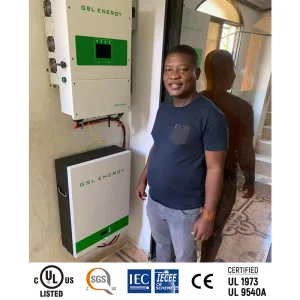
Our off-grid and hybrid inverter models, including the GSL and E-Nice series, are field-configurable for 50Hz and 60Hz grids. They support split-phase 120V/240V configurations for North American markets, as well as three-phase 230V/400V configurations for European, Asian, and African grid systems.
We provide a standard 5-year to 10-year warranty on our commercial energy storage solutions. Our products feature A-grade lithium iron phosphate cells rated for more than 6,000 charge cycles at 80% depth of discharge (DoD). This supports up to 15 years of daily cycling under typical operating conditions.
 Hudd Energy