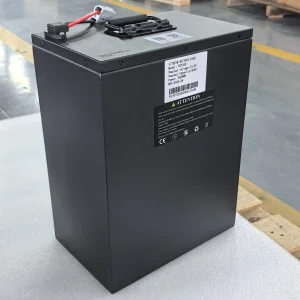
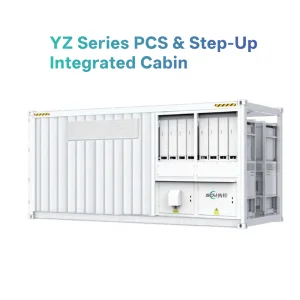
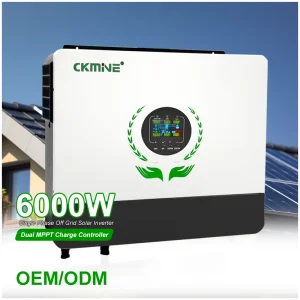
High-performance BESS, hybrid solar inverters, and utility-scale battery systems customized for global infrastructure.
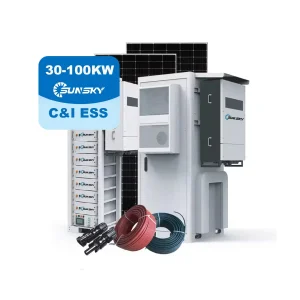
Pioneering Grid-Scale Energy Systems and Custom OEM Infrastructure Globally
Guangdong Hudd Energy Co., Ltd. is a preeminent developer, manufacturer, and integrator of high-capacity renewable energy systems, commercial BESS (Battery Energy Storage Systems), EV charging microgrids, and integrated solar-storage-charging systems. Built on a foundation of profound electro-chemical knowledge, automation technology, and field-tested design methodologies, Hudd Energy delivers comprehensive, high-security power architectures to project developers, contractors, and industrial users worldwide.
Rather than merely assembling standard products, Hudd Energy acts as a primary engineering partner. We address every stage of the design cycle—from computational system dimensioning, active thermal simulation, and protocol matching (such as Modbus TCP/CAN configurations), through to commissioning oversight and lifecycle management. By aligning our design processes with global compliance protocols, we ensure that every system operating in high-demand environments executes with maximum efficiency and minimum thermal load.
"Reliability is not an afterthought; it is engineered into the chemistry and physical layout of our storage matrices. By integrating customized Energy Management Systems (EMS) with Tier-1 battery cells, we provide our clients with predictable Levelized Cost of Storage (LCOS) and grid stability."
Key indicators guiding the transition from simple standby power to dynamic Virtual Power Plants (VPPs).
Smart Energy Systems are transitionally shifting from local backups to distributed energy assets. By networking assets together via secure cloud links, operators can offer dynamic grid-balancing services to local transmission system operators (TSOs).
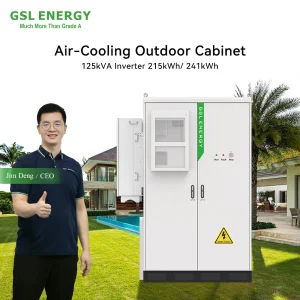
Improving the Levelized Cost of Storage requires combining chemistry selection with advanced thermal management. Intelligent liquid-cooled and air-cooled cycles are designed to extend cell lifespan and maintain uniform thermal profiles across modules.
Modern developers require native communication protocols like Modbus TCP/IP, CAN, and Profibus. Integrating these directly into the Energy Management System (EMS) allows seamless coordination with existing industrial SCADA frameworks.
Global developers and industrial end-users face complex technical parameters when procuring large-scale energy storage assets. Modern request-for-proposals (RFPs) go far beyond checking the total battery capacity. Procurement teams now require deep validation of functional safety, round-trip efficiency (RTE), auxiliary power consumption, and mechanical robustness.
Industrial applications demand Tier-1 LiFePO4 cells utilizing high-density chemistry, such as the latest 314Ah format. Pack design must minimize spatial overhead while optimizing cell-to-pack (CTP) structural configurations. Mechanical designs are built to resist vibration (conforming to UN38.3 standards) and restrict internal movement, protecting cell terminals from structural fatigue.
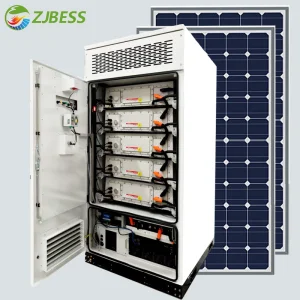
Safety compliance requires multi-layered insulation and early off-gas detection. Systems must employ multi-stage battery management systems (BMS) with high-voltage disconnects. Structural protection includes fire suppression mechanisms like aerosol systems, water sprinkler connection ports, and mechanical deflagration panels to manage thermal events safely.
Furthermore, developers analyze the auxiliary load requirement of the energy storage enclosure. Poorly designed thermal control loops can consume up to 15% of the storage system's total energy, drastically reducing net round-trip efficiency. Optimizing the fluid dynamics in liquid-cooled systems or implementing variable-speed drive fans in air-cooled configurations ensures that auxiliary systems only run when thermal limits demand it, preserving energy for the commercial customer.
A visual walkthrough of our advanced manufacturing lines, automated spot welding, testing equipment, and warehousing facilities.
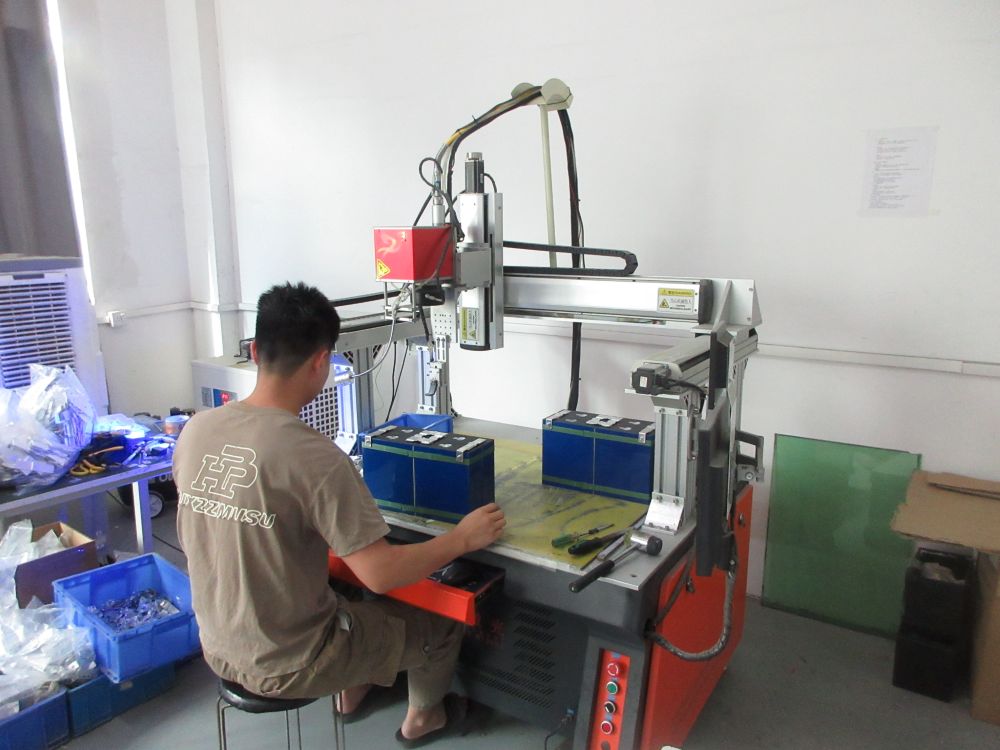

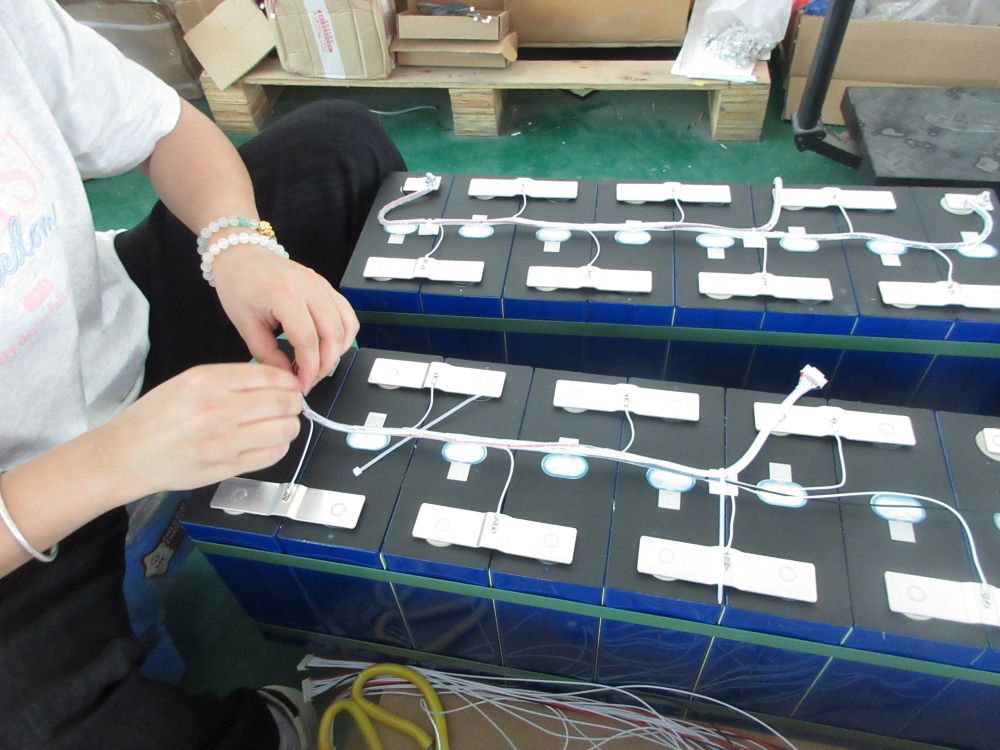
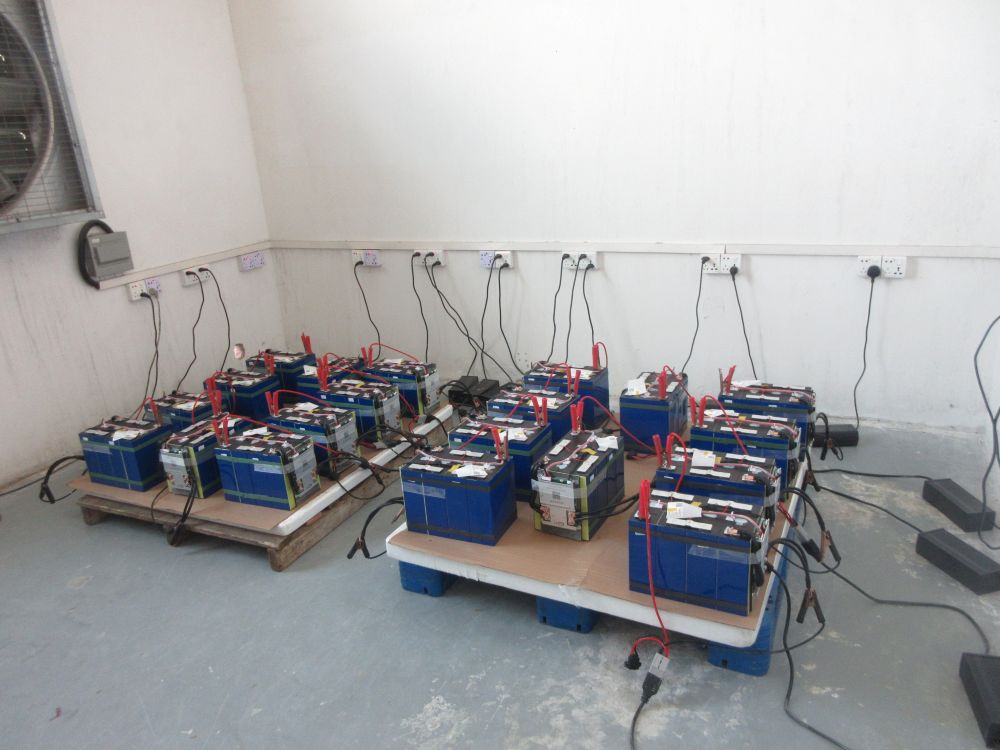
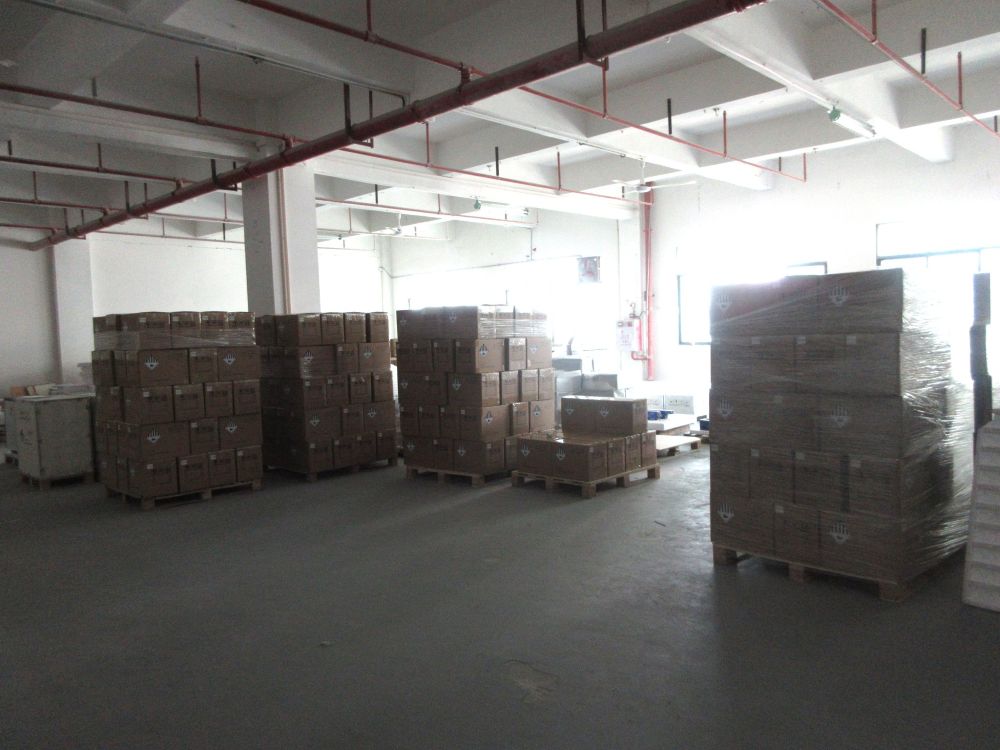
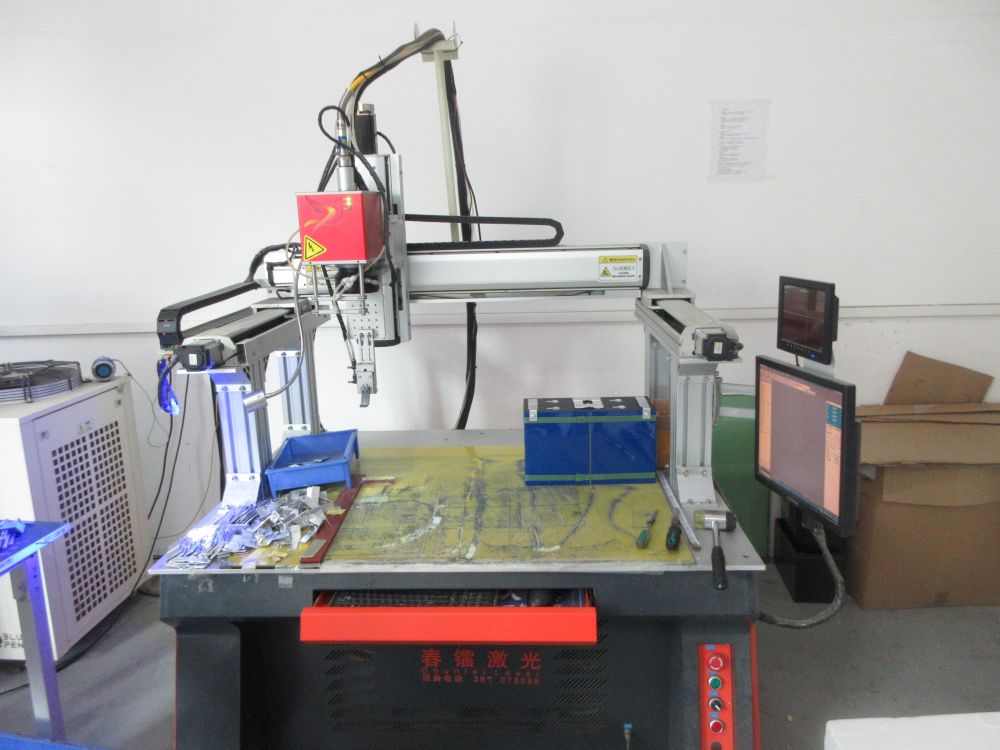
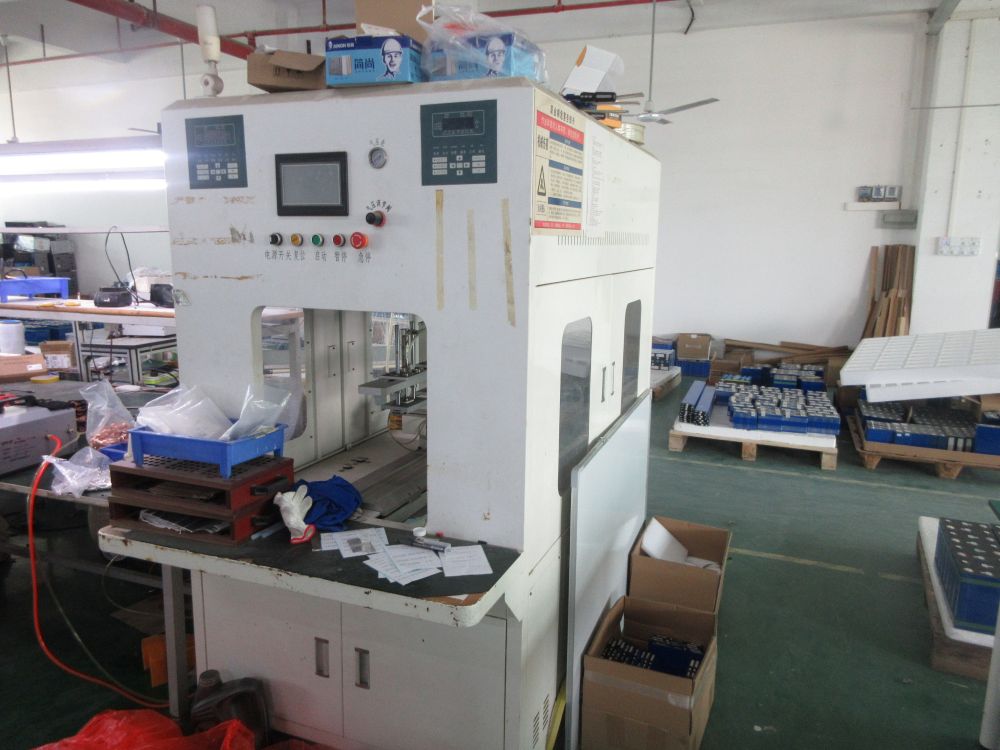
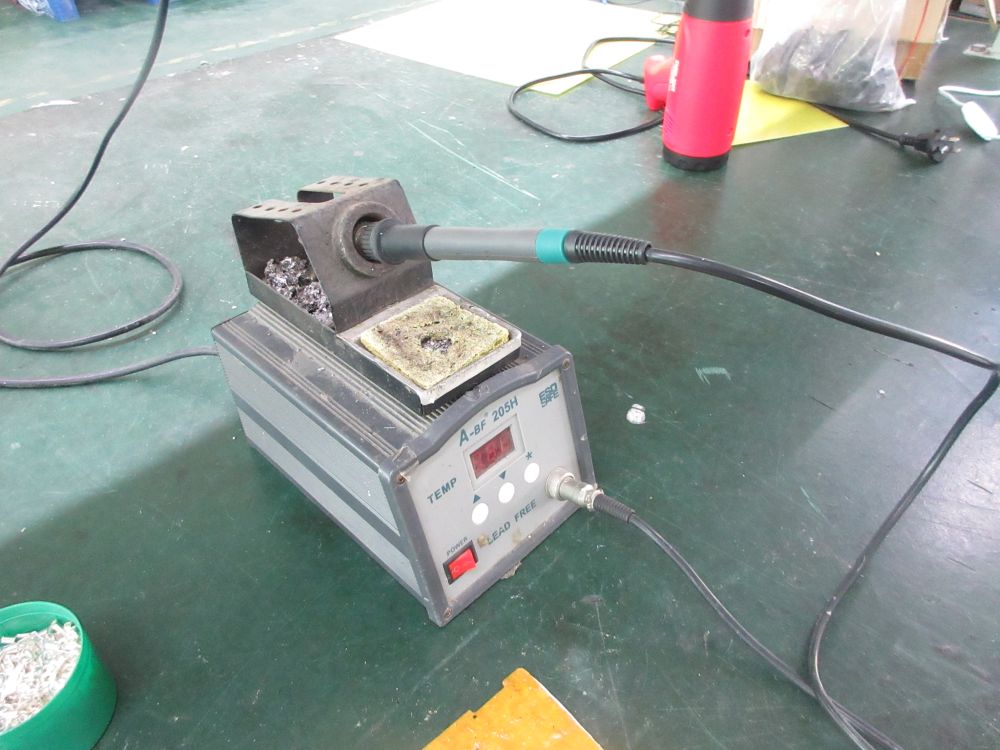
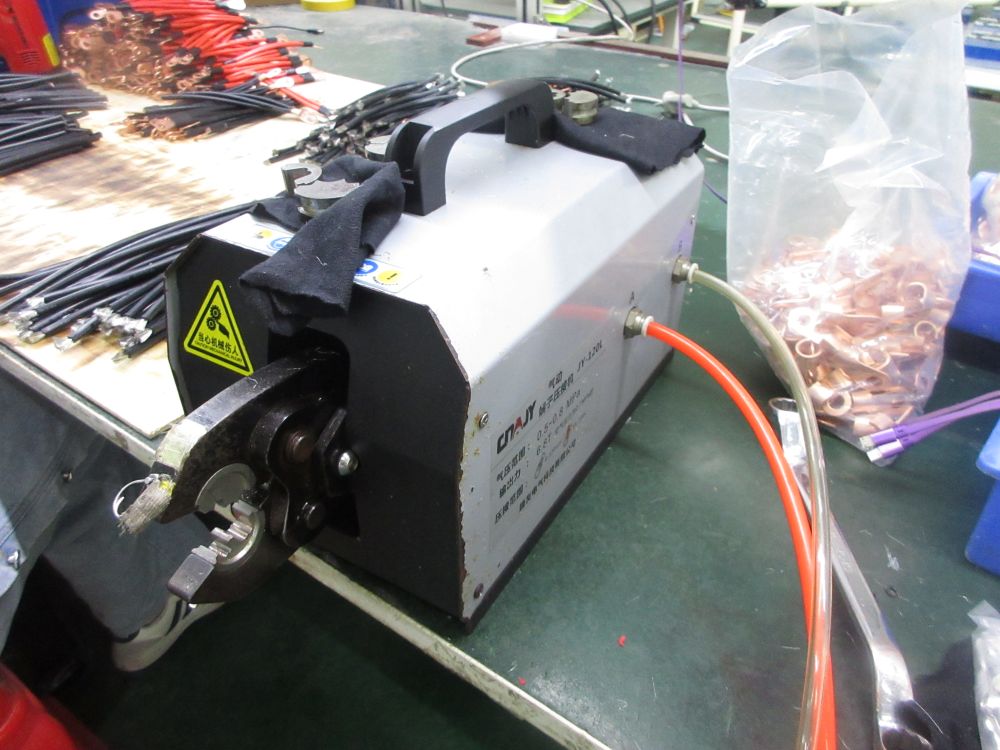
Guangdong Hudd Energy’s modern production line incorporates advanced automation to ensure repeatable, reliable manufacturing. Our automated Laser Spot Welding and specialized Terminal Crimping Machines ensure low-resistance, high-strength connections across all battery packs. Before integration, cells are matched through internal resistance and capacity sorting. Sub-assemblies then undergo complete charge-discharge balancing cycles to ensure pack consistency and long life in demanding field applications.
Tailored engineering answers to complex, real-world microgrid challenges.
Designed for manufacturing plants experiencing severe peak tariff penalties. The energy management system stores low-cost power during off-peak windows and discharges during high-rate intervals. Integrated closed-loop temperature control maintains battery safety under high-ambient-temperature industrial loads.
Providing independent microgrid systems for locations with limited grid infrastructure. By combining solar arrays, backup generator groups, and modular lithium storage, farming operations can power irrigation systems continuously, reducing fuel consumption and emissions.
Compact, durable outdoor battery storage designed for telecommunication towers. Features multi-protocol communication with central network systems, allowing remote diagnostics, predictive maintenance schedules, and robust performance in environments subject to unstable grid voltages.
Designed for fast-charging stations with high power spikes. An integrated BESS buffers grid demand, storing energy during low utilization periods and delivering quick power boosts during vehicle charging. This prevents demand charges and reduces local transformer load.
Expert answers on chemistry selection, battery life cycles, custom parameters, and global certifications.
The 314Ah cell is a next-generation cell format designed to increase volumetric energy density by approximately 12% without increasing the footprint of standard cabinets. Using 314Ah cells reduces structural cost, simplifies wire routing, and reduces balancing requirements. It also results in lower Levelized Cost of Storage (LCOS) by packing more capacity into standard 20ft BESS containers, such as the 5MWh configurations.
The integrated system features a high-speed Static Transfer Switch (STS) within the Power Conversion System (PCS). When grid disruptions occur, the EMS detects the drop in voltage in less than 20 milliseconds, shifting from grid-following to grid-forming mode. This ensures continuous, uninterruptible power for critical industrial facilities without causing system shutdowns.
We conform to all major international standards. Cell-level safety is certified under UL1973 and IEC62619, while the complete storage cabinet meets UL9540 standards. Thermal runaway testing follows UL9540A procedures. For the power conversion and grid interface, systems are designed and certified to CE, G99, and IEEE1547 requirements, ensuring smooth utility approvals.
Yes, our systems feature a multi-tier BMS (from cell balancing boards to high-voltage master controllers) that natively supports communication protocols such as Modbus RTU, Modbus TCP/IP, CAN, and IEC60870-5-104. This enables integration with external third-party building management systems and utility SCADA architectures.
For regions with ambient temperatures consistently exceeding 40°C, liquid cooling is highly recommended over air cooling. Liquid-cooled systems utilize direct-to-plate coolant flows that maintain temperature differences between cells within 3°C. This significantly improves cell health and prevents thermal runaway risks in hot regions.
Explore more specialized lithium power packs, containerized BESS options, and smart tracking energy systems.
 Hudd Energy