In the current global energy landscape, the Smart Charge Controller has evolved from a simple power regulator to the "brain" of renewable energy systems. As nations strive for carbon neutrality, the demand for sophisticated Maximum Power Point Tracking (MPPT) and intelligent Pulse Width Modulation (PWM) controllers has surged across residential, commercial, and industrial sectors.
The global smart charge controller market is projected to grow at a CAGR of 12.5% through 2030. This growth is driven by the declining cost of PV modules and the rapid adoption of LiFePO4 battery technology, which requires precise charging algorithms to ensure longevity and safety.
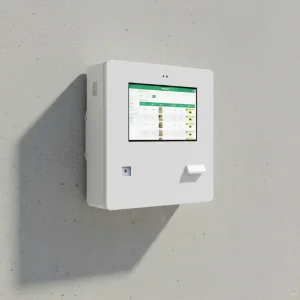
Industry 4.0 is integrating with energy management. Modern factories now demand controllers with RS485, CAN-BUS, and IoT connectivity (WiFi/4G) to enable real-time monitoring and predictive maintenance. This is no longer just about charging; it’s about data-driven energy optimization.
The next decade of charge controller technology will be defined by three core pillars: Efficiency, Connectivity, and Autonomy. As an OEM manufacturer, we are at the forefront of these transitions.
Transitioning from traditional Silicon MOSFETs to GaN technology allows for higher switching frequencies, reducing the size of the controller by up to 40% while increasing thermal efficiency.
Traditional MPPT can struggle with partial shading. Future "Smart" controllers use machine learning to predict shading patterns and adjust the power curve in milliseconds, reclaiming up to 15% of lost energy.
Charge controllers are becoming bidirectional. This enables Vehicle-to-Home (V2H) and Vehicle-to-Grid (V2G) capabilities, allowing electric vehicles to serve as mobile battery reserves during peak demand.
A one-size-fits-all approach is obsolete. Semantic search trends show that users are looking for solutions tailored to specific geographic and environmental needs.
In Southeast Asia and Africa, humidity and heat are the primary enemies. Our OEM solutions include IP67-rated waterproof controllers with advanced heat sink designs that operate without fans, preventing dust ingress and mechanical failure.
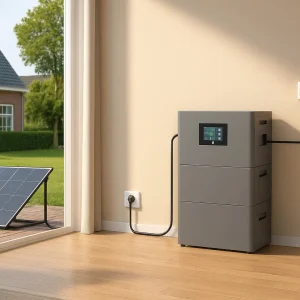
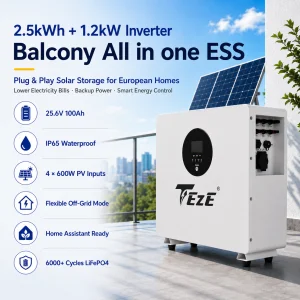
With the rise of "Balcony Solar," there is a need for ultra-compact, aesthetic controllers that integrate seamlessly with micro-inverters. Our plug-and-play ESS designs cater specifically to the German and Italian markets.
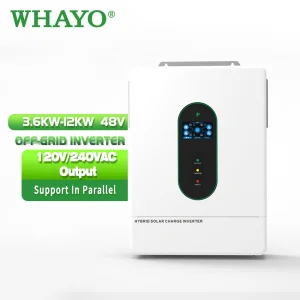
For regions prone to wildfires or grid instability, we provide high-voltage (up to 600V PV input) controllers that integrate with whole-home backup systems, supporting rapid shutdown protocols for NEC compliance.
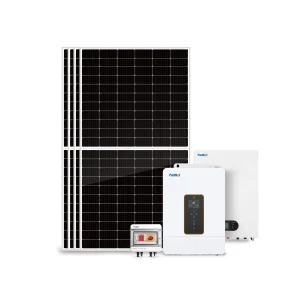
Guangdong Hudd Energy Co., Ltd. is not just a supplier; we are a professional provider of renewable energy products and integrated smart energy systems. We specialize in the development, supply, and integration of advanced Energy Storage Systems (ESS), solar power solutions, and EV charging infrastructure.
Beyond individual products, Hudd Energy offers end-to-end system integration services. Our expertise covers solution design, equipment selection, and commissioning. Leveraging China's robust manufacturing ecosystem, we ensure high-quality products with stable delivery schedules and cost-effective pricing.
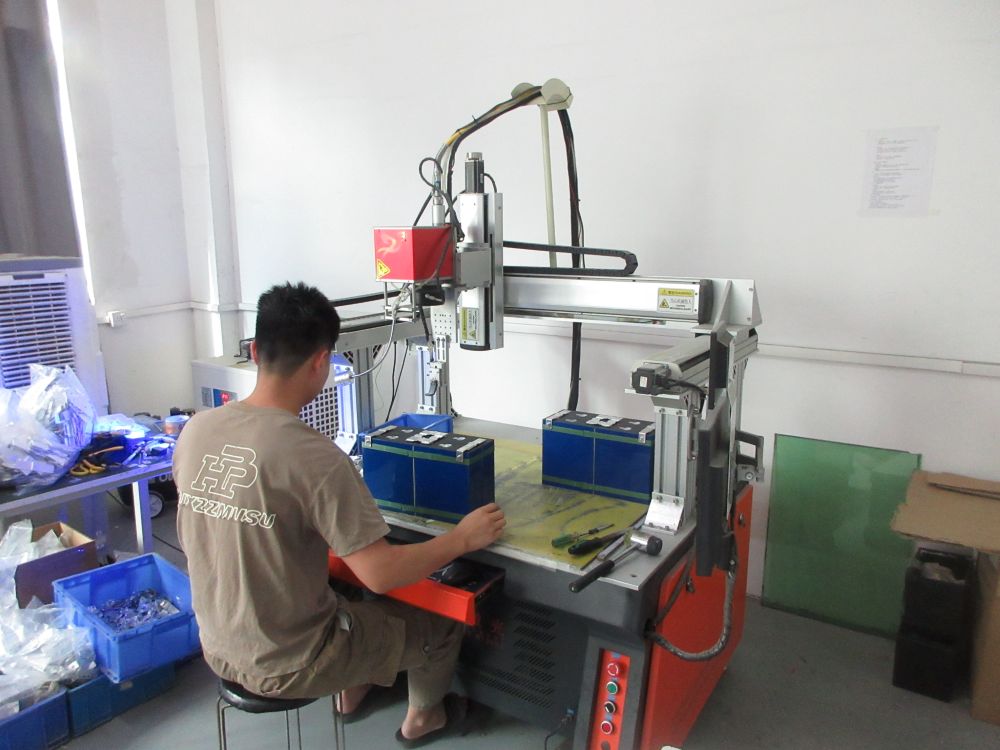 Laser Spot Welding
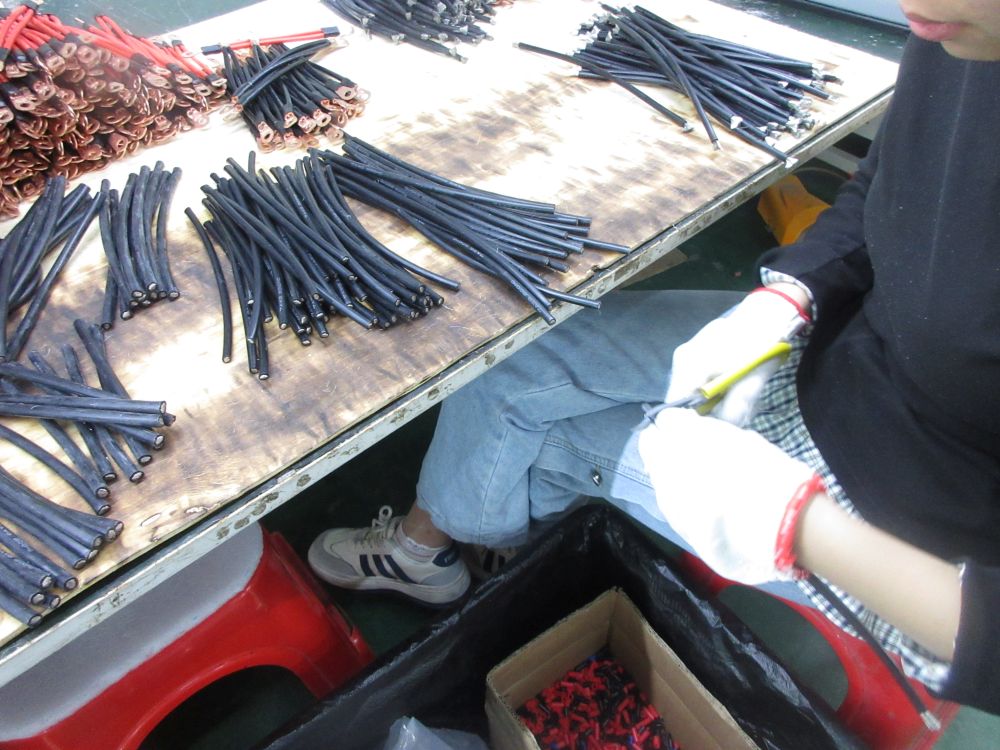 Cutting Wire
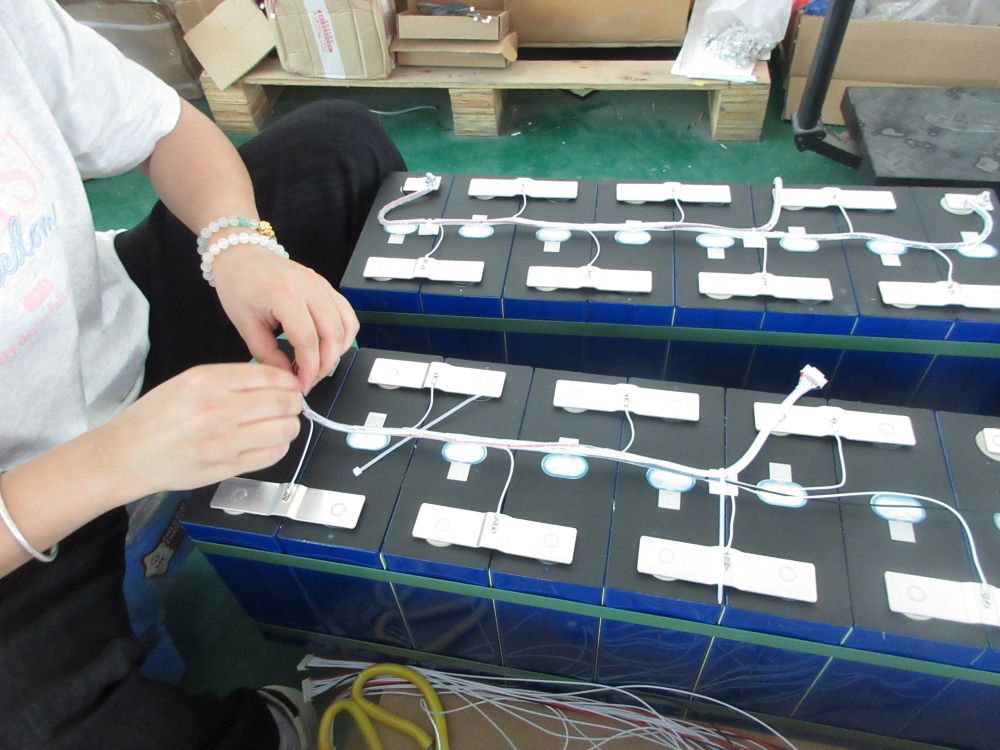 Connect Wires
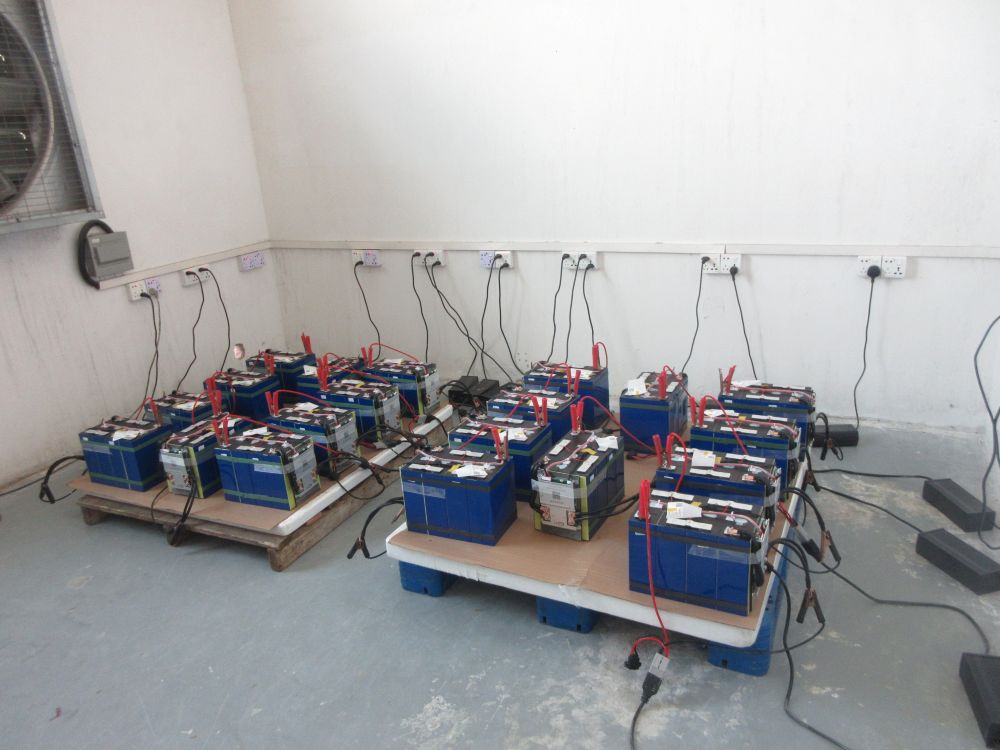 Charging Testing
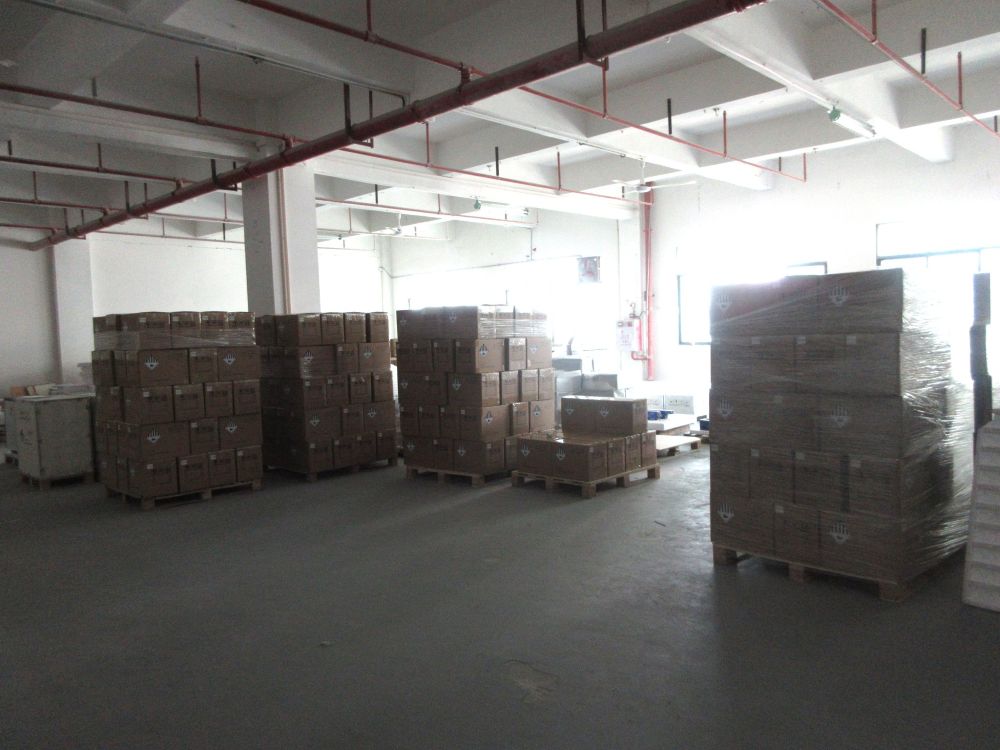 Storage Warehouse
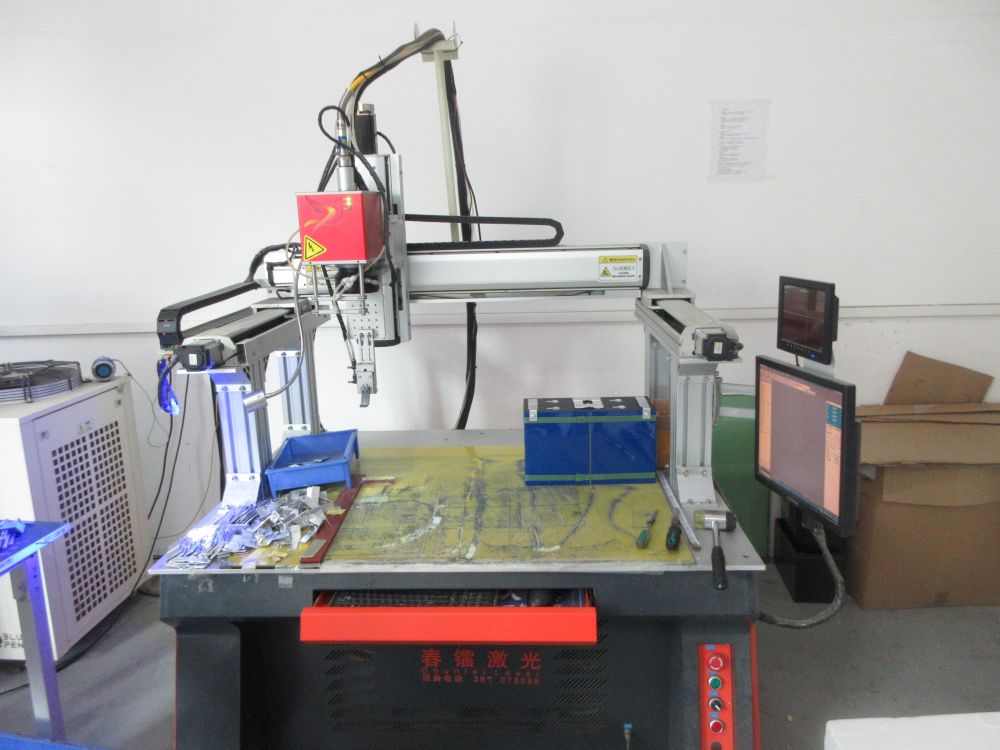 Laser Spot Welding Machine
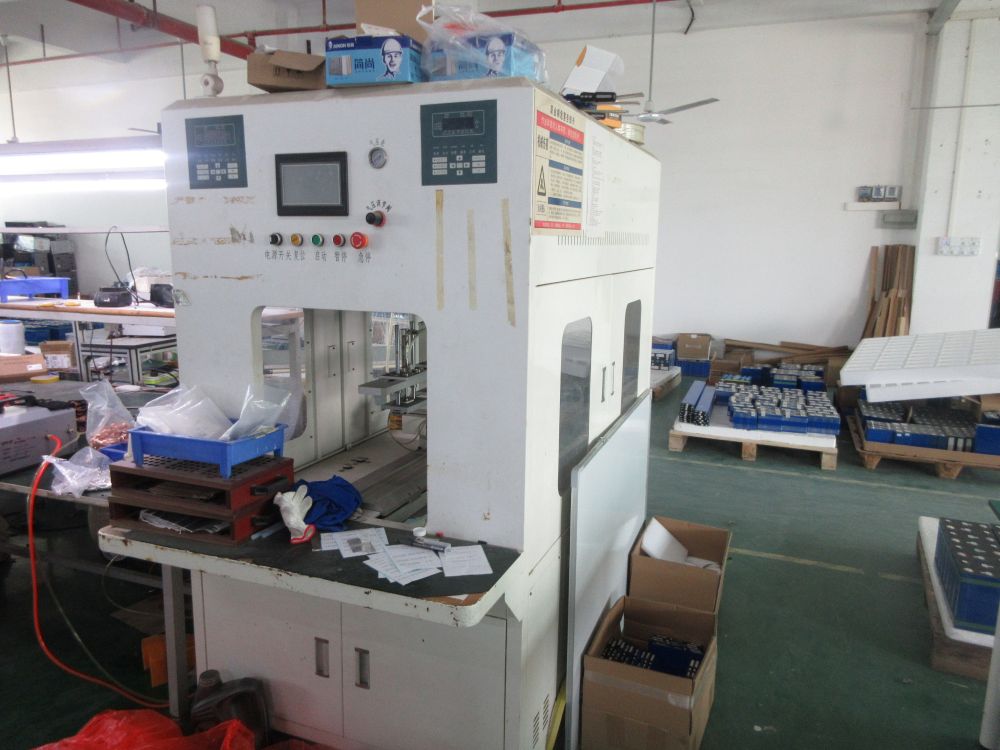 Spot Welding Machine
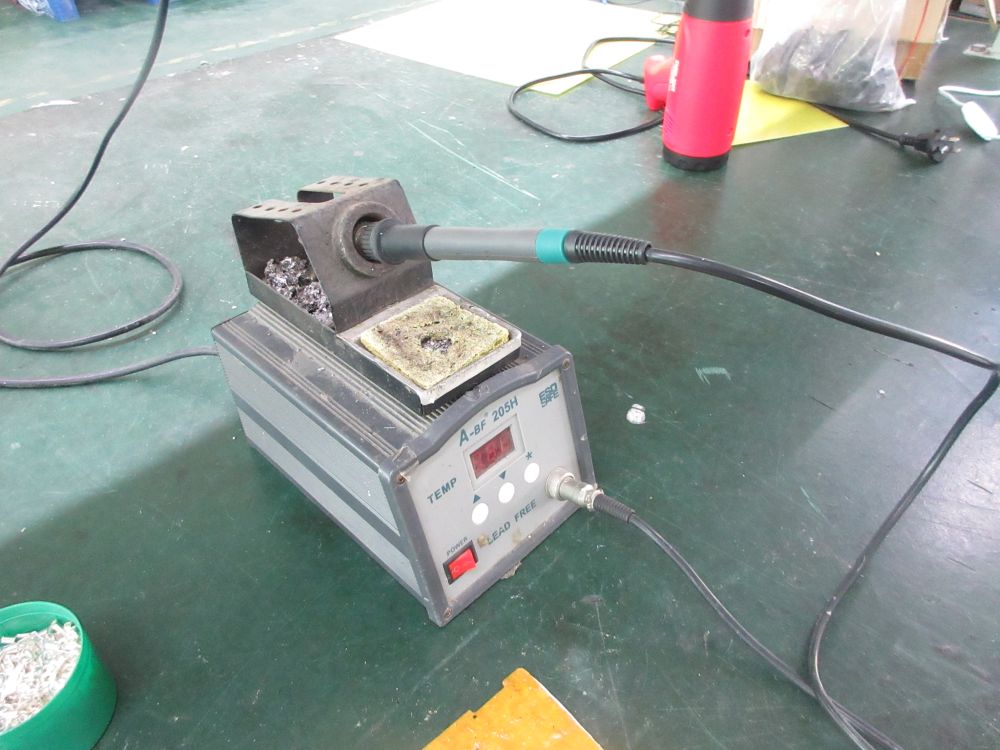 Electric Soldering Iron
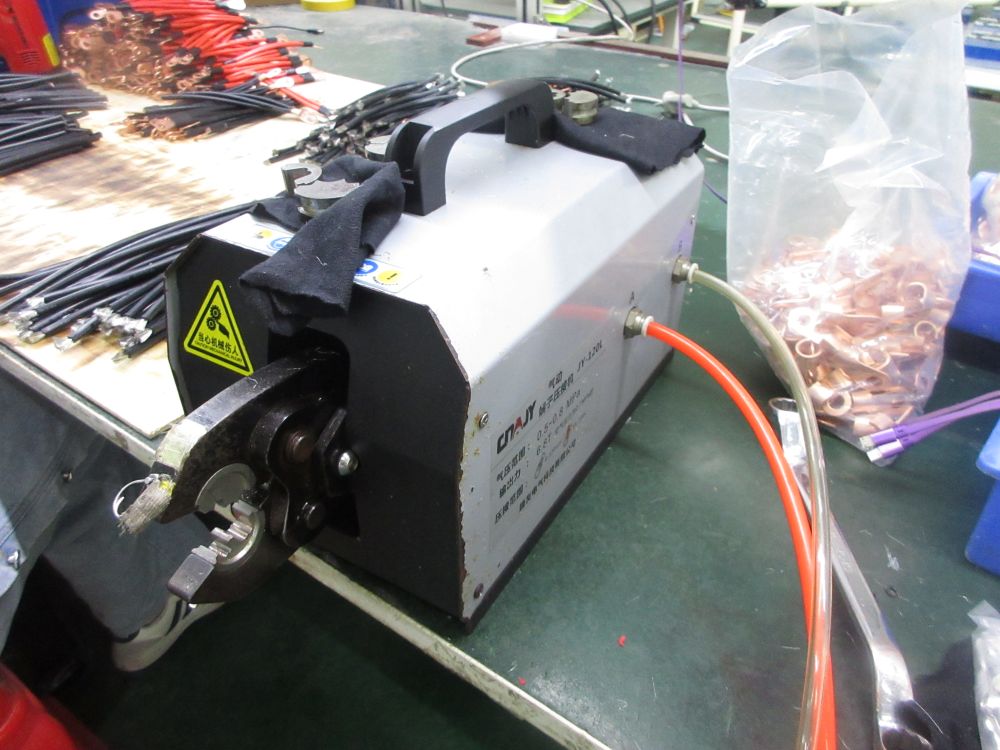 Terminal Crimping Machine
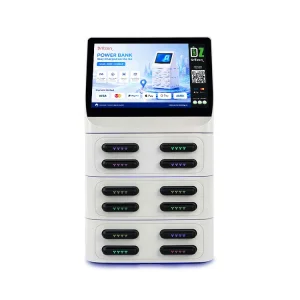
We provide unified controllers that manage solar input, battery storage, and EV charging output from a single interface, maximizing self-consumption and minimizing peak-hour grid fees.
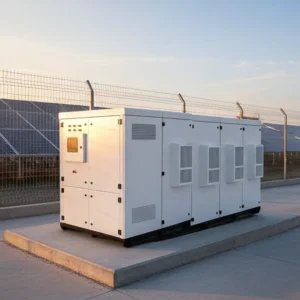
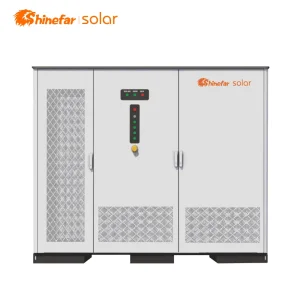
Smart controllers integrated with large-scale EMS (Energy Management Systems) help factories reduce their "demand charges" by discharging batteries during peak consumption periods.
From solar-powered irrigation to livestock monitoring, our rugged controllers provide reliable power in remote locations where grid extension is prohibitively expensive.
 Hudd Energy