Explore our state-of-the-art product spectrum—engineered to meet the rigorous demands of modern electrical networks, renewable generation plants, and zero-emission charging stations.
Why Industrial and Utility Grid Operators are Transiting to Modular LFP Containers.
In the global race toward net-zero electrical networks, the stability of traditional grid systems is facing unprecedented challenges due to the intermittent nature of wind and solar sources. Standard infrastructure is no longer capable of matching supply with immediate consumer load profiles. This mismatch necessitates high-capacity, responsive, and robust storage mediums. Containerized Battery Energy Storage Systems (BESS) have emerged as the premier structural response to this dispatchability crisis.
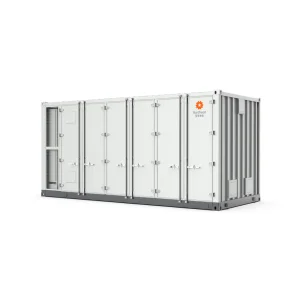
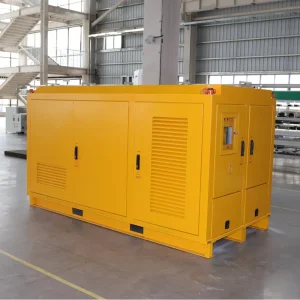
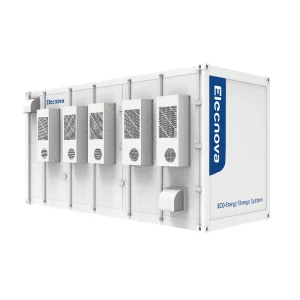
By enclosing highly integrated lithium-ion cells, smart battery management units, safety-critical fire prevention mechanisms, and state-of-the-art power conversion networks into standard ISO transport shipping containers (typically 20ft or 40ft form factors), manufacturers enable plug-and-play high-capacity energy reservoirs. These systems act as critical buffers, saving grid networks millions of dollars in peak capacity upgrades, stabilizing transmission lines, and unlocking lucrative frequency regulation arbitrage routes.
Across Europe, North America, and the Asia-Pacific region, utility-scale developers are opting for Chinese manufactured containerized BESS configurations. Leveraging massive manufacturing scale and highly verticalized component integration, Chinese manufacturers produce BESS structures that achieve remarkably low Levelized Cost of Storage (LCOS) metrics, making global decarbonization commercially viable.
Modern BESS installations require more than simple racking of lithium iron phosphate (LiFePO4) prismatic cells. Under constant high C-rate charging and discharging protocols, temperature uniformity within the container is paramount to preventing accelerated aging, cell degradation, and the catastrophic risk of thermal runaway. Leading manufacturers employ advanced thermal management schemes categorized into two main configurations:
Circulates specialized coolant directly through cold plates contacting cell packs, maintaining delta-T deviation under 3°C, extending life expectancies by up to 20%.
Utilizes voltage source control algorithms to mimic physical synchronous generators. Provides immediate synthetic inertia and vital black-start operations to weak or isolated grids.
Features multi-layered gas, smoke, and temperature monitoring coupled with automated Novec 1230 or aerosol fire extinguishing systems to meet NFPA 855 and UL 9540A requirements.
The neural network of modern containerized BESS relies on a hierarchical management structure. The Battery Management System (BMS) monitors cell-level dynamics including voltage, state of charge (SoC), state of health (SoH), and internal resistance in real-time. This communicates directly with the centralized Energy Management System (EMS), which dictates dispatch schedules, load forecasting, and grid optimization. These intelligent system layers dynamically prevent cell overcharging, control discharge depths, and verify safe operations across the entire unit lifecycle.
A professional provider of renewable energy products, energy storage solutions, and integrated smart energy systems.
Guangdong Hudd Energy Co., Ltd. stands at the forefront of the clean energy transition. The company specializes in the development, supply, and integration of advanced energy storage systems (ESS), solar power solutions, EV charging infrastructure, and integrated solar-storage-charging stations, delivering efficient, reliable, and sustainable energy solutions to customers worldwide.
Beyond supplying individual products, Hudd Energy offers comprehensive system integration services tailored to diverse project requirements. Leveraging extensive industry expertise, the company provides end-to-end support covering solution design, equipment selection, system integration, project management, commissioning, and after-sales services. This enables customers to implement optimized energy solutions with enhanced efficiency, performance, and long-term reliability.
With strong partnerships across China's manufacturing ecosystem, Hudd Energy benefits from a robust and competitive supply chain, ensuring high-quality products, stable delivery schedules, and cost-effective solutions. The company also maintains strategic cooperation with financial institutions and banking partners, providing flexible trade finance support and secure transaction services to facilitate the successful execution of international projects.
Hudd Energy's product portfolio serves a wide range of applications, including residential, commercial, industrial, utility-scale energy storage projects, electric vehicle charging networks, and distributed renewable energy systems. The company is committed to helping customers reduce energy costs, improve energy independence, and achieve their sustainability goals.
Over the years, Guangdong Hudd Energy has successfully expanded its presence in international markets, particularly in Southeast Asia, South America, the Middle East, and Africa, earning the trust and recognition of clients through reliable products, professional services, and long-term partnerships. Looking ahead, the company will continue to drive innovation in clean energy technologies, strengthen its global market presence, and contribute to the worldwide transition toward a greener, smarter, and more sustainable energy future.
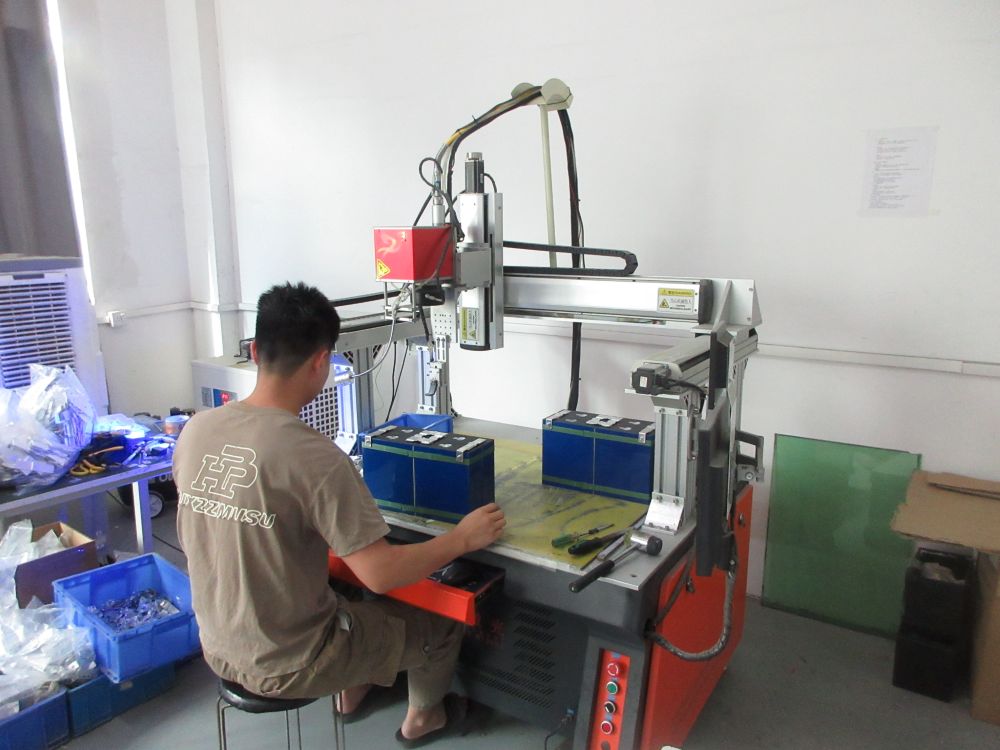
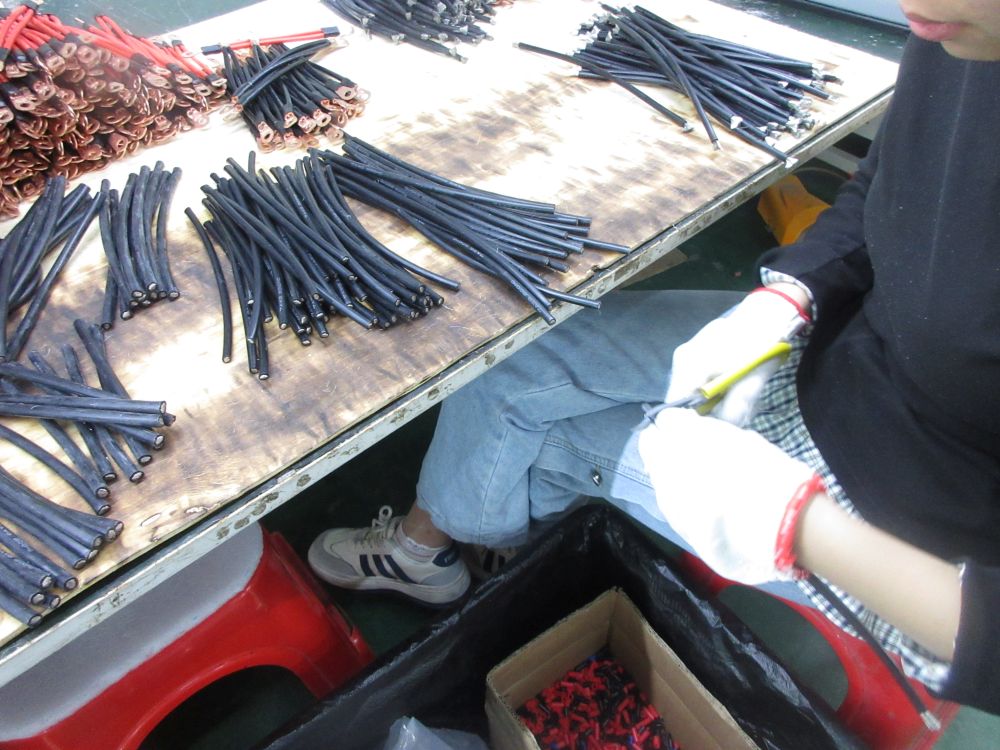
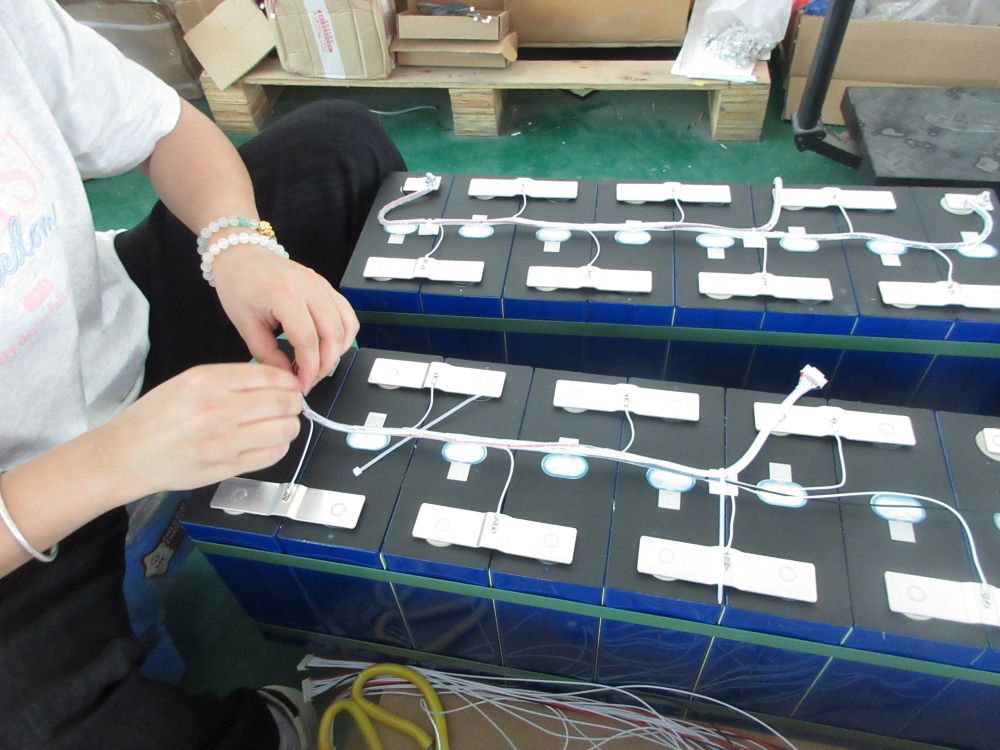
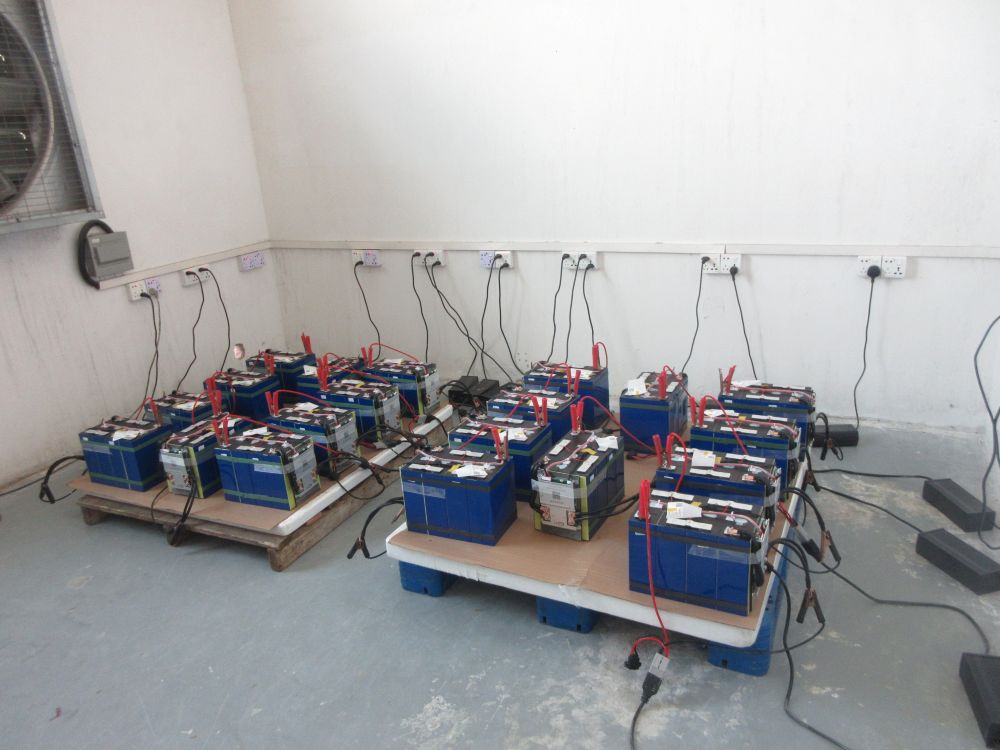
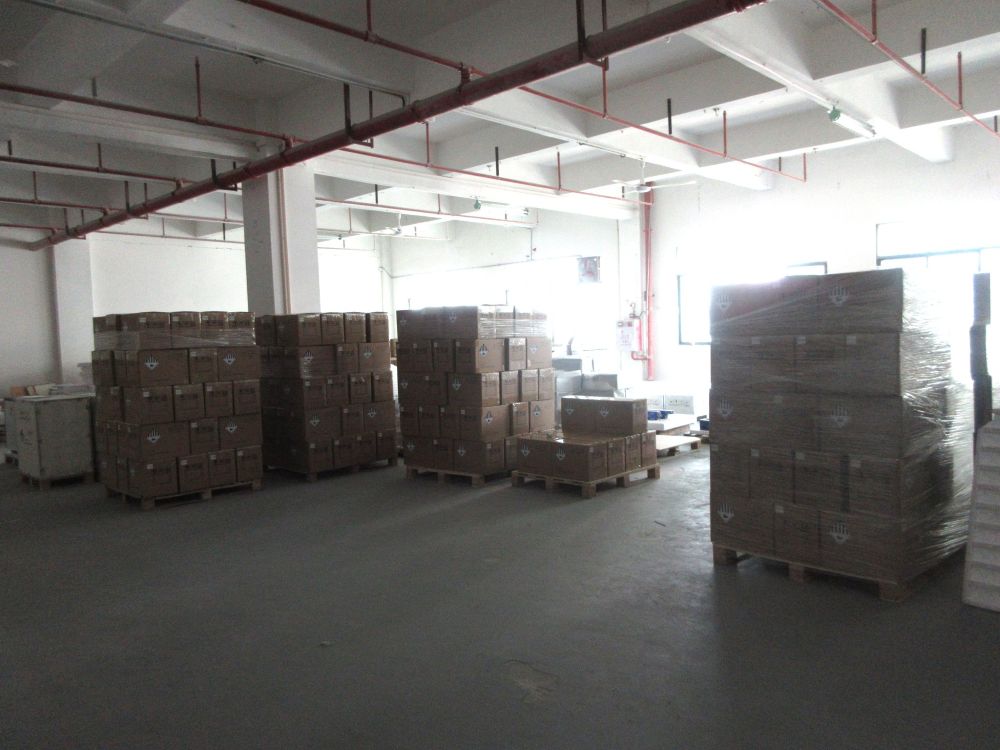
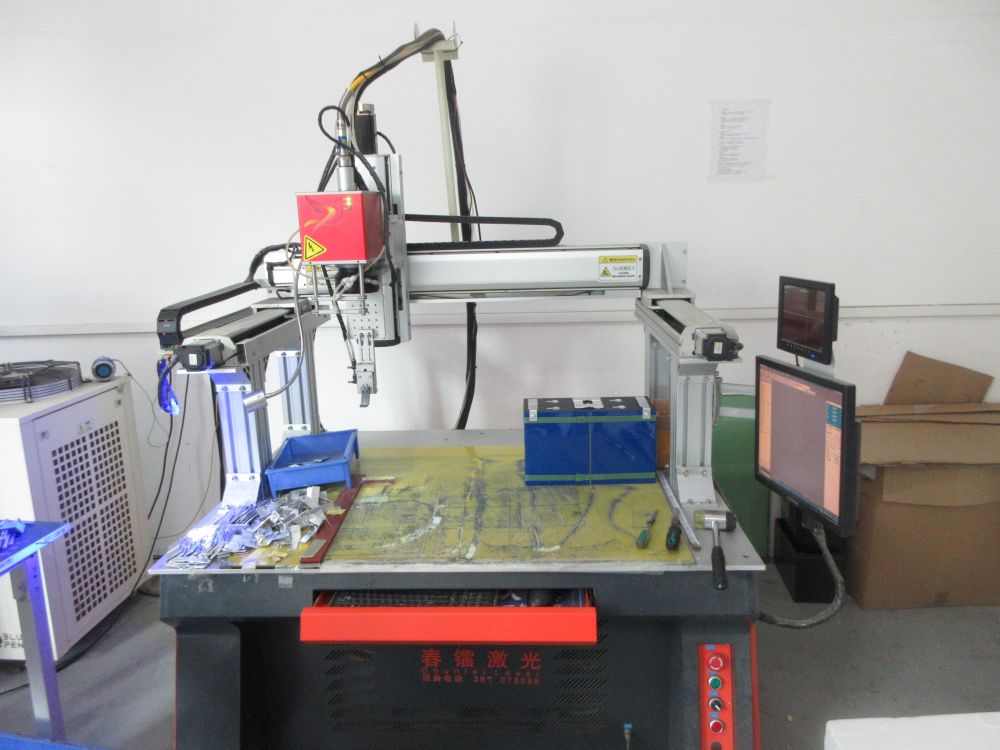
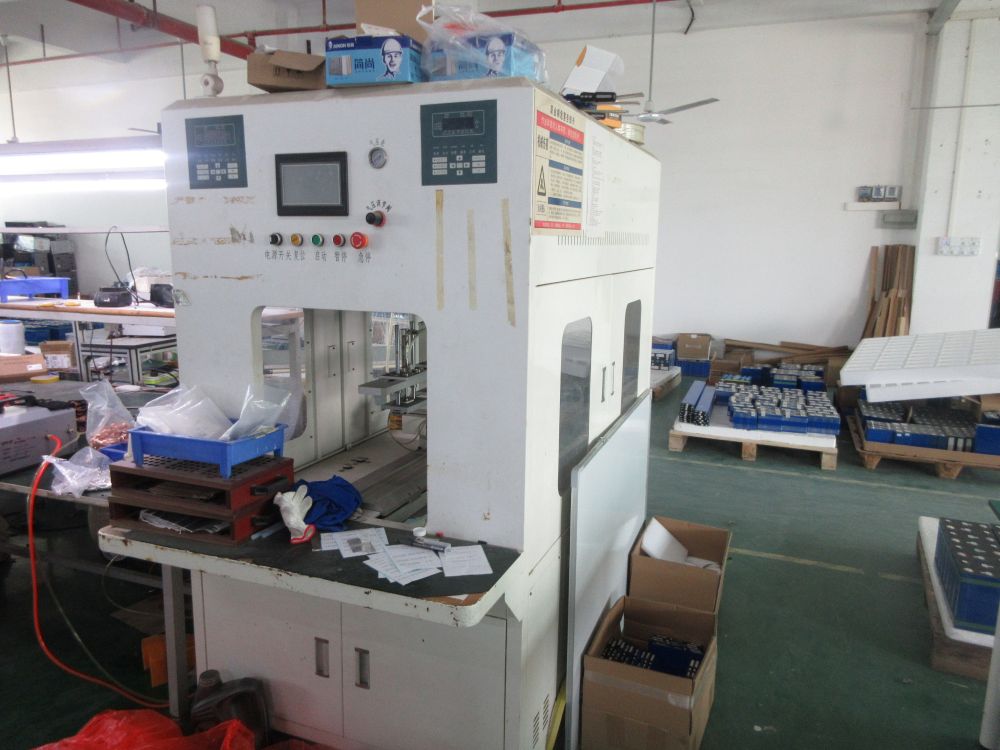
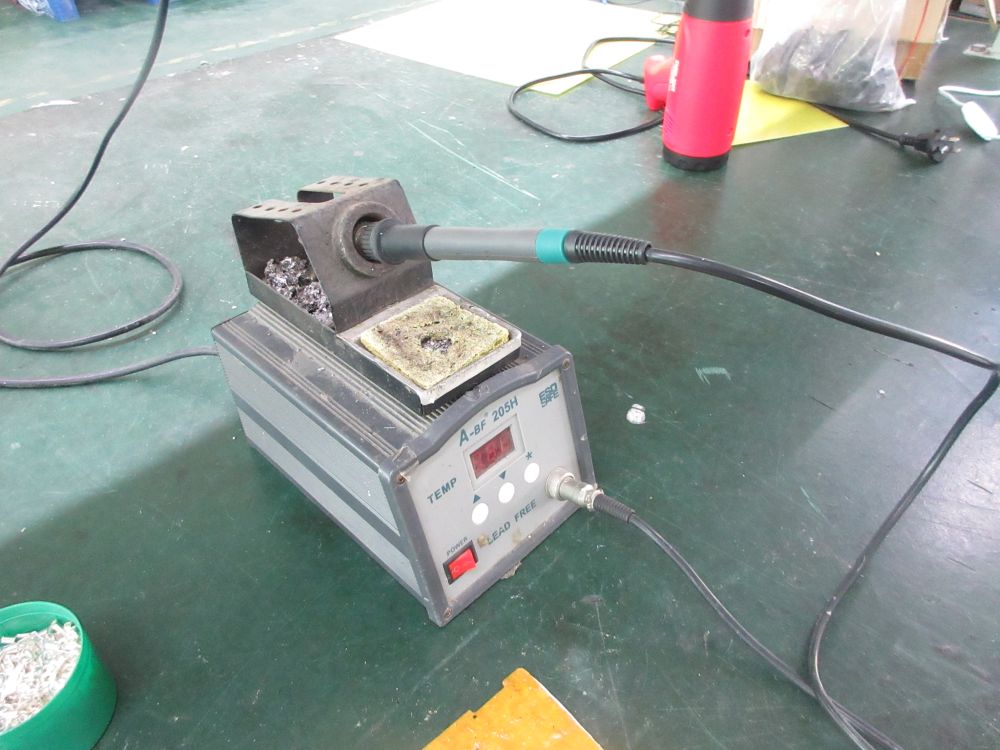
From dense industrial parks to off-grid islands, containerized ESS delivers versatile benefits.
Commercial enterprises facing high demand-charge tariffs rely on containerized storage to mitigate electrical operational costs. By programming the system to charge during off-peak windows (typically late night when electricity rates are lowest) and discharging at peak hours, commercial customers significantly reduce their monthly peak load charges. This utility management strategy ensures an accelerated return on investment (ROI), often within 3 to 5 operational years.
For remote communities, mines, or offshore islands that cannot connect easily to national grids, fuel logistics represent a significant operating cost. Our containerized systems operate in tandem with local solar arrays and wind installations to form a self-sustaining microgrid. Using grid-forming algorithms, these systems maintain grid frequency and voltage, reducing diesel generator runtime and reducing carbon emissions.
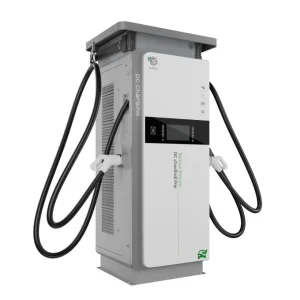
As transportation switches to electric power, existing distribution transformers face severe overload conditions when multiple fast-chargers run simultaneously. Introducing a buffer container battery system allows stations to pull energy from the grid at a continuous, lower rate, then dump megawatt-level power into vehicles during rapid charging windows. Additionally, through Vehicle-to-Grid (V2G/V2X) setups, the container can draw energy back out of parked vehicles to feedback into regional grids during energy crunches.
The cost effectiveness and technology leadership of Chinese containerized energy storage systems are structural results of a highly coordinated domestic supply chain. China controls a large share of the global LFP raw material processing, cell manufacturing, and power electronics assembly capacity. This level of industry integration translates into three core advantages for overseas buyers:
By sourcing from specialized providers like Guangdong Hudd Energy, global developers gain a reliable partnership that handles everything from engineering and compliance paperwork to final system commissioning.
Deploying megawatt-class battery installations requires navigating complex local grid codes and international safety standards. Our container systems are designed, built, and certified to meet the absolute strictest international codes:
Grid Interconnection Compliance
Our equipment complies with IEEE 1547 (US Grid Standards), UL 1741 SB (Inverter Security), and European EN 50549 codes. This guarantees clean power injection, reactive power support, and automatic anti-islanding protection.
Safety & Fire Protection
To secure building permits and insurance approvals in dense industrial areas, container configurations are certified to UL 9540 (Energy Storage Systems) and have undergone full UL 9540A thermal runaway propagation testing.
Multilingual Support & Remote Maintenance
Using secure cloud links, our engineering team monitors installed containers worldwide. We can push OTA firmware updates, troubleshoot BMS systems, and work with local contractors to keep your installation operating at peak efficiency.
Technical and procurement answers designed for grid engineers and institutional buyers.
Our containerized systems utilize tier-1 A-grade LFP (Lithium Iron Phosphate) cells that typically deliver between 6,000 to 8,000 complete cycles at 80% Depth of Discharge (DoD) before the system capacity degrades to 80% of its nominal rating. In typical commercial applications doing one to two cycles daily, this represents a service life of 15 to 20 years. Dynamic AI thermal management further extends this operational window.
Air cooling relies on circulation fans and HVAC units to move air throughout the container. While air cooling has a lower upfront cost, liquid cooling utilizes cold plates in direct contact with the cells. Liquid cooling maintains a tighter temperature range (often within a 3°C delta), reduces auxiliary power consumption, allows for higher battery packaging density, and prevents localized cell hot spots, which improves system safety and cycle life.
We deploy a multi-layered fire mitigation strategy. At the cell level, materials are designed to resist thermal runaway propagation. Inside the container, we install gas detectors (detecting off-gas indicators before smoke appears), temperature sensors, and flame detection lines. If a fire event is detected, the BMS isolates the electrical system and triggers an automated fire suppression system (such as Novec 1230 or Aerosol suppressors) to extinguish the hazard before it can spread.
Yes. Our BESS containers feature fully insulated outer skins and integrated climate control systems. When configured for arctic regions, heating loops keep the cells above 0°C to allow safe charging. For hot desert environments, upgraded liquid cooling units and sun-shielding canopies maintain safe operating temperatures in ambient conditions up to 55°C.
Complete your microgrid or off-grid project setup with our certified components, power electronics, and auxiliary monitoring systems.
 Hudd Energy