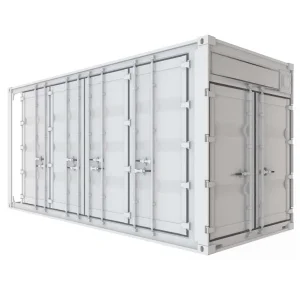
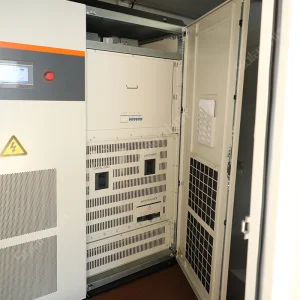
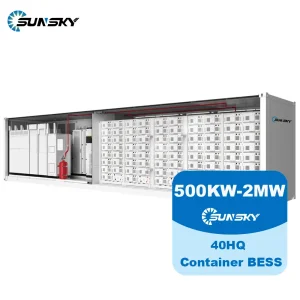
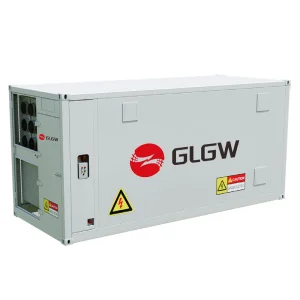
Premium modular containerized configurations engineered for rapid deployment, high round-trip efficiency, and compliance with CEI 0-21 & CEI 0-16 regulations.
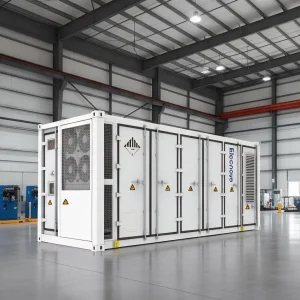
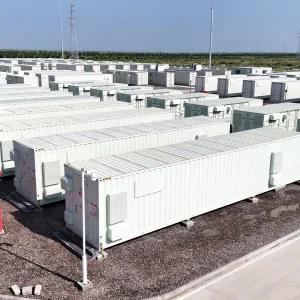
Strategic market analysis of regulatory landscapes, grid stabilization initiatives, and technological transformations shaping containerized BESS procurement in Southern Europe.
The Italian energy sector is experiencing a significant transition. Driven by exceptionally high retail electricity pricing (governed by the *Prezzo Unico Nazionale* - PUN) and intense grid stabilization challenges, Italian Commercial and Industrial (C&I) enterprises are increasingly deploying containerized Battery Energy Storage Systems (BESS).
Italy’s Transmission System Operator (TSO), Terna, is driving grid decarbonization through frameworks like the MACSE (Meccanismo di Approvvigionamento di Capacità di Stoccaggio Elettrico). This mechanism supports utility-scale and localized commercial energy storage to address grid bottlenecks, particularly between the solar-rich southern regions and the heavily industrialized northern hubs like Lombardia, Veneto, and Piemonte.
By leveraging robust lithium-ion container configurations, companies can participate in peak-shaving, capture arbitrage from volatile day-ahead electricity markets, and provide critical ancillary services back to Terna’s network under CEI 0-16 compliance standards.
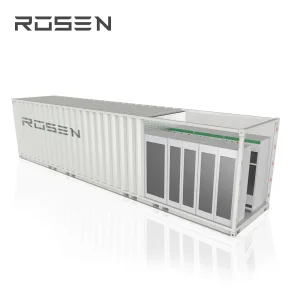
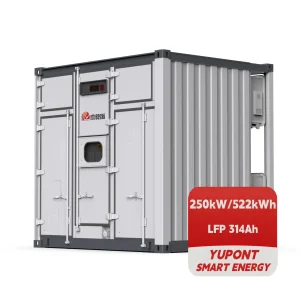
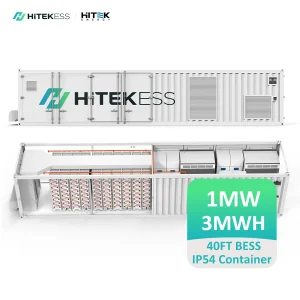
On a global scale, the BESS industry is rapidly shifting toward higher energy densities, moving from the legacy 280Ah battery cells to 314Ah LFP (Lithium Iron Phosphate) form factors. This transition enables standard 20-foot shipping containers to deliver up to 5MWh of usable storage capacity.
Simultaneously, active liquid thermal management systems have largely replaced forced air-cooling setups. Liquid cooling guarantees cell-to-cell temperature differentials of under 2°C, which reduces degradation rates, prevents thermal runaway vectors, and boosts the round-trip efficiency (RTE) past the 89% threshold.
Guangdong Hudd Energy Co., Ltd. sits at the intersection of these advancements, integrating Tier-1 cell chemistries with advanced Liquid-to-Gas multi-stage fire suppression systems (NFPA 855 / EN 50549 compliant) specifically engineered for strict European municipal installations.
Explore our custom-engineered configurations optimized for high-power injection, islanded microgrids, and off-grid utility-grade applications in European territories.
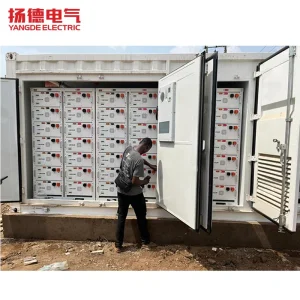
Guangdong Hudd Energy Co., Ltd. is a professional provider of renewable energy products, energy storage solutions, and integrated smart energy systems. The company specializes in the development, supply, and integration of advanced energy storage systems (ESS), solar power solutions, EV charging infrastructure, and integrated solar-storage-charging stations, delivering efficient, reliable, and sustainable energy solutions to customers worldwide.
Beyond supplying individual products, Hudd Energy offers comprehensive system integration services tailored to diverse project requirements. Leveraging extensive industry expertise, the company provides end-to-end support covering solution design, equipment selection, system integration, project management, commissioning, and after-sales services. This enables customers to implement optimized energy solutions with enhanced efficiency, performance, and long-term reliability.
With strong partnerships across China's manufacturing ecosystem, Hudd Energy benefits from a robust and competitive supply chain, ensuring high-quality products, stable delivery schedules, and cost-effective solutions. The company also maintains strategic cooperation with financial institutions and banking partners, providing flexible trade finance support and secure transaction services to facilitate the successful execution of international projects.
Hudd Energy's product portfolio serves a wide range of applications, including residential, commercial, industrial, utility-scale energy storage projects, electric vehicle charging networks, and distributed renewable energy systems. The company is committed to helping customers reduce energy costs, improve energy independence, and achieve their sustainability goals.
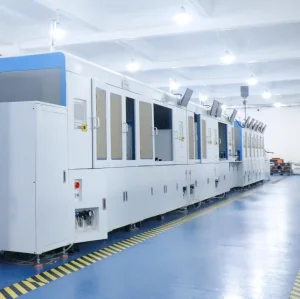
Inside the Guangdong Hudd Energy manufacturing facilities. We ensure high consistency, cell longevity, and electrical safety at every stage of the assembly line.
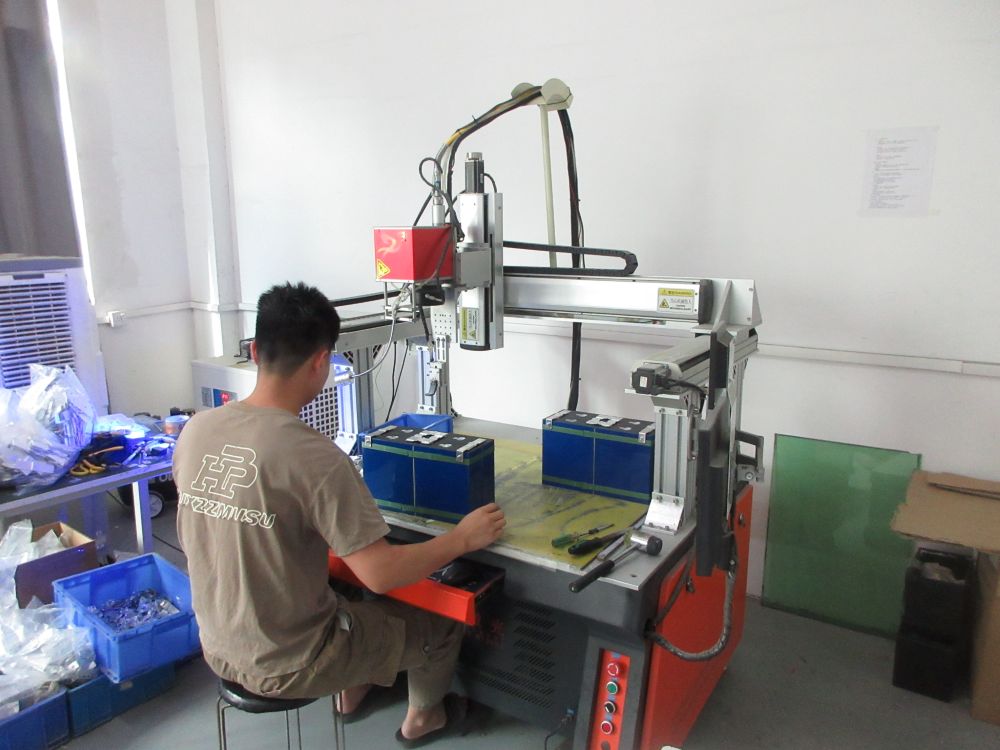
Laser Spot Welding
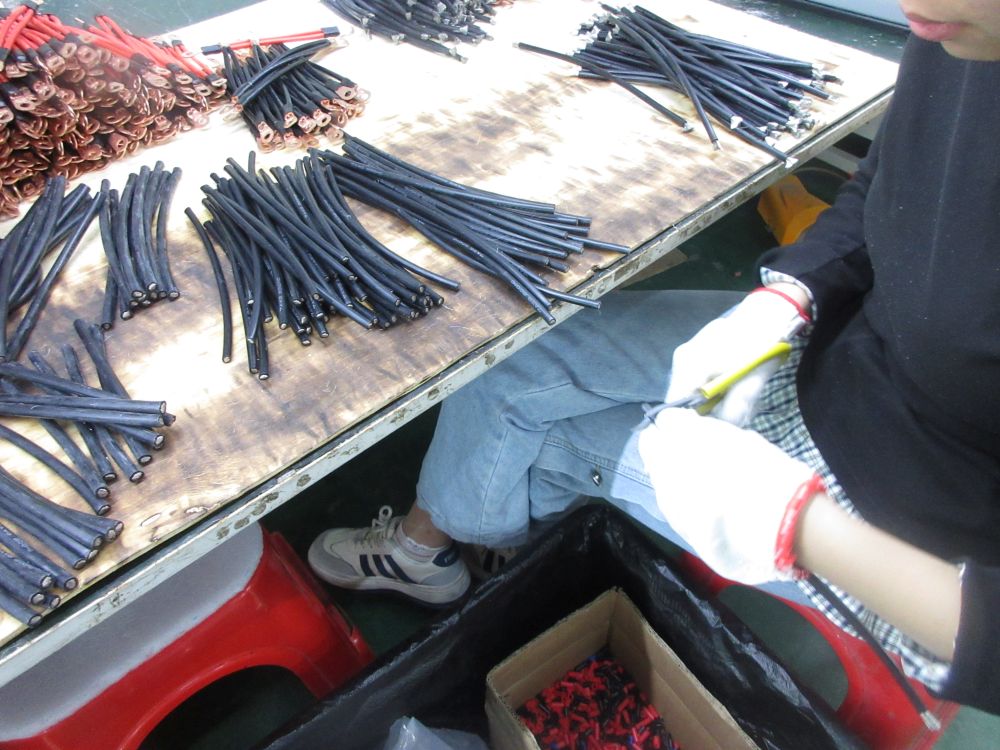
Cutting Wire
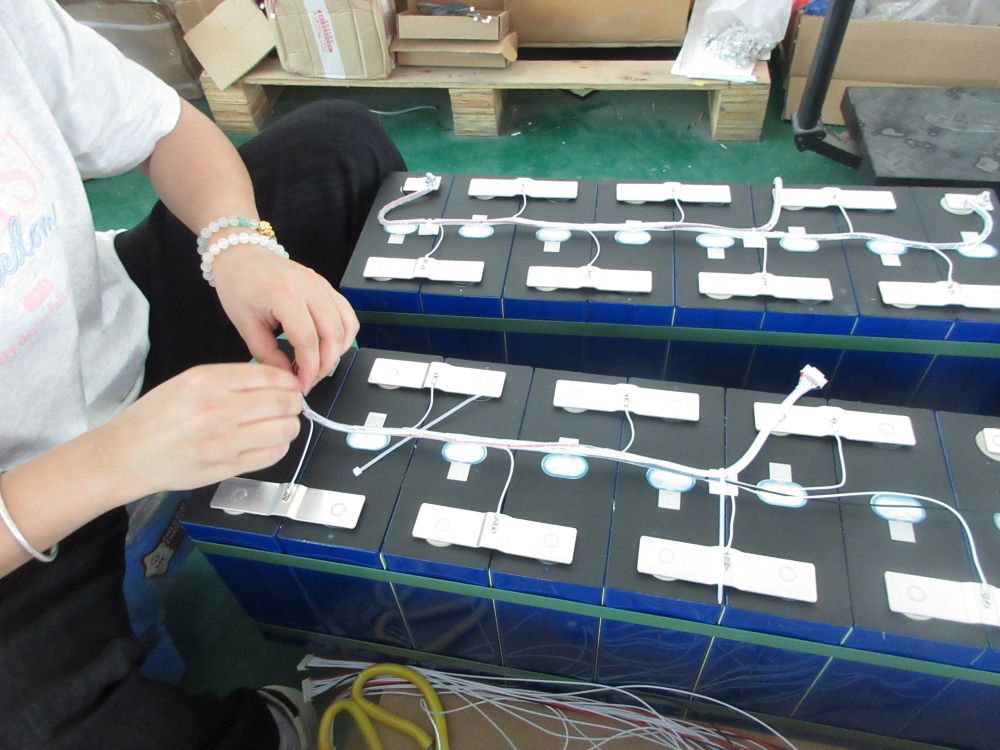
Connect the Wires
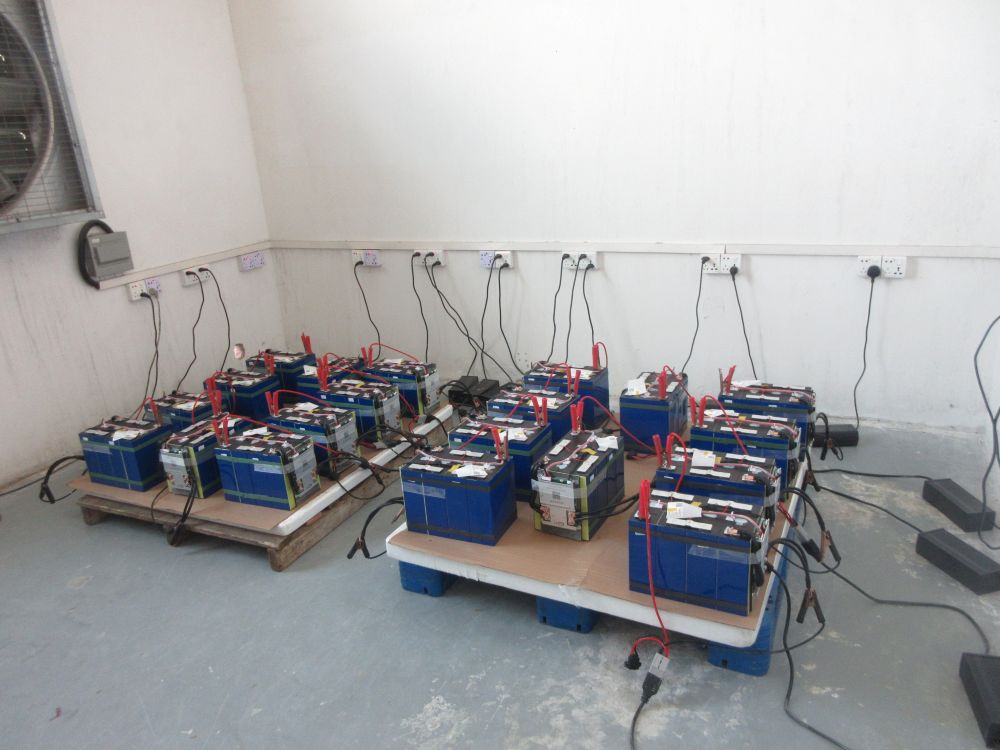
Charging
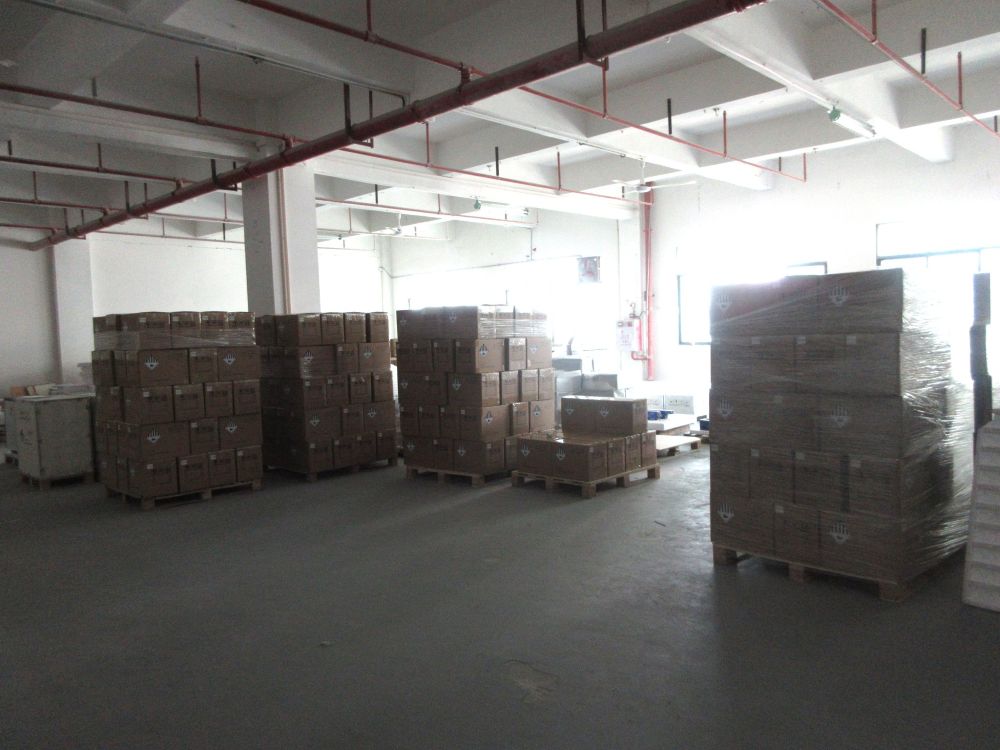
Storage
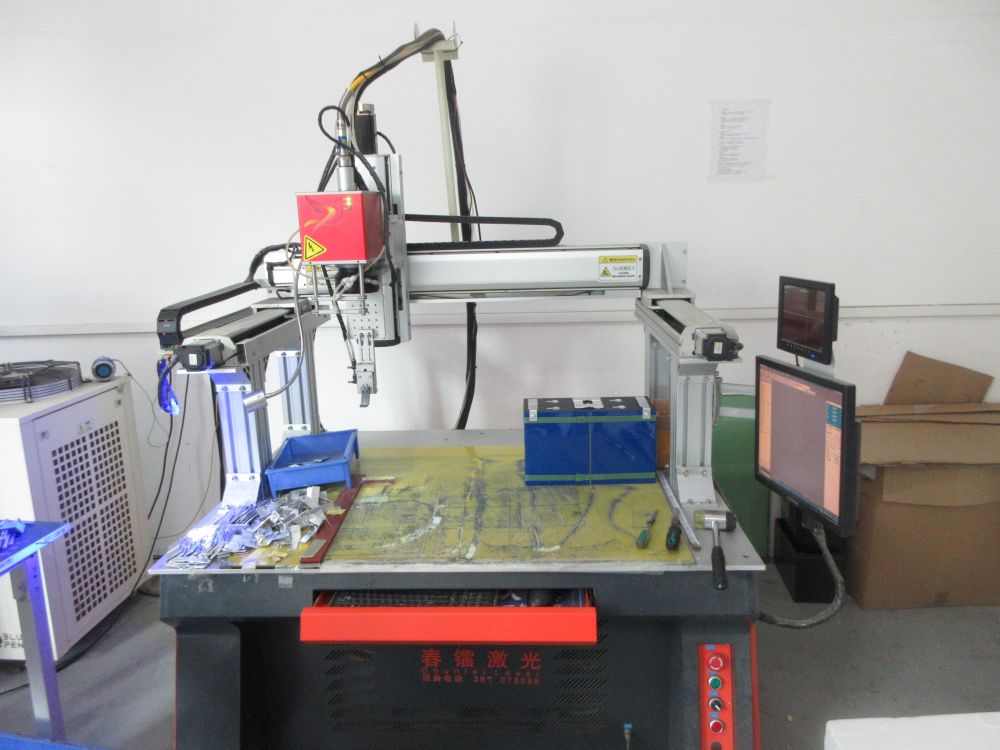
Laser Spot Welding Machine
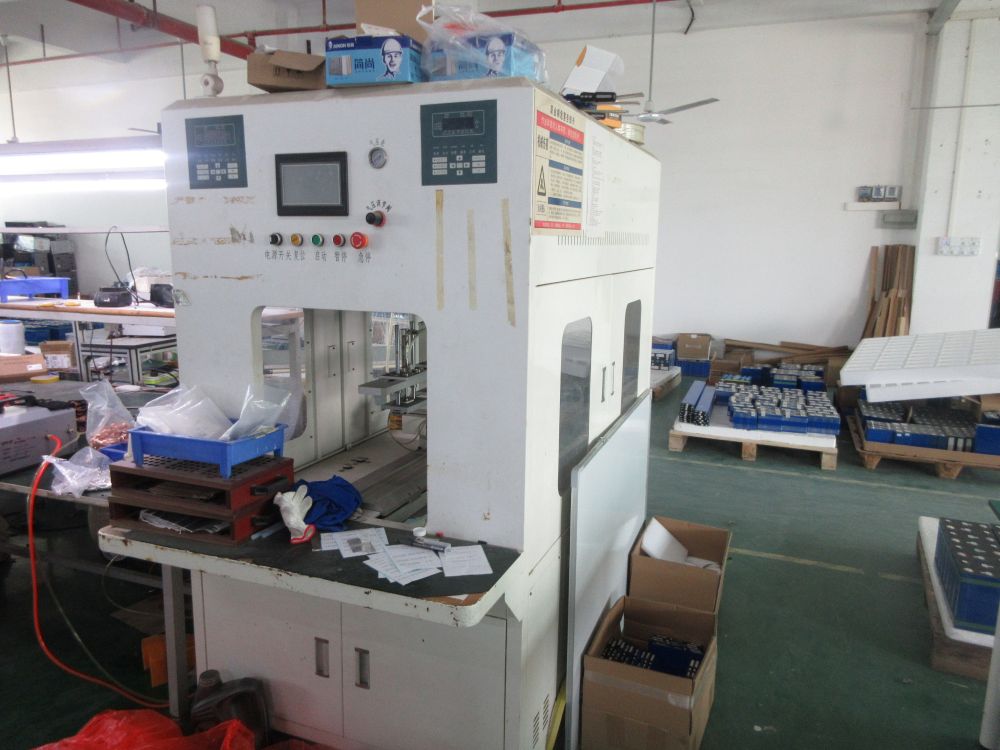
Spot Welding Machine
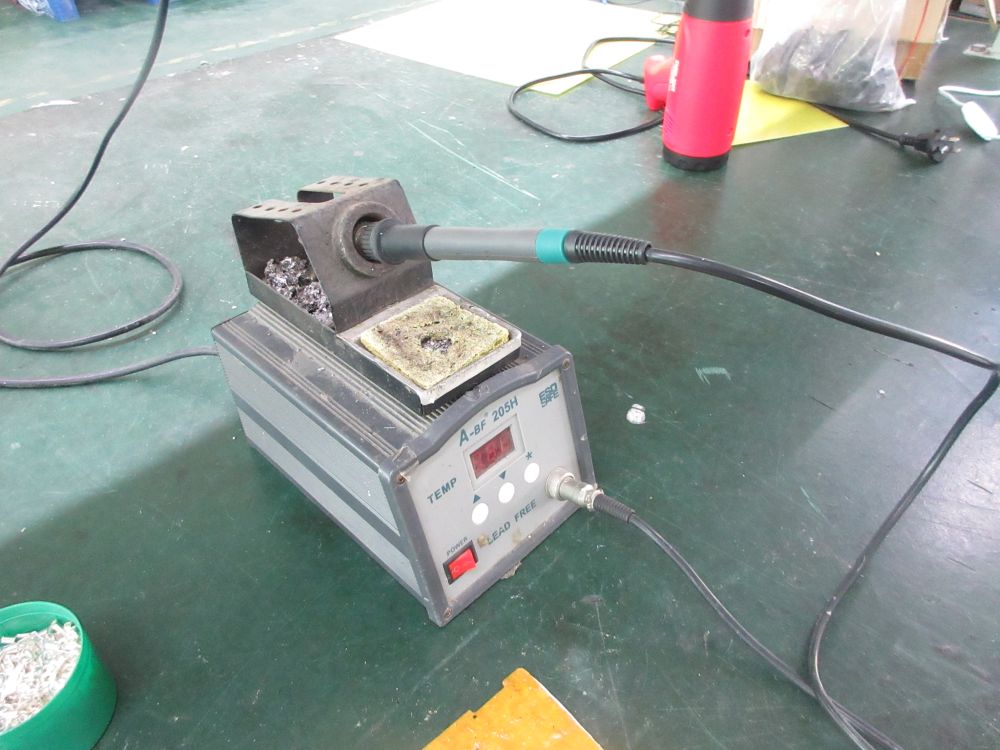
Electric Soldering Iron
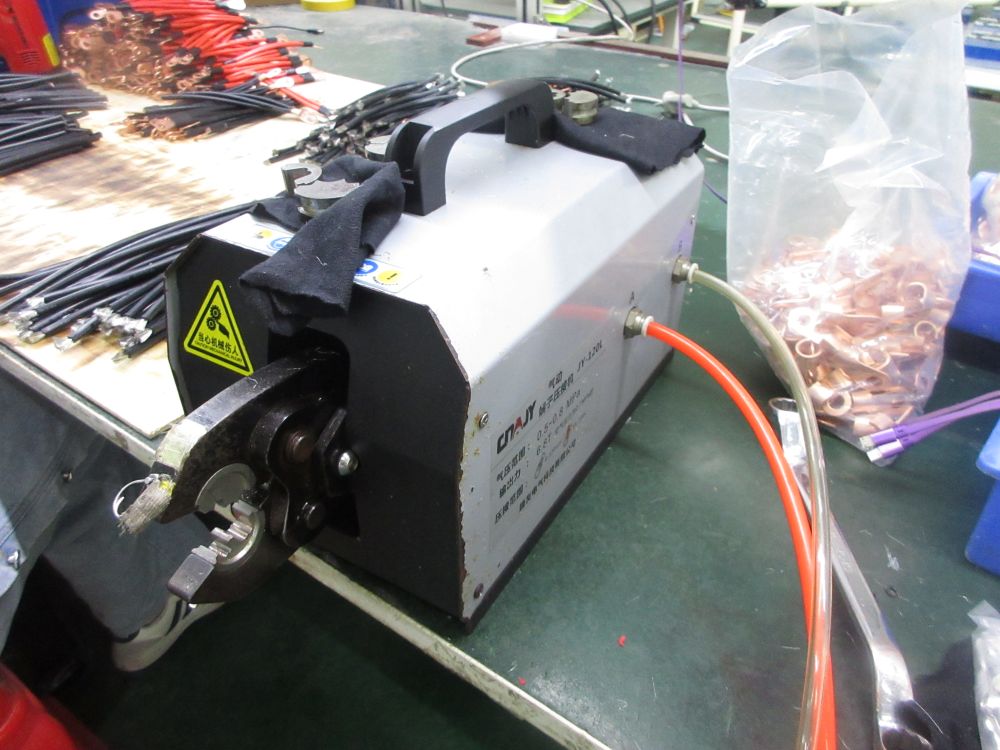
Terminal Crimping Machine
From manufacturing complexes in Lombardy to off-grid solar farms in Sicily, discover how containerized energy storage is optimizing regional infrastructure.
High concentration of manufacturing hubs in Lombardia and Veneto face peak energy costs during high demand hours. A containerized BESS offsets peak charges by charging during low-rate nighttime hours and discharging at peak production times.
In solar-abundant regions like Sicily and Puglia, solar production often exceeds grid limits. Integrated containerized storage systems store excess energy and feed it into the grid during peak pricing windows.
Ultra-fast EV chargers along the Autostrada require immense localized surge power. Containerized BESS units act as dynamic power buffers, preventing grid overloads and avoiding costly substation upgrades.
Key indicators and global safety requirements that project managers must evaluate to ensure bankability and successful grid connection.
For deployment in the EU, container systems must pass several rigorous standards:
A BESS project's bankability depends on its financial return over the system's life cycle. Key performance indicators include:
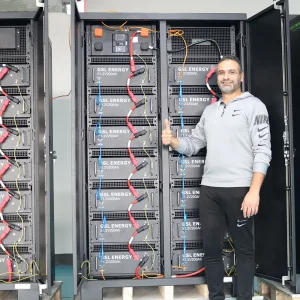
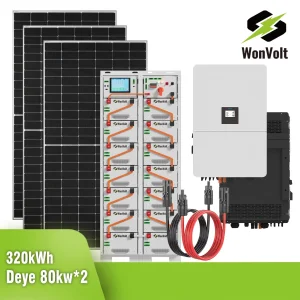
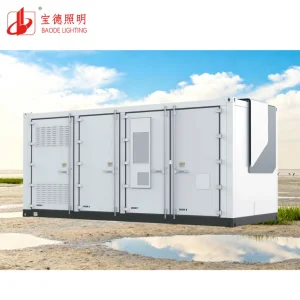
Browse our full range of CE-certified containerized configurations, hybrid PCS solutions, and utility-scale liquid-cooled systems.
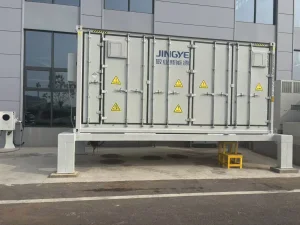
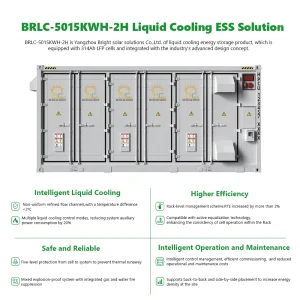
Expert answers regarding certifications, regulatory compliance, grid injection, and hardware configurations for the Italian energy storage market.
 Hudd Energy