Hudd Energy
1 / 5
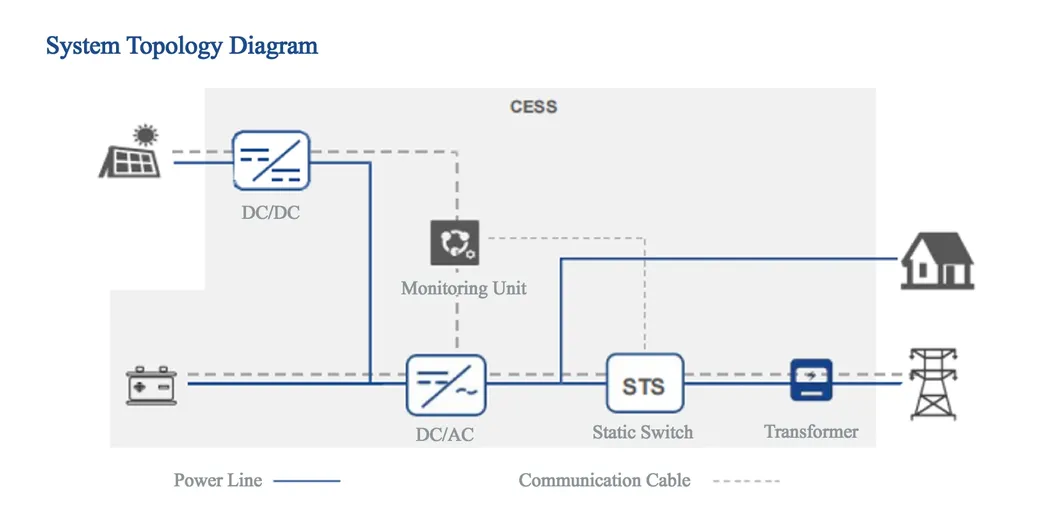
When sunlight irradiates solar panels, based on the photovoltaic effect, semiconductor materials in the panels absorb photon energy, generating electron-hole pairs that form an electric current. This process converts solar energy into direct current (DC).
The DC power generated by the solar panels enters a controller, which monitors parameters (such as voltage and current) and adjusts the charging process from the panels to the battery. This ensures safe charging and prevents overcharging.
The battery stores electrical energy through internal chemical reactions, converting it into chemical energy for storage. When sunlight is insufficient, it reverses the process, converting chemical energy back into electrical energy for output.
An inverter transforms the DC power from the battery into standard alternating current (AC). It also controls the quality of the output by regulating parameters like voltage and frequency to meet grid-standard requirements.
The AC power generated by the inverter is transmitted to various electrical loads to meet their power demands. The system dynamically balances and stabilizes the power supply according to real-time load requirements, ensuring stable operation.
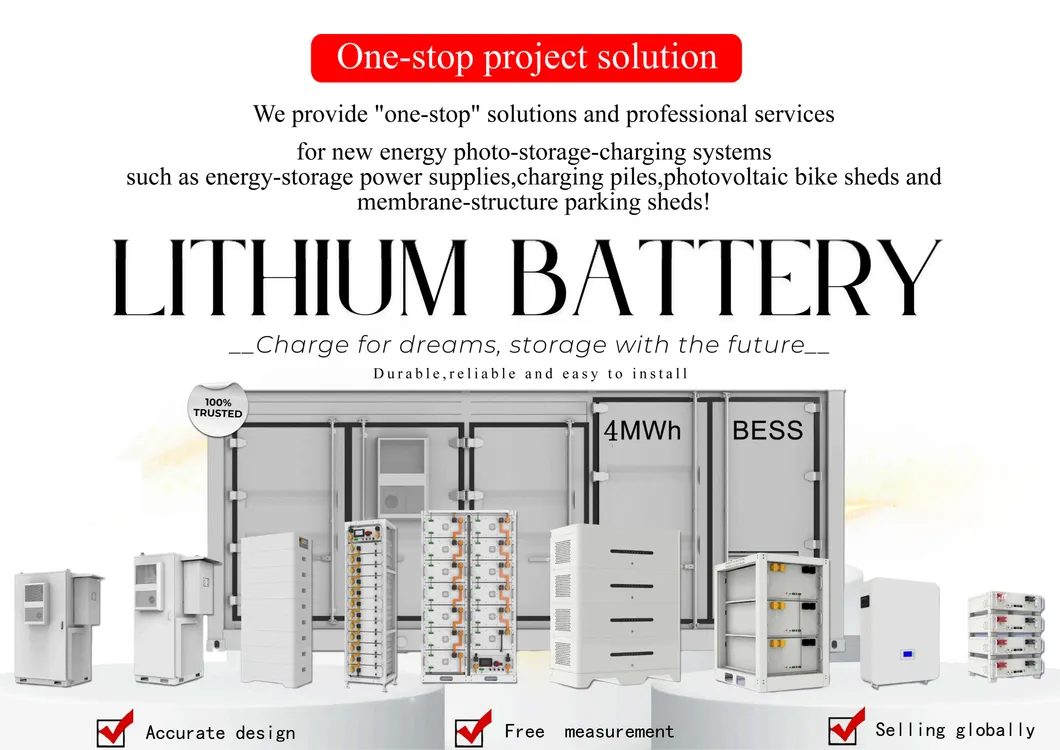
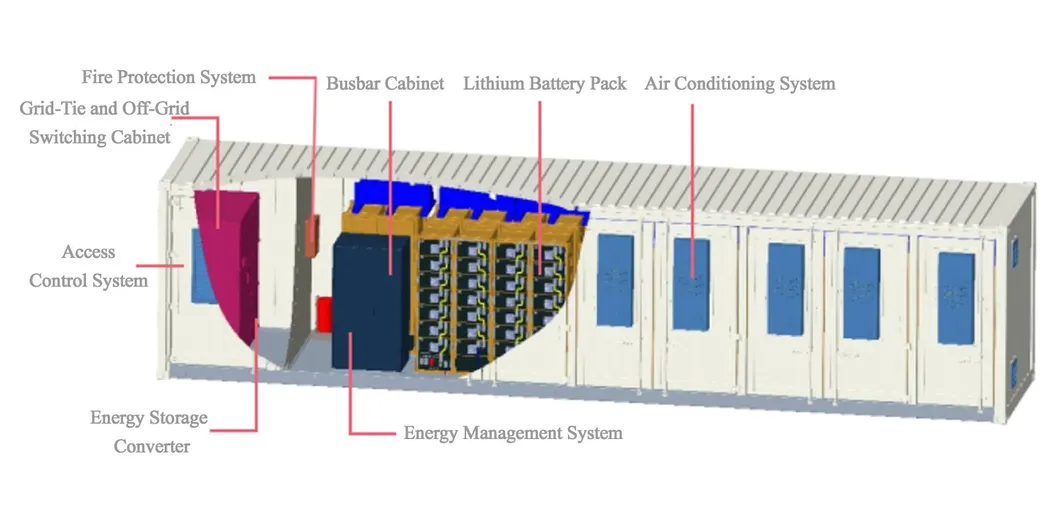
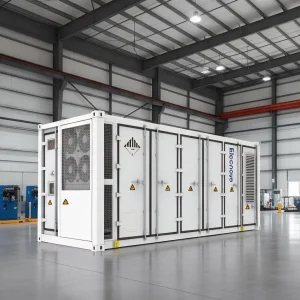
| Serial Number | Project Number | Feature | FH-1500KW/3.72MWH |
|---|---|---|---|
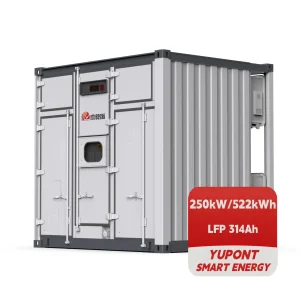
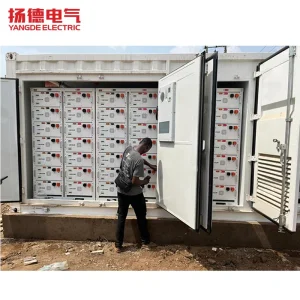
| 1 | DC Side Parameters | Battery Module | 166.4V280Ah |
| Series-Parallel Connection Mode of System | 10P416S | ||
| System Nominal Voltage | DC 1331.2V | ||
| System Nominal Capacity | 2800Ah | ||
| Maximum Magnification | 0.5C | ||
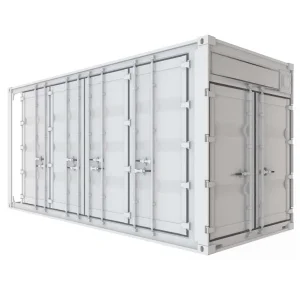
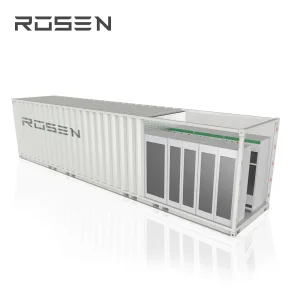
| 2 | Container | IP Rating | IP54 |
| Heat Dissipation Method | Liquid cooling+Air Cooling | ||
| Earthquake Resistance Grade | UBC Zone4 | ||
| Wind Resistance Grade | 15th Wind Scale | ||
| Ambient Temperature | -30~50ºC | ||
| Altitude | ≤3000m, Derating Considerations at High Altitudes | ||
| Size | 40HQ | ||
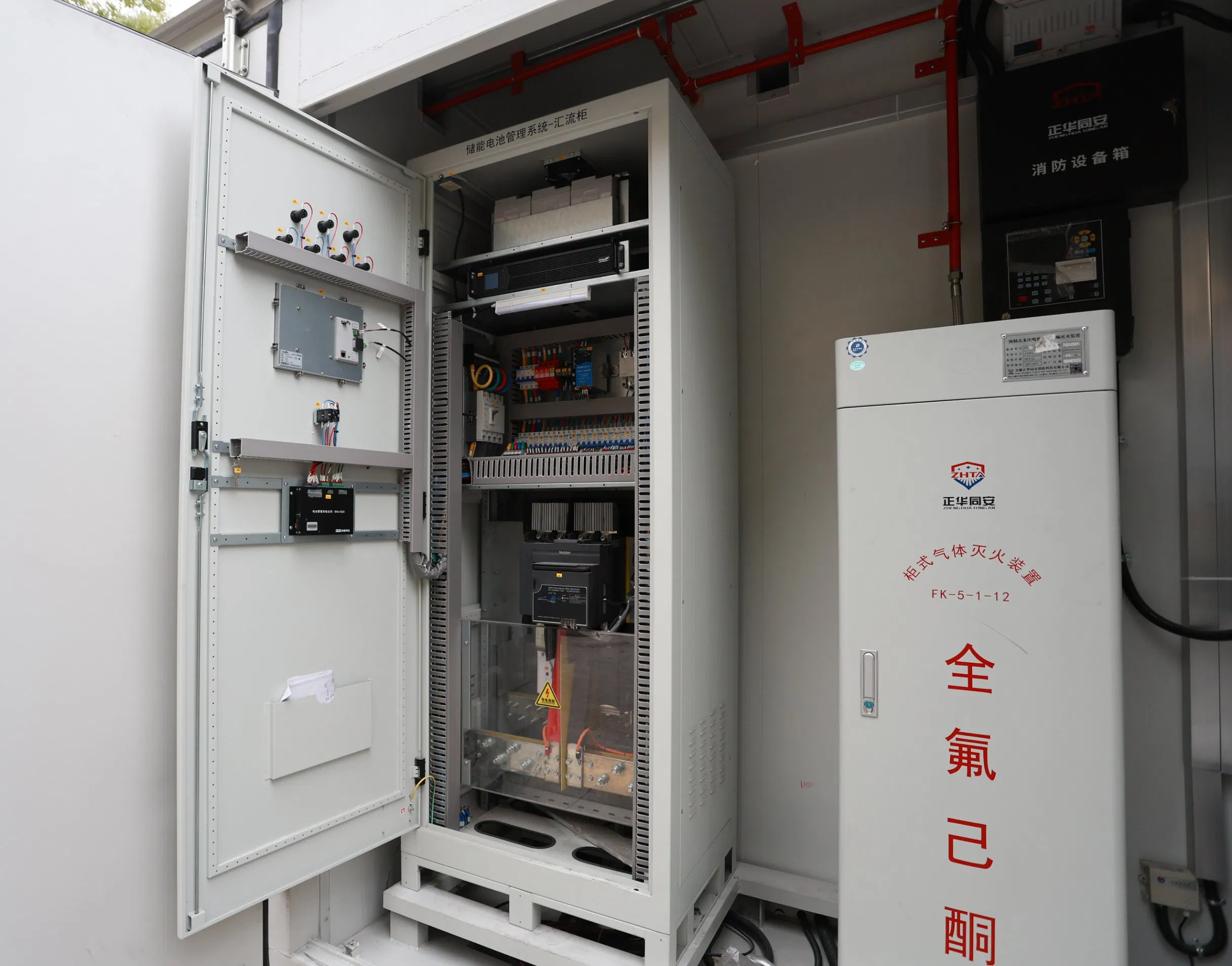
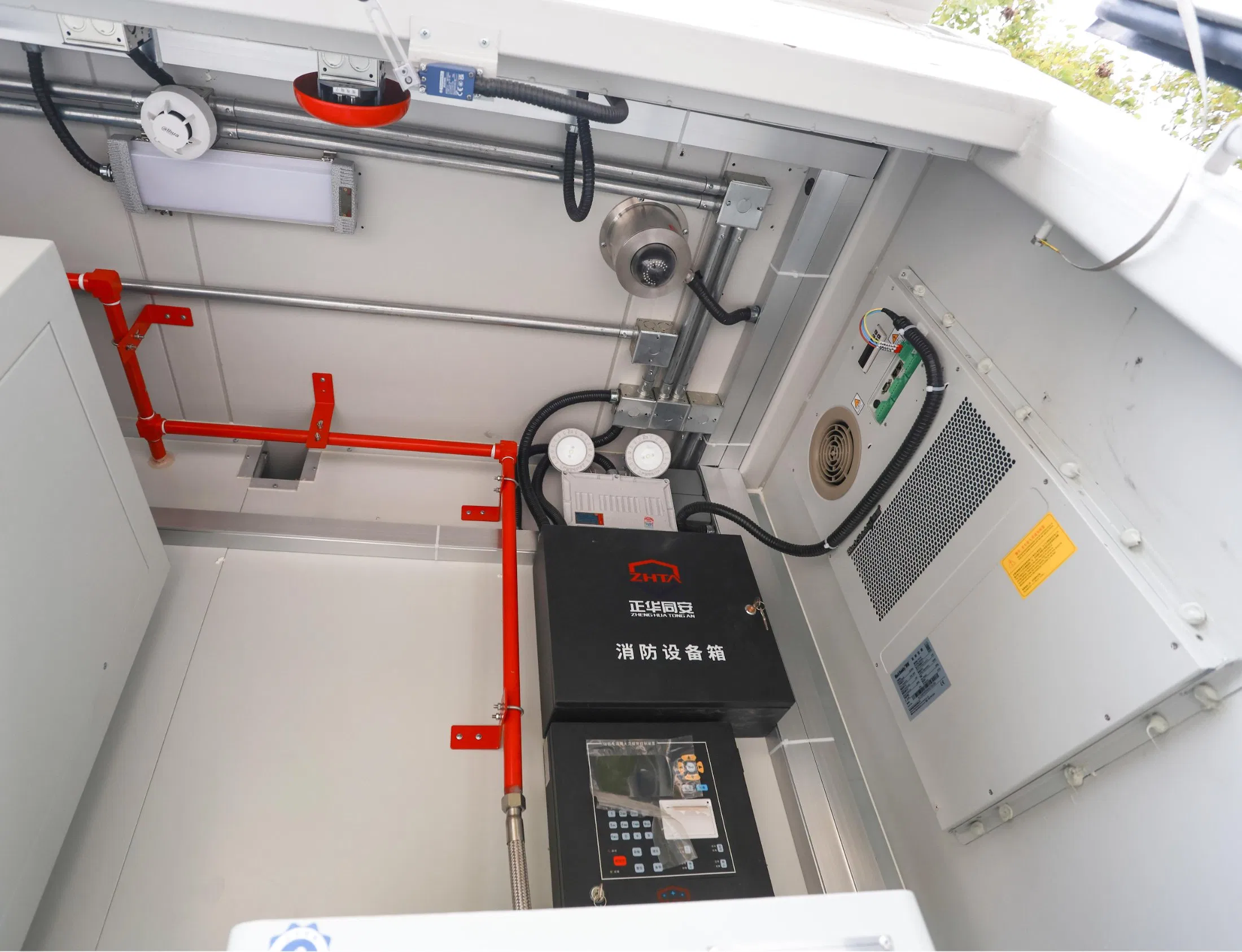
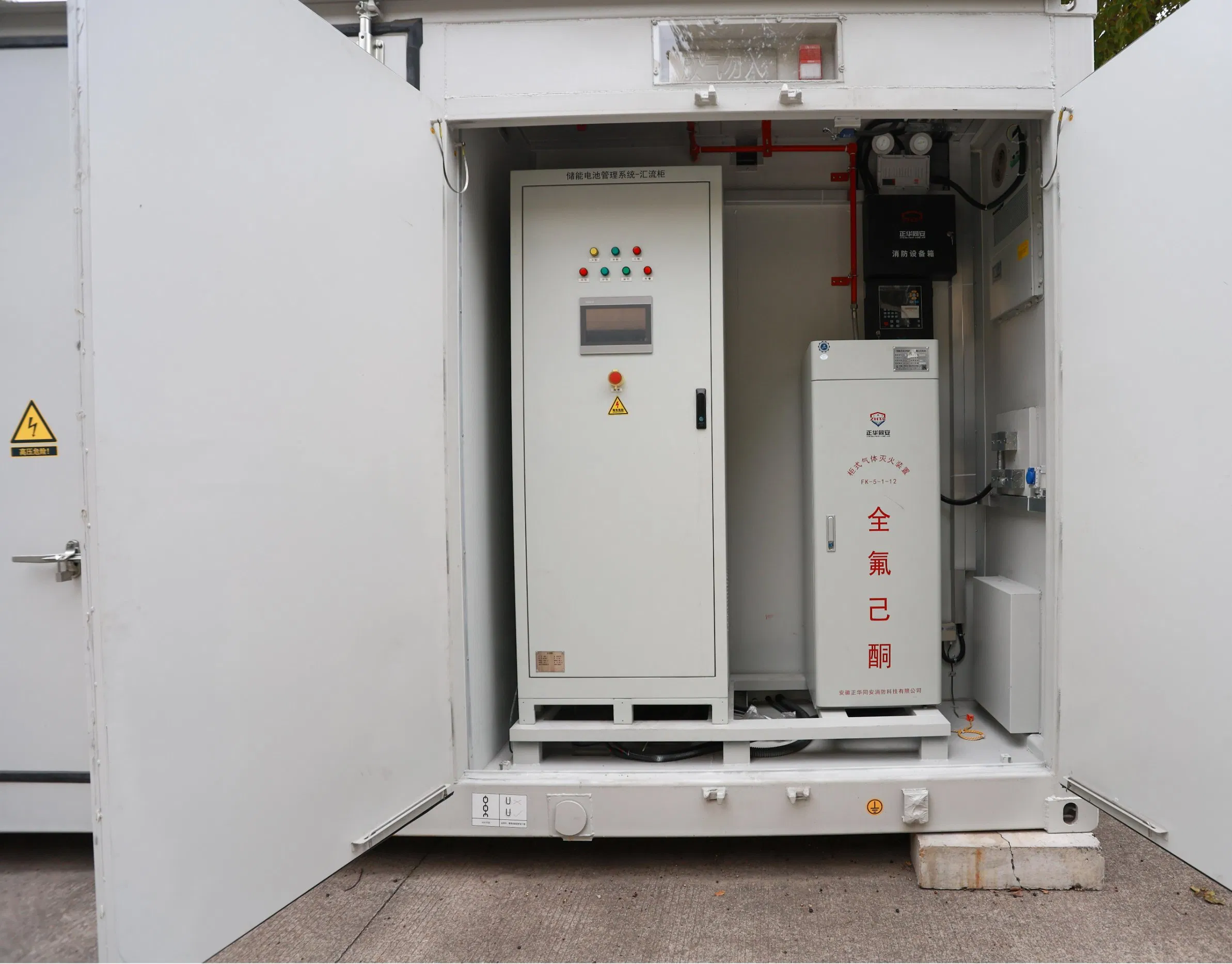
| 3 | Firefighting | Pack-level detection and spraying; Perfluorohexanone + Water fire protection |
Included |
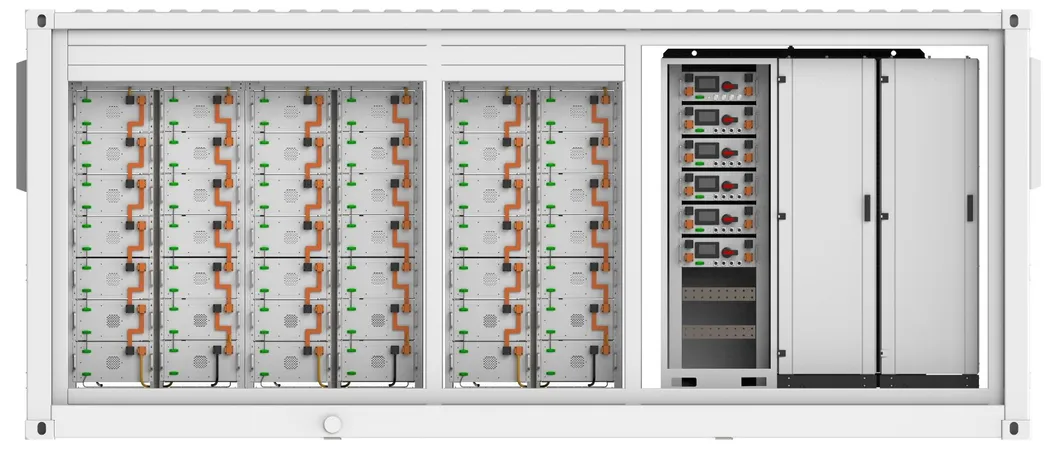
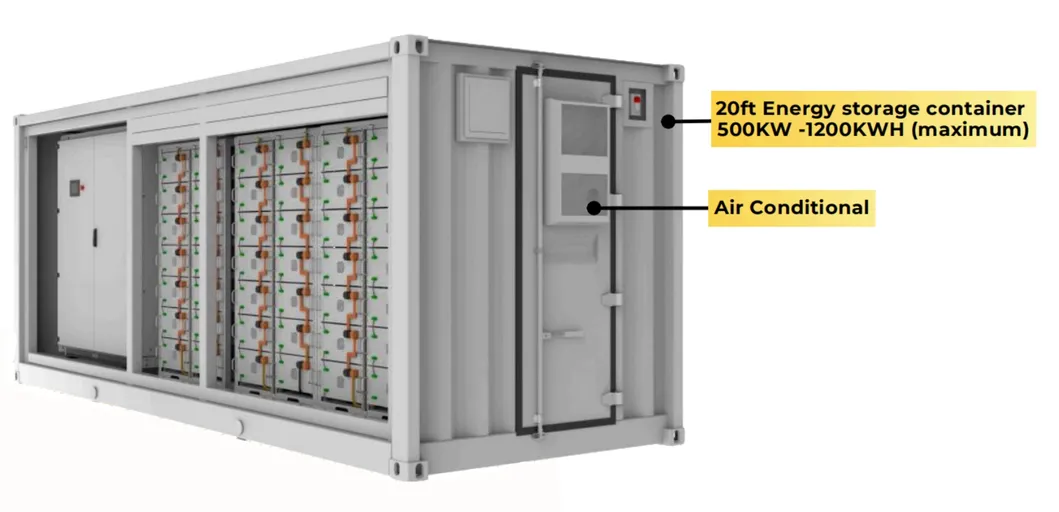
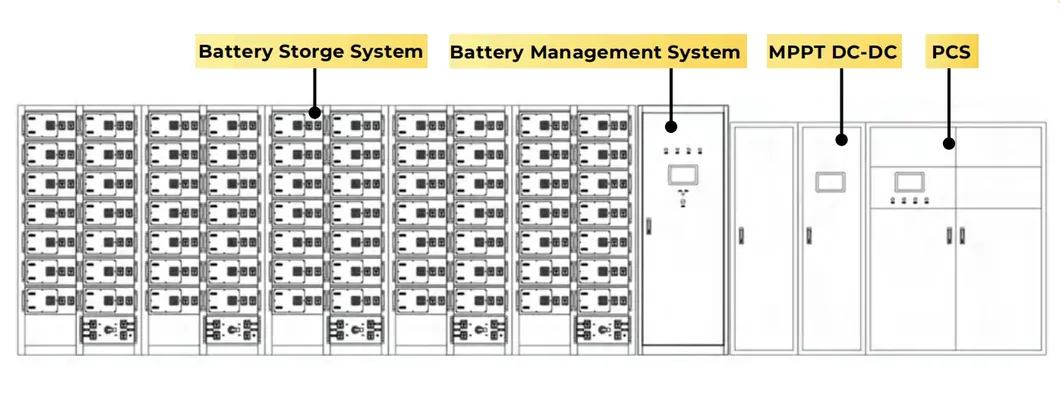
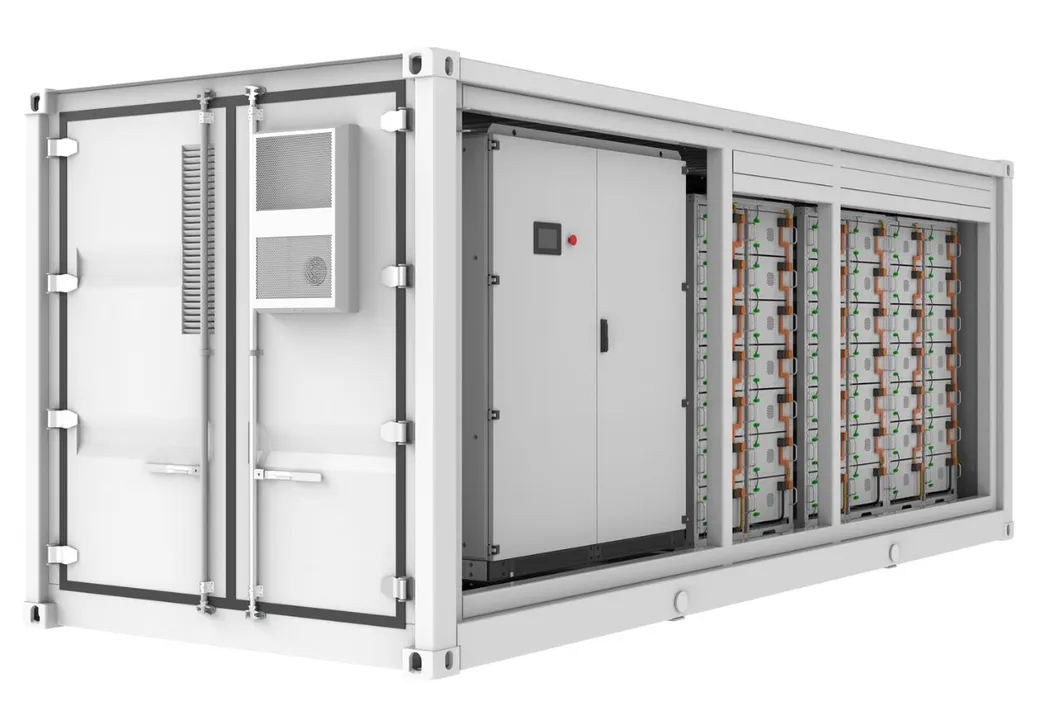
Hybrid Power Management
The solar energy storage and charging system combines the advantages of grid connected solar energy systems and off grid solar energy systems. It is connected to the grid and can sell the energy generated by solar energy to the grid. At the same time, it also has a supporting battery that can store electrical energy in the battery for use at night or on rainy days. If the electricity generated by solar energy is not sufficient, the power grid can charge the battery and supply power to the load.
Key Features & Specifications
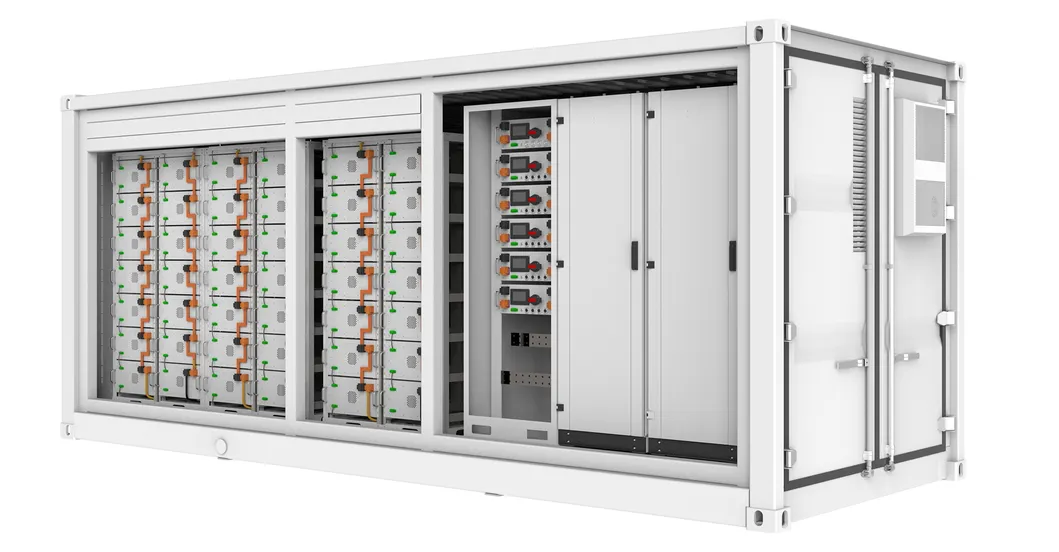
A Grid-Tied & Off-Grid Energy Storage System refers to an energy storage solution that can both connect to the power grid (grid-tied mode) and supply power independently (off-grid mode). It realizes automatic/manual mode switching through bidirectional power converters (PCS) and switching devices. Its core advantage stems from "dual-mode adaptability", which can address the single limitation of traditional grid-tied or off-grid energy storage systems.
When the power grid is cut off due to natural disasters (typhoons, earthquakes) or equipment failures, the system automatically switches to off-grid mode and uses energy storage batteries to continuously supply power to critical loads (hospital operating rooms, data centers).
Arbitrage through peak-valley electricity prices to reduce electricity costs: In grid-connected mode, the system charges during off-peak electricity periods and discharges during peak electricity periods, creating profits by taking advantage of the price difference.
Smoothing the fluctuations of renewable energy: In grid-connected mode, the energy storage system can absorb the intermittent electric energy from photovoltaic and wind power, converting unstable power sources into stable electricity for grid connection, thereby reducing the impact on the power grid.