Explore high-capacity LiFePO4 batteries, containerized ESS solutions, and dynamic solar hybrid systems engineered for global sustainability initiatives.
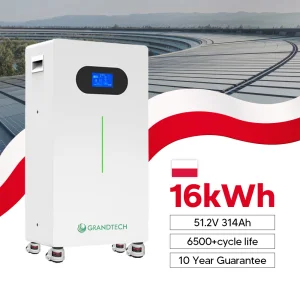
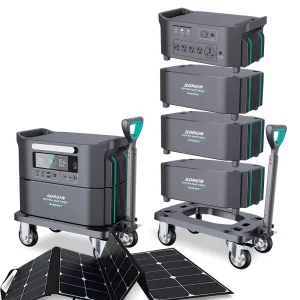
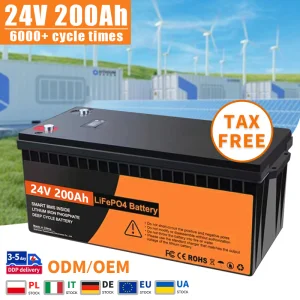
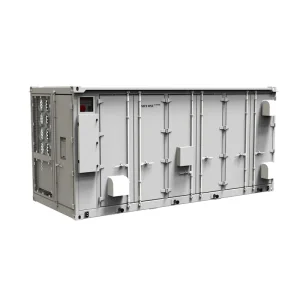
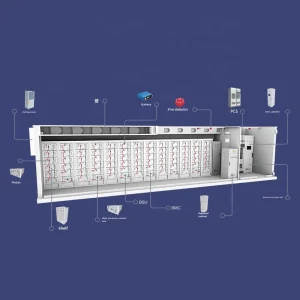
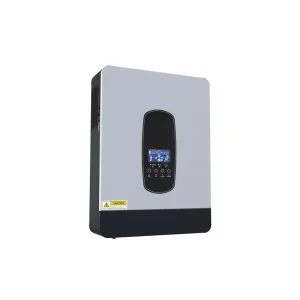
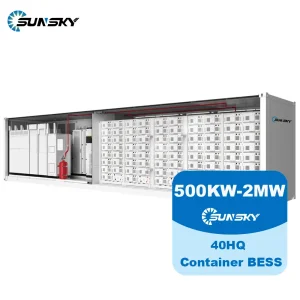
The global renewable energy paradigm is shifting rapidly from localized standalone generation to large-scale grid integration and microgrid self-sufficiency. As heavy industries, data centers, utilities, and commercial developers seek to decouple from high carbon emissions and unstable municipal energy grids, the reliance on top-tier solar energy products factories and suppliers has become absolute. It is no longer just about buying PV panels or modular batteries; it is about engineering resilient, dispatchable green energy ecosystems.
Modern B2B solar buyers prioritize suppliers who provide deep information transparency regarding their cell chemistry (LFP vs. NMC), battery management systems (BMS), thermal runaway prevention systems, and environmental compliance frameworks. This page acts as a comprehensive industry whitepaper, highlighting technical baselines, operational execution, and factory standards.
The solar hardware value chain is undergoing structural shifts characterized by three main developments:
Global procurement offices face a complex trilemma when sourcing solar and storage components: *Cost efficiency*, *Regulatory compliance*, and *Logistical dependability*. The risk of project delays due to non-compliant BMS software, customs blockages, or failure to secure UN38.3, CE, or UL1973 certifications can cost developers millions of dollars in liquidated damages. Working with integrated suppliers like Guangdong Hudd Energy Co., Ltd. mitigates these structural risks by bridging the gap between direct manufacturing and institutional-grade financial and logistical solutions.
Guangdong Hudd Energy Co., Ltd. is a professional provider of renewable energy products, energy storage solutions, and integrated smart energy systems. The company specializes in the development, supply, and integration of advanced energy storage systems (ESS), solar power solutions, EV charging infrastructure, and integrated solar-storage-charging stations, delivering efficient, reliable, and sustainable energy solutions to customers worldwide.
Beyond supplying individual products, Hudd Energy offers comprehensive system integration services tailored to diverse project requirements. Leveraging extensive industry expertise, the company provides end-to-end support covering solution design, equipment selection, system integration, project management, commissioning, and after-sales services. This enables customers to implement optimized energy solutions with enhanced efficiency, performance, and long-term reliability.
With strong partnerships across China's manufacturing ecosystem, Hudd Energy benefits from a robust and competitive supply chain, ensuring high-quality products, stable delivery schedules, and cost-effective solutions. The company also maintains strategic cooperation with financial institutions and banking partners, providing flexible trade finance support and secure transaction services to facilitate the successful execution of international projects.
Hudd Energy's product portfolio serves a wide range of applications, including residential, commercial, industrial, utility-scale energy storage projects, electric vehicle charging networks, and distributed renewable energy systems. The company is committed to helping customers reduce energy costs, improve energy independence, and achieve their sustainability goals.
Over the years, Guangdong Hudd Energy has successfully expanded its presence in international markets, particularly in Southeast Asia, South America, the Middle East, and Africa, earning the trust and recognition of clients through reliable products, professional services, and long-term partnerships.
Looking ahead, Guangdong Hudd Energy Co., Ltd. will continue to drive innovation in clean energy technologies, strengthen its global market presence, and contribute to the worldwide transition toward a greener, smarter, and more sustainable energy future.
A transparent look at the advanced manufacturing, precision cell welding, testing, and warehousing workflows that guarantee industrial reliability.
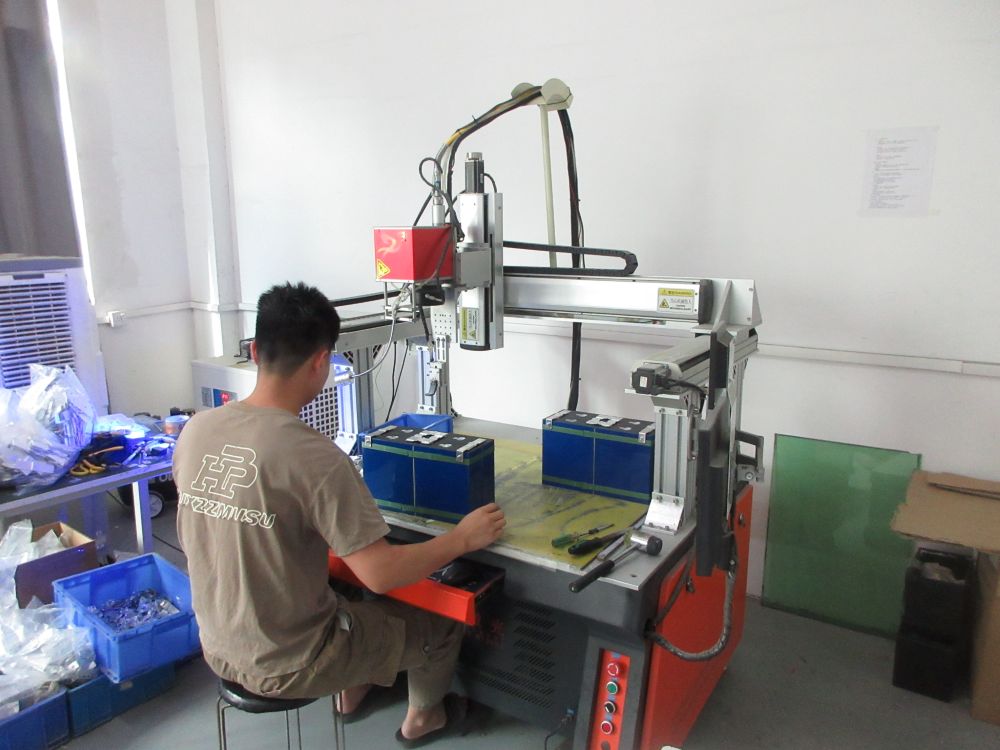

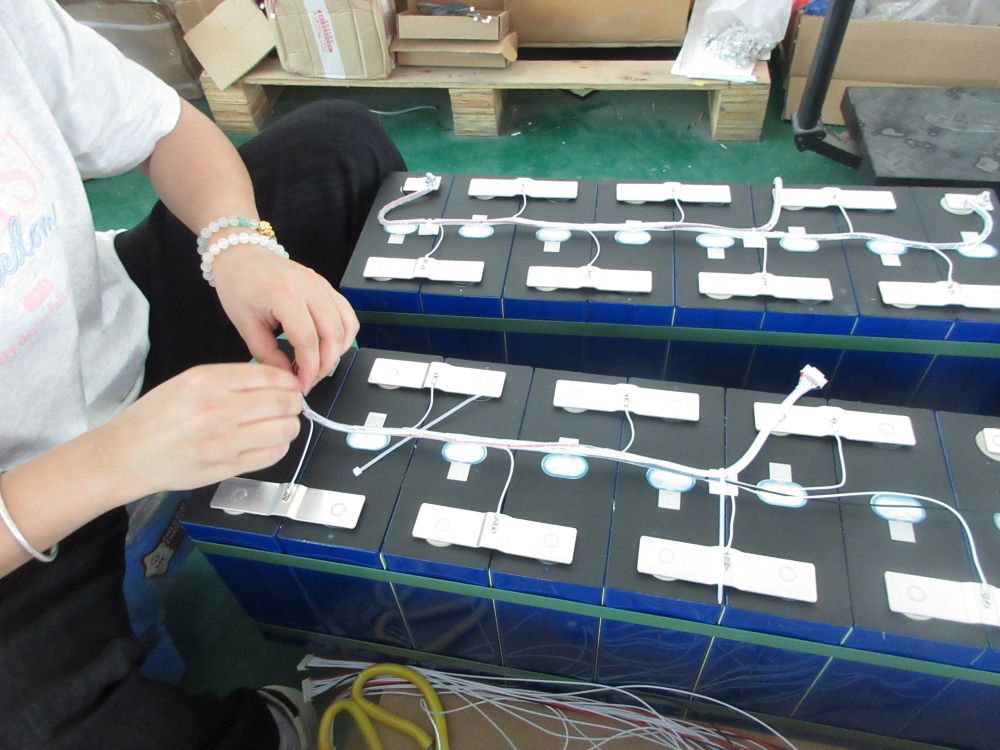
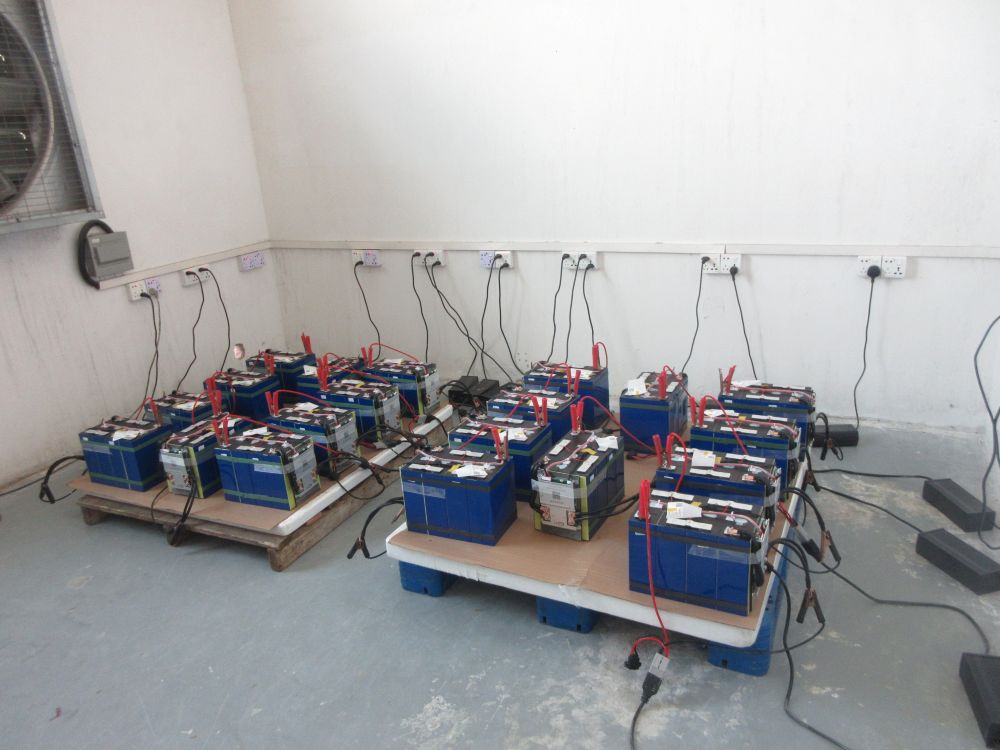
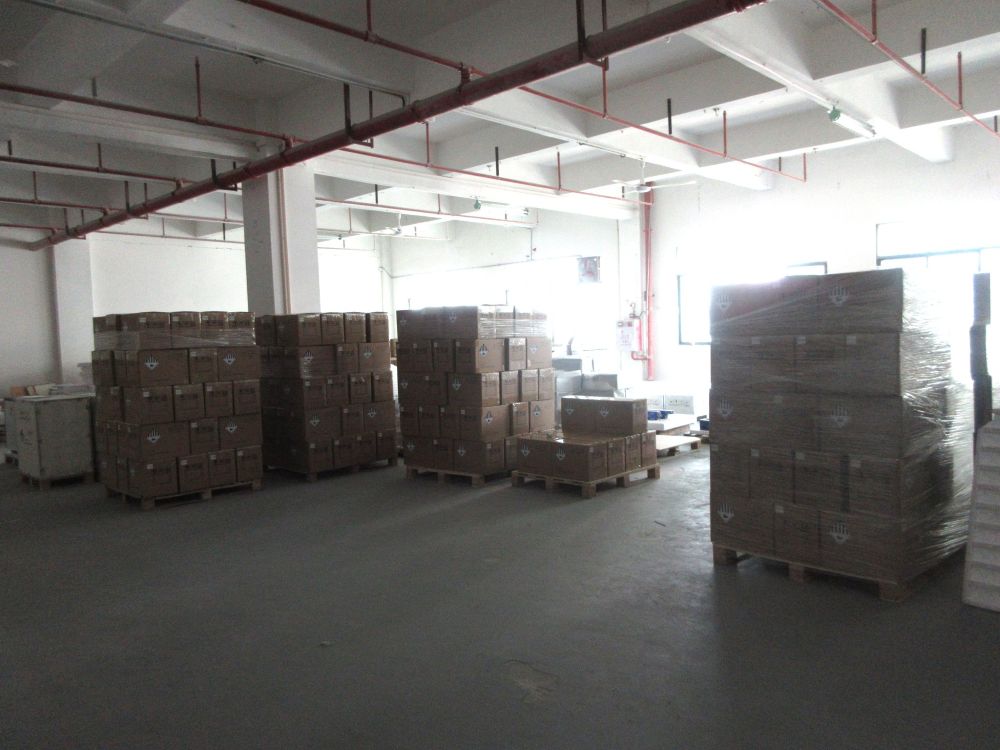
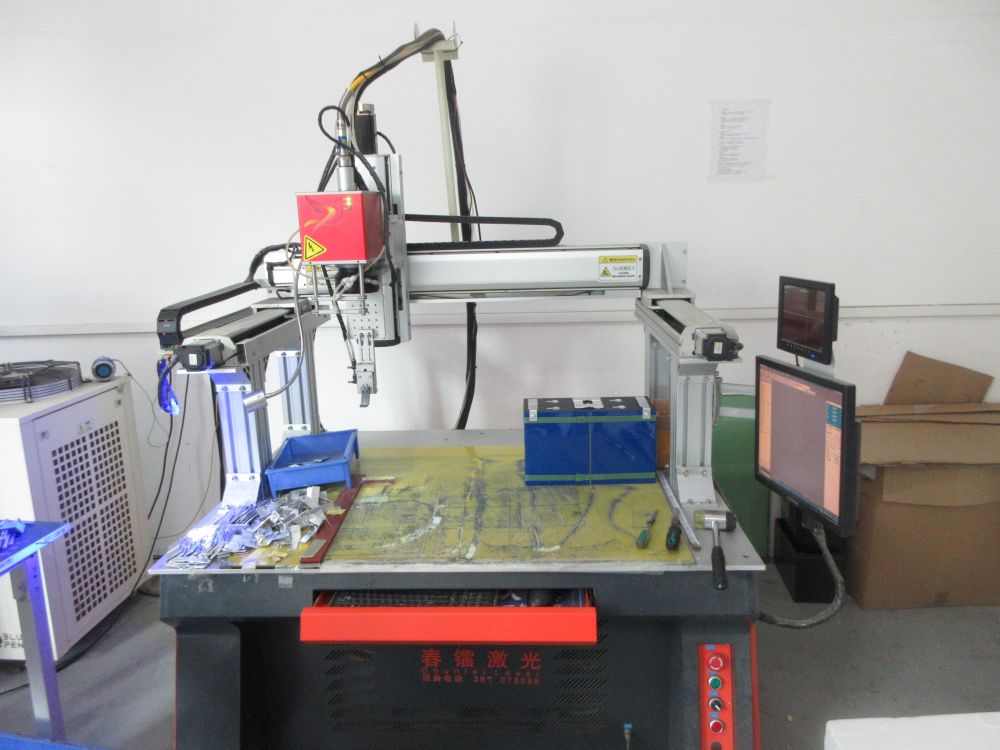
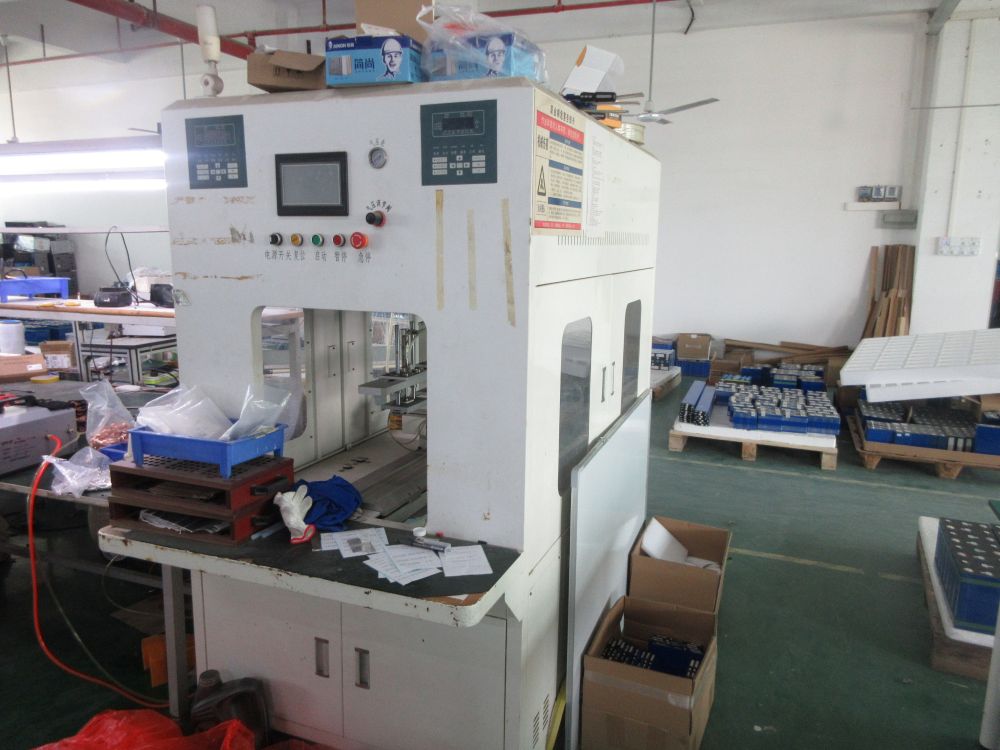
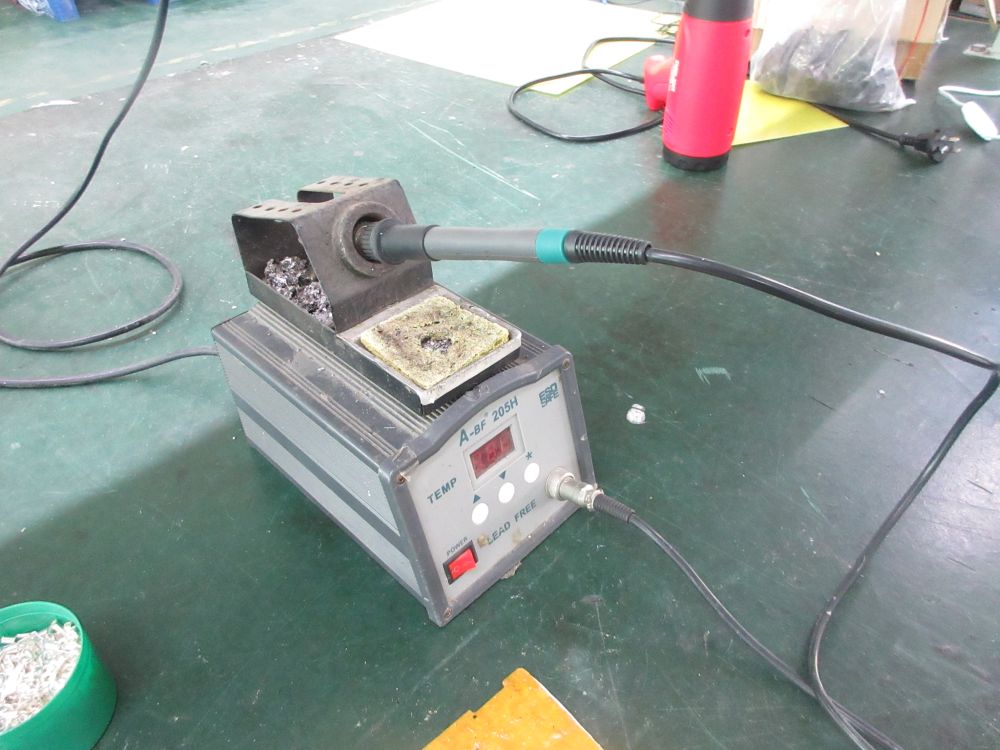
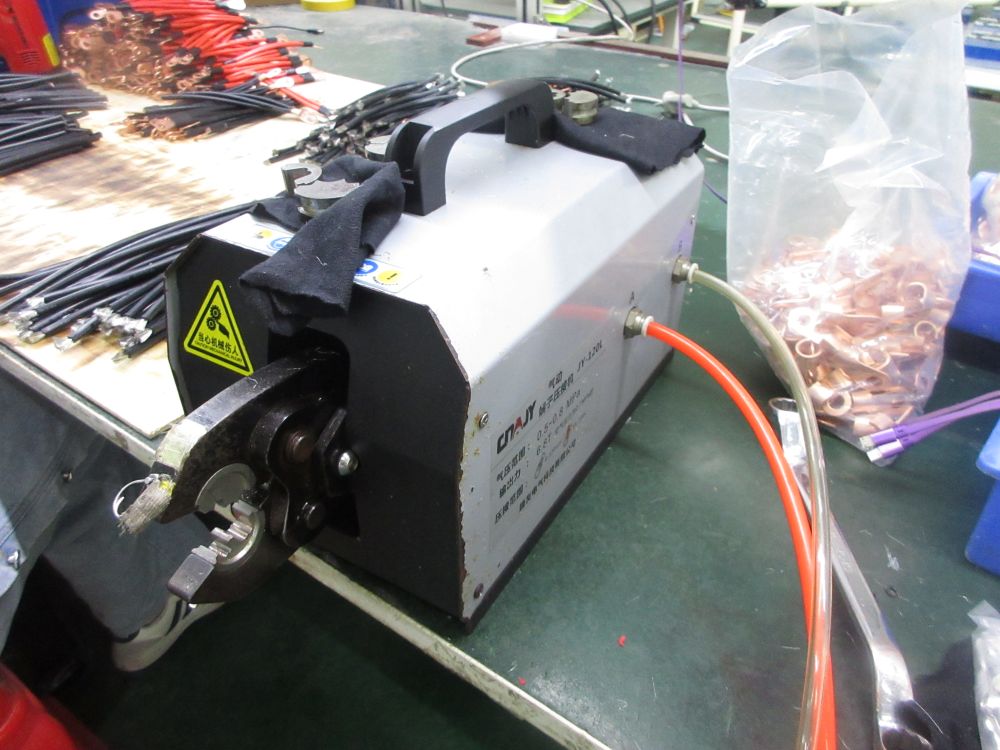
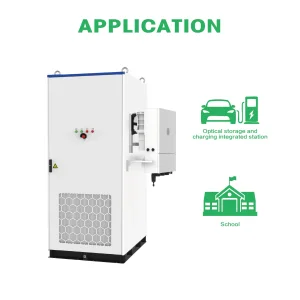
Adapting solar technologies to local systems requires structural alignment between components. Standard setups are designed for the following applications:
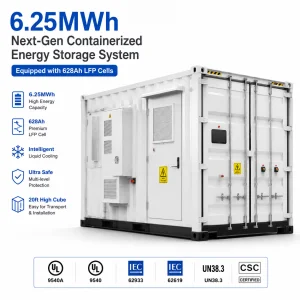
Navigating global regulatory landscapes requires manufacturers to meet standard safety and performance testing. In North America and Europe, products must comply with codes like UL 9540A for thermal runaway propagation, alongside UN38.3, CE, and IEC 62619 standards. Beyond paperwork, manufacturers must offer support that matches regional grid frequencies (50Hz vs 60Hz), earthing standards (TN, TT, IT), and regional compliance rules, ensuring smooth integration with local infrastructure.
As standard LFP battery configurations approach their theoretical energy limits, the market is turning toward next-generation battery cell chemistry. The industry is currently exploring semi-solid-state and sodium-ion technologies to improve performance. Sodium-ion chemistry offers reliable operation at temperatures as low as -40°C, while semi-solid-state designs double energy density, reducing the physical space needed for utility installations. Additionally, AI-supported Energy Management Systems (EMS) are increasingly used to predict load demand, helping optimize battery performance and extend overall operational lifespans.
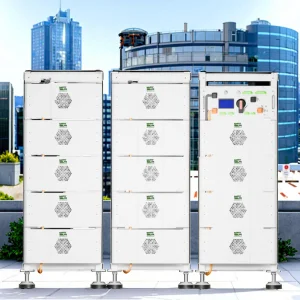
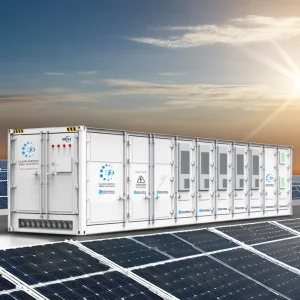
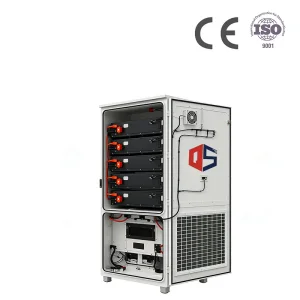
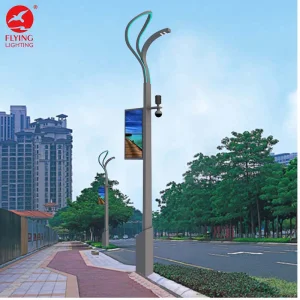
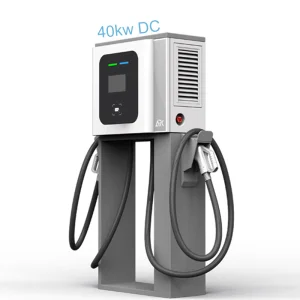
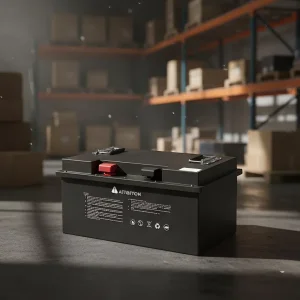
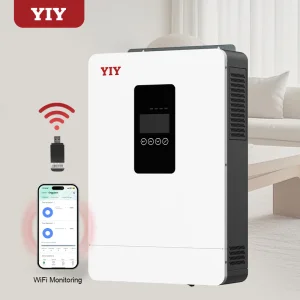
Advanced commercial cabinets, high-voltage battery banks, EV charging poles, and heavy utility storage containers built for extreme operating conditions.
Common questions from solar project engineers, procurement officers, and system integrators regarding BESS and solar products.
 Hudd Energy