Hudd Energy
1 / 5
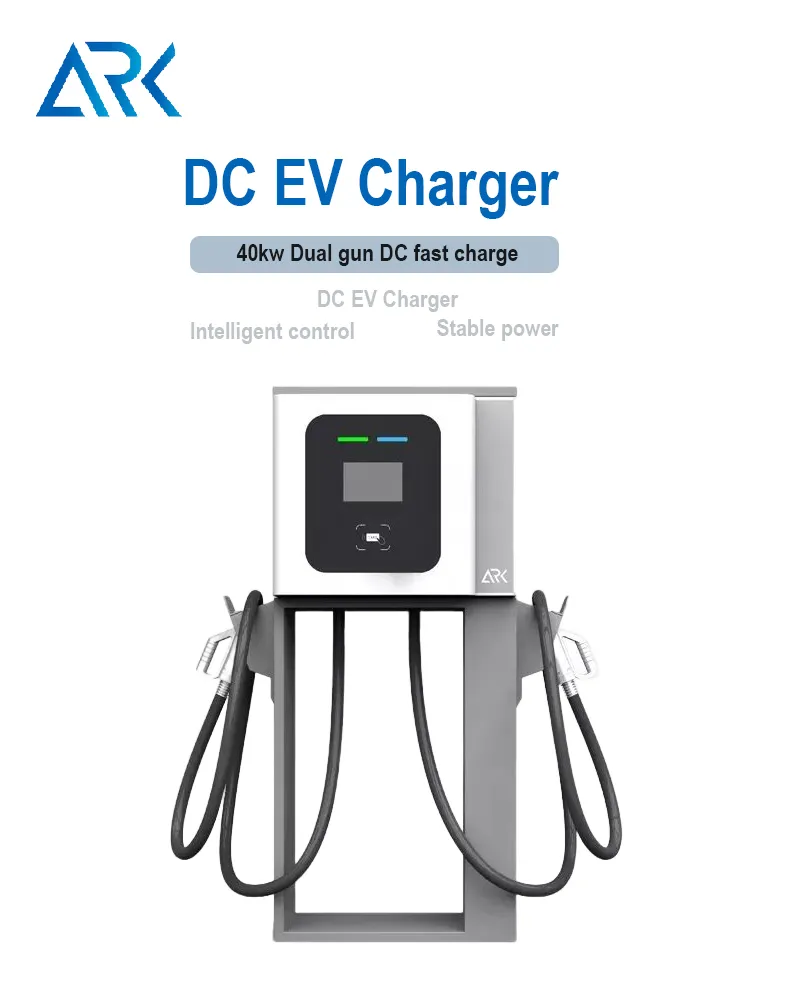
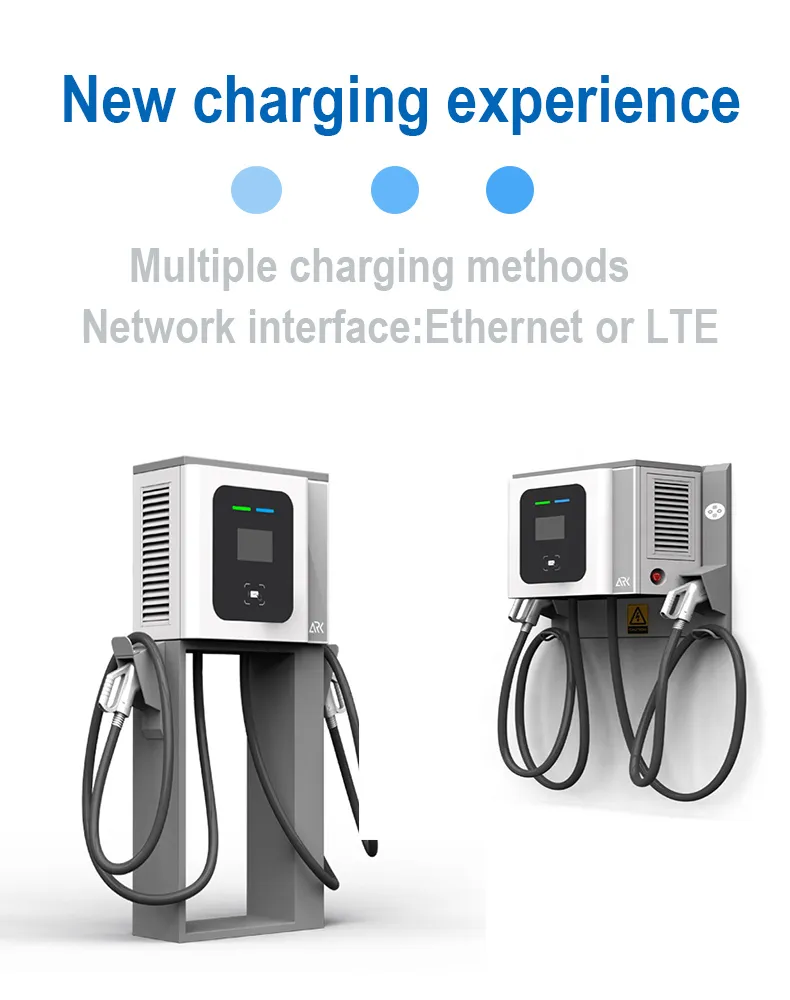
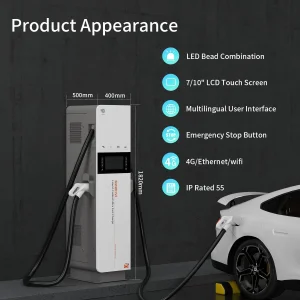
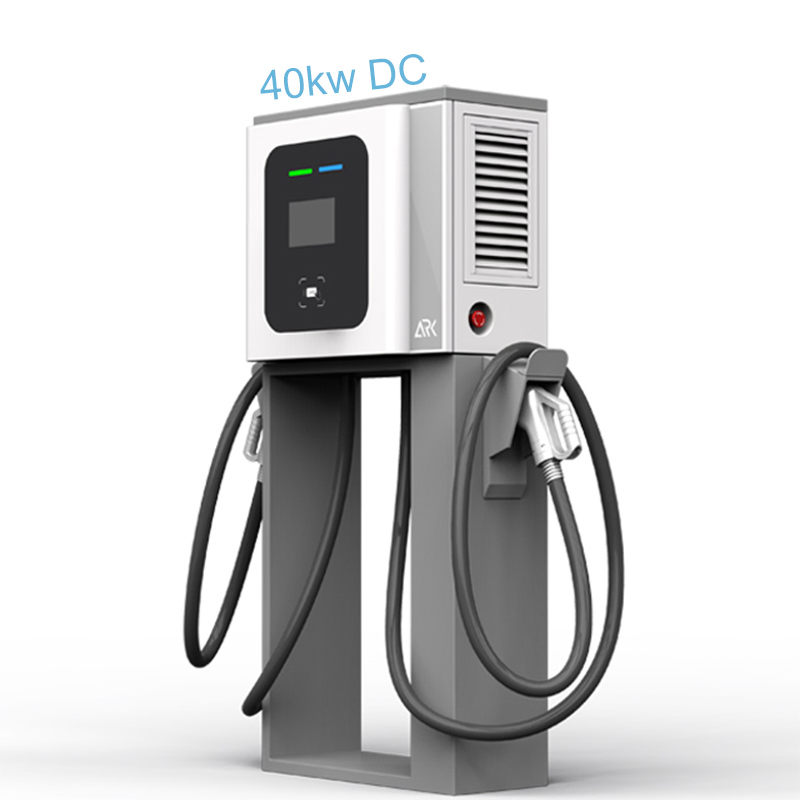
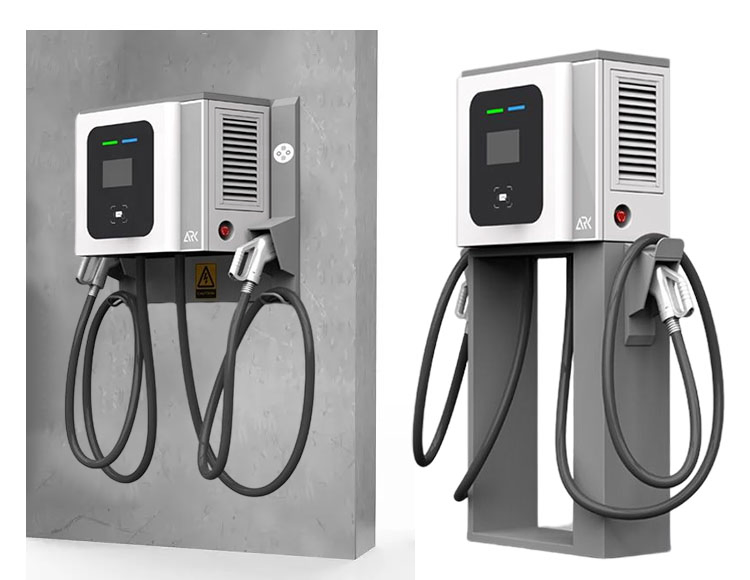
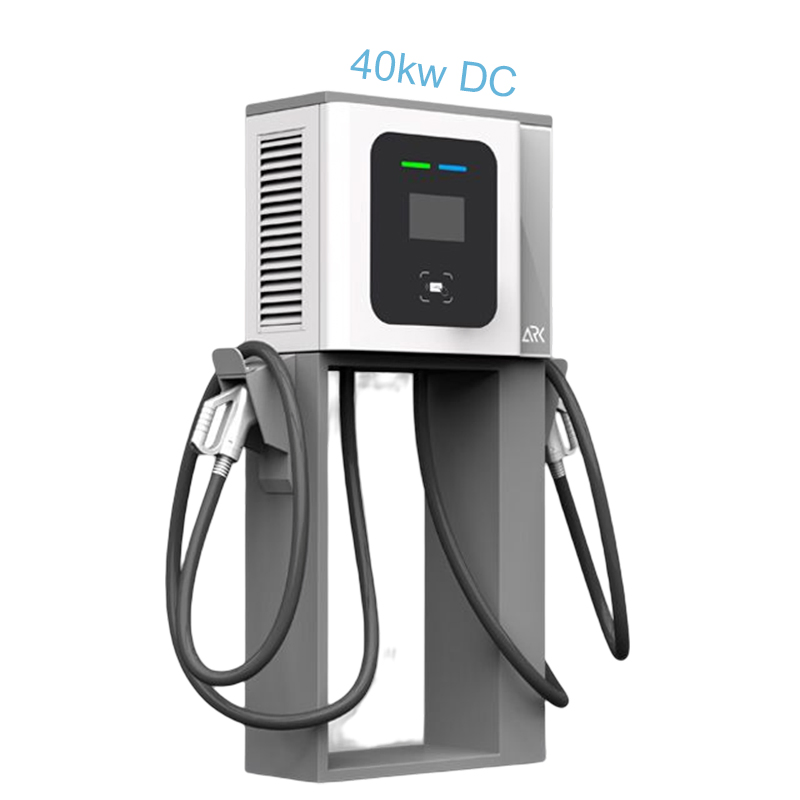
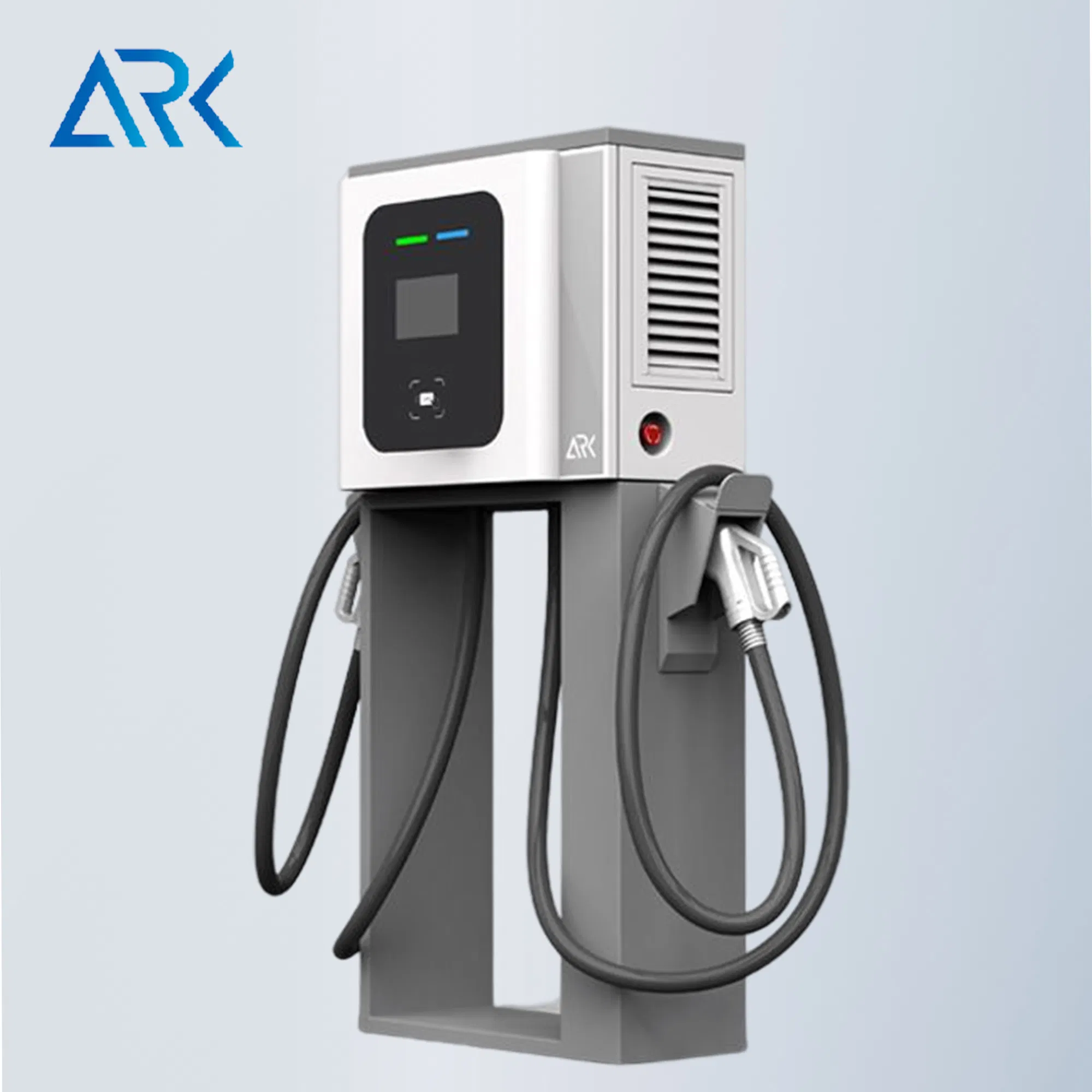
| Specification | Model | EF040 CJ040 |
|---|---|---|
| Structure | Application scenes | Commercial/Public charging station |
| Housing material | Metal case | |
| Dimension | 600 x 700 x 363mm, 1500 x 700 x 363mm (pedestal mount) | |
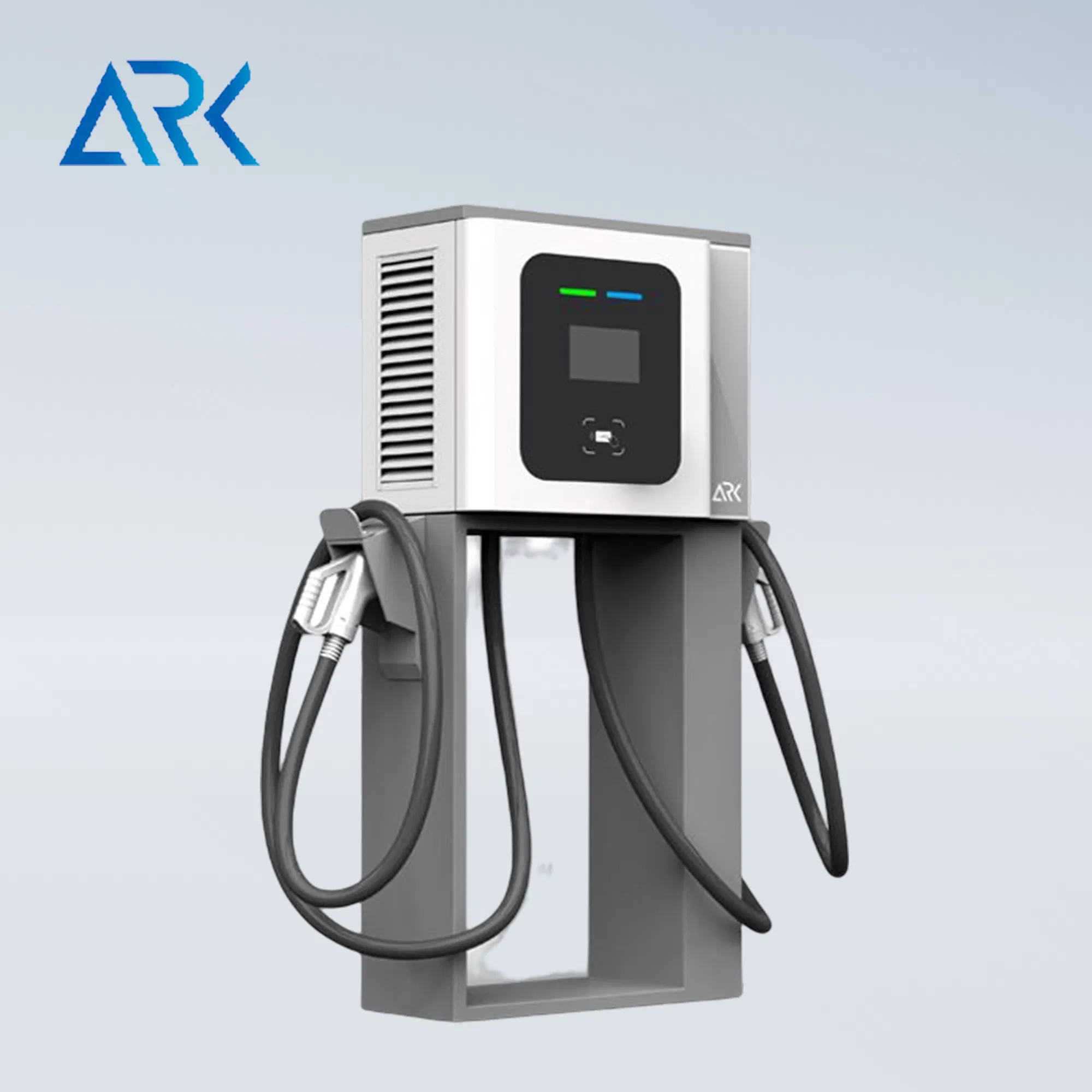
| Installation method | Wall-mount, Pedestal-mount(optional) | |
| Cable routing | Bottom inlet, bottom outlet | |
| Weight | 125kgs, 145kgs (pedestal mount) | |
| Cable length | 5m | |
| Cable outlets | 2, single charging | |
| Electrical specifications | input voltage | 400Vac +/-10%, 50Hz, 3-phase + neutral + PE |
| Input frequency | 50Hz/60Hz | |
| Output voltage | 200 - 1000V (constant output at above 300V) | |
| Output current | 125A max | |
| Efficiency | ≥ 95% | |
| Power factor | ≥ 0.99 | |
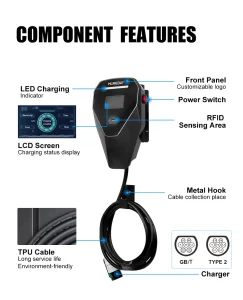
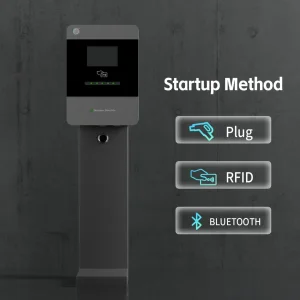
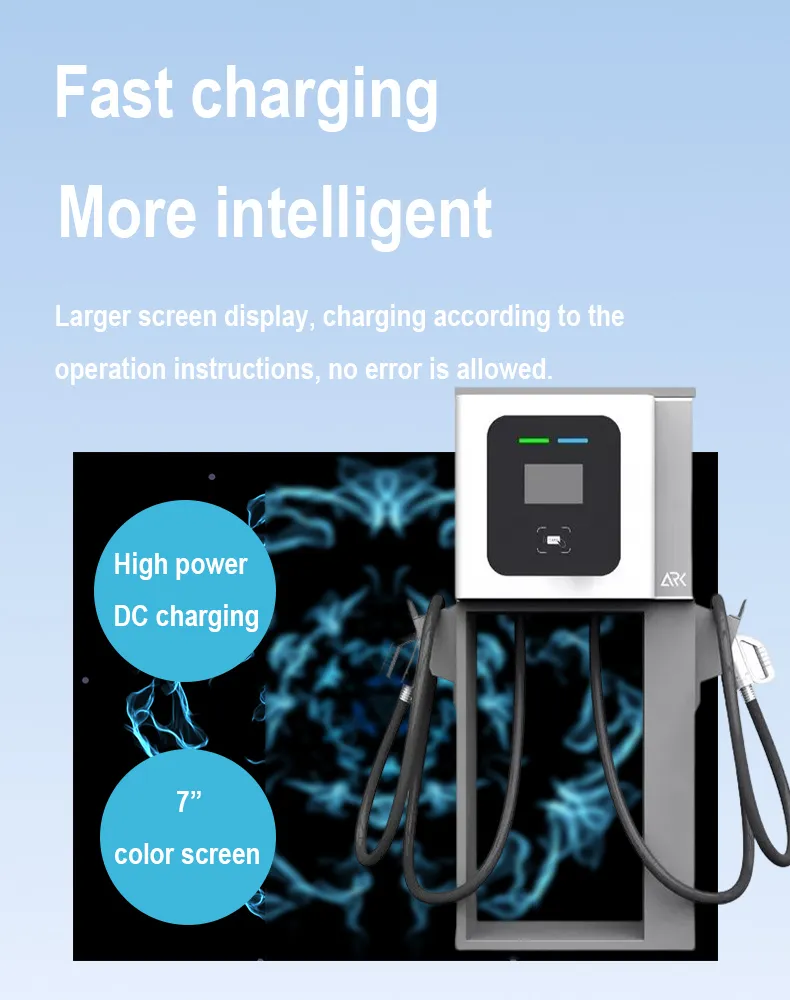
| Function design | User interface | Emergency button, LED indicator, RFID, 7" Touch screen |
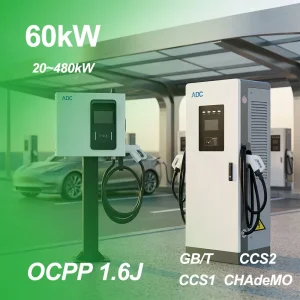
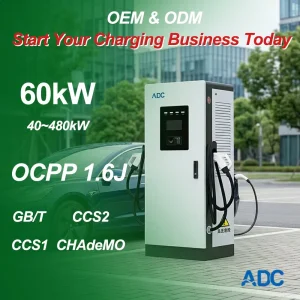
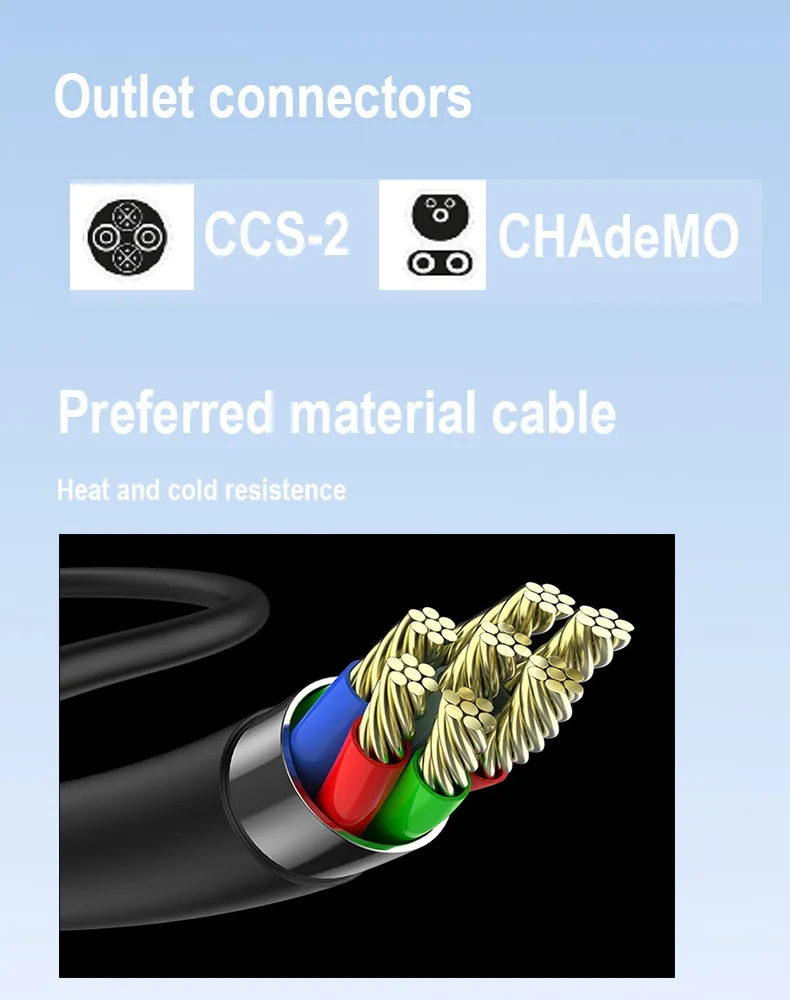
| Charging standards | CCS1/2, CHAdeMO | |
| Communication | PLC, CAN, Wifi, 3g, 4g, OCPP 1.6 | |
| Environment condition | Application place | Indoor/Outdoor |
| Working temperature | -25°C - +50°C, derating from 50°C to 75°C | |
| Working humidity | 5% ~ 95% without condensation | |
| Altitude | <2000m | |
| Cooling | Forced-air | |
| Protection grade | IP54 | |
| MTBF | 100,000 hours | |
| Safety standards | IEC 61851-1, IEC 61851-22, IEC 61851-23, IEC 61851-24, IEC 15118-3 | |
| Security design | Over/under voltage protection, overload protection, current leakage protection, grounding protection, over temp protection, lightening surge protection |
Yes, actually we are the pioneers in implementing overseas charger projects. Till now, we cooperate with UK power company to integrate EV charger with PV system, with US charging operator to install dozens of EV DC charger along the Freeway from LA to San Francisco, with GM automaker to provide DC fast charging service to their Bolt EV fleet and several charging projects.
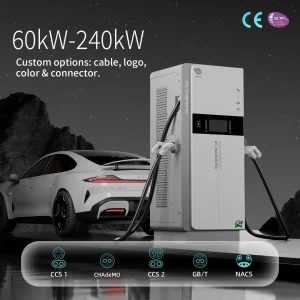
Till now, there are 5 kinds of DC fast charging standards: CCS-1, CCS-2, CHAdeMO, GB/T and Tesla.
No, it doesn't. Due to the limited power of the car battery at this stage, when the output power of the DC charger reaches a certain upper limit, the larger power does not bring a faster charging speed.
However, the significance of high-power DC charger is that it can support dual connectors and simultaneously output high power to charge two electric vehicles at the same time. In the future, when the electric vehicle battery is improved to support higher power charging, it is not necessary to invest money again to upgrade the charging station.
Under normal circumstances, we will provide comprehensive after-sales technical training, including providing written training materials, training videos or inviting customers' technical personnel to face-to-face training to help customers master parts replacement and basic maintenance work. When encountering an urgent situation, we will also send professional technicians to provide on-site support.