Engineered to deliver high peak-shaving capabilities, real-time load management, and efficient power backup across industrial, utility, and commercial applications.
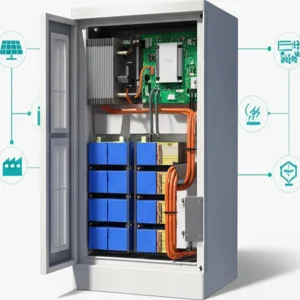
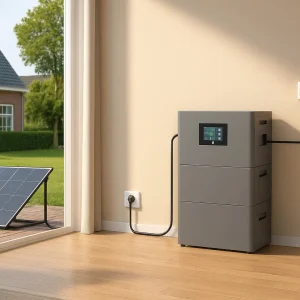
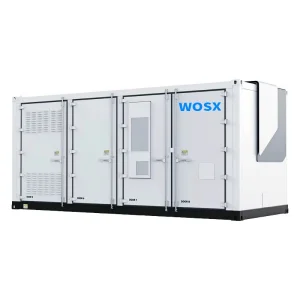
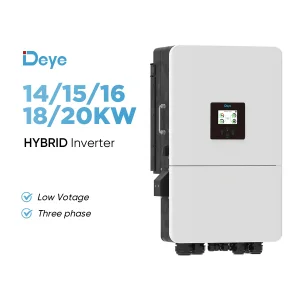
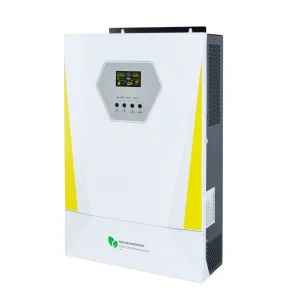
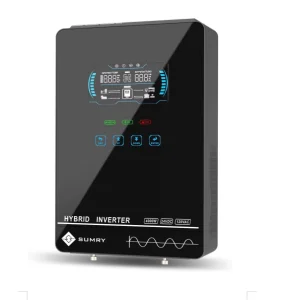
Rising utility grids tariffs, carbon compliance mandates, and operational resilience requirements are driving organizations to restructure their power footprints.
Enterprises leverage high-capacity storage platforms (BESS) to charge during off-peak periods when tariffs are low, discharging during peak demand windows. This drastically reduces high-load capacity charges.
Global regulatory architectures including CSRD (Europe) and SEC regulations (US) necessitate granular Scope 1 and Scope 2 carbon footprint minimization. Integration of smart solar+storage assets is the primary path to compliance.
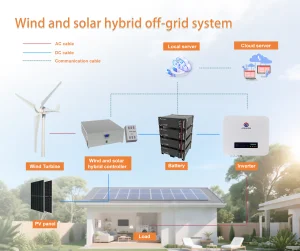
Manufacturing facilities, commercial plazas, and data centers must establish microgrid redundancy. Hybrid PV Inverters paired with battery setups prevent costly downtime from utility micro-outages.
Moving beyond basic equipment distribution to integrated hardware-software ecosystems designed for industrial networks.
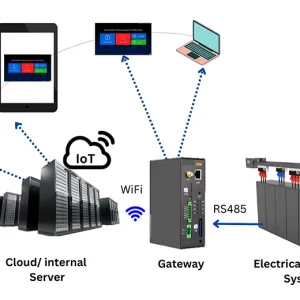
Industrial operations require highly responsive architectures. Our Furutec EMS Smart Monitoring System utilizes a dual-layered hardware monitoring design capable of handling currents up to 6300A and voltages up to 1000V. This enables real-time monitoring of main distribution panels, busways, and load nodes. By pairing this real-time metering data with local energy storage controls, our systems dynamically adjust active and reactive power variables to maintain smooth load profiles.
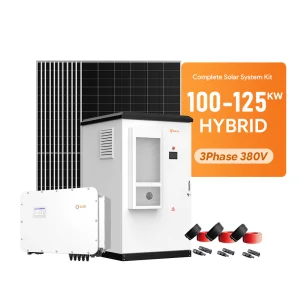
By leveraging AI-powered algorithms, our smart platforms (such as the Solvic Smart 125kW/261kWh ESS) predict peak grid pricing cycles. They execute dynamic charge-discharge schedules while monitoring cellular-level battery health indicators, including state of charge (SoC) and state of health (SoH). This ensures battery cell longevity and safety.
Guangdong Hudd Energy Co., Ltd. delivers customized, application-specific systems. We design customized energy storage and inverter solutions tailored to local requirements, ranging from off-grid remote telecom setups to grid-interactive factory modules. Our solutions handle diverse grid parameters (including 110V/220V single-phase and 380V/400V/415V three-phase grids), keeping projects within operational specifications.
Adapting systems to emerging battery chemistries, AI cloud platforms, and changing electricity market dynamics.
Transitioning toward high-density LFP and solid-state chemistries to achieve longer cycle life (10,000+ cycles) and enhanced thermal safety profile.
Integrating machine learning algorithms at the edge. Systems dynamically predict utility tariff spikes based on historical weather, consumption history, and regional grid loads.
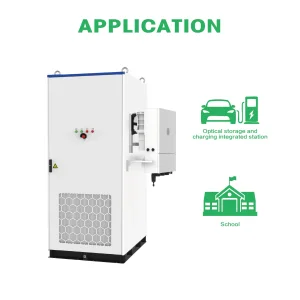
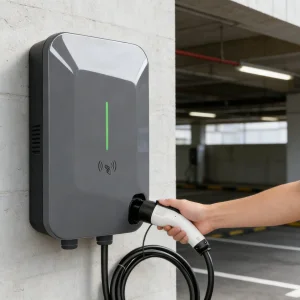
Expanding the functionality of solar-storage-charging sites to allow EV fleets to act as distributed grid stabilization storage nodes.
Every system is built to rigorous international standards in our certified facilities. Our production line leverages advanced automated assembly, laser welding, and rigorous testing protocols.
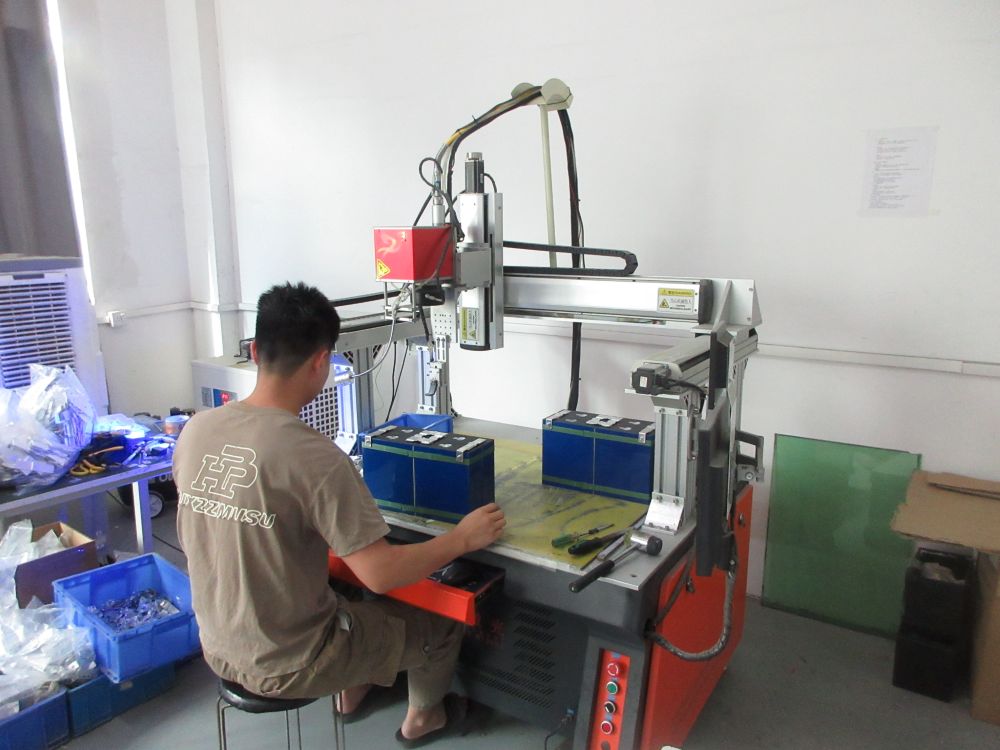

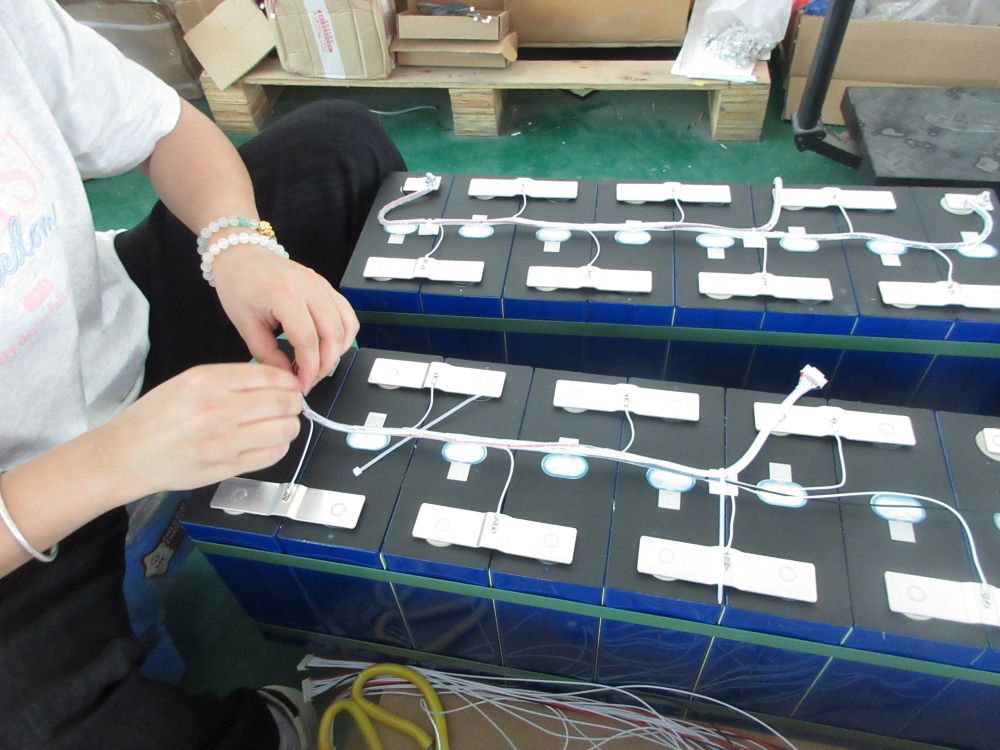
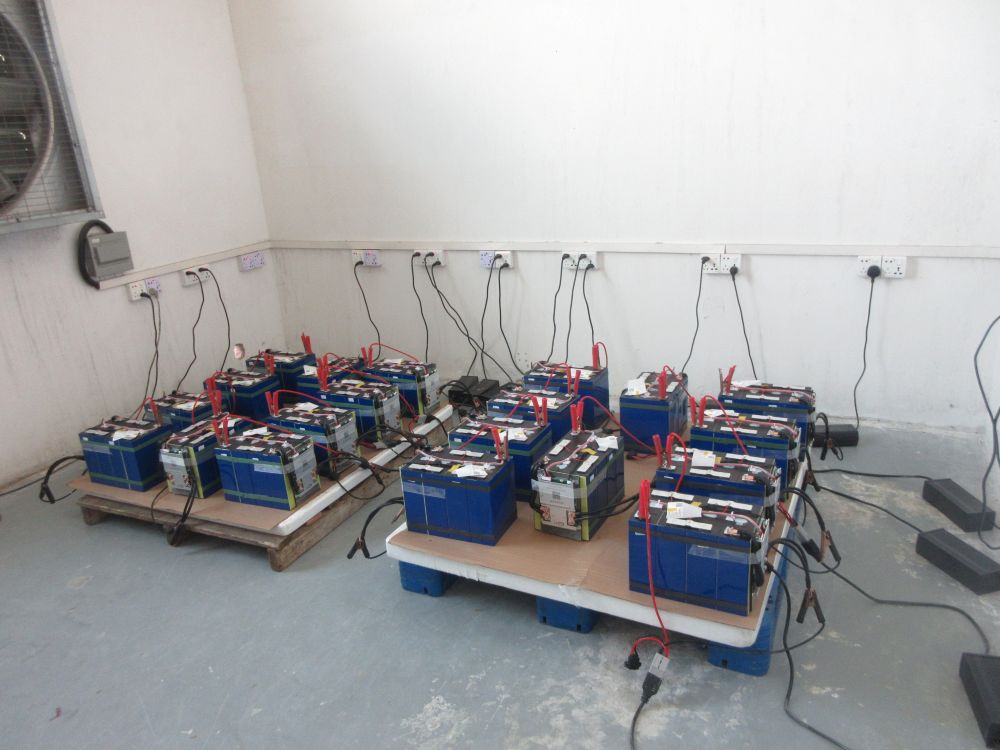
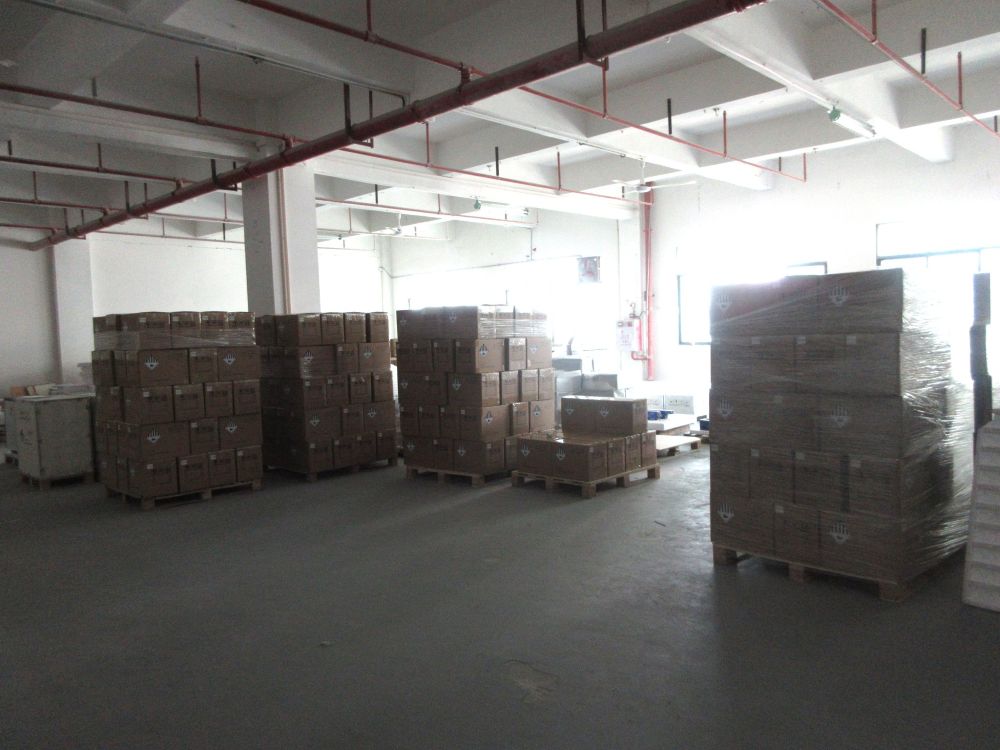
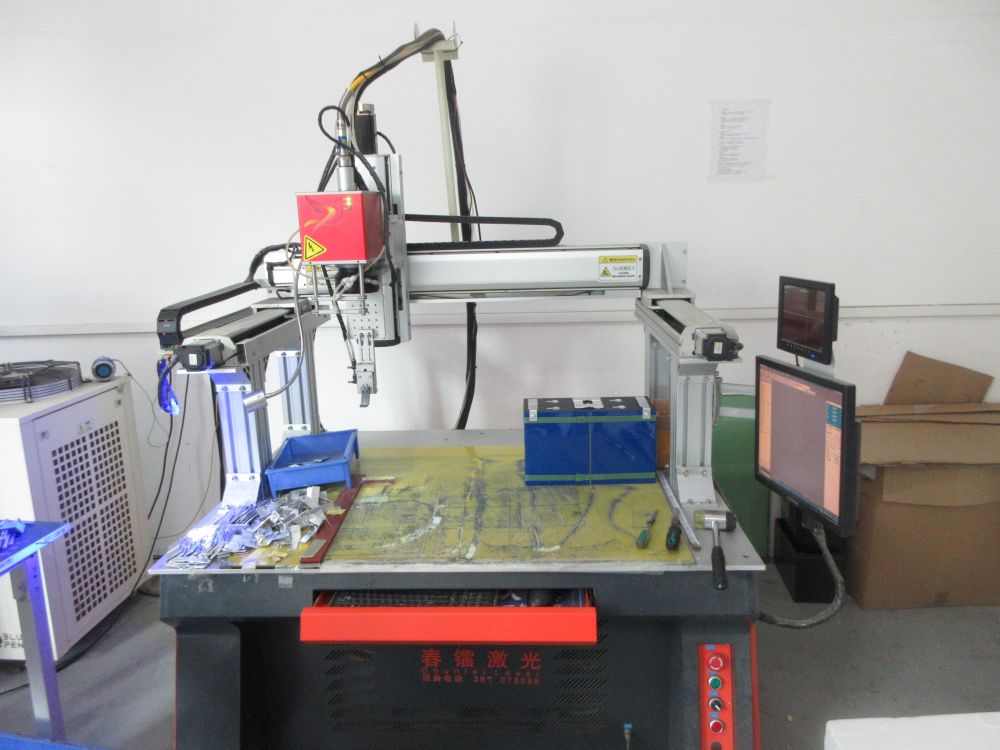
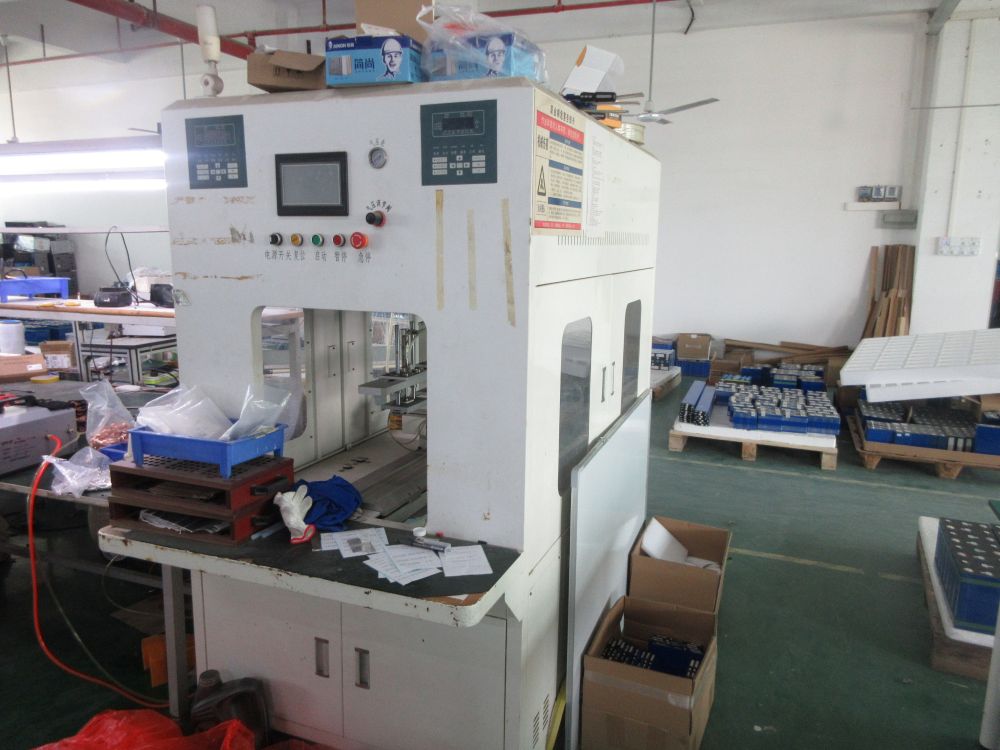
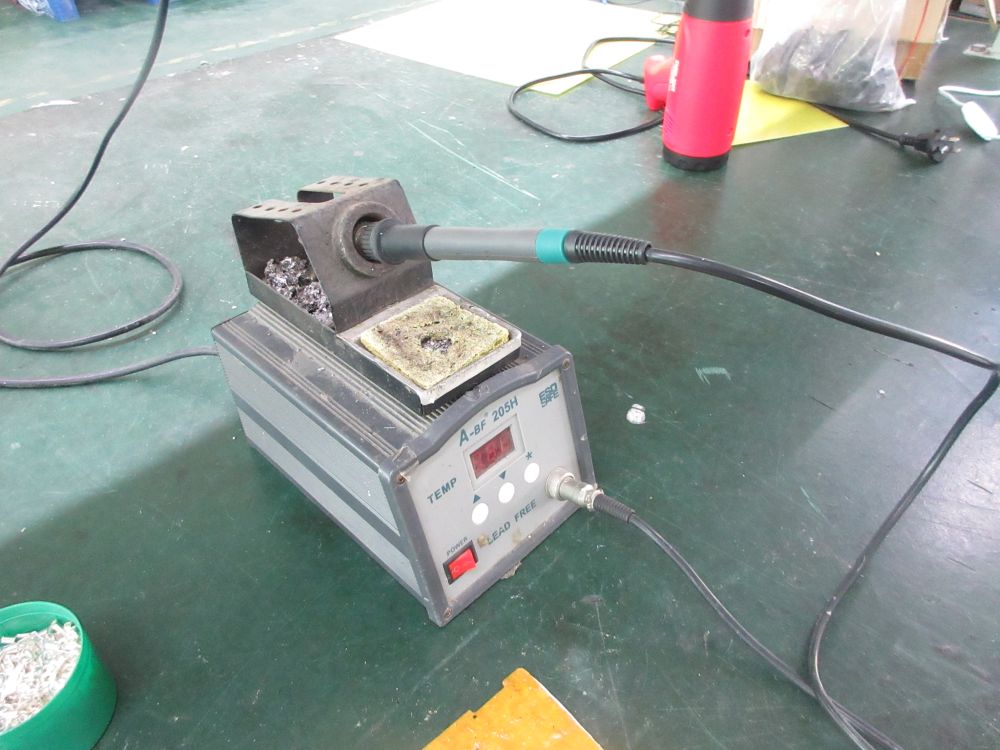
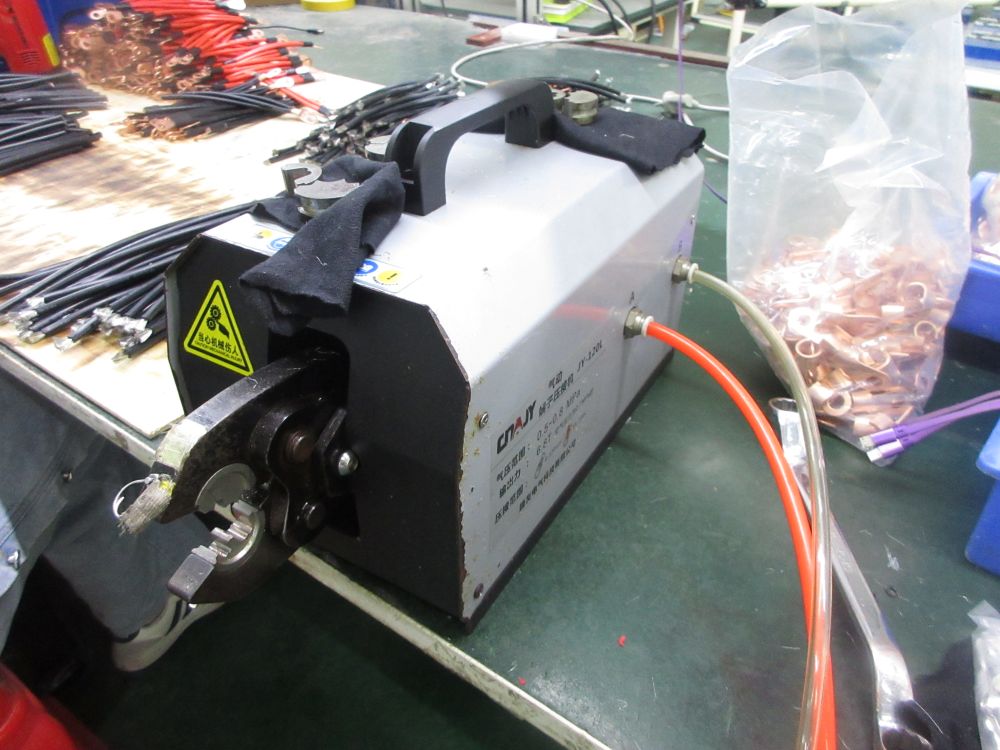
We configure local safety standards and regulatory compliance rules directly into our hardware and software systems.
Our solutions comply with UL9540A, IEC 62619, CE, UN38.3, and local fire protection regulations. This guarantees quick permitting and seamless grid connection.
Located in Guangdong's clean-tech hub, we maintain strategic partnerships with component manufacturers. This ensures stable raw material pricing and timely delivery.
We work with international banking partners to offer flexible trade financing, secure transaction services, and DDP/CIF logistics options worldwide.
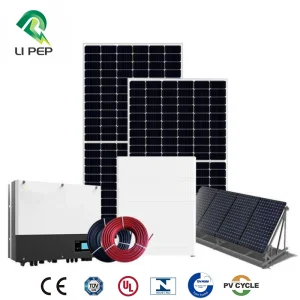
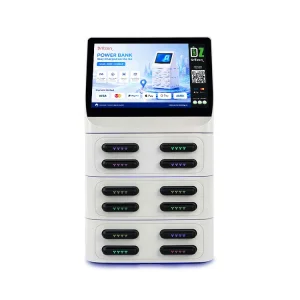
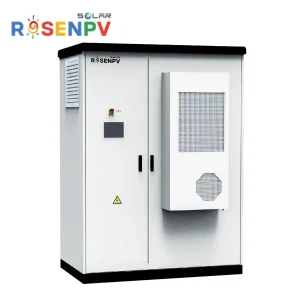
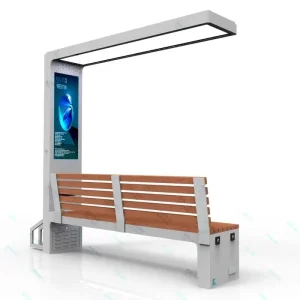
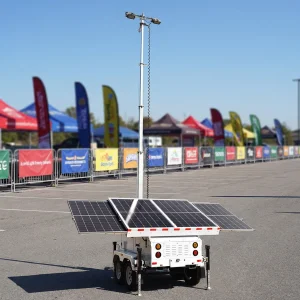
From solar-powered public furniture to large containerized utility systems, Hudd Energy delivers comprehensive clean energy solutions.
Critical considerations for engineers, developers, and global procurement officers deploying clean energy assets.
Industrial power grids often assess charges based on maximum peak demand. Our systems employ smart EMS programming to monitor grid current in real time. If demand approaches a preset limit, the BESS discharges locally to cap grid draws. This process, known as peak shaving, reduces monthly capacity charges.
Lithium Iron Phosphate (LiFePO4) offers excellent chemical and thermal stability. LFP operates safely under high-temperature conditions without risk of thermal runaway. It also supports deep discharge cycles (up to 6000-8000 cycles at 80% Depth of Discharge), offering a lower Total Cost of Ownership (TCO) compared to cobalt-based lithium batteries.
Yes. Our EMS units support standard communication protocols like Modbus RTU/TCP, CAN bus, and Profinet. This enables integration with SCADA systems, PLCs, and building management networks (BMS) for centralized facility data monitoring.
We configure inverter parameters and EMS firmware to align with local grid codes, including IEEE 1547 and UL 1741. This ensures stable frequency response, anti-islanding protection, and proper reactive power control to meet utility requirements.
 Hudd Energy