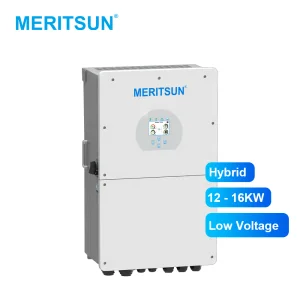
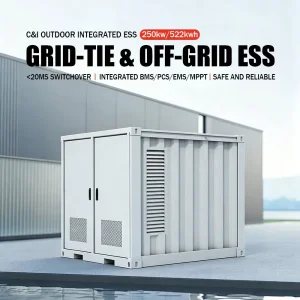
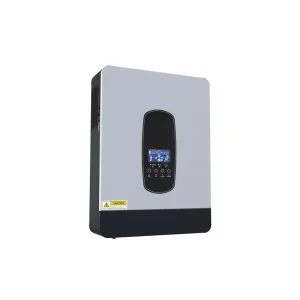
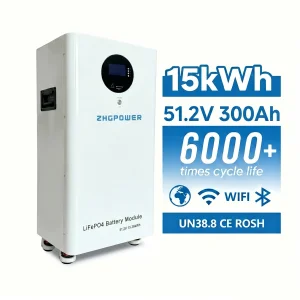
Explore our premium product line manufactured with precision, utilizing grade-A prismatic cells and high-efficiency topologies for utility, C&I, and residential deployments.
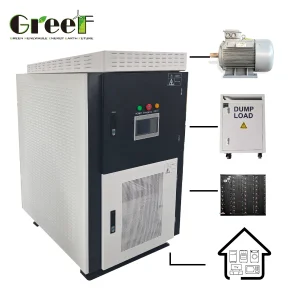
Guangdong Hudd Energy Co., Ltd. is a professional provider of renewable energy products, energy storage solutions, and integrated smart energy systems. The company specializes in the development, supply, and integration of advanced energy storage systems (ESS), solar power solutions, EV charging infrastructure, and integrated solar-storage-charging stations, delivering efficient, reliable, and sustainable energy solutions to customers worldwide.
Beyond supplying individual products, Hudd Energy offers comprehensive system integration services tailored to diverse project requirements. Leveraging extensive industry expertise, the company provides end-to-end support covering solution design, equipment selection, system integration, project management, commissioning, and after-sales services. This enables customers to implement optimized energy solutions with enhanced efficiency, performance, and long-term reliability.
With strong partnerships across China's manufacturing ecosystem, Hudd Energy benefits from a robust and competitive supply chain, ensuring high-quality products, stable delivery schedules, and cost-effective solutions. The company also maintains strategic cooperation with financial institutions and banking partners, providing flexible trade finance support and secure transaction services to facilitate the successful execution of international projects.
Hudd Energy's product portfolio serves a wide range of applications, including residential, commercial, industrial, utility-scale energy storage projects, electric vehicle charging networks, and distributed renewable energy systems. The company is committed to helping customers reduce energy costs, improve energy independence, and achieve their sustainability goals.
Over the years, Guangdong Hudd Energy has successfully expanded its presence in international markets, particularly in Southeast Asia, South America, the Middle East, and Africa, earning the trust and recognition of clients through reliable products, professional services, and long-term partnerships. Looking ahead, Guangdong Hudd Energy Co., Ltd. will continue to drive innovation in clean energy technologies, strengthen its global market presence, and contribute to the worldwide transition toward a greener, smarter, and more sustainable energy future.
"By bridging advanced R&D with a highly integrated supply chain, Hudd Energy mitigates complex integration friction, taking your utility and commercial projects from blueprints to high-yield operations seamlessly."
Understanding the shifts in energy density, structural safety, and management algorithms defining the next decade of power grids.
The global battery industry is rapidly shifting away from smaller 100Ah/200Ah prismatic cells toward higher-capacity form factors such as 280Ah, 300Ah, and the newly established 314Ah standard. This shift optimizes space utilization inside modules and substantially reduces the complexity of battery management systems (BMS) by decreasing the total cell count needed to reach megawatt-hour capacities. Consequently, safety risks associated with cell monitoring and wire connection points are reduced.
LiFePO4 (Lithium Iron Phosphate) remains the dominant technology for stationary energy storage systems owing to its superior cycle life (often exceeding 6,000 to 8,000 cycles at 80% DOD), thermal stability, and non-combustible properties under severe electrical abuse. Manufacturers are incorporating advanced additives into electrolytes to broaden temperature thresholds, allowing systems to operate efficiently without external thermal assistance in environments ranging from -20°C to 55°C.
Concurrent with cell development, thermal management technology has progressed from simple forced-air circulation systems to sophisticated liquid cooling channels. By running glycol-water mixtures through internal cooling plates adjacent to cell groupings, developers limit cell-to-cell temperature variations to less than 3°C. This narrow temperature range prevents uneven cell degradation, mitigates thermal runaway, and extends the operational lifetime of commercial & industrial (C&I) containerized units by up to 20%.
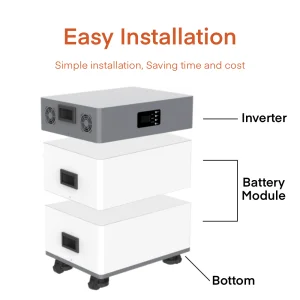
Modern battery storage systems are no longer passive power reserves; they are active grid assets that interface with external networks through state-of-the-art power conversion systems (PCS). Our advanced hybrid inverters and EMS platforms coordinate real-time operations, facilitating automatic peak shaving, load shifting, and reactive power control. This grid-forming capability allows microgrids to function autonomously during utility power grid disruptions, transitioning into island mode seamlessly.
This integration is crucial for EV fast-charging stations, where demand spikes can strain local distribution transformers. By placing a LiFePO4 buffer between the utility grid and high-power DC charging guns, operators can deliver high-power charging rates without altering physical grid connections. The EMS plays a key role here, monitoring real-time grid constraints, battery health status, and EV driver demand profiles to determine optimal dispatch schedules.
Step-by-step documentation of our advanced manufacturing lines in Guangdong, showing the precise workflow that ensures reliable long-term operations.
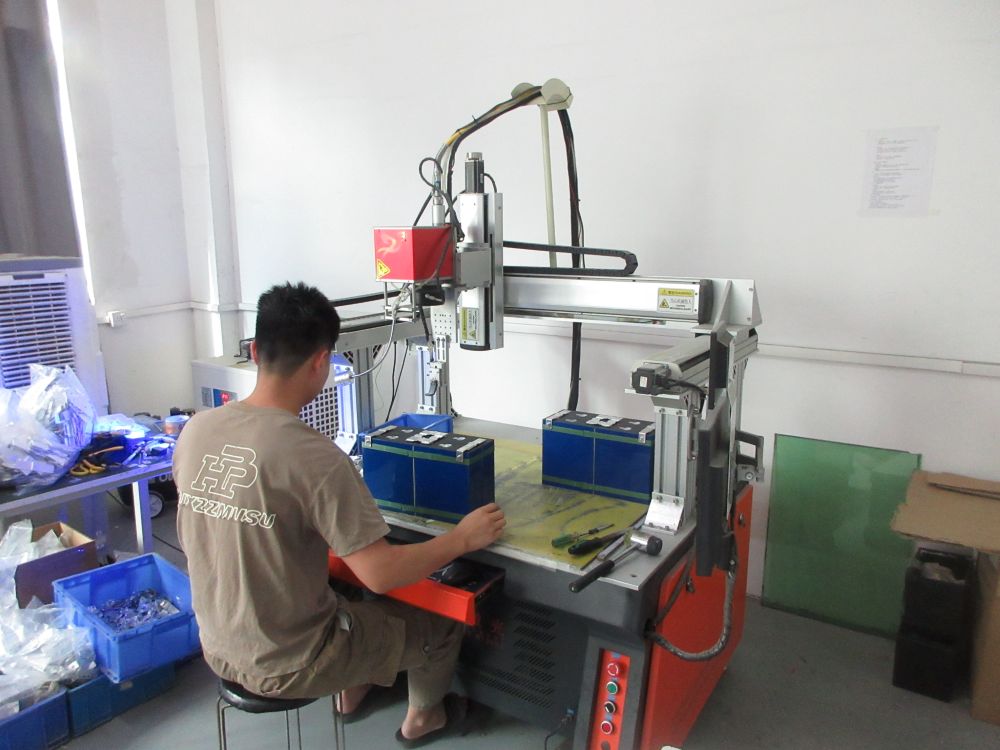

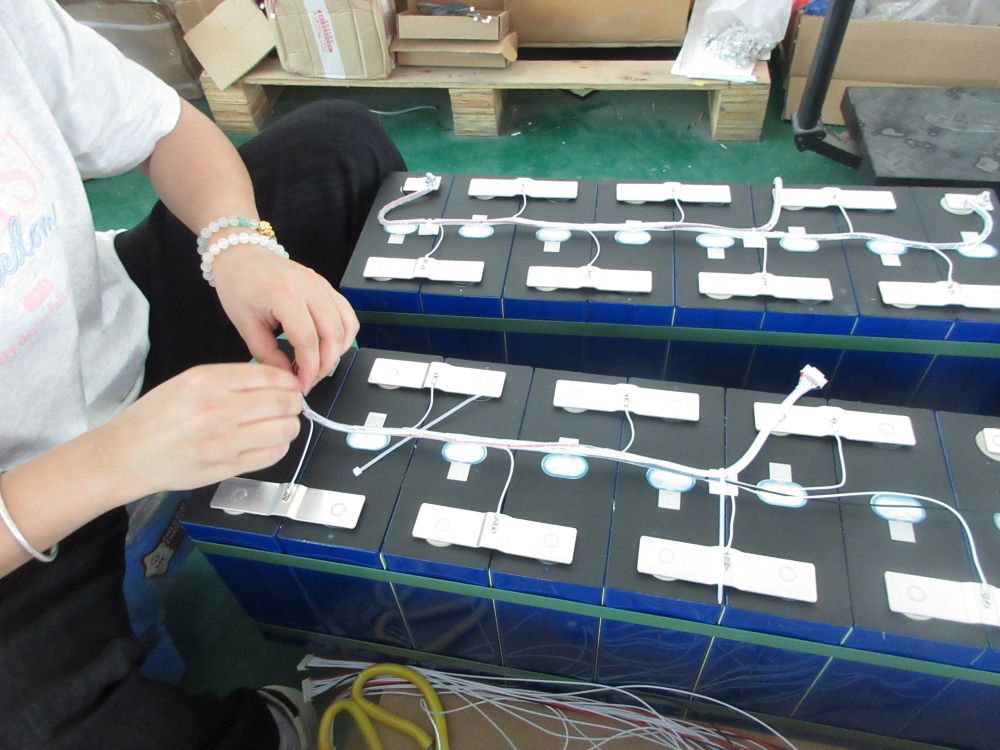
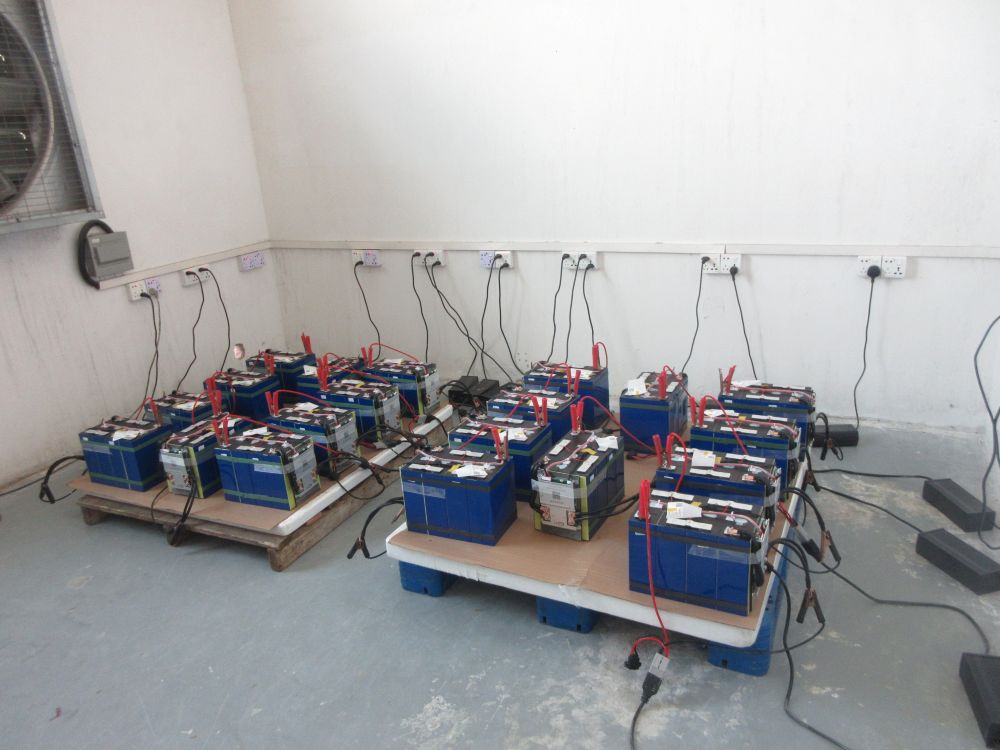
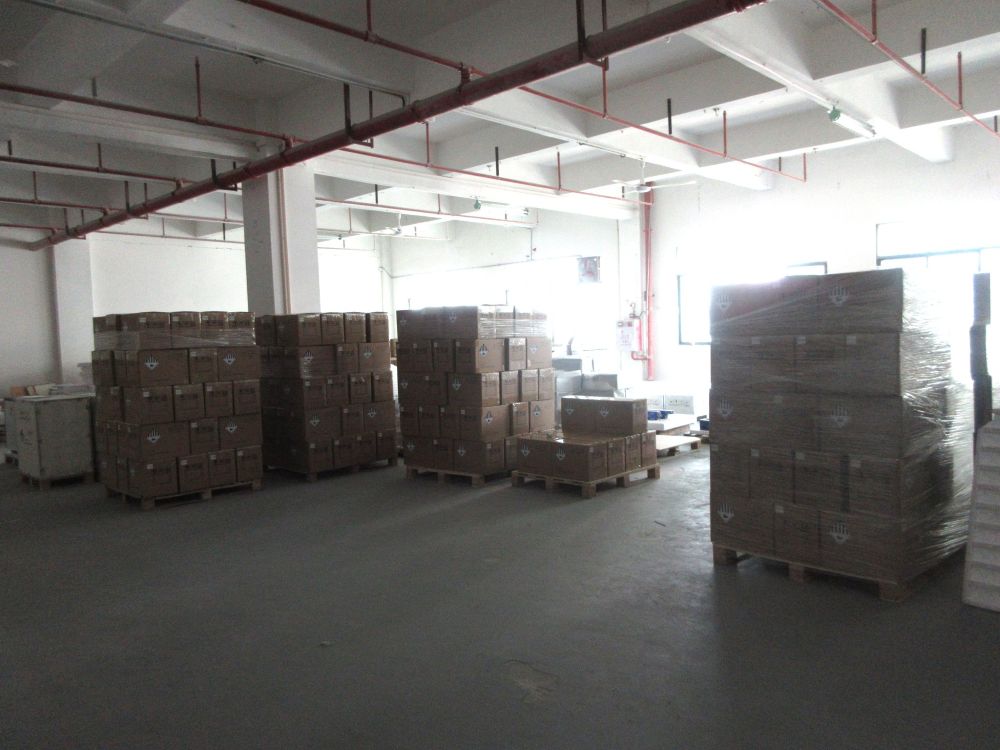
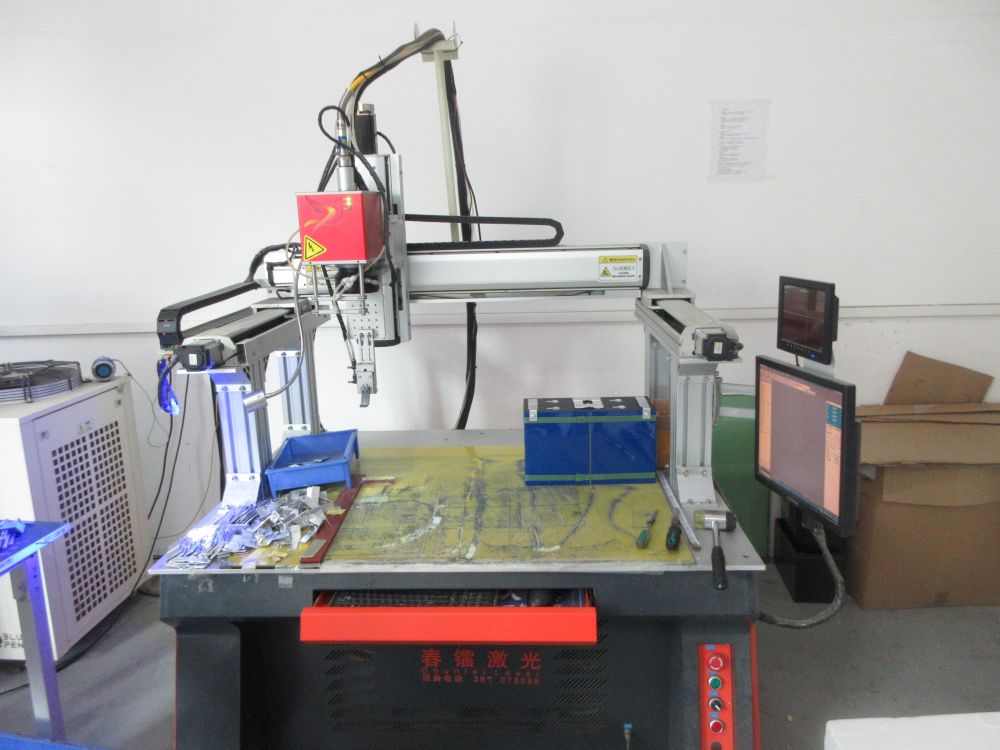
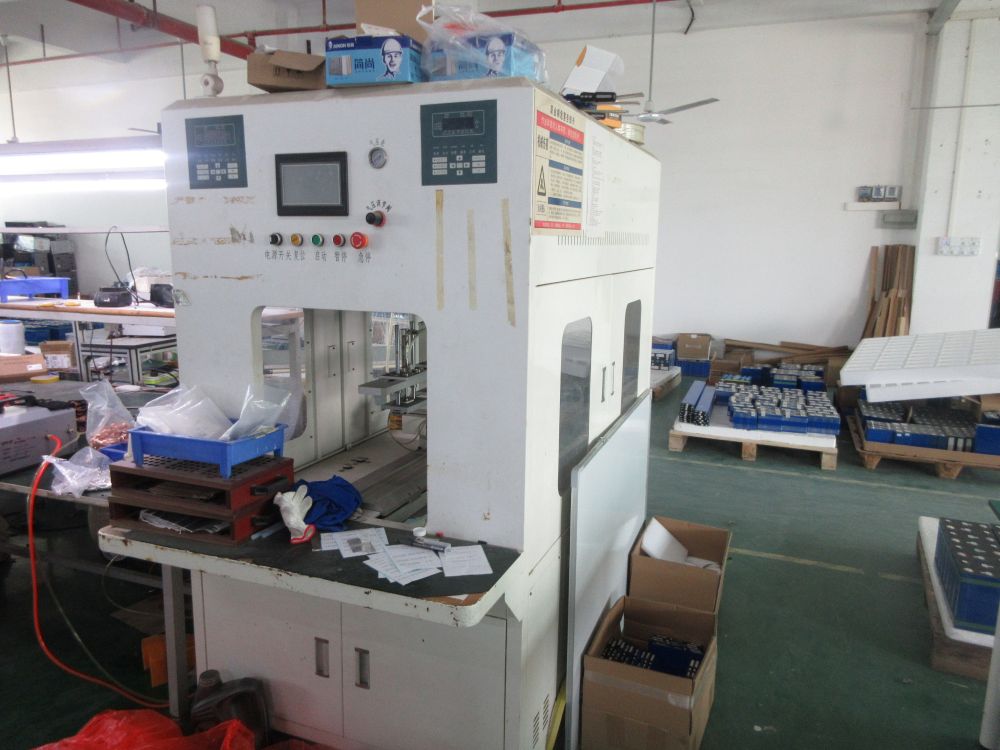
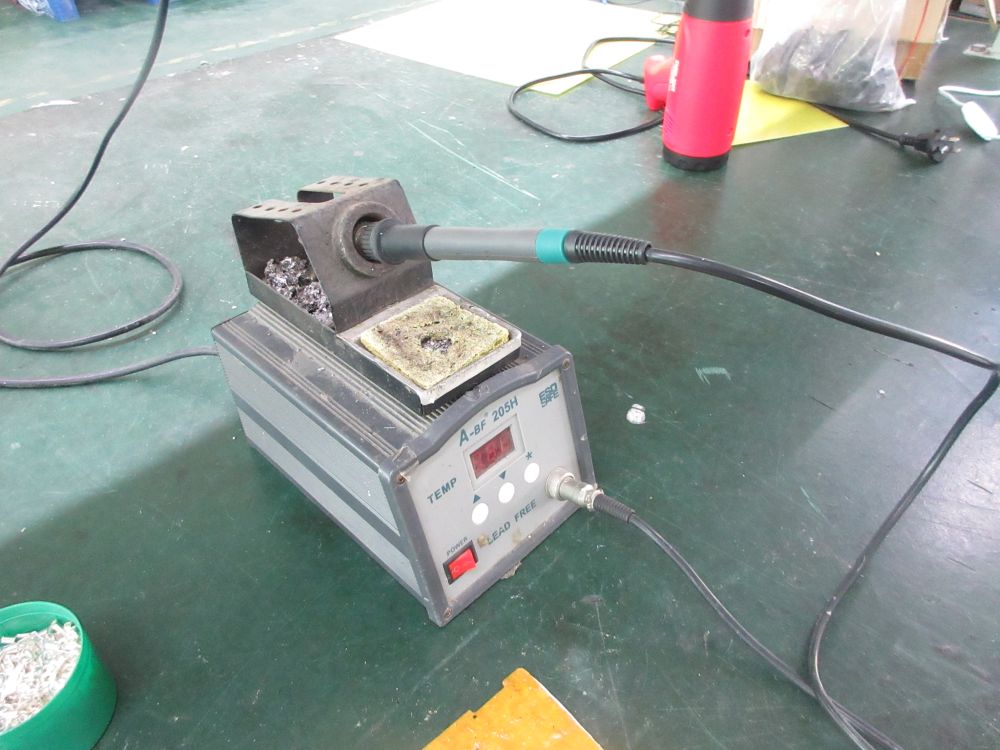
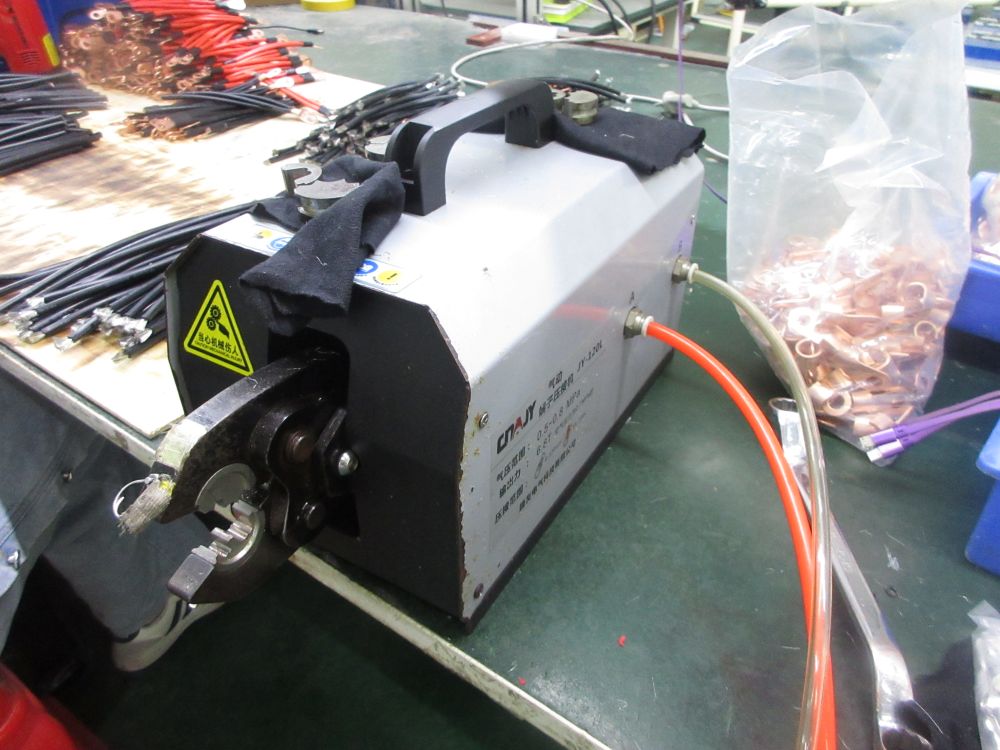
The manufacturing process at Guangdong Hudd Energy's facility utilizes advanced automation, precision assembly, and strict quality control measures to deliver long-term reliable energy storage solutions. From raw materials to the completed energy storage containers, every step is traceably logged under ISO 9001, CE, and UL guidelines.
Our automation strategy starts at the cell level. Grade-A cells undergo automated capacity sorting and impedance matching to minimize cell divergence over their lifetime. During pack assembly, terminal crimping and wire cutting are performed by automated equipment to maintain uniform contact resistances, preventing localized heating points during high-current discharging. Laser spot welding machines secure the copper-nickel busbars, ensuring clean, oxide-free weld joints that can withstand mechanical vibration and thermal cycles.
Once packs are constructed, they undergo cyclic charge-discharge calibrations to verify nominal capacity and state-of-health (SoH) metrics before proceeding to standard aging storage warehouses. Under storage monitoring, BMS parameters are checked to ensure thermal profiles, battery balancing functions, and communication signals with the central EMS are operating as designed.
An in-depth review of how clean energy technology functions in real-world scenarios across the globe.
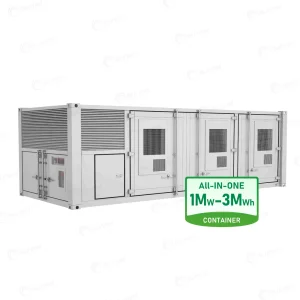
For remote mining operations, rural agricultural cooperatives, and island territories where grid connections are unstable or non-existent, combining solar energy with energy storage systems is a viable way to reduce diesel fuel dependency. Our containerized container energy solutions (from 200kWh to 3mWh) store excess power during peak solar hours and release it during high-load periods or at night. The integrated energy management systems monitor local demand patterns and coordinate solar inputs with back-up generators, helping ensure consistent power availability.
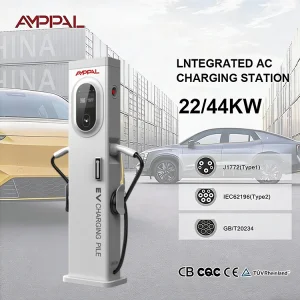
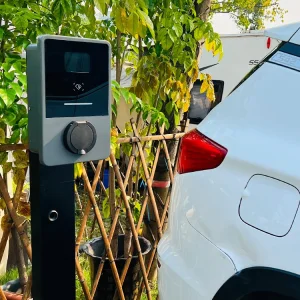
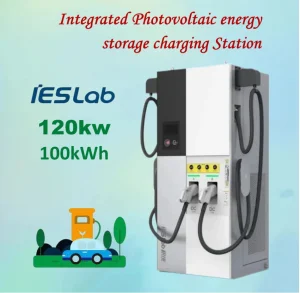
As electric vehicle use grows globally, traditional distribution networks face constraints during rapid-charging operations. In city centers and highway service zones, peak charging loads can exceed standard substation capacities. Placing LiFePO4 battery systems close to floor-mounted EV chargers allows operators to charge the batteries during low-demand periods and discharge them when vehicles connect, reducing grid strain and demand charges. Our dual-port EV chargers are built on OCPP 1.6J/2.0.1 protocols, enabling communication with local charging networks and payment systems.
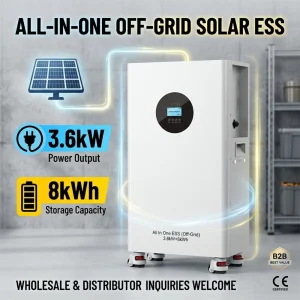
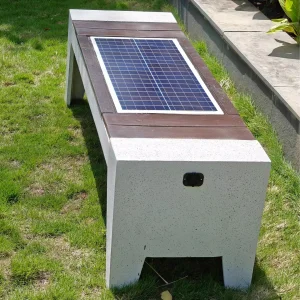
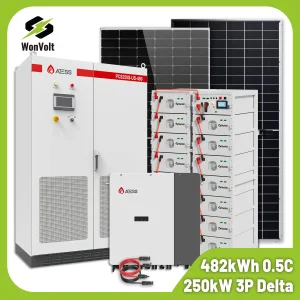
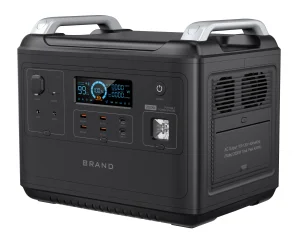
From solar benches to megawatt-class ESS containers, discover how we support municipal, residential, and corporate clients.
Crucial technological, logistical, and design parameters evaluated by utility procurement directors and grid operators.
The 314Ah cell has a larger volume and higher capacity, allowing for higher energy density at the pack level. This reduces the number of cells needed to build a pack, which simplifies the BMS monitoring architecture and reduces the number of electrical connection points. Fewer connections help lower the risk of terminal heating and connection failures.
Liquid cooling utilizes a thermal medium (typically a glycol-water mixture) that has a higher thermal capacity than air. The design enables a more uniform heat distribution, limiting cell-to-cell temperature differences to less than 3°C. In contrast, air-cooled systems can experience temperature variances of 5°C to 10°C, which can cause uneven cell aging, reduced overall capacity over time, and potential hot spots.
Our hybrid converters feature integrated EMS software and dual DSP-controlled circuits. When a grid failure is detected, the transfer switch isolates the local load in less than 10 milliseconds, preventing backfeeding into the utility grid while supplying energy from the battery bank to critical loads.
All AMPPAL and Wallbox series EV chargers are compliant with the OCPP 1.6J protocol, with upgradeability to OCPP 2.0.1. This ensures compatibility with mainstream charging station management systems (CSMS). For safety and payment, units can incorporate ISO 15118 (Plug & Charge) and PCI-DSS compliant credit card POS readers.
We offer end-to-end integration support. Customers provide their load profiles, local weather patterns, and utility interconnection requirements. Our engineering team then designs the electrical schematics, structures the thermal management parameters, programs the BMS settings, and configures the EMS interface to match specific project requirements.
We use a multi-tiered safety approach: cell selection (using stable LFP chemistry), continuous BMS monitoring (tracking cell voltage and temperature), liquid cooling channels for thermal regulation, and structural containment barriers. Additionally, units are equipped with aerosol-based fire suppression systems and flammable gas detection (CO, H2) to mitigate safety hazards before they escalate.
 Hudd Energy