Explore our premium grade tier-1 energy storage systems, off-grid inverters, and battery systems optimized for C&I deployment.
Navigating the complexity of large-scale BESS sourcing, bankability standards, and technical performance specifications.
The global transition towards decentralized, resilient energy systems is accelerating at an unprecedented rate. For commercial and industrial (C&I) enterprises, energy storage is no longer merely a sustainability initiative; it has evolved into a strategic financial asset. Large-scale procurement of battery energy storage systems (BESS) requires deep engineering alignment, strict financial validation, and regulatory compliance. Global buyers demand solutions that mitigate high peak electricity tariffs, guarantee uninterruptible backup power during utility failure, and actively support the localization of grid codes.
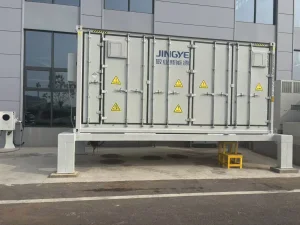
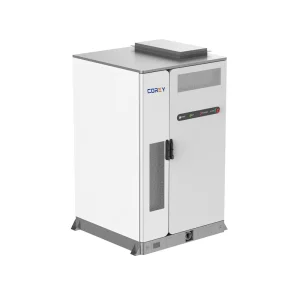
From an enterprise perspective, procuring energy storage containers, such as 5MWh Utility-Scale Ess Containers or 215kWh Liquid-Cooled Cabinets, is a complex process. Procuring entities must evaluate the Levelized Cost of Storage (LCOS), cyclic aging performance, safety profiles under thermal runaway stress, and system round-trip efficiency (RTE). In modern configurations, systems must achieve a system-level RTE exceeding 85% to ensure that peak shaving and load-shifting metrics remain economically viable. This demands a robust integration of advanced cells, high-conversion-efficiency Power Conversion Systems (PCS), and microsecond-level Energy Management Systems (EMS).
"Procurement managers must look beyond initial Capital Expenditure (CAPEX). True economic performance is determined by Operational Expenditure (OPEX) metrics, including degradation speed, auxiliary energy consumption of cooling units, and system-level warranties supported by Tier-1 manufacturer bankability."
Holistic engineering blueprints designed to solve grid congestion, power quality challenges, and remote electrification requirements.
C&I energy users face unique grid-side and demand-side challenges. Depending on the industry—whether manufacturing facilities, commercial data centers, heavy chemical processing plants, or microgrid-operated agricultural zones—the configuration of energy storage varies drastically. Modern macro-solutions integrate three primary pillars: Generation (Solar PV), Storage (LFP Battery Systems), and Consumption (Industrial Loads and Smart EV Charging Networks).
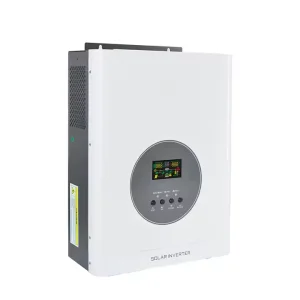
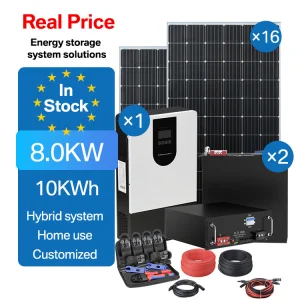
For remote mining, logistics hubs, and islanded systems, extending the high-voltage grid is often cost-prohibitive. Complete off-grid solar-storage combinations, ranging from 15kW hybrid solutions to 6.7MWh energy storage containers, deliver a reliable primary power supply. These systems run dynamic black-start sequences, balance phase outputs, and maintain voltage frequency standards, allowing heavy equipment to operate reliably under variable solar inputs.
Commercial electricity pricing models penalize enterprises for maximum demand peaks. By deploying automated peak-shaving storage systems, a facility charges the battery bank during low-tariff nocturnal hours and discharges during peak manufacturing runs. This reduces the baseline demand charges on utility invoices, creating a highly predictable and short ROI lifecycle (often under 5 years, depending on localized utility structures).
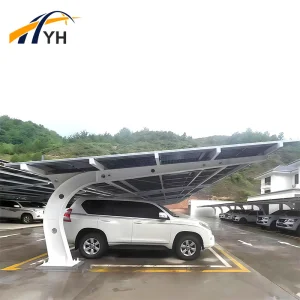
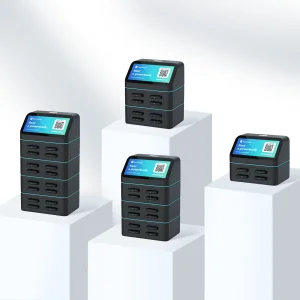
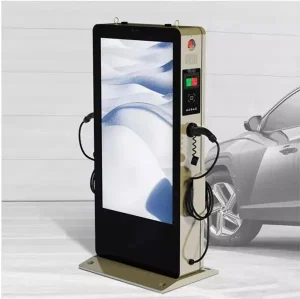
Our integrated Solar Carport Photovoltaic Systems combined with EV Charging Station Solutions transform standard parking infrastructure into clean, active power generators. Energy is harvested from high-efficiency solar panels, buffered locally inside safe Lithium Iron Phosphate (LiFePO4) storage banks, and dispatched dynamically to multiple Level-2 and Level-3 DC EV chargers. This setup prevents grid overload while generating additional revenue for commercial real estate owners.
An in-depth analysis of battery chemistry evolution, cooling innovations, and system-level safety engineering.
Enterprise buyers face a critical technical choice when planning their energy storage architecture: choosing the right combination of cell chemistry, container thermal management, and power electronics. As technology shifts, system safety, lifespan, and energy density have become the key differentiators between standard storage options and tier-1, industrial-grade equipment.
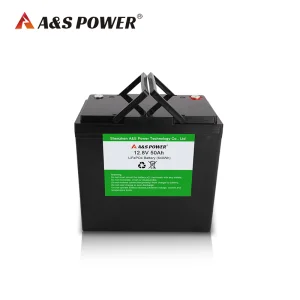
Lithium Iron Phosphate (LiFePO4) has established itself as the industry benchmark for stationary energy storage systems. Unlike NMC (Nickel Manganese Cobalt) chemistries, LFP exhibits superior thermal runaway temperatures (approx. 270°C vs. NMC's 210°C) and completely eliminates the risk of oxygen release during a cell breach. Our industrial cells utilize high-capacity prismatic cells with optimized electrolyte additives, ensuring over 6,000 charge-discharge cycles at 80% Depth of Discharge (DOD).
Large-scale energy storage systems generate substantial heat during rapid charge and discharge cycles. Managing this heat determines the lifespan of the cell. If temperature variance between cells within a container exceeds 3°C, the system degrades unevenly, leading to premature capacity losses.
Uses a closed-loop glycol-water coolant design, directly circulating thermal plate interfaces underneath cell modules. Offers high heat-transfer coefficients, keeping cell temperature variations under 2°C.
Best for: High C-rate profiles, extreme climates, maximum longevity.Utilizes dynamic fan-speed control and optimized air ducts inside the cabinet. Simple engineering construction with lower parasitic power losses for average ambient operating environments.
Best for: 0.5C charge/discharge duty, moderate climates, lower CAPEX.Professional provider of renewable energy products, energy storage solutions, and integrated smart energy systems.
Guangdong Hudd Energy Co., Ltd. is a professional provider of renewable energy products, energy storage solutions, and integrated smart energy systems. The company specializes in the development, supply, and integration of advanced energy storage systems (ESS), solar power solutions, EV charging infrastructure, and integrated solar-storage-charging stations, delivering efficient, reliable, and sustainable energy solutions to customers worldwide.
Beyond supplying individual products, Hudd Energy offers comprehensive system integration services tailored to diverse project requirements. Leveraging extensive industry expertise, the company provides end-to-end support covering solution design, equipment selection, system integration, project management, commissioning, and after-sales services. This enables customers to implement optimized energy solutions with enhanced efficiency, performance, and long-term reliability.
With strong partnerships across China's manufacturing ecosystem, Hudd Energy benefits from a robust and competitive supply chain, ensuring high-quality products, stable delivery schedules, and cost-effective solutions. The company also maintains strategic cooperation with financial institutions and banking partners, providing flexible trade finance support and secure transaction services to facilitate the successful execution of international projects.
Hudd Energy's product portfolio serves a wide range of applications, including residential, commercial, industrial, utility-scale energy storage projects, electric vehicle charging networks, and distributed renewable energy systems. The company is committed to helping customers reduce energy costs, improve energy independence, and achieve their sustainability goals.
Over the years, Guangdong Hudd Energy has successfully expanded its presence in international markets, particularly in Southeast Asia, South America, the Middle East, and Africa, earning the trust and recognition of clients through reliable products, professional services, and long-term partnerships.
Looking ahead, Guangdong Hudd Energy Co., Ltd. will continue to drive innovation in clean energy technologies, strengthen its global market presence, and contribute to the worldwide transition toward a greener, smarter, and more sustainable energy future.
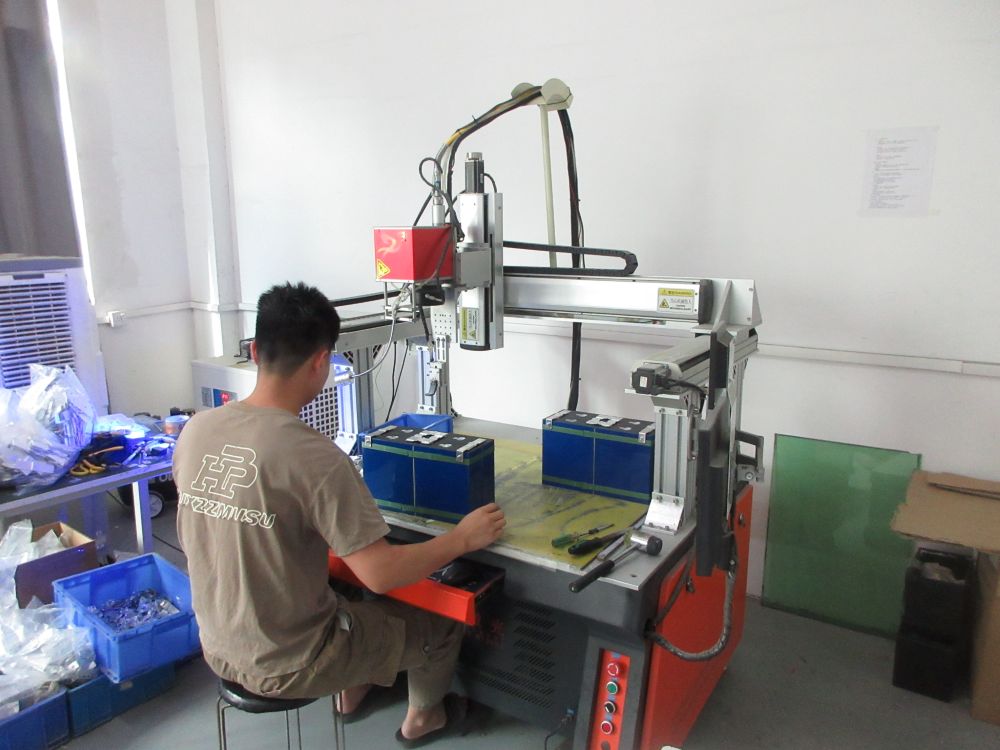
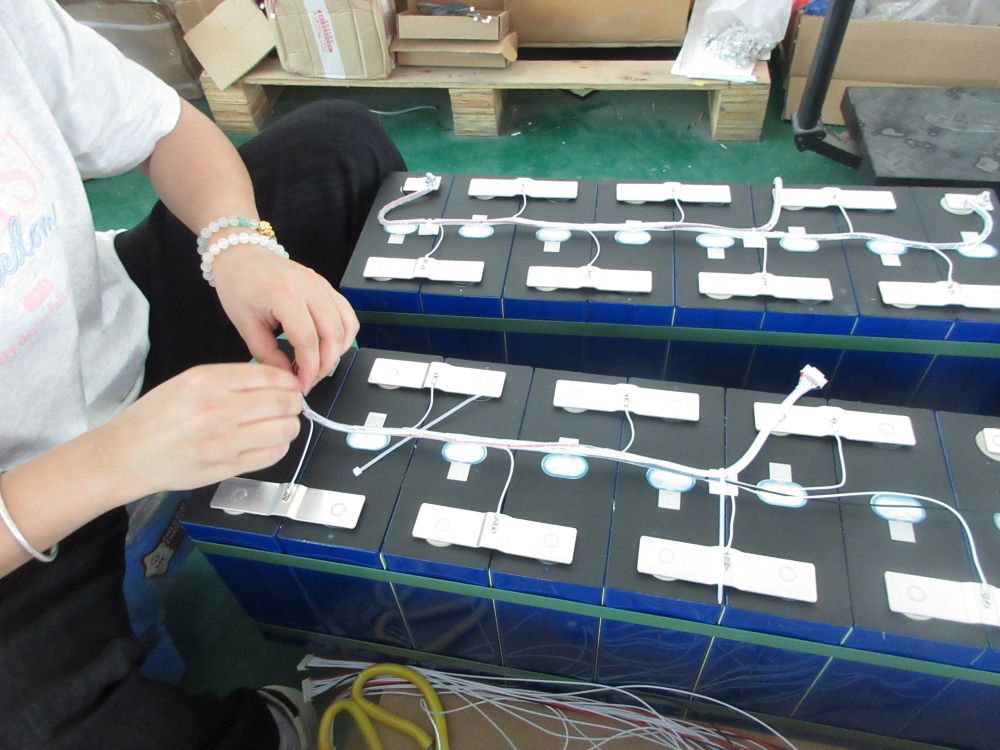
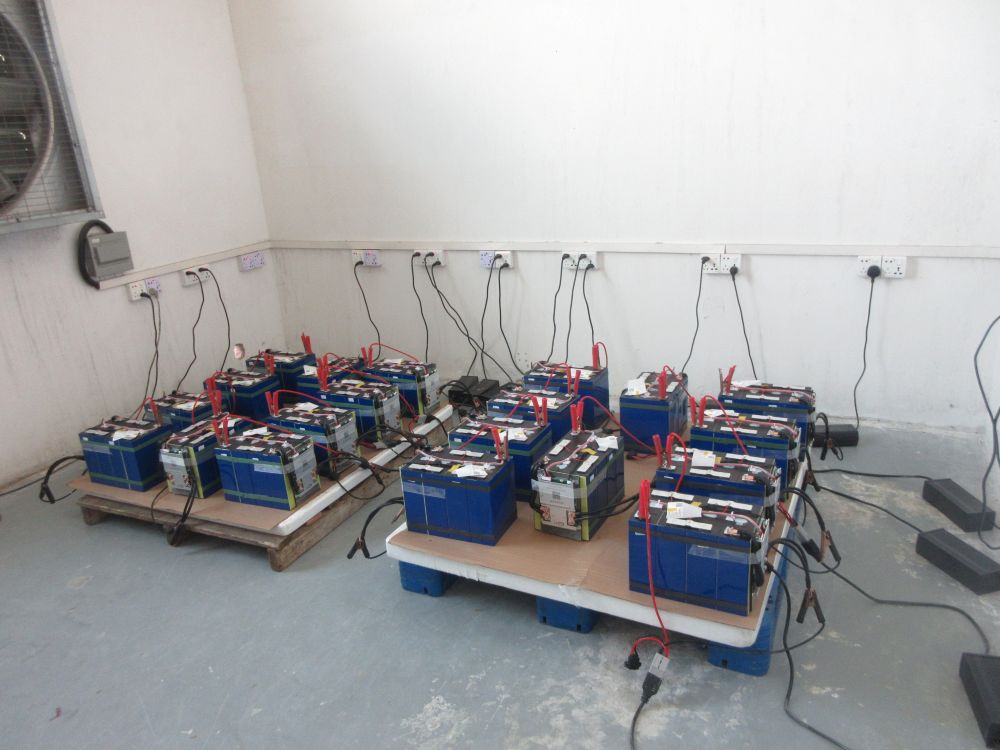
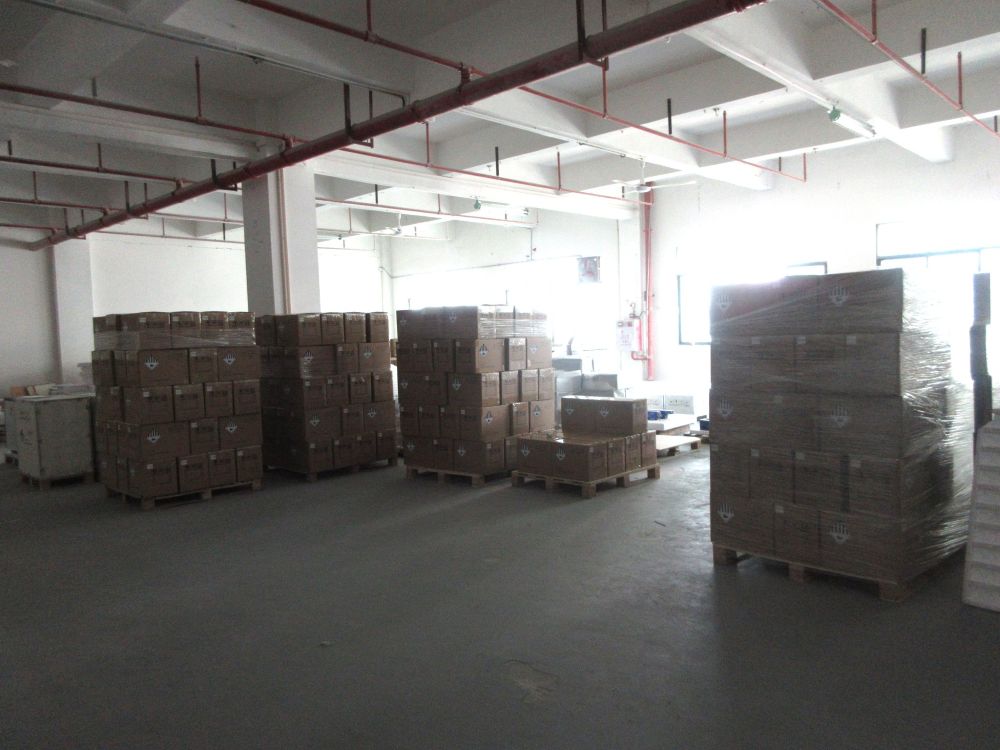
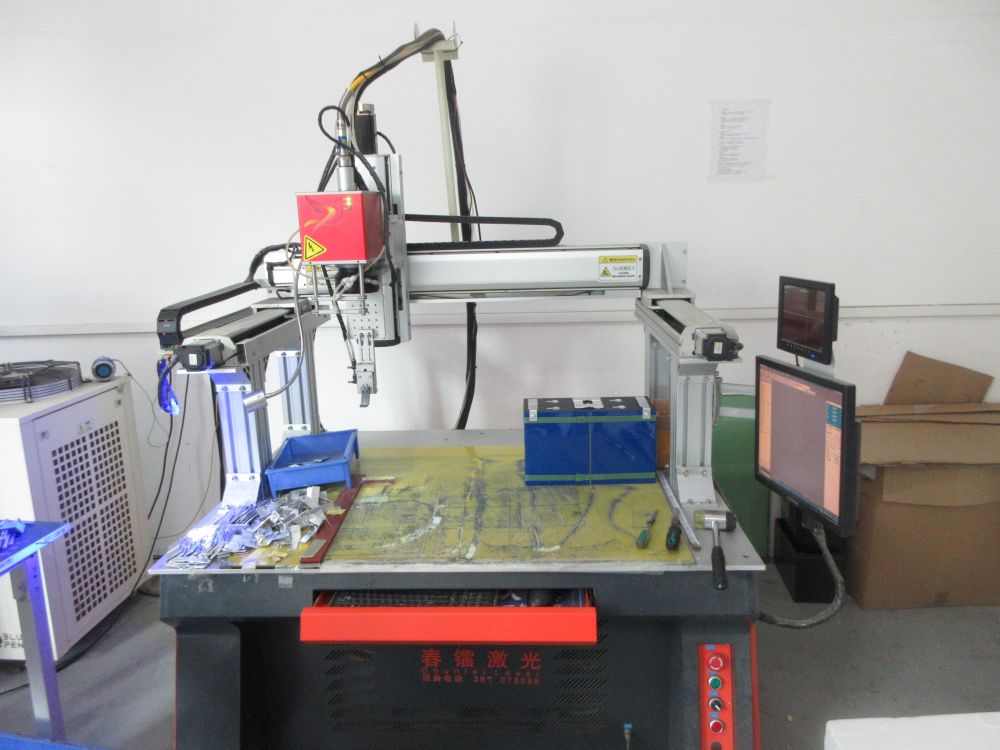
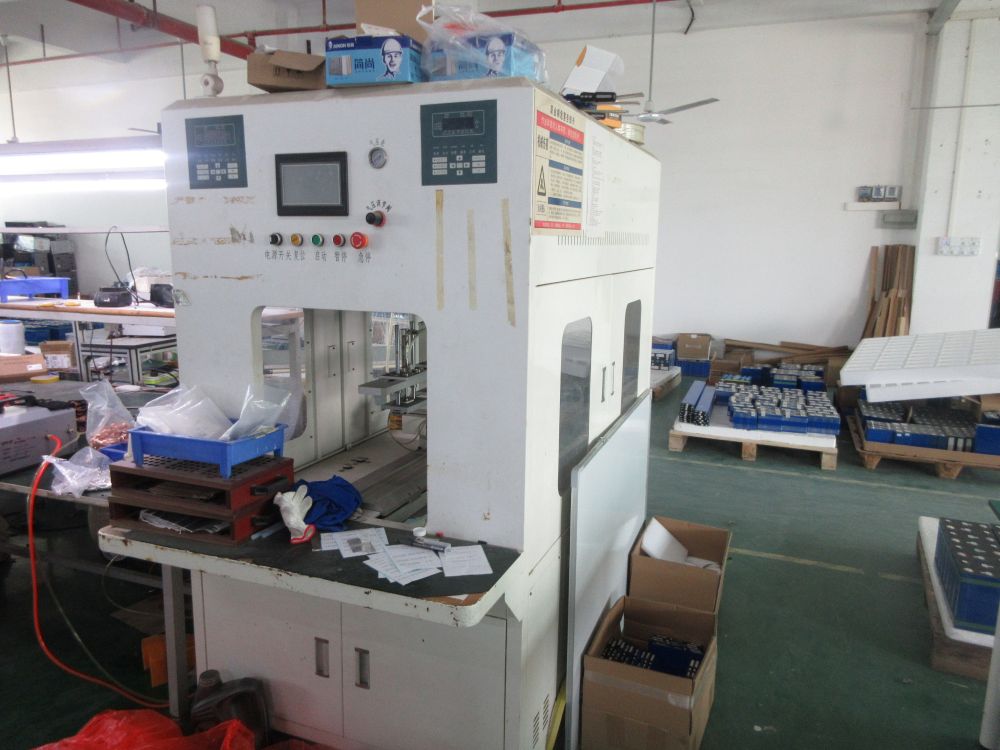
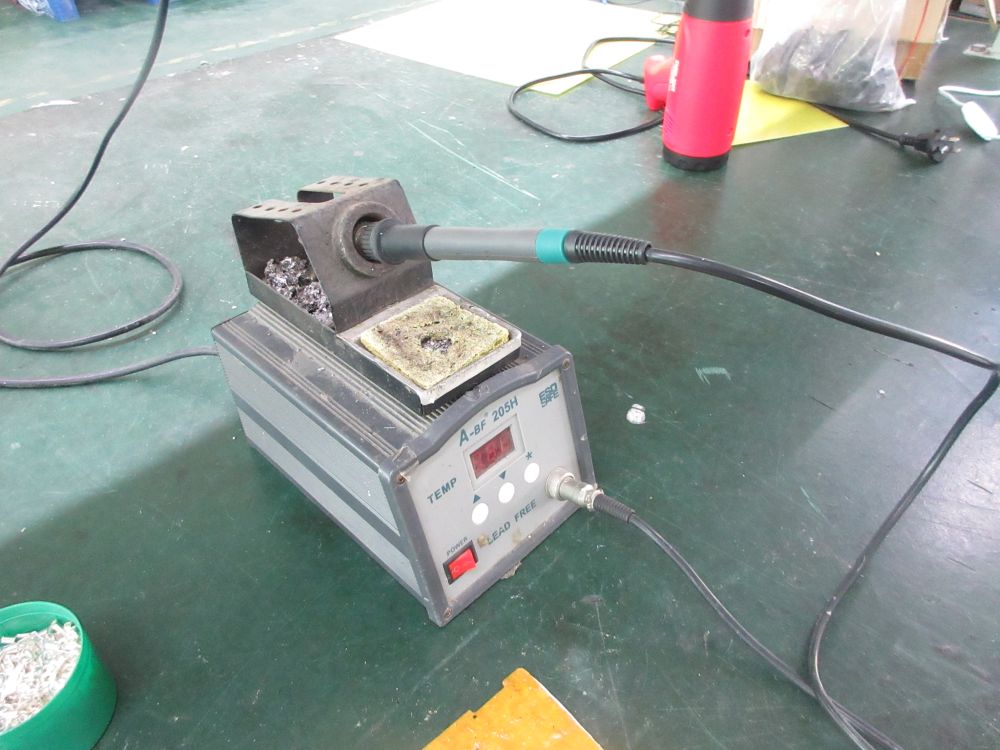
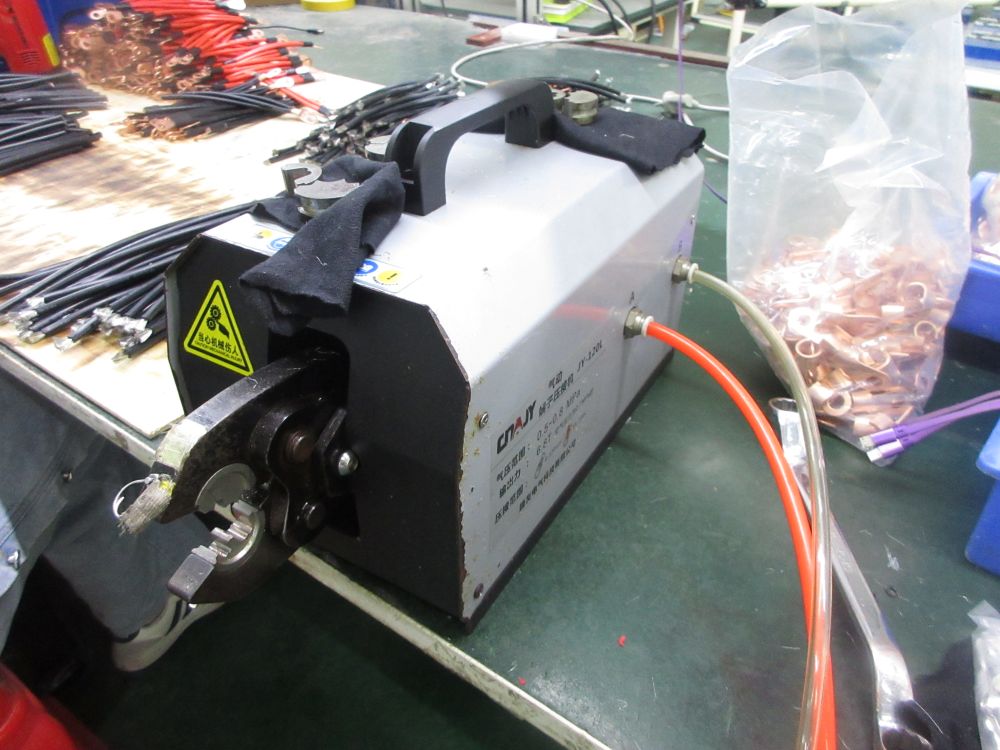
To ensure system reliability, Hudd Energy employs high-level quality controls at every stage of production. From automatic laser spot welding to advanced high-precision wire termination and terminal crimping, every process is monitored under strict ISO standards. Finished battery packs undergo multi-cycle charge-discharge testing before final warehouse storage.

Navigating the complex regulatory landscape, testing certifications, and international battery shipping logistics.
Deploying commercial energy storage demands strict adherence to dynamic grid codes and fire safety regulations. As lithium systems scale, compliance is no longer optional—it is a critical requirement for project design, bankability approval, and local permitting. Hudd Energy ensures that all containerized solutions, modular battery banks, and hybrid systems are tested and certified to international standards.
Our batteries and integrated inverters comply with globally recognized safety guidelines, including UN38.3 for safe transport under mechanical and thermal stress, UL9540A to assess thermal runaway fire spread, and IEC 62619 for safe operation in C&I installations. These certifications verify that our containment architectures can mitigate safety risks without relying on active external suppression.
To feed energy back into public utility infrastructure, systems must meet grid codes such as IEEE 1547 (US), G99 (UK), and AS4777 (Australia). Our system integration incorporates advanced multi-core inverters capable of rapid reactive power injection, dynamic voltage-frequency regulation, and microsecond anti-islanding protection, ensuring compatibility with global utility networks.
Lithium-ion batteries exceeding 100Wh are classified as Class 9 Hazardous Materials. Hudd Energy works with certified shipping networks to coordinate packaging, labeling, and customs documentation. We offer flexible trade financing options, such as Letters of Credit (L/C), to help international buyers minimize financial risk during transit.
Comprehensive technical and commercial answers to help inform your project planning.
High-capacity battery systems, clean power inverters, and hybrid infrastructure designed for flexible industrial integration.
 Hudd Energy