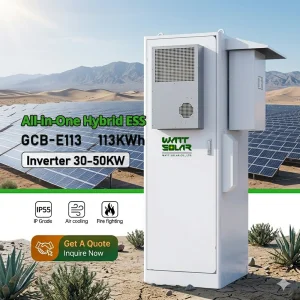
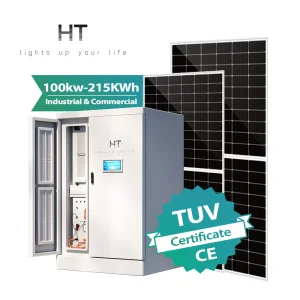
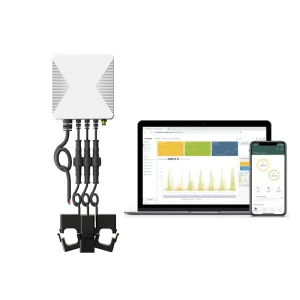
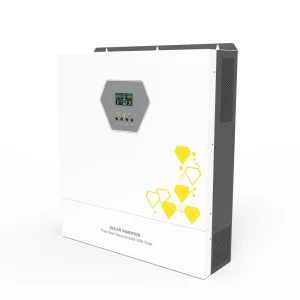
Explore our premium grade selection of containerized energy storage units, hybrid solar inverters, and high-precision monitoring modules built for commercial and industrial scalability.
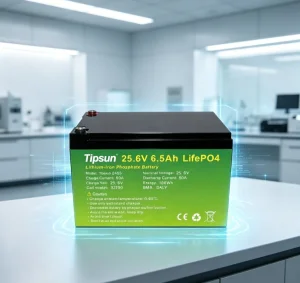
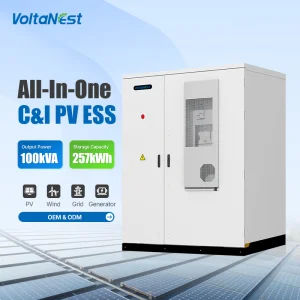
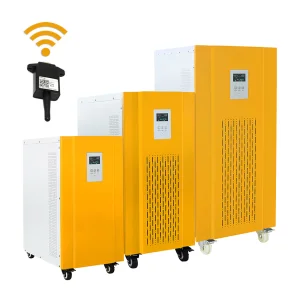
Navigating the complex global shift toward decentralized grid infrastructure and optimized energy security.
Commercial and industrial enterprises are increasingly deploying containerized energy storage to hedge against volatile Time-of-Use (ToU) electricity tariffs. By charging lithium iron phosphate (LFP) battery systems during off-peak periods when energy is inexpensive and discharging during high-tariff peak windows, companies achieve substantial operational expense savings.
In manufacturing facilities, data centers, and critical public infrastructure, even microsecond power fluctuations can cause millions of dollars in production losses. Containerized energy storage systems, featuring grid-forming power conversion systems (PCS), respond dynamically within milliseconds to serve as reliable, large-scale backup power.
Solar and wind installations suffer from inherent intermittency. Integrating a containerized storage unit allows operators to store excess green electricity, smooth production ramps, and export power consistently to the grid, thereby optimizing internal capacity factors and preventing grid curtailment penalties.
A comprehensive overview of our technical design parameters, thermodynamic layouts, and system-level management.
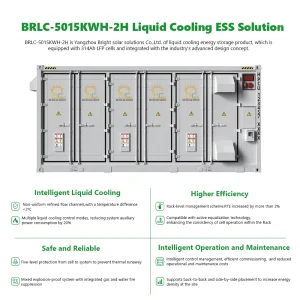
Temperature uniformity is critical to avoiding degradation and preventing localized overheating. Modern BESS containers rely on two primary technologies: liquid cooling and optimized air conditioning. Liquid cooling networks run direct thermal plates against the battery cells, maintaining temperature variations within 3°C across the system. This design extends the overall lifecycle of the lithium cells by 20% compared to traditional forced-air setups, making liquid cooling highly suitable for high-C-rate operations and areas with harsh ambient temperatures.
We implement a layered Battery Management System (BMS) framework:
• Slave BMS: Monitors cell-level voltages and temperatures.
• Master BMS: Balances charges, calculates exact State of Charge (SoC) and State of Health (SoH).
• System BMS: Interfaces directly with the Power Conversion System (PCS).
The Energy Management System (EMS) processes real-time cloud data, enabling remote microgrid orchestration, predictive maintenance, and local grid load forecasting.
Safety is paramount for large-scale energy storage. Our container systems incorporate robust fire mitigation systems compliant with UL9540A and NFPA 855 standards. Features include early smoke, combustible gas, and temperature detection. If a thermal anomaly occurs, localized aerosol or Novec 1230 gas suppression triggers automatically to contain the event. Multi-layered structural barriers also isolate cells to prevent thermal runaway propagation.
To assist procurement departments in selecting the appropriate BESS topology, the table below highlights the trade-offs between standard air-cooled containers and high-density liquid-cooled systems:
| Technical Parameter | Air-Cooled BESS Containers | Liquid-Cooled BESS Containers |
|---|---|---|
| Energy Density | Standard (up to 3.3 MWh per 20ft container) | Ultra-High (up to 5 MWh+ per 20ft container) |
| Temperature Variance | ±5°C across cells | ±3°C across cells |
| Self-Consumption (Auxiliary Power) | Higher (continuous HVAC blower load) | Up to 30% lower overall consumption |
| Life Cycle Projections | Approx. 6,000 cycles (at 80% DoD) | Approx. 8,000+ cycles (at 80% DoD) |
A reliable supplier of integrated clean energy products and custom storage solutions globally.
Beyond supplying individual products, Hudd Energy offers comprehensive system integration services tailored to diverse project requirements. Leveraging extensive industry expertise, the company provides end-to-end support covering solution design, equipment selection, system integration, project management, commissioning, and after-sales services. This enables customers to implement optimized energy solutions with enhanced efficiency, performance, and long-term reliability.
With strong partnerships across China's manufacturing ecosystem, Hudd Energy benefits from a robust and competitive supply chain, ensuring high-quality products, stable delivery schedules, and cost-effective solutions. The company also maintains strategic cooperation with financial institutions and banking partners, providing flexible trade finance support and secure transaction services to facilitate the successful execution of international projects.
Hudd Energy's product portfolio serves a wide range of applications, including residential, commercial, industrial, utility-scale energy storage projects, electric vehicle charging networks, and distributed renewable energy systems. The company is committed to helping customers reduce energy costs, improve energy independence, and achieve their sustainability goals. Over the years, we have successfully expanded our presence in international markets, particularly in Southeast Asia, South America, the Middle East, and Africa, earning the trust and recognition of clients through reliable products, professional services, and long-term partnerships.
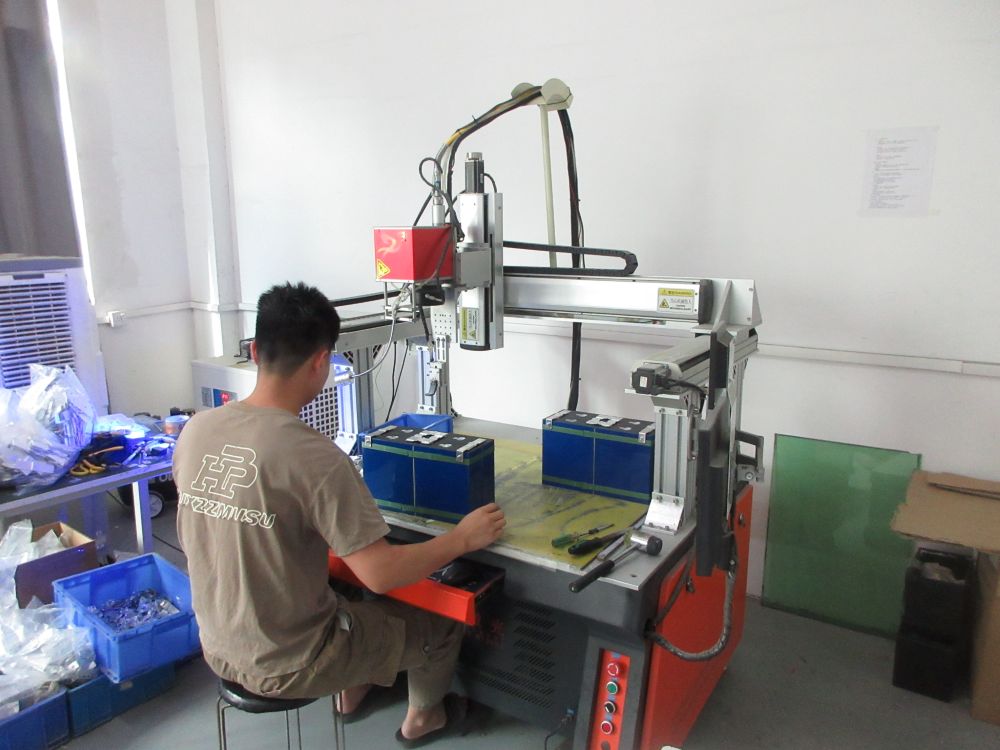
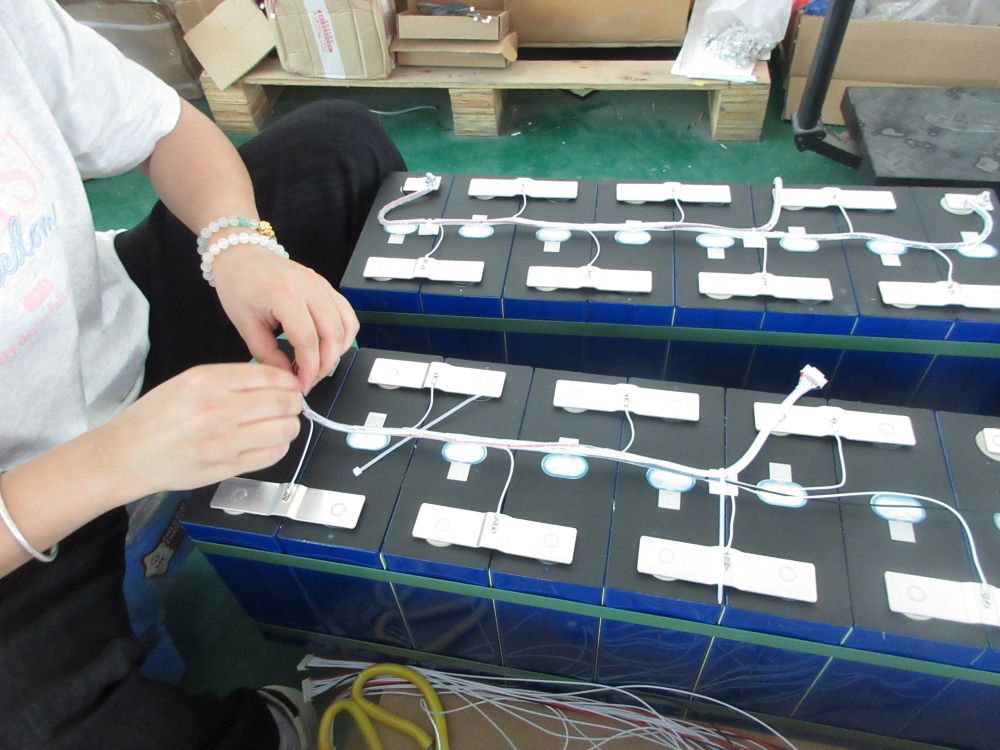
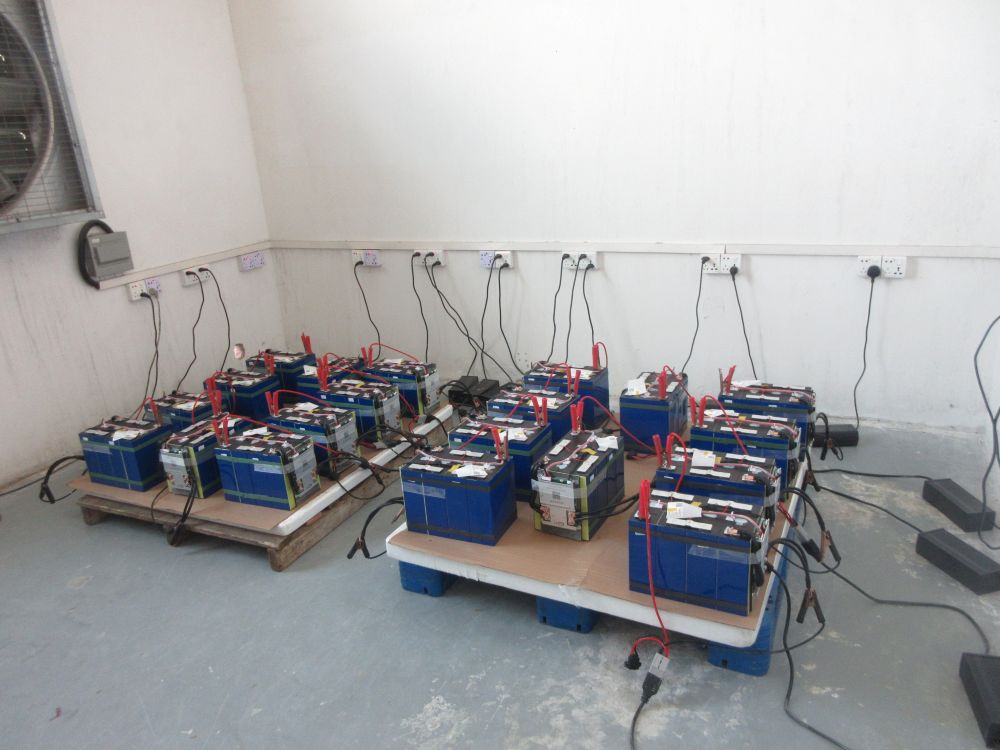
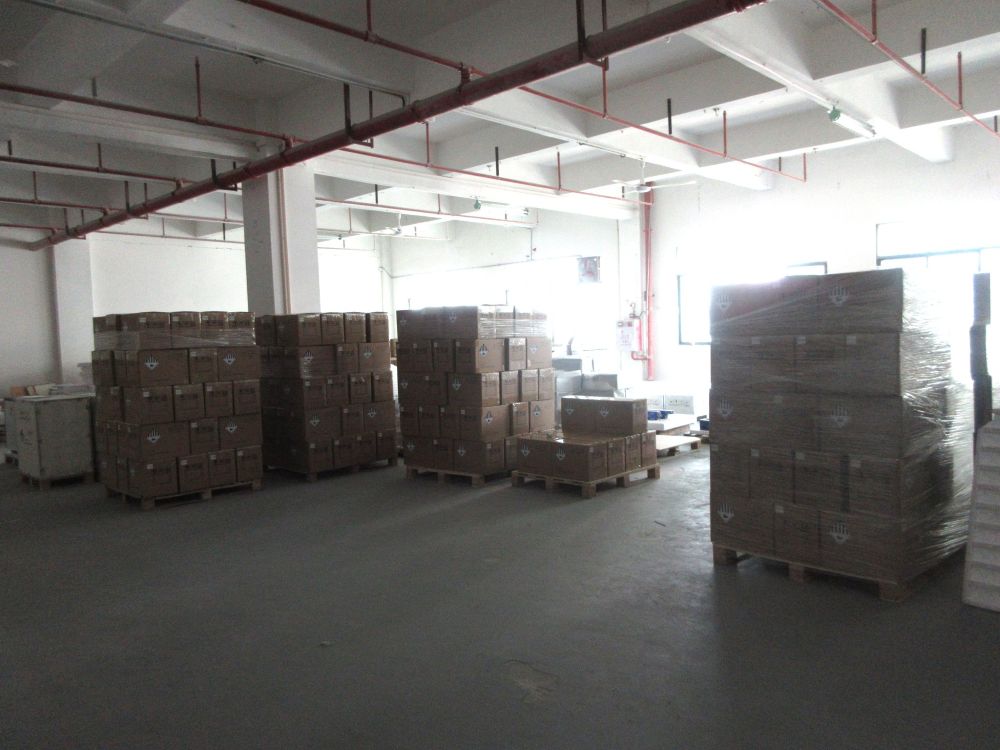
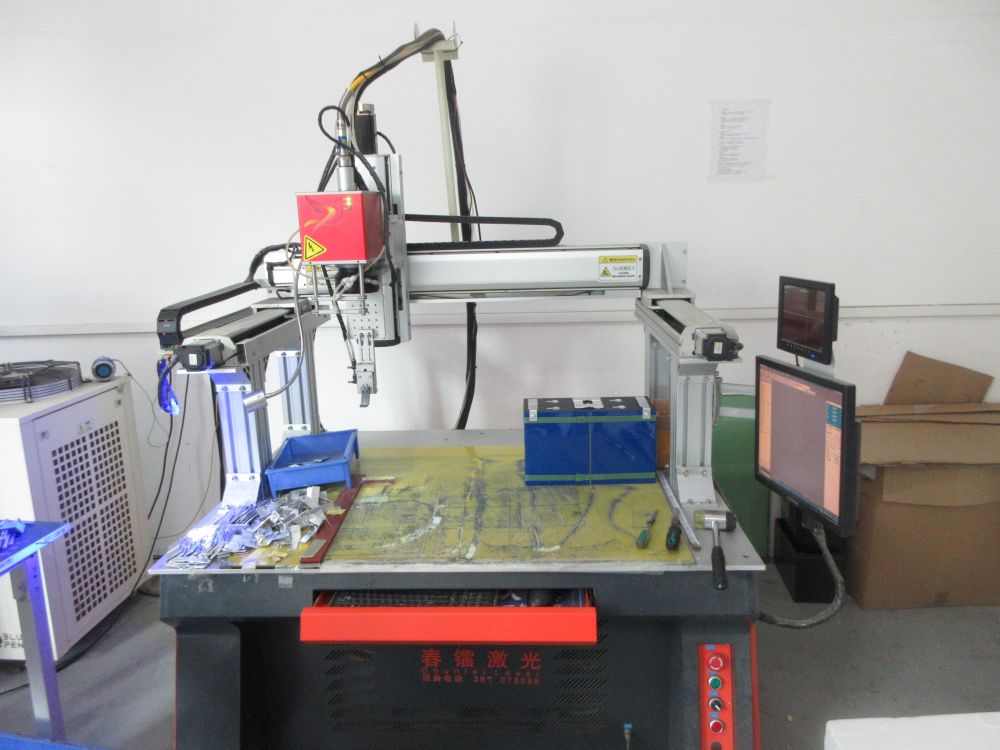
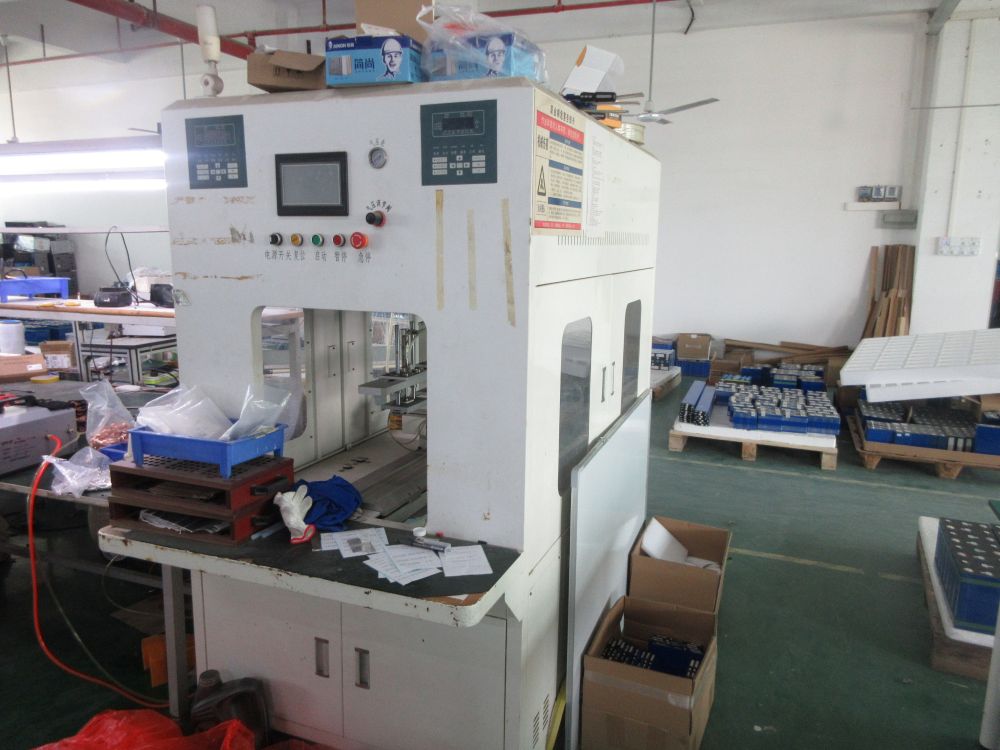
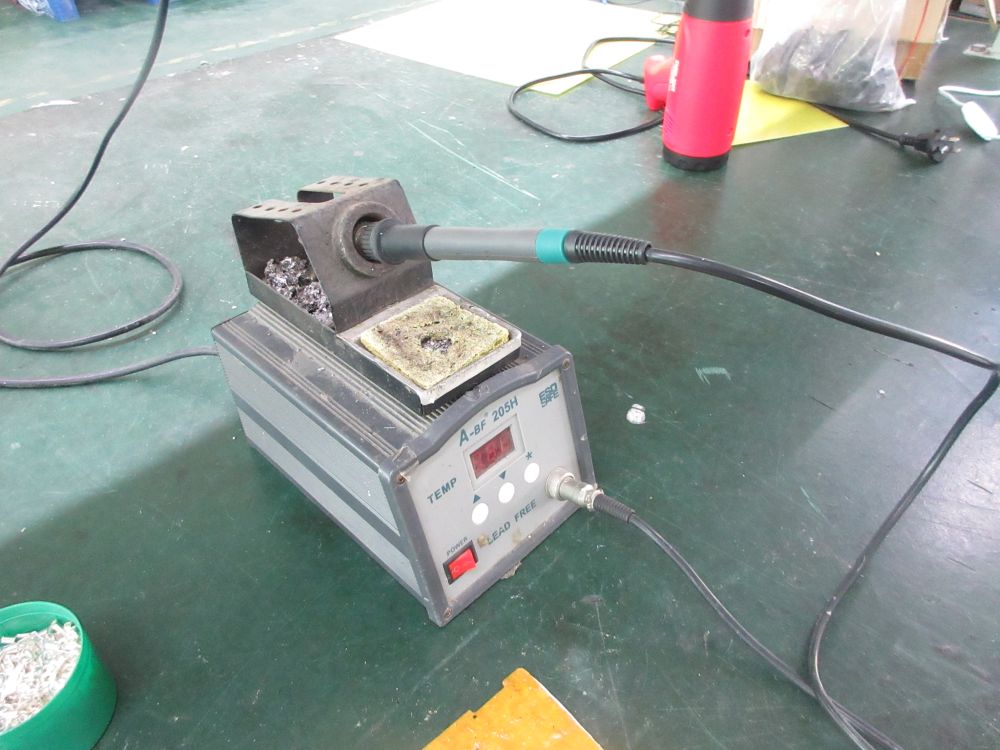
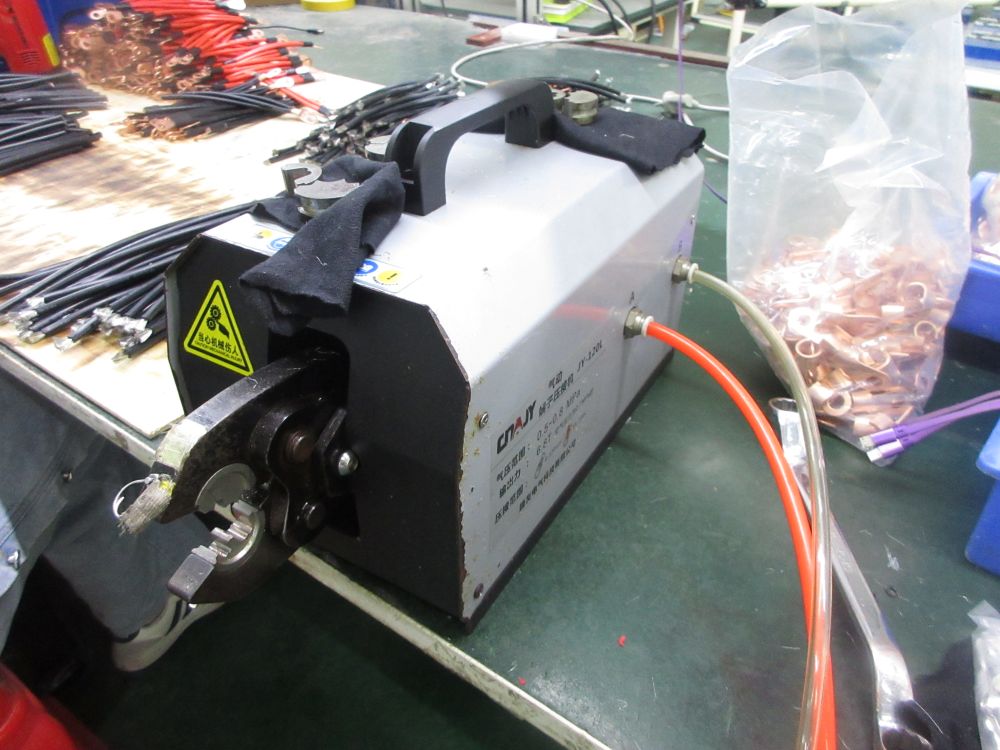
We maintain strict manufacturing standards across every stage of battery module assembly, wire routing, spot welding, safety testing, and container deployment. Explore our core production operations below:

Ensuring compliance, shipping certification, and on-site support across key target markets.
Exporting large-format lithium storage containers requires adherence to strict global transport and safety standards. Our product catalog is fully compliant with UN38.3 (lithium battery transport safety testing standards), CE declarations, IEC 62619 (for industrial lithium systems), and UL 9540A fire safety protocols. This guarantees seamless customs processing and compatibility with grid codes in regions including Europe, South America, and the Middle East.
To mitigate maritime disruptions and reduce lead times, we maintain strategic partnerships and European warehouse operations. This enables expedited local delivery of replacement cells, balance-of-system (BoS) accessories, and backup components. Our logistical network handles the specialized transport of class-9 dangerous goods safely and reliably.
A BESS container requires precise commissioning for safety and performance. Hudd Energy provides comprehensive technical support, offering either on-site engineering assistance or real-time remote configuration support to guide your EPC contractors through the grid interconnection, PCS optimization, and EMS configuration phases.
Providing direct answers to essential engineering, technical safety, and procurement queries.
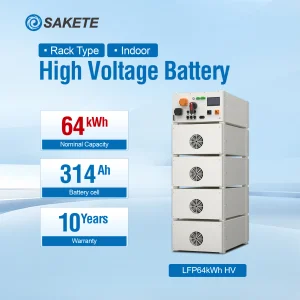
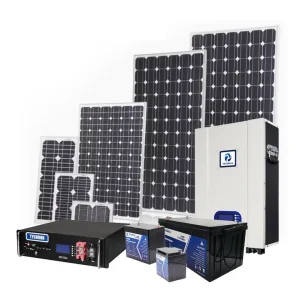
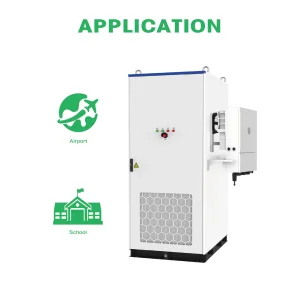
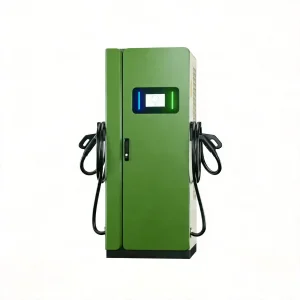
Explore our high-voltage cabinets, portable backup power stations, and EV fast-charging systems designed to meet diverse scale requirements.
 Hudd Energy