The global paradigm shift towards electrified mobility demands a rapid, reliable, and standardized rollout of Electric Vehicle Supply Equipment (EVSE). For enterprise fleet operators, commercial property developers, municipal planners, and grid designers, charging stations are no longer standalone terminal points. Instead, they function as key nodes within a complex, bidirectional smart energy grid. Building infrastructure that meets the stringent requirements of the European Economic Area (EEA) and global energy systems necessitates selecting CE Certified Electric Vehicle Charging Station Manufacturers who understand the engineering, safety, and network protocols required to future-proof investments.
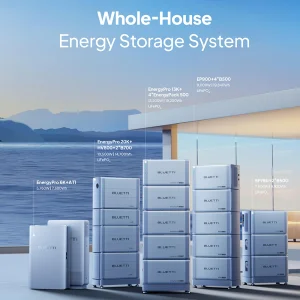
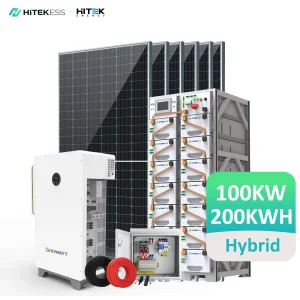
Currently, international commercial projects face major headwinds including regional grid overload, local compliance discrepancies, peak demand pricing, and hardware-software interoperability issues. To mitigate these project risks, procurement directors require advanced solutions that bridge the gap between high-capacity DC charging and microgrid power management. With standard hardware integration, operators are discovering that integrating solar power generation and smart Energy Storage Systems (BESS) directly with EVSE networks provides a high degree of energy autonomy, reducing operational expenditures and ensuring consistent operational stability even during peak grid congestion.
Procuring industrial-grade electric vehicle charging stations involves strict technical parameters. Selecting a validated manufacturer requires careful evaluation of safety certifications, electrical designs, thermal dissipation configurations, and load management systems. In the European market and globally, the **CE (Conformité Européenne) marking** is a non-negotiable regulatory baseline. It signifies that the equipment complies with critical directives including the Low Voltage Directive (LVD 2014/35/EU), the Electromagnetic Compatibility Directive (EMC 2014/30/EU), and the Radio Equipment Directive (RED 2014/53/EU) for wireless communication components.
B2B buyers and EPC contractors need to look beyond basic compliance labels. Critical criteria for commercial-scale installations include:
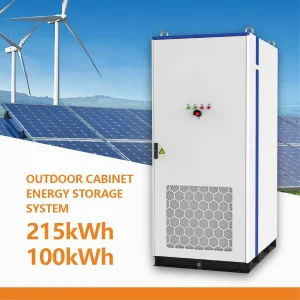
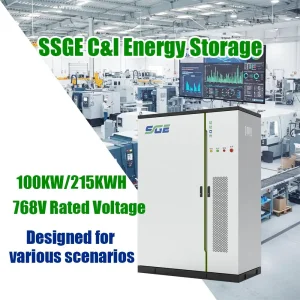
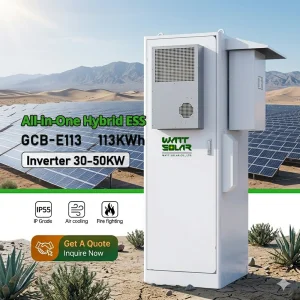
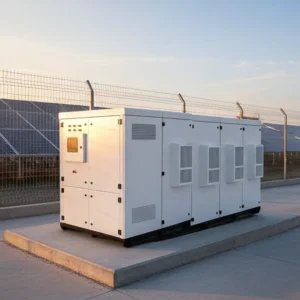
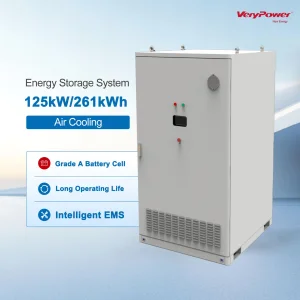
When multiple vehicles connect to a depot, peak charging loads can trigger high demand fees or exceed site capacity limits. High-performance EV chargers integrate Dynamic Load Balancing (DLB) to allocate available electrical capacity in real time across active charging ports. When integrated with an onsite battery storage system, such as a **100kW/215kWh commercial energy storage cabinet**, the system performs peak shaving by discharging battery power during peak demand periods, maintaining the local grid below the contract utility threshold.
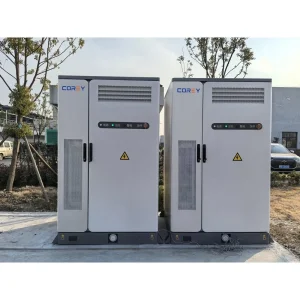
Environmental stress is a primary failure mode for outdoor charging infrastructure. High-capacity DC fast chargers generate substantial heat within their internal power modules. Premium systems use isolated cooling ducts and advanced air cooling or liquid cooling loops, alongside IP54 or IP55 ingress protection, safeguarding delicate power electronics and microcontrollers from heavy rainfall, fine dust, and maritime humidity.
Guangdong Hudd Energy Co., Ltd. is a leading developer and systems integrator of advanced renewable energy infrastructure, large-scale battery energy storage systems (BESS), solar power components, and specialized EV charging installations. Hudd Energy bridges the gap between discrete components and functional, complete smart energy systems, providing tailored solutions to commercial, industrial, and utility customers globally.
The company’s engineering capabilities focus on delivering complete grid integration. Rather than providing just standard hardware, Hudd Energy delivers comprehensive, end-to-end services covering customized project engineering, components selection, secure grid connectivity design, site commissioning, and lifetime operations support. Their strategic partnerships across China’s high-tech manufacturing ecosystems enable a resilient supply chain, giving developers access to reliable hardware, prompt product deliveries, and cost-effective capital investment frameworks.
With international project expertise across Southeast Asia, South America, the Middle East, and Africa, Hudd Energy manages logistics, site conditions, regulatory filings, and localization. In collaboration with international financial institutions, the company provides structured trade financing solutions to streamline procurement for large infrastructure developments.
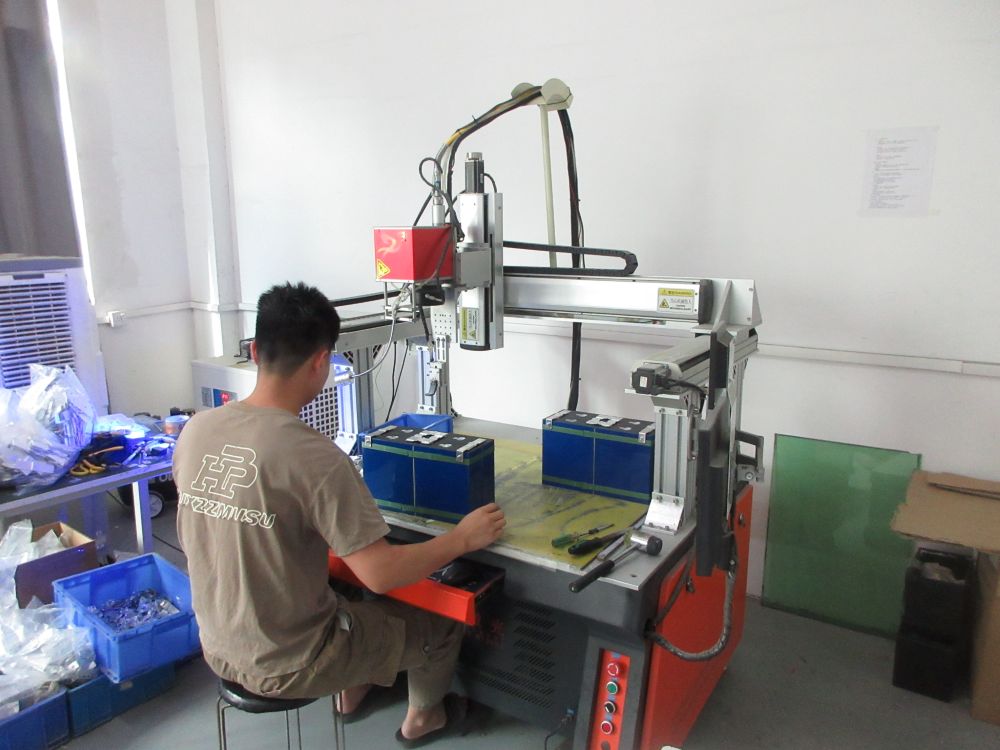
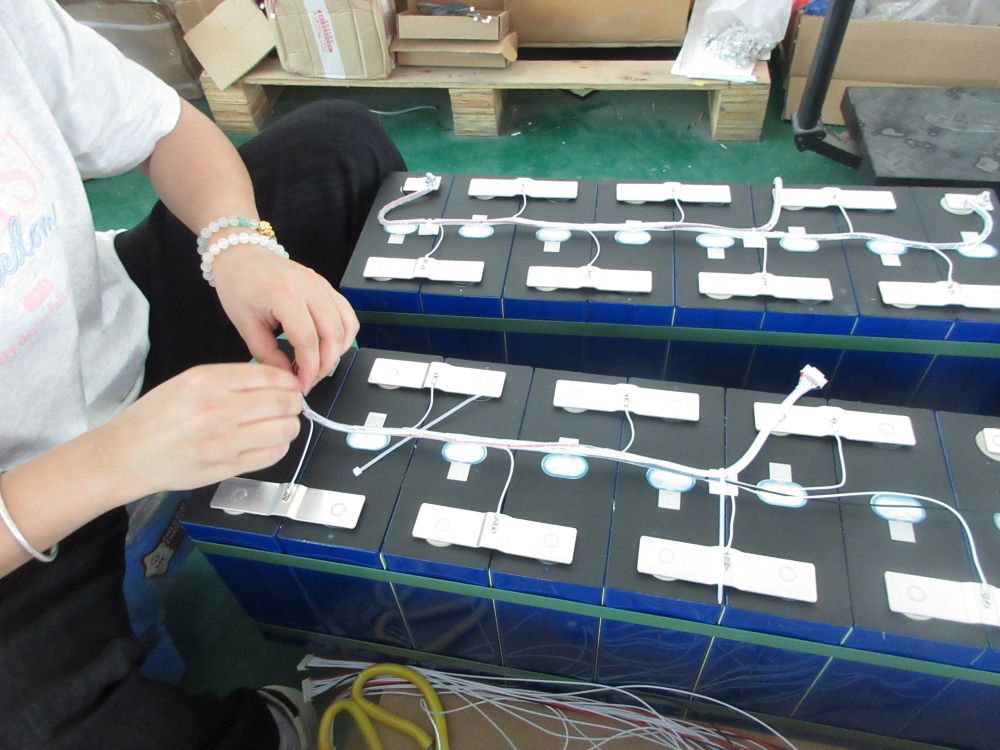
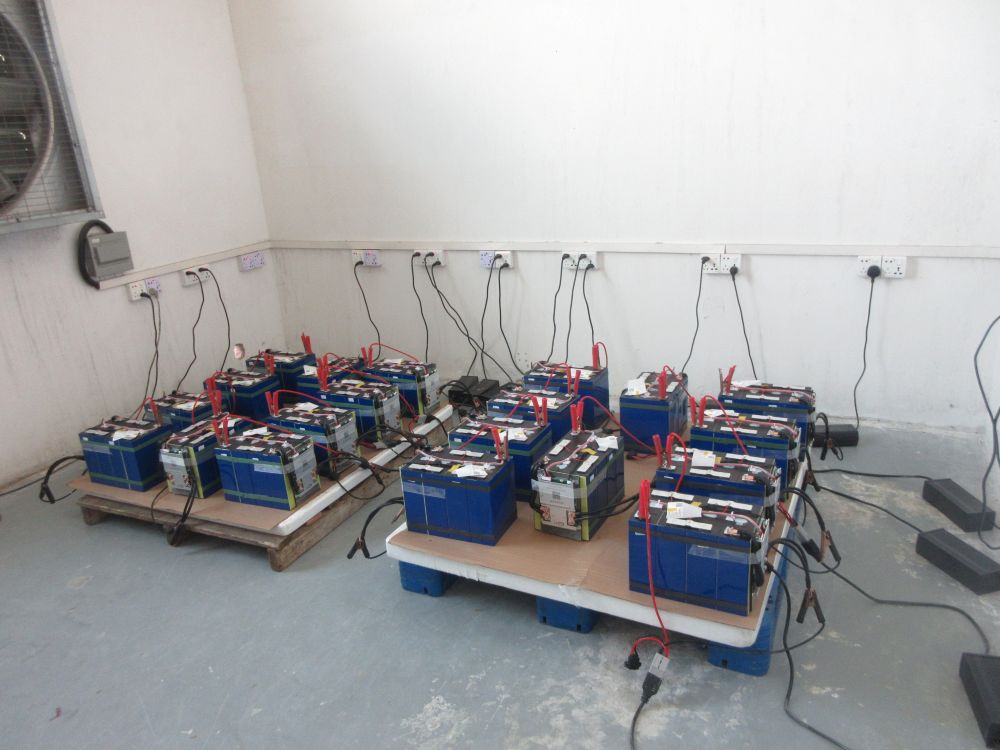
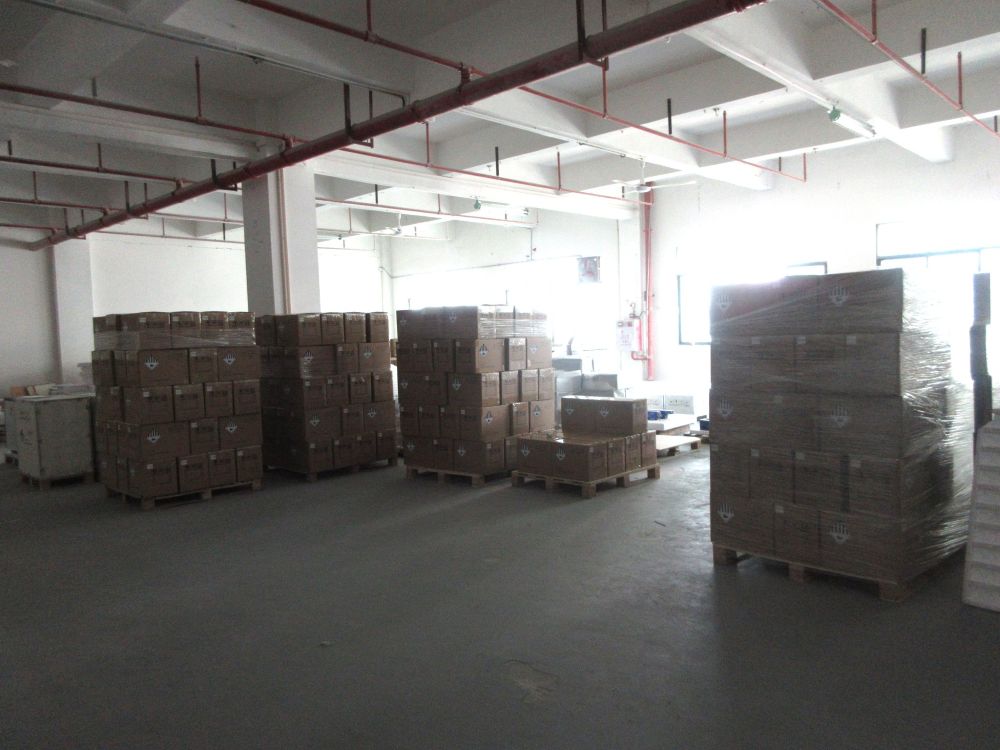
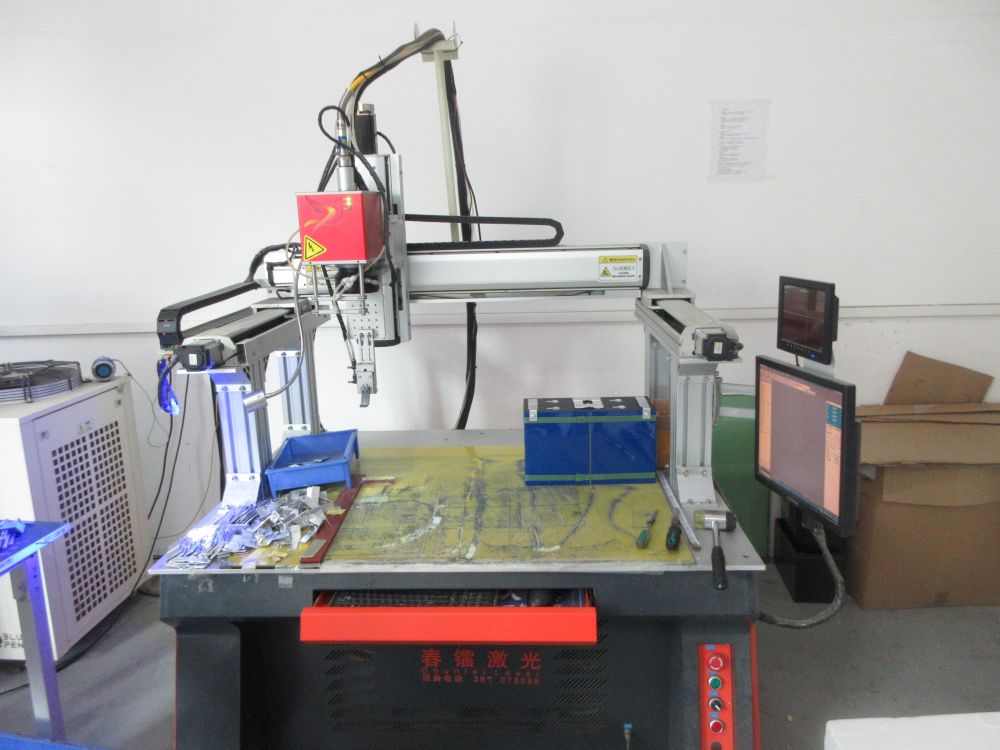
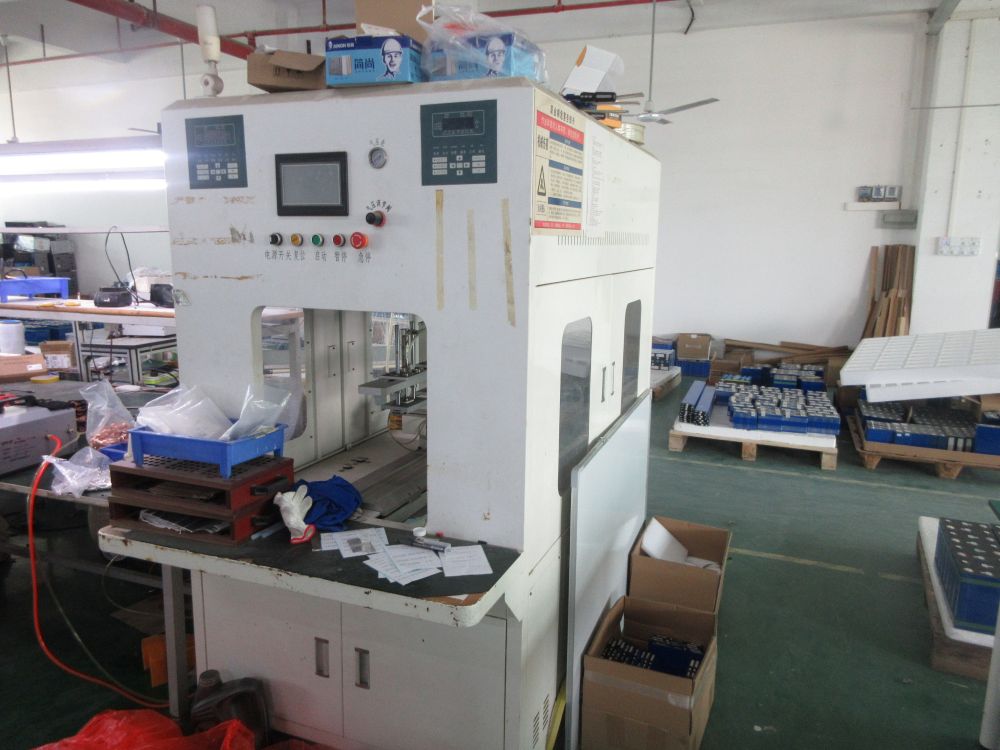
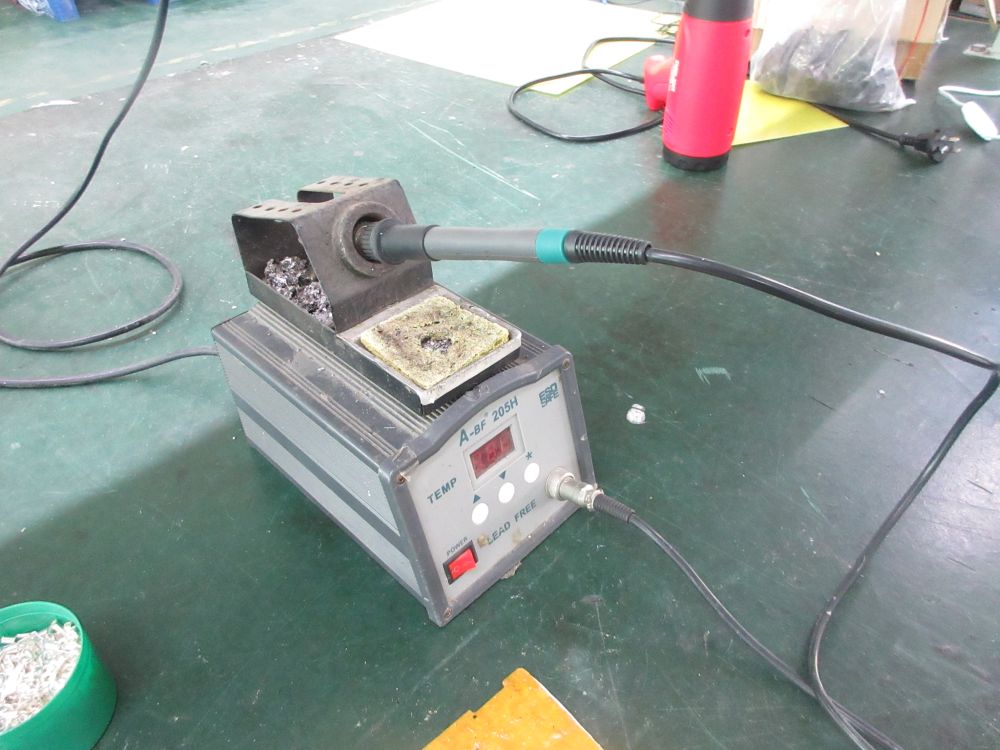
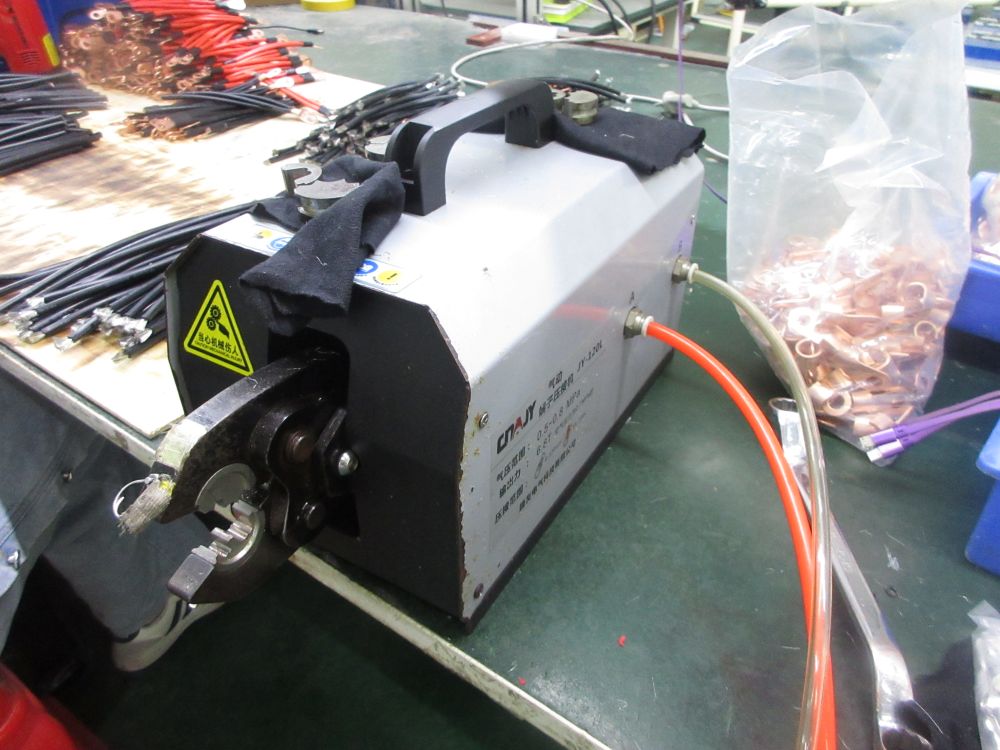
Reliable performance in the field starts with quality control on the factory floor. Every connection point, weld joint, and circuit layout is built to withstand years of continuous thermal cycles and high currents. Below is a look at Hudd Energy’s production processes, where advanced robotics and trained technicians assemble components to meet international standards:

The EVSE industry is evolving quickly, moving beyond simple static AC and DC chargers toward complex, bidirectionally active power networks. As transit authorities and commercial fleets plan their decade-long investment strategies, Hudd Energy supports this transition with a forward-looking technological roadmap:
Under ISO 15118 protocols, electric vehicle fleets are transitioning into distributed power resources. V2G-enabled charging stations allow vehicles to draw grid power during off-peak windows and discharge power back into the facility or municipal grid during high-tariff periods. Implementing bidirectional charging helps turn fleet parking lots into virtual power plants (VPPs) that support grid stabilization and generate demand-response revenue.
While passenger cars utilize CCS, CHAdeMO, or NACS standards, long-haul logistics fleets require the Megawatt Charging System (MCS). Developing charge systems capable of delivering up to 3.75 Megawatts at 1,250 Volts requires advanced thermal designs and water-cooled cabling to charge heavy electric semi-trucks in under 30 minutes.
Modern installations combine charging demands with volatile solar power output. Predictive software platforms leverage machine learning models to analyze weather patterns, historical tariff schedules, and planned transit routes to optimize energy storage dispatch. This maximizes solar self-consumption and avoids peak utility charges.
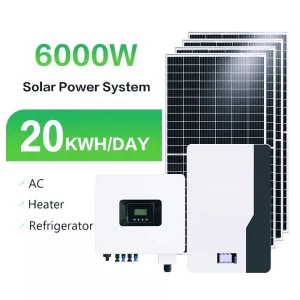
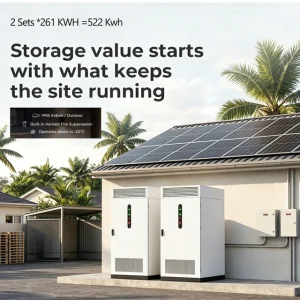
Building a sustainable charging network requires a comprehensive approach to energy management. A standalone high-power charging station can strain local substation transformers. Hudd Energy addresses this issue by deploying integrated **Solar-Storage-Charging systems** that merge clean solar power, lithium battery storage, and dynamic EV charging into one unified microgrid.
This unified approach helps resolve some of the biggest challenges in modern clean energy deployment:
By matching energy production directly with consumption, these microgrids help developers bypass grid capacity bottlenecks and avoid costly utility substation upgrades.
Procuring high-voltage electrical equipment requires strict quality assurance and risk management. As a manufacturer of CE-certified equipment, Hudd Energy adheres to rigorous validation testing to ensure safe, long-term operational performance in challenging environments.
Every charging module and energy storage container undergoes a series of performance evaluations before leaving the factory. These include high-potential (Hi-Pot) insulation tests, ground continuity checks, dynamic thermal imaging under full load, and simulated grid faults. These tests ensure the equipment can safely manage power fluctuations and operate reliably in extreme climates.
Large infrastructure projects require flexible financial planning. Hudd Energy collaborates with global banking partners to offer structured trade finance, letters of credit (L/C), and secure transaction methods. This financial support helps lower risks for international buyers and ensures projects proceed smoothly from planning to installation.
Below are detailed answers to key technical questions commonly raised by engineering, procurement, and construction (EPC) contractors:
 Hudd Energy