Hudd Energy
1 / 5
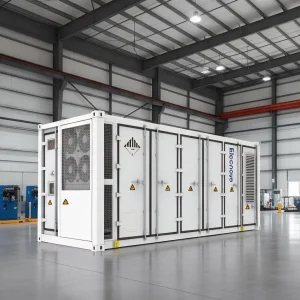
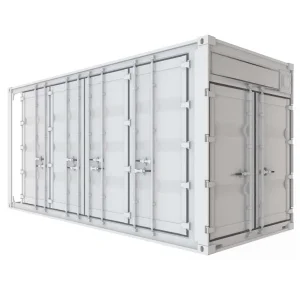
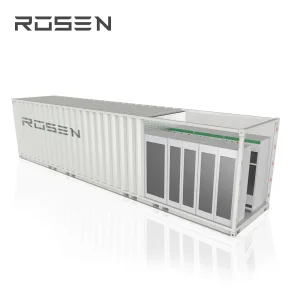
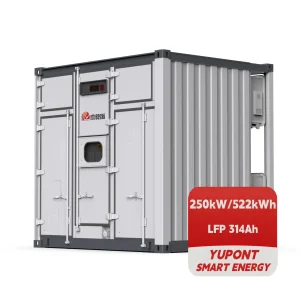
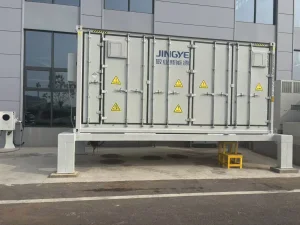
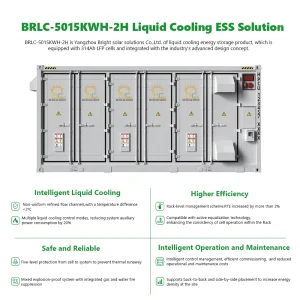
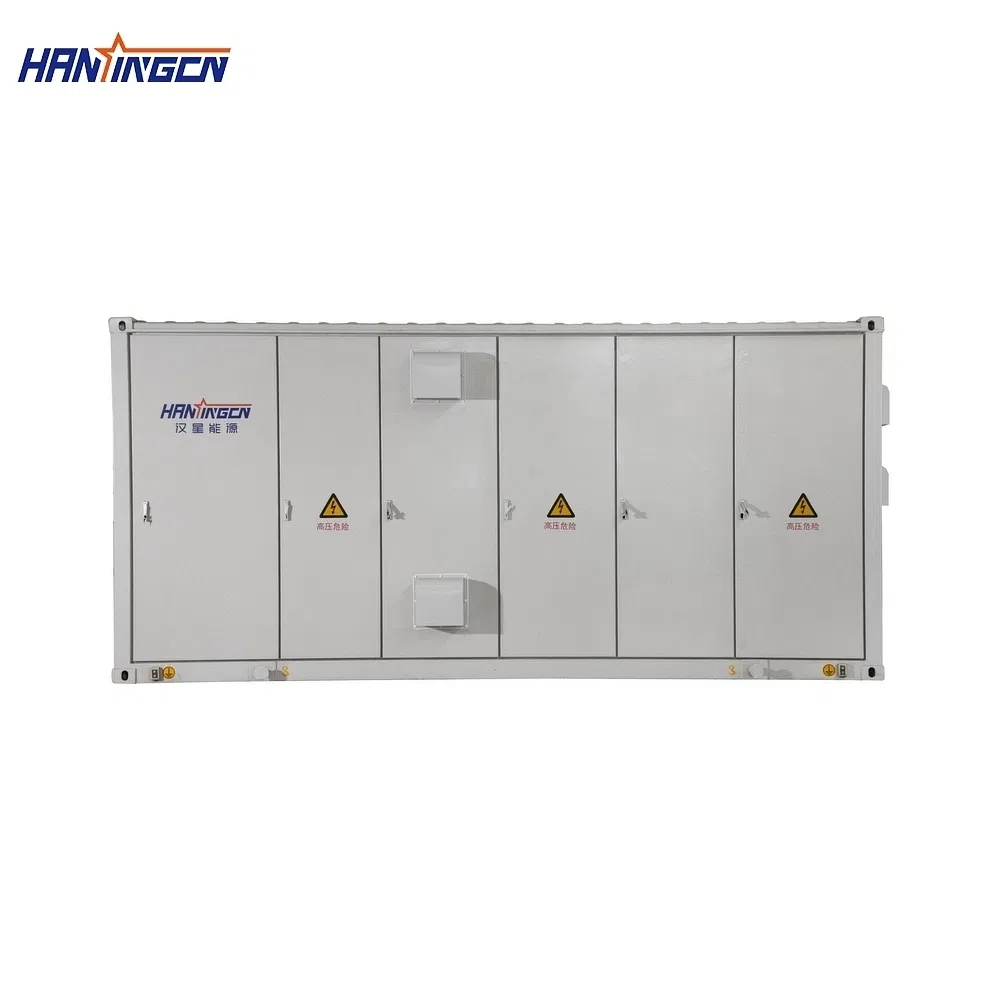
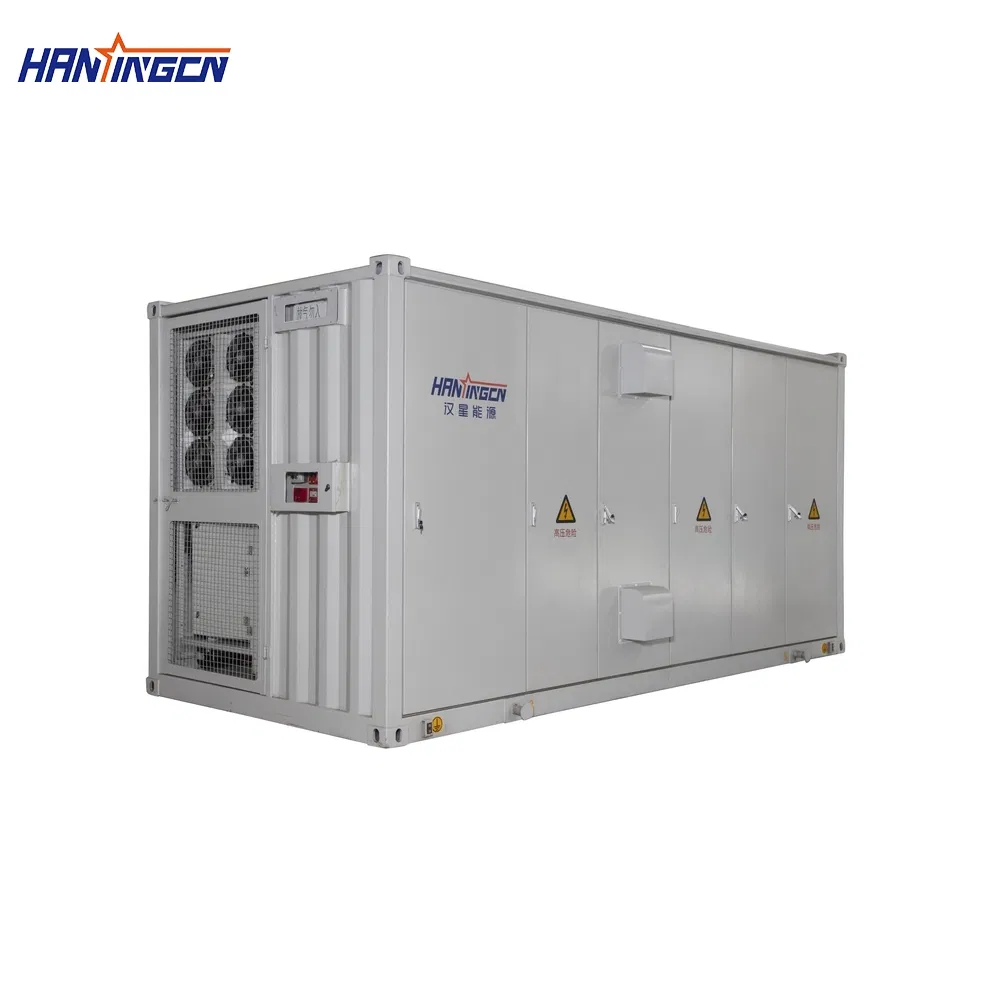
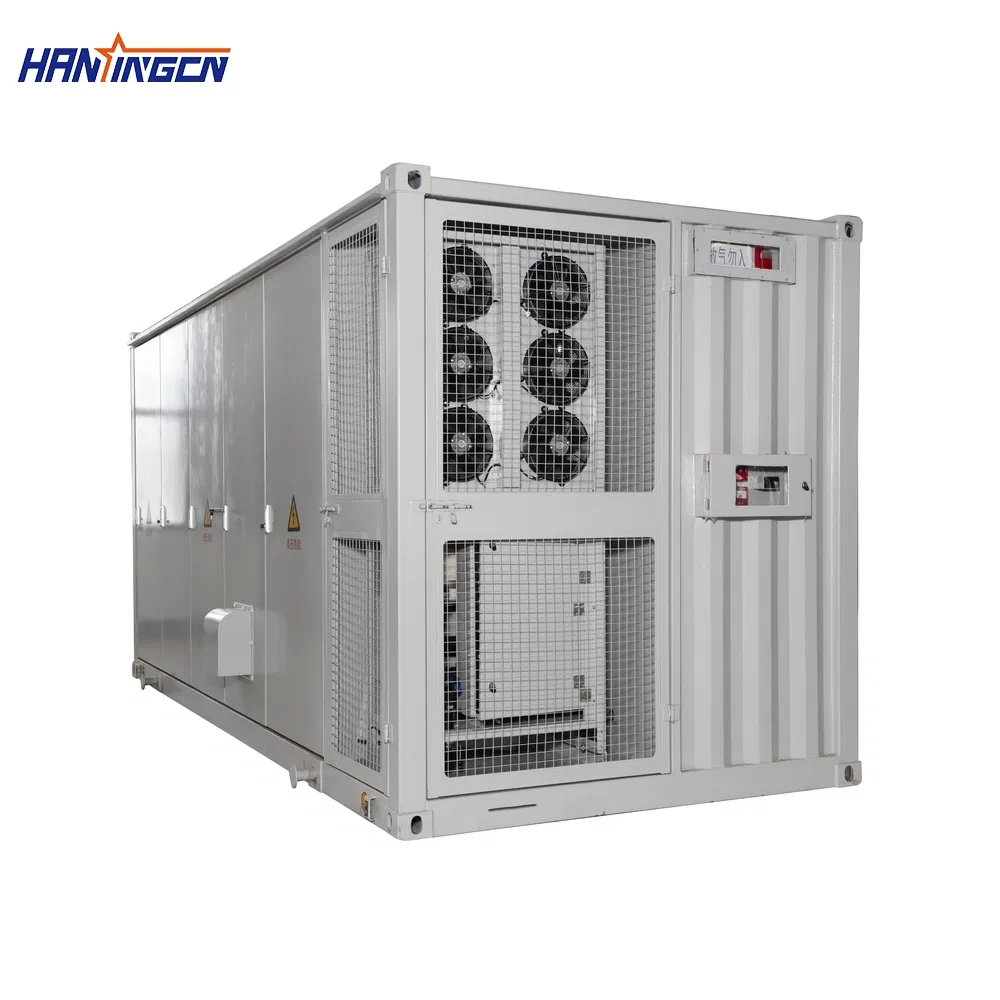
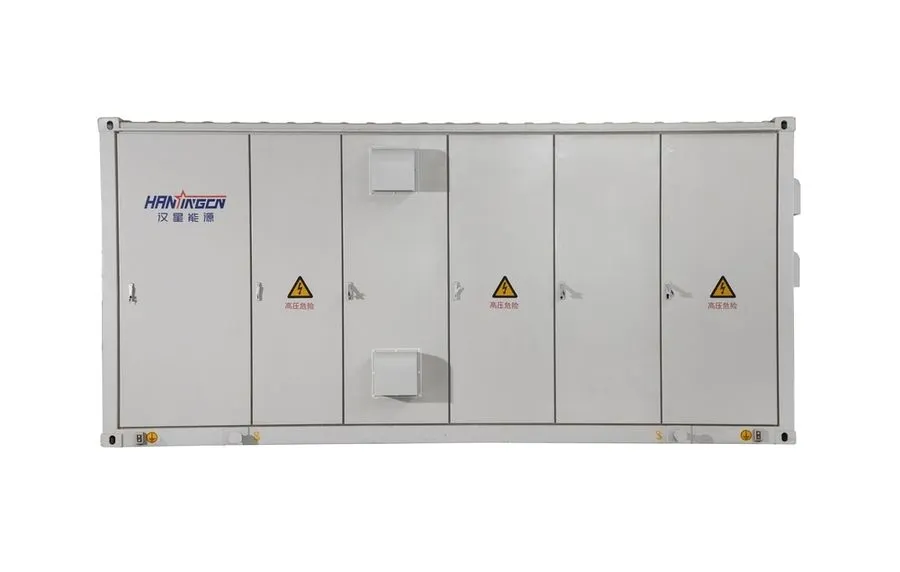
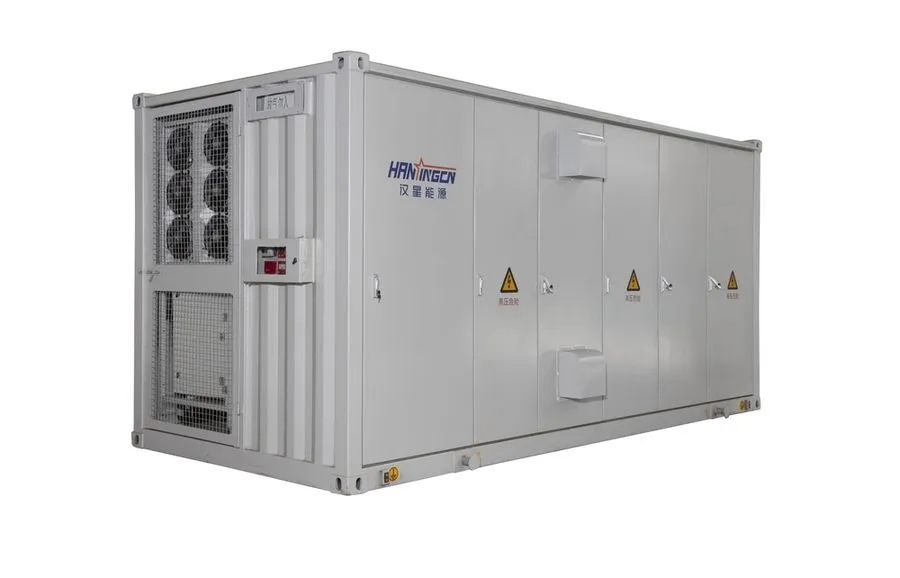
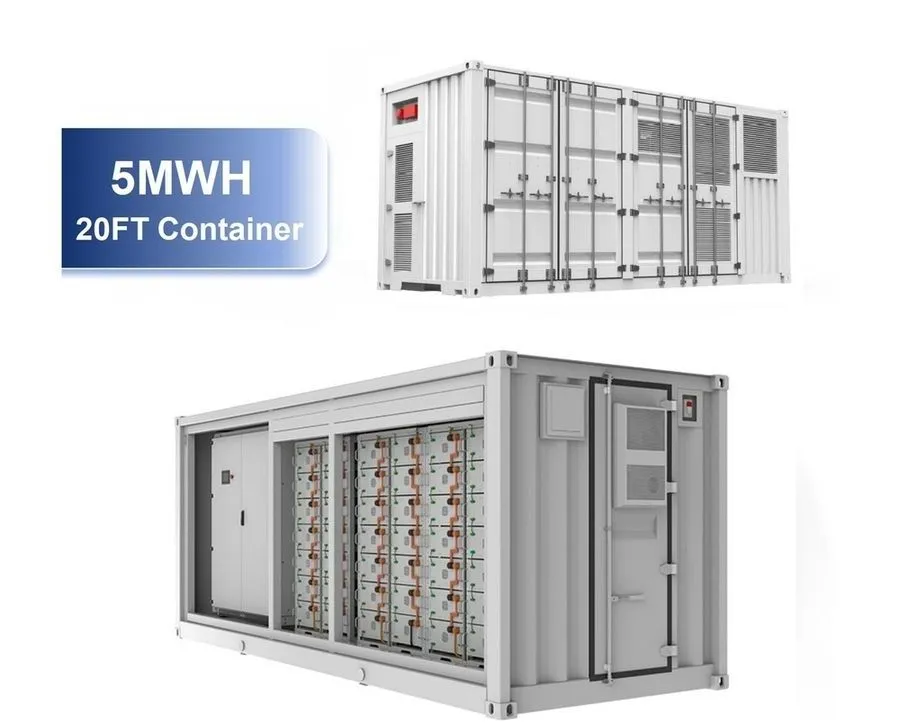
An advanced containerized energy storage system designed for maximum reliability and operational efficiency.
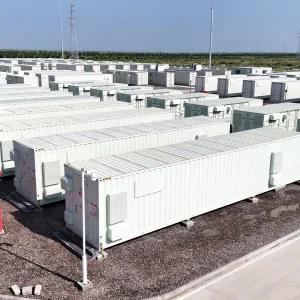
This modular battery storage container delivers seamless power management with intelligent grid integration capabilities.
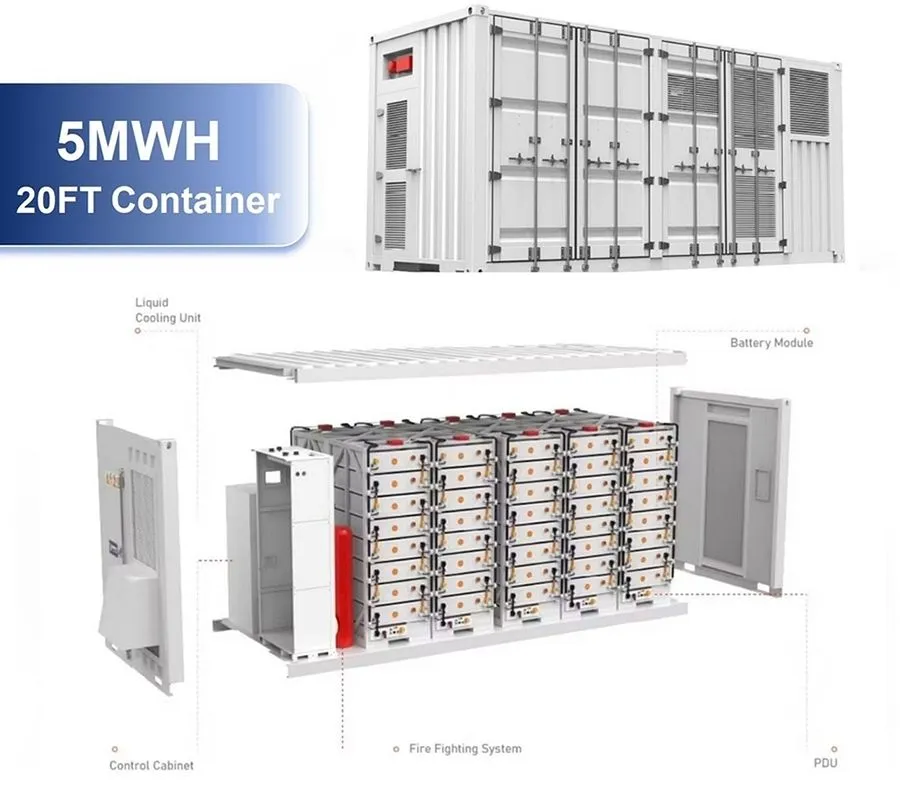
| Technical Parameters | |
|---|---|
| Product Name | Storage System Battery Container |
| Keywords | Energy Storage Container |
| Maximum System Power | 2500KW |
| Nominal Capacity | 5015kWh |
| Available Power | 5015kWh |
| Nominal Output Voltage | 1331.2V |
| Nominal Frequency | 50/60Hz |
| Cooling Method | Liquid Cooling |
| Series/Parallel Mode | 104S1P |
| Noise | <75dB |
| Operating Temperature | -25°C~60°C |
| Cycle Life | 8000cycles+ |
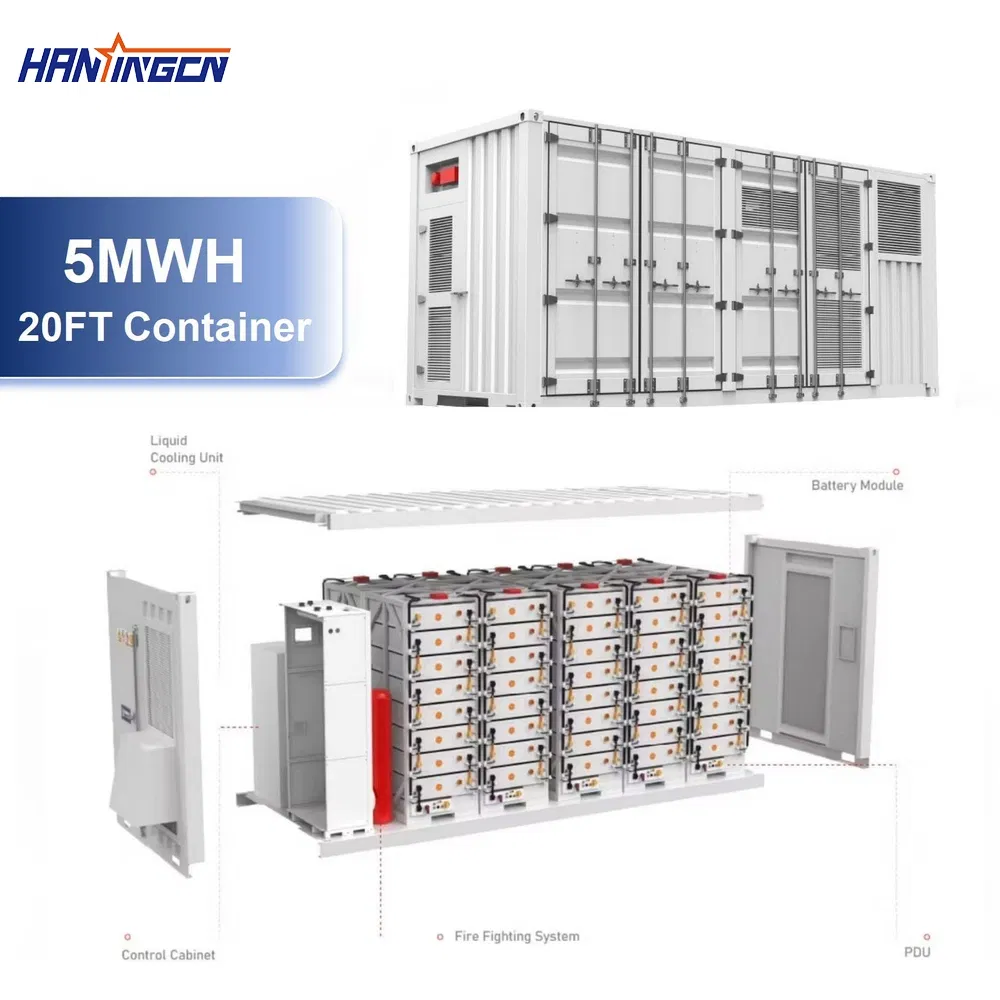
| Specification | 5MWH |
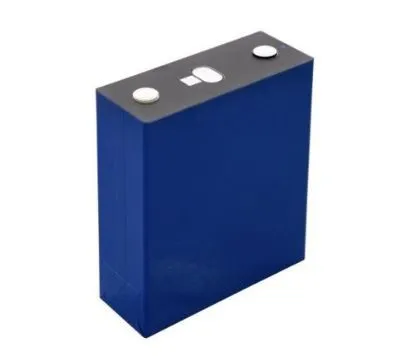
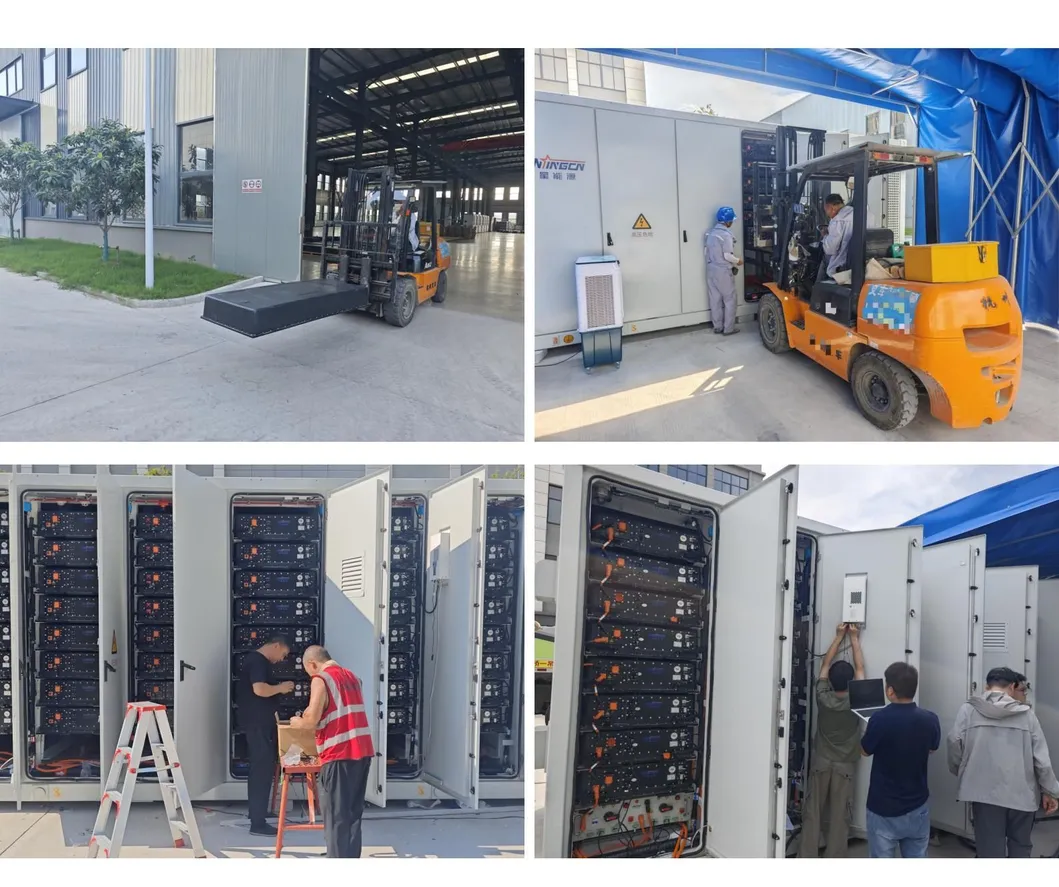
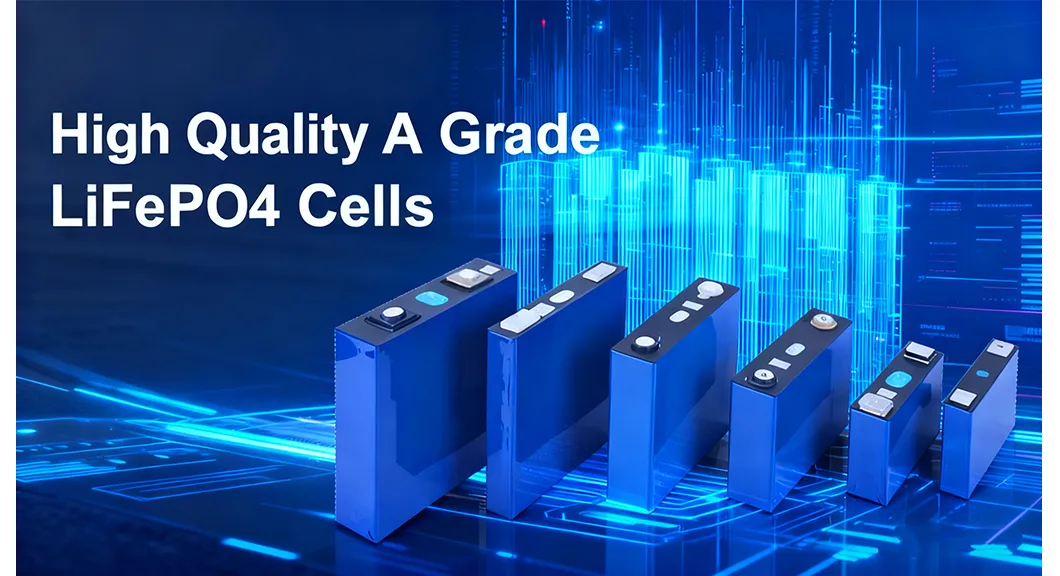
Function: Achieve the conversion between chemical energy and electrical energy, serving as the basic unit for storing electrical energy in the energy storage cabinet.
Advantages: High-quality cells with long cycle life can reduce long-term usage costs.
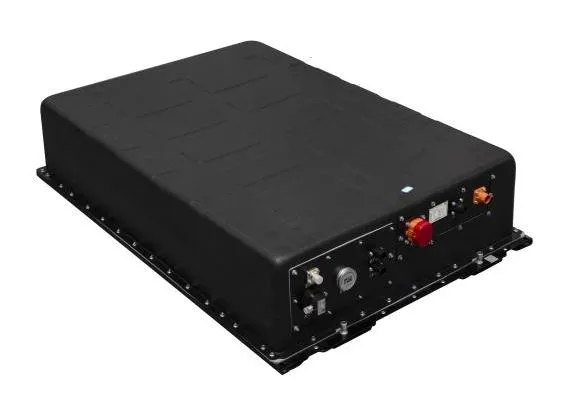
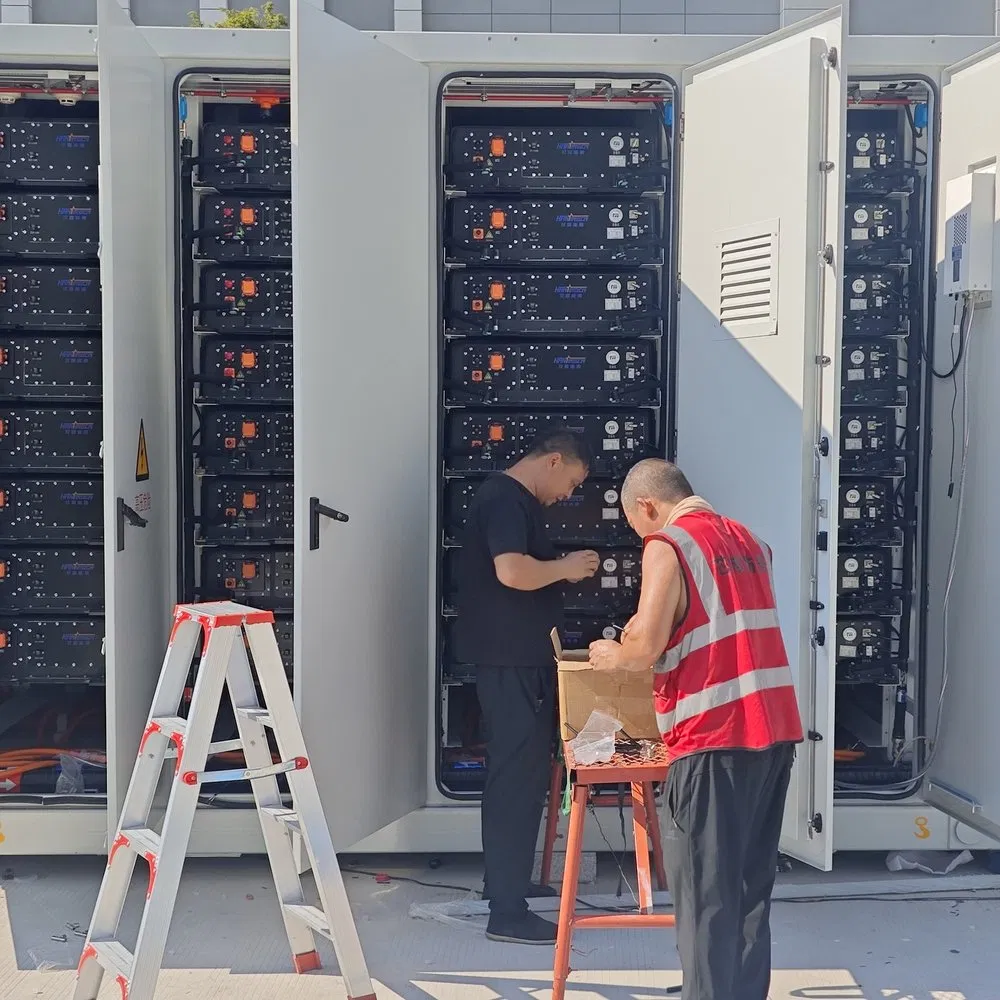
Function: Combines multiple battery cells in series and parallel to achieve stable voltage and capacity, integrates cooling, overcharge/overtemperature/overcurrent protection mechanisms.
Advantages: Modular design facilitates installation, maintenance, and expansion, and the protective mechanism enhances system safety, preventing the impact of a single cell failure on the entire system.
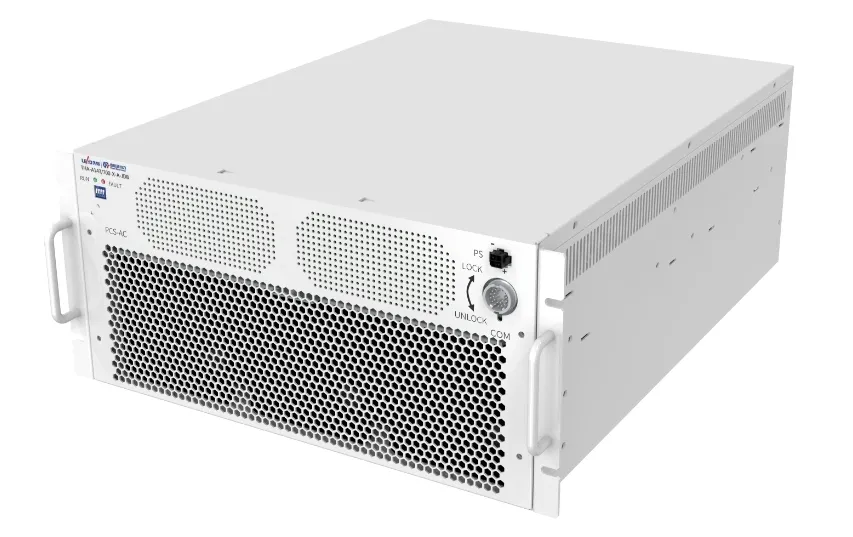
Function: Bidirectionally converts DC power and AC power, enabling the interaction of energy between the energy storage cabinet and the grid, as well as the load. Supports grid connection / off-grid switching.
Advantages: High conversion efficiency, fast response speed, and can adapt to different grid voltage and frequency requirements.
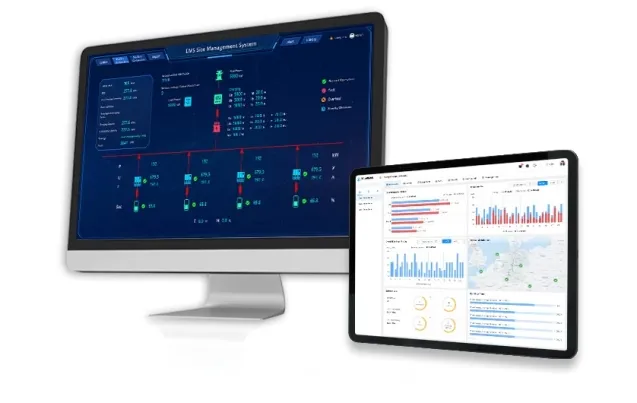
Function: Real-time monitoring of operating parameters of each component, formulation of the most optimal charging and discharging strategies, fault warning and emergency protection, connection with grid dispatch instructions.
Advantages: Intelligent scheduling enhances energy utilization efficiency, reduces manual intervention, provides comprehensive protection for components to extend system lifespan, and ensures operational stability.
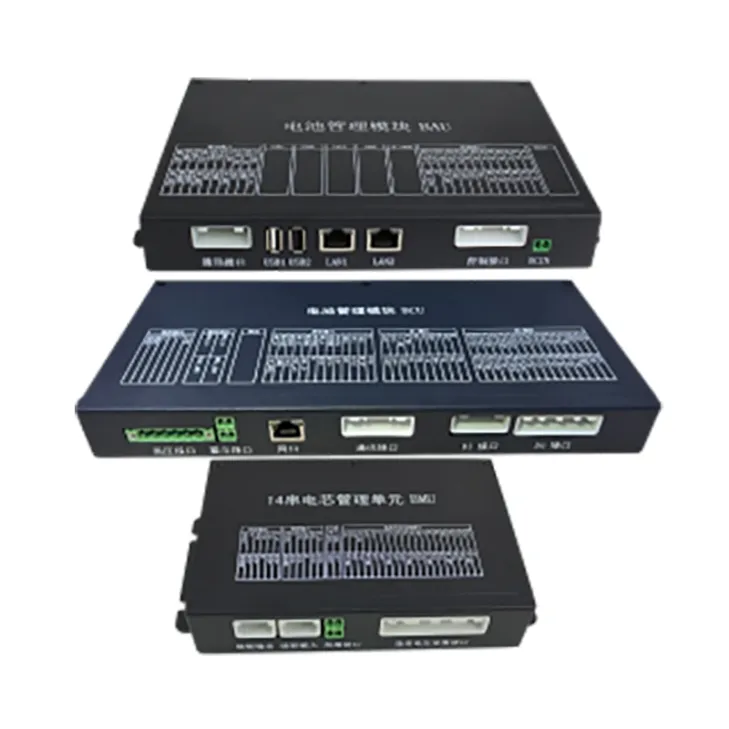
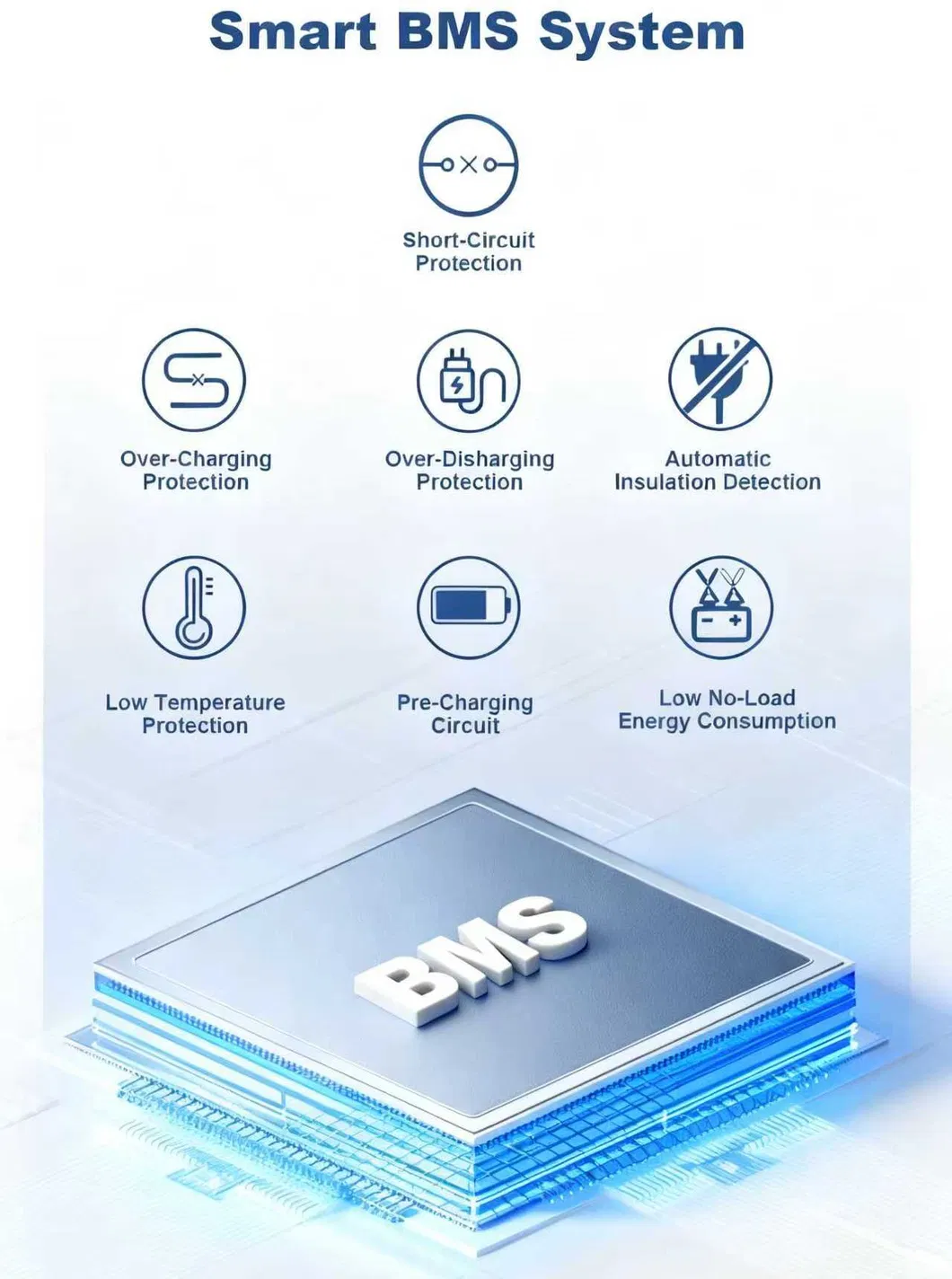
Function: Real-time monitoring of the voltage, temperature, SOC (Remaining Capacity), and SOH (Health Status) of each cell, achieving balanced charging and discharging of the cells, triggering fault protection for overcharge, overdischarge, overtemperature, etc., and transmitting battery status data to EMS.
Advantages: Precise control of the battery's operating state, preventing damage to individual cells, extending the overall lifespan of the battery pack, core guaranteeing the safety of the energy storage cabinet operation, and reducing battery degradation losses.
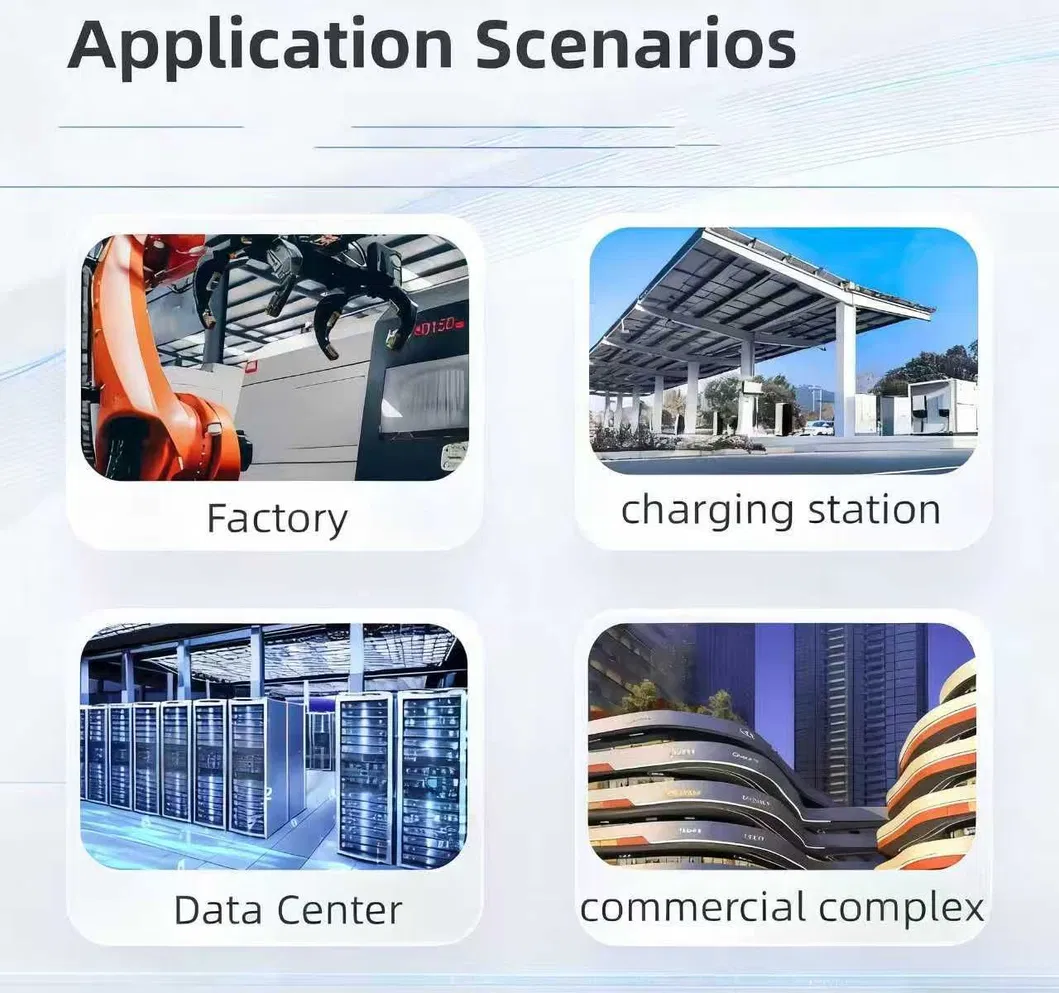
During power shortages, enterprises voluntarily reduce electricity consumption (e.g., peak shaving) to support grid stability, thereby earning valuable economic incentives and contributing to overall energy sustainability while also helping utilities avoid costly infrastructure investments and preventing potential blackouts.
Providing emergency power to critical, uninterrupted loads in industrial parks during outages, ensuring operational continuity and business continuity during power outages or restrictions, while seamlessly switching to backup generators or battery systems to minimize downtime costs and protect sensitive equipment from damage.
As an independent market entity, commercial and industrial energy storage often participates in various power market transactions as peak shaving, frequency regulation, and spot trading, through aggregated storage or virtual power plant models, thereby boosting user profits.