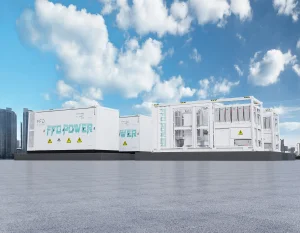
As the global community pivots toward carbon neutrality, the integration of intermittent renewable energy sources like solar and wind has created an unprecedented demand for robust Thermal Storage Systems (TSS) and Battery Energy Storage Systems (BESS). In 2024, the "Storage-as-a-Service" model is no longer a luxury but a necessity for grid stability and industrial resilience. Thermal management within these systems is the critical differentiator between a Tier 1 solution and an average one.
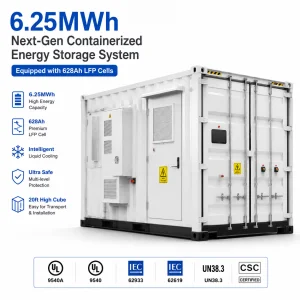
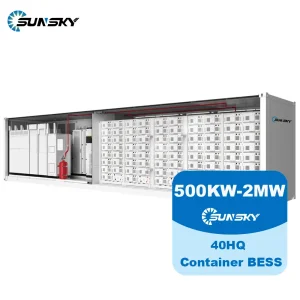
Thermal Storage Systems (TSS) specifically address the challenge of shifting thermal loads. By storing heat or cold energy during off-peak hours, industries can significantly reduce their peak demand charges. For industrial-scale batteries, advanced Liquid Cooling technologies (as seen in our 6.25MWh next-gen containers) represent the pinnacle of "Thermal Management," ensuring that the electrochemical cells operate within a narrow temperature window, thereby extending life cycles by up to 20% compared to traditional air-cooled units.
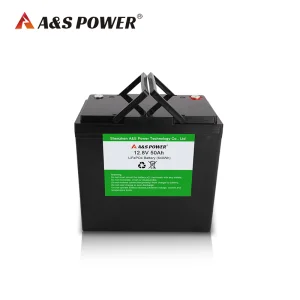
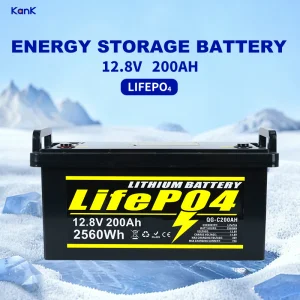
Lithium Iron Phosphate (LiFePO4) has become the gold standard for stationary storage due to its inherent safety and long cycle life. Future trends point towards semi-solid state integration for even higher energy density.
Energy Management Systems (EMS) are now leveraging AI for predictive maintenance and "price-arbitrage" automation, selling energy back to the grid when prices peak.
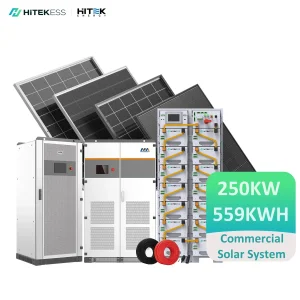
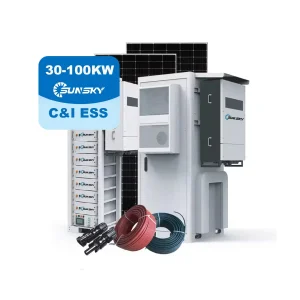
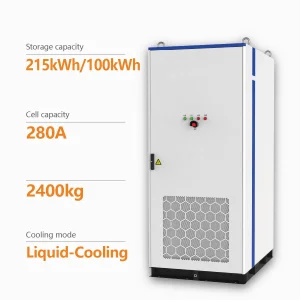
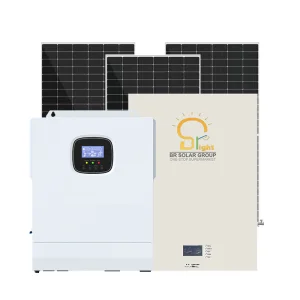
The "All-in-One" modular design allows factories to start small (e.g., 100kWh) and scale to MWh capacity without replacing existing infrastructure.
China currently controls over 70% of the global lithium-ion battery supply chain. For global procurement officers, sourcing from a leading Thermal Storage System Factory in China, specifically in technology hubs like Guangdong, offers three distinct "Information Gain" advantages:
Guangdong Hudd Energy Co., Ltd. is a professional provider of renewable energy products, energy storage solutions, and integrated smart energy systems. The company specializes in the development, supply, and integration of advanced energy storage systems (ESS), solar power solutions, EV charging infrastructure, and integrated solar-storage-charging stations, delivering efficient, reliable, and sustainable energy solutions to customers worldwide.
Beyond supplying individual products, Hudd Energy offers comprehensive system integration services tailored to diverse project requirements. Leveraging extensive industry expertise, the company provides end-to-end support covering solution design, equipment selection, system integration, project management, commissioning, and after-sales services. This enables customers to implement optimized energy solutions with enhanced efficiency, performance, and long-term reliability.
With strong partnerships across China's manufacturing ecosystem, Hudd Energy benefits from a robust and competitive supply chain, ensuring high-quality products, stable delivery schedules, and cost-effective solutions. The company also maintains strategic cooperation with financial institutions and banking partners, providing flexible trade finance support and secure transaction services to facilitate the successful execution of international projects.
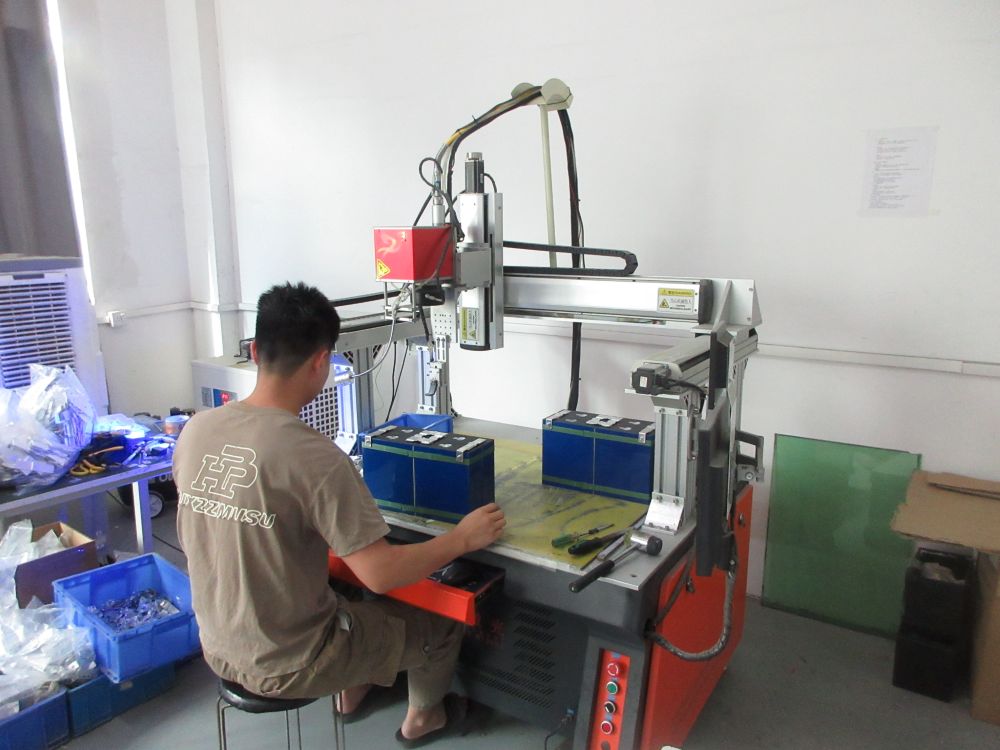 Laser Spot Welding
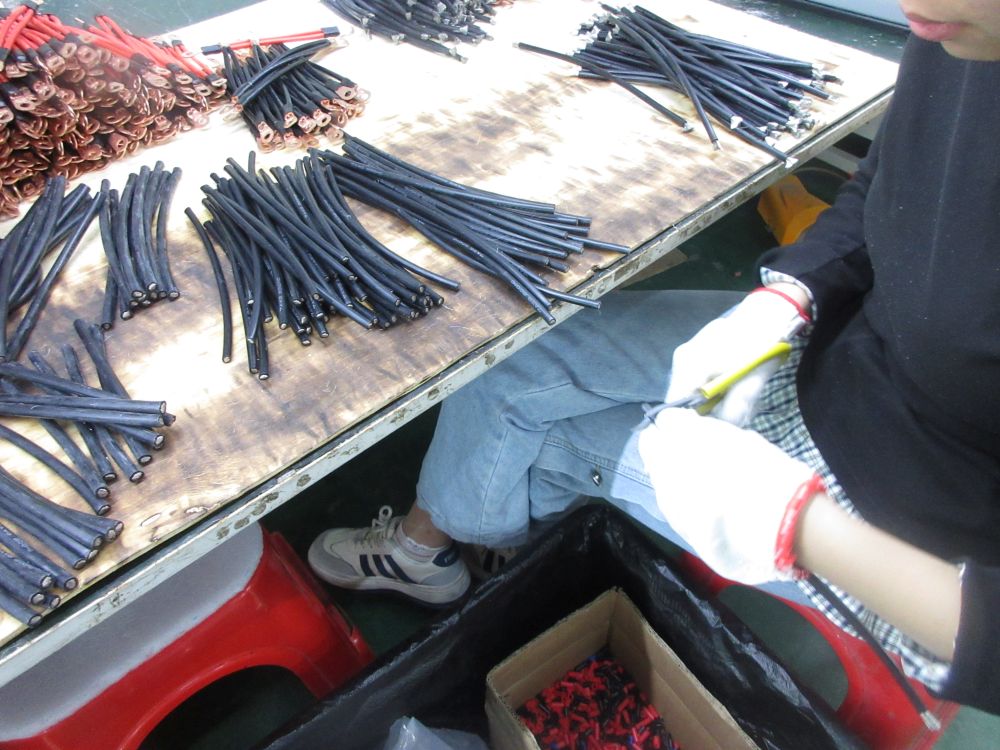 Cutting Wire
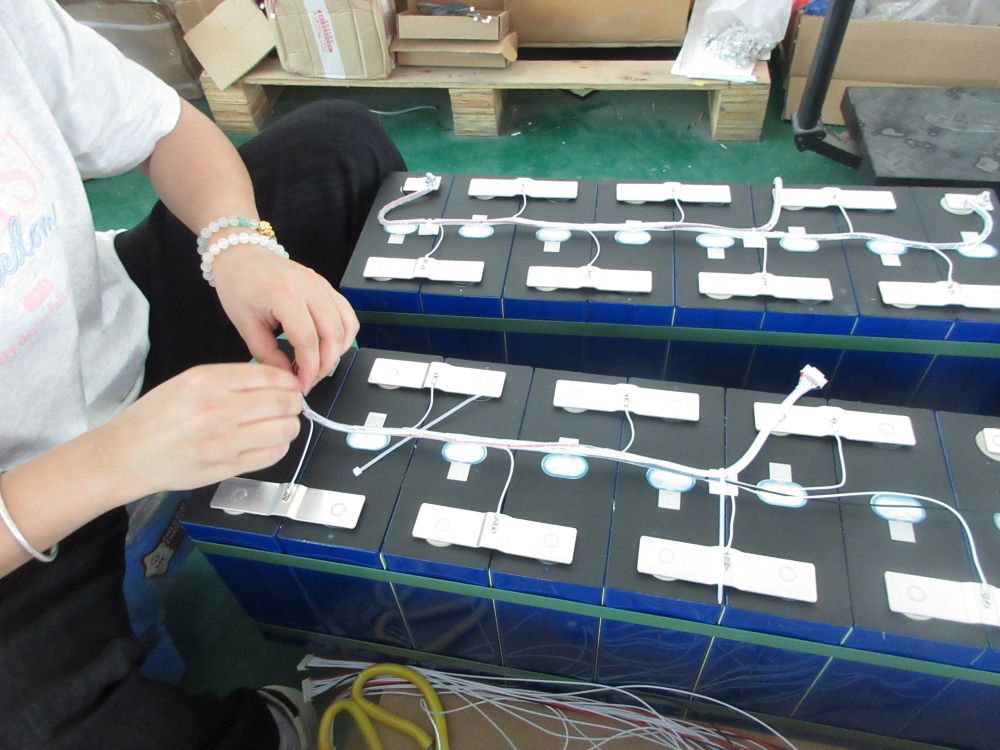 Connect the Wires
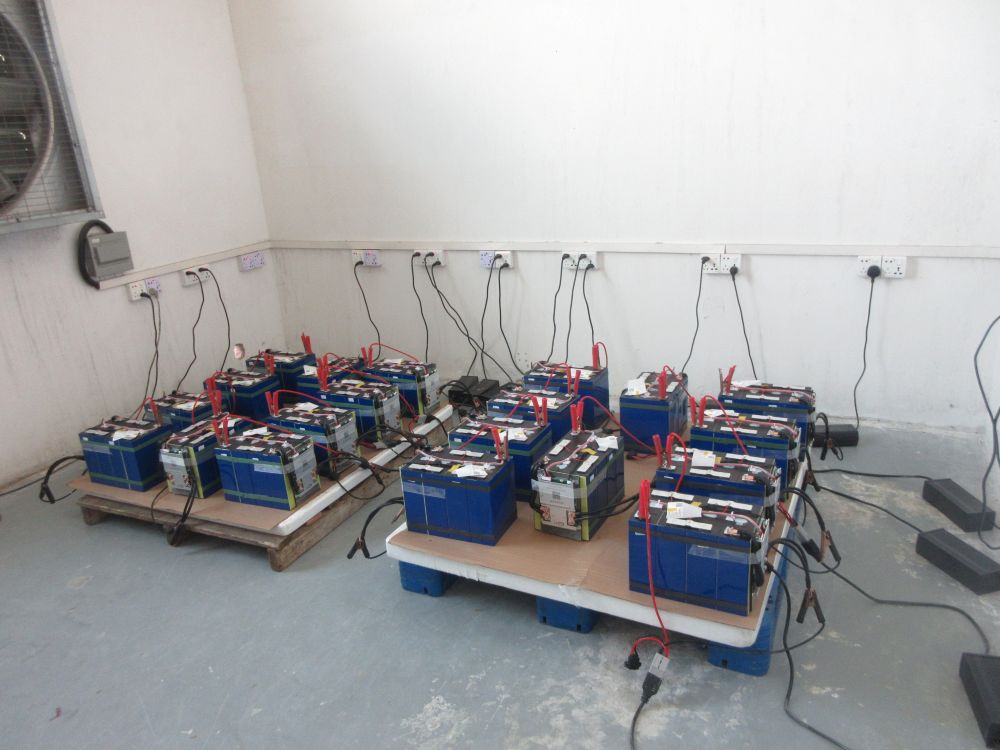 Charging
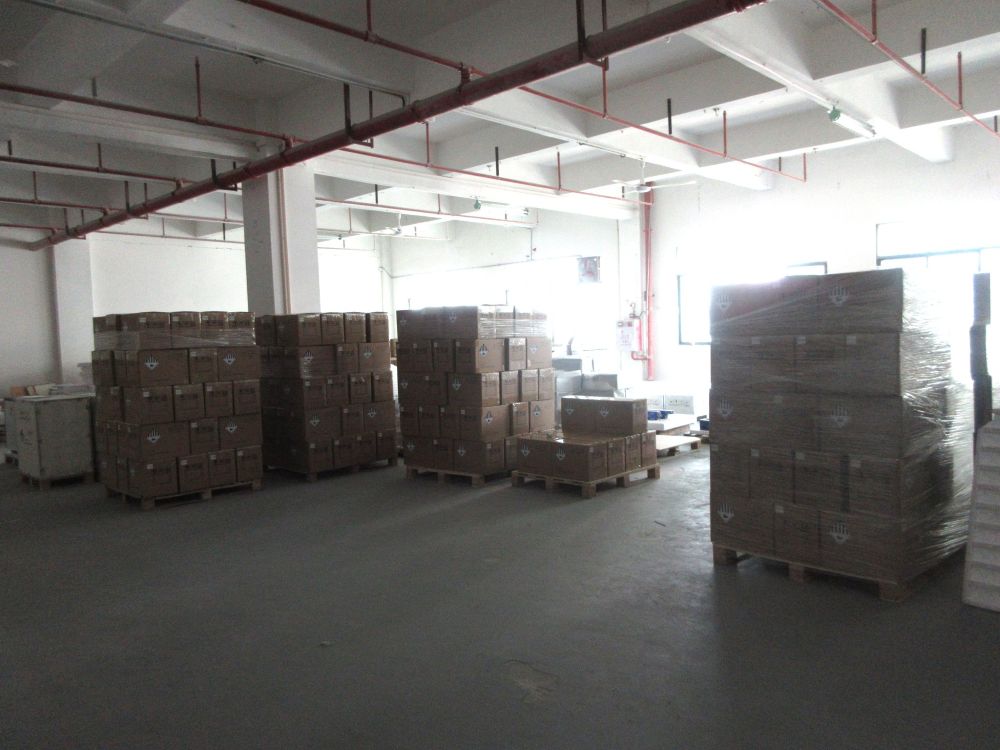 Storage
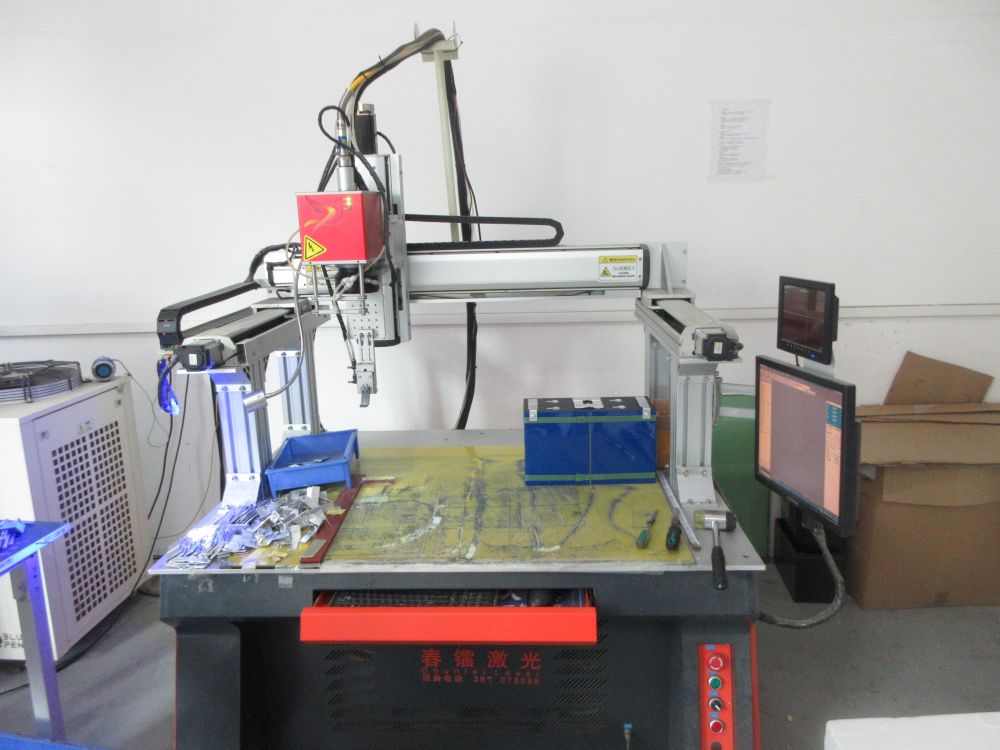 Laser Spot Welding Machine
 Spot Welding Machine
 Electric Soldering Iron
 Terminal Crimping Machine
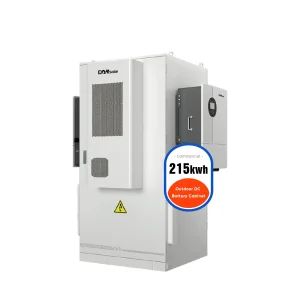
Deploying 1MWh+ containerized systems to replace diesel generators, reducing carbon footprints by 90% in off-grid island or mining environments.
Using 100kwh-500kwh systems for industrial factories to mitigate high peak-time electricity tariffs and provide 24/7 backup power for sensitive machinery.
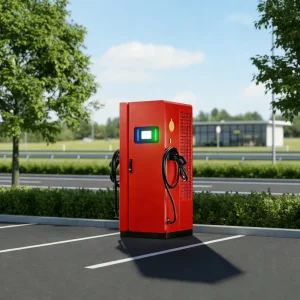
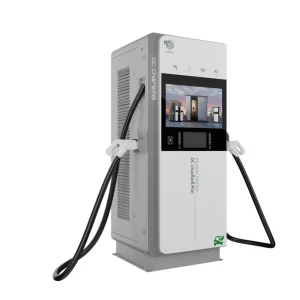
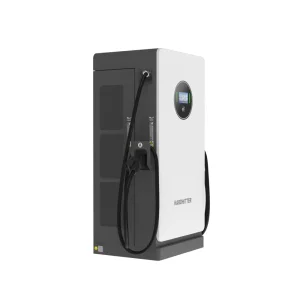
Combining DC fast chargers with solar roofs and battery storage to create "Fuel Stations of the Future" that operate independently of the primary grid.
 Hudd Energy