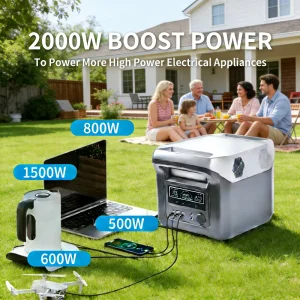
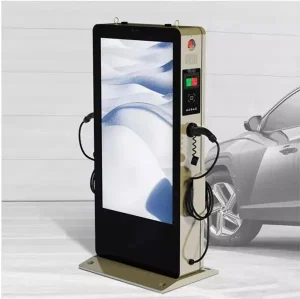
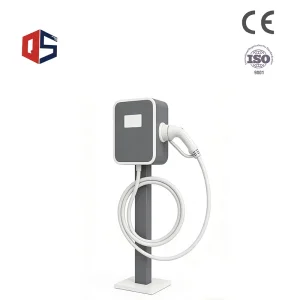
Explore elite-grade hybrid systems, liquid-cooled containerized BESS, and industrial lithium battery packs designed for microgrids, grid stability, and commercial peak shaving.
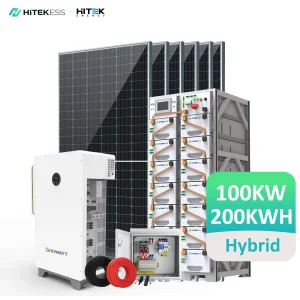
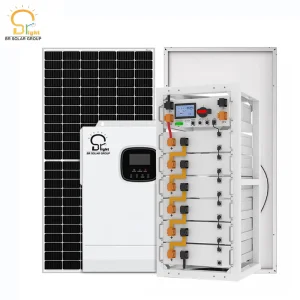
Understanding the paradigm shift toward distributed energy resources (DERs), utility-scale battery energy storage systems, and industrial resilience.
Modern Energy Storage Devices leverage high-density Lithium Iron Phosphate (LiFePO4) chemistry to perform automated charge-discharge cycles during peak tariff hours, drastically lowering Demand Charges for Commercial & Industrial (C&I) users while mitigating transmission congestion.
With sub-10ms response times, utility-scale battery storage containers provide Fast Frequency Response (FFR) and spinning reserve capabilities to regional electrical grids, stabilizing voltage fluctuations brought on by high-penetration solar and wind power generation.
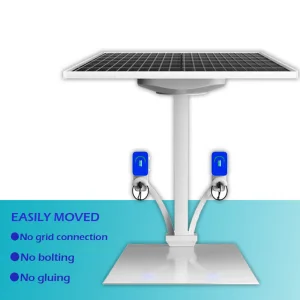
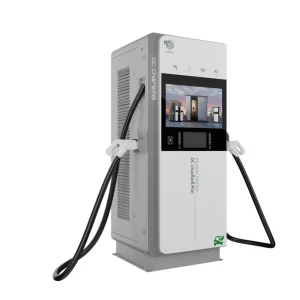
The convergence of renewable generation, high-power DC fast chargers, and energy storage containers creates self-contained microgrid ecosystems. This hybrid architecture eliminates infrastructure bottlenecks in EV fast-charging expansion projects globally.
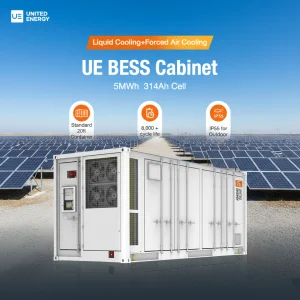
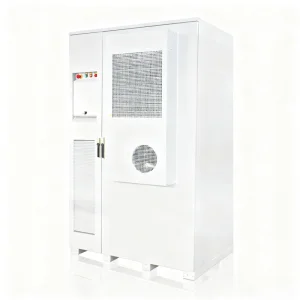
The commercial BESS landscape has transitioned rapidly from 280Ah cells to high-capacity 314Ah LFP prismatic cells. A standard 20ft containerized storage system now reaches 5.0 MWh energy density, delivering a 43% footprint reduction and lower Levelized Cost of Storage (LCOS) compared to legacy 3.44MWh systems.
A rigorous engineering review comparing energy storage chemistry performance, cooling topologies, and round-trip efficiencies.
| Technology / Parameter | Prismatic LFP (314Ah) | NMC Lithium-Ion | Sodium-Ion (Na-Ion) | Vanadium Redox Flow |
|---|---|---|---|---|
| Volumetric Energy Density | High (380-400 Wh/L) | Very High (500+ Wh/L) | Moderate (220-280 Wh/L) | Low (20-35 Wh/L) |
| Cycle Life (80% SOH) | 6,000 - 10,000 Cycles | 3,000 - 4,500 Cycles | 4,000 - 6,000 Cycles | 20,000+ Cycles |
| Thermal Runaway Temp | High Safety (~270°C) | Moderate Safety (~210°C) | Exceptional (~400°C) | Inherent Non-flammable |
| Thermal Management Strategy | Liquid Cooling (<3°C ΔT) | Liquid Cooling (<2°C ΔT) | Forced Air Cooling | Electrolyte Flow Pump |
| Round-Trip Efficiency (RTE) | 90% - 94% | 92% - 95% | 85% - 88% | 70% - 75% |
| Primary Application Target | Utility BESS / C&I Storage | EVs / Space-Constrained ESS | Low-Temp Microgrids / Telecom | Long-Duration Storage (>8h) |
An objective evaluation of global BESS original equipment manufacturers (OEMs), cell developers, and turnkey system integrators driving the worldwide energy matrix transformation.
CATL commands global leadership in battery cell manufacturing. Renowned for its EnerOne and EnerC liquid-cooled containerized BESS lines, CATL supplies high-capacity LFP cells featuring advanced thermal runaway mitigation and 10,000-cycle lifespans, serving utility clients across North America, Europe, and Asia.
Tesla Energy dominates utility-scale BESS deployment via its Megapack series and residential backup with Powerwall 3. Featuring dense liquid-cooling system integration, proprietary power electronics, and Autonomous Trading Software (Autobidder), Tesla delivers turn-key energy storage solutions globally.
BYD leverages absolute vertical integration, producing everything from raw raw lithium processing to proprietary Blade Battery chemistries and modular BESS containers like the BYD MC Cube. Their systems emphasize safety, longevity, and high structural integrity against seismic activity.
Guangdong Hudd Energy Co., Ltd. stands out as a premier provider of integrated clean energy solutions, customizing containerized BESS (ranging from 200kWh to 5MWh Liquid-Cooled configurations), off-grid hybrid power systems, and integrated solar-EV charging stations. Powered by China's Tier-1 industrial cluster, Hudd Energy combines tailored solution architecture, rigorous quality inspection, and competitive trade financing.
A joint venture between Siemens and AES, Fluence delivers bankable utility energy storage platforms like Gridstack, Ultrastack, and Sunstack. Fluence focuses on grid-edge software control, digital twin diagnostics, and cybersecure hardware architecture for mission-critical sub-stations.
Sungrow integrates power conversion technology with containerized battery storage solutions (such as the PowerTitan and PowerStack lines). Sungrow's strength lies in its string and central PCS units combined with liquid cooling technology to optimize energy yield and balance-of-plant costs.
Huawei Digital Power specializes in Smart String ESS solutions for commercial and utility deployments. Utilizing pack-level optimization and distributed thermal management, Huawei minimizes cell mismatch losses and increases available discharge energy over the system lifetime.
LG Energy Solution provides diverse energy storage cell chemistries and integrated systems worldwide. With a strong push toward LFP utility products alongside high-density NMC pouch cells, LG serves microgrid, residential, and large-scale renewable projects.
Saft specializes in high-reliability energy storage solutions designed for harsh climatic environments. Its Intensium Max container systems offer robust fire safety features, high operational resilience, and extended service contracts for utility infrastructure.
Powin provides modular battery energy storage platforms like Centrax and Stack750. Engineered around non-proprietary cell architectures and managed by the StackOS platform, Powin offers scalable grid-scale storage solutions for energy markets globally.
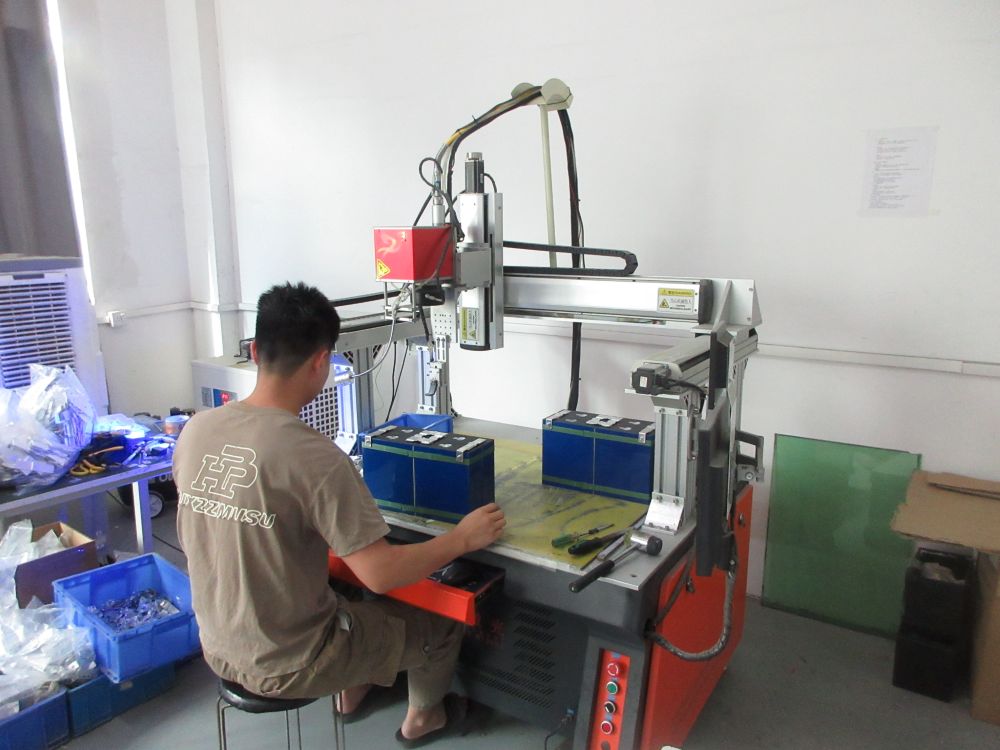
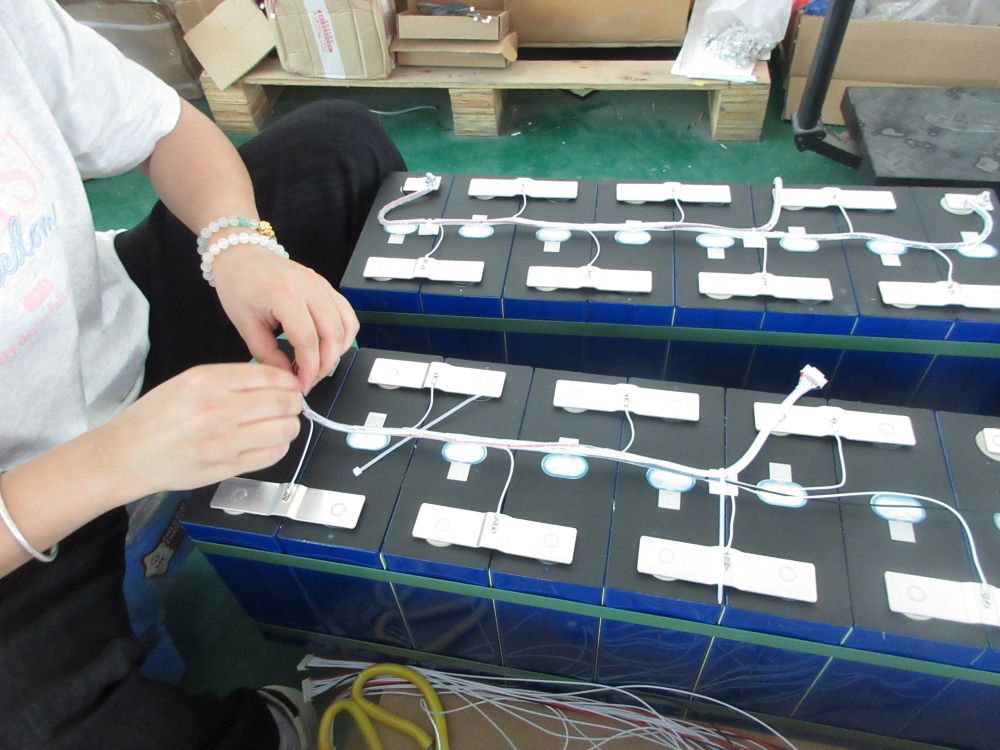
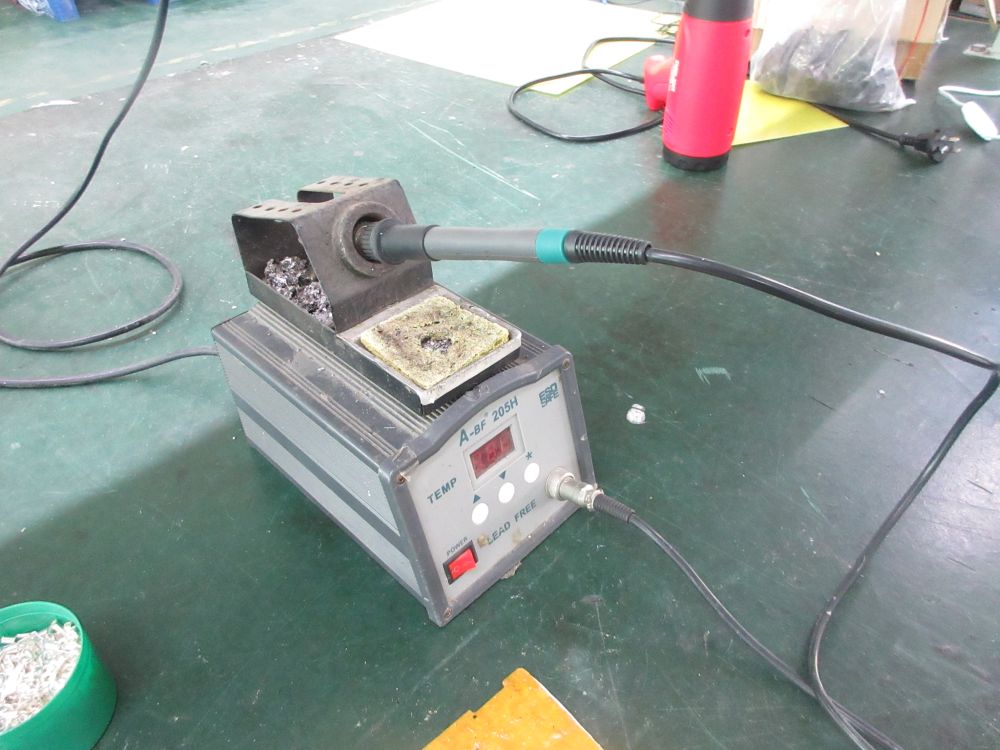
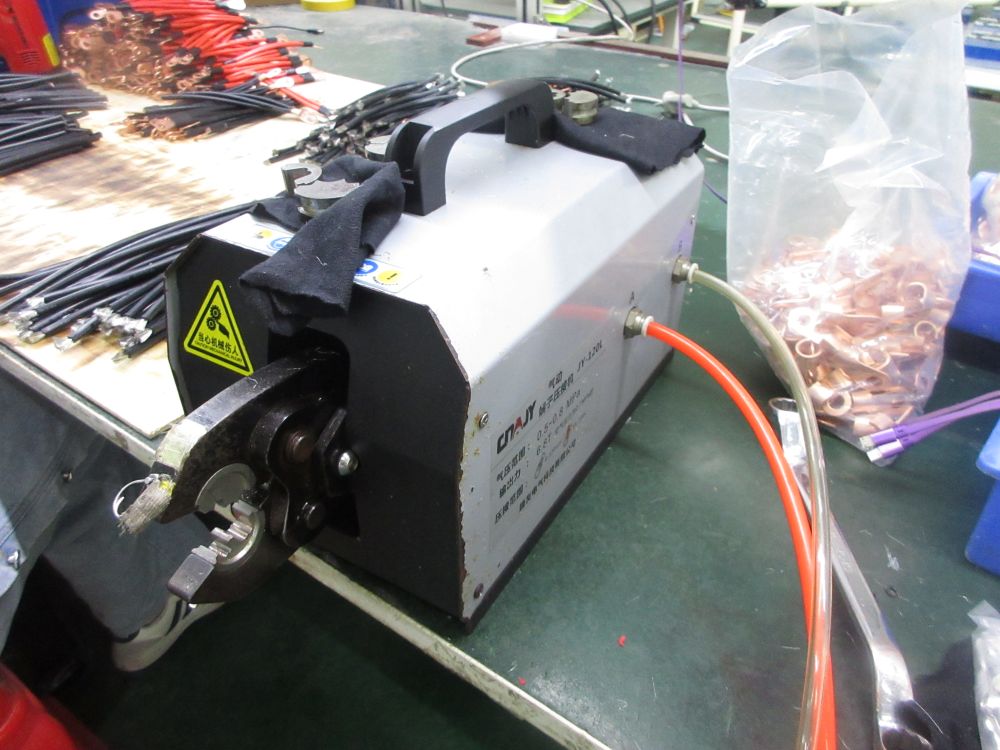
Inside the advanced manufacturing footprint: Automated pack assembly, precision laser spot welding, automated wire harness crimping, and rigorous thermal cycling quality control.

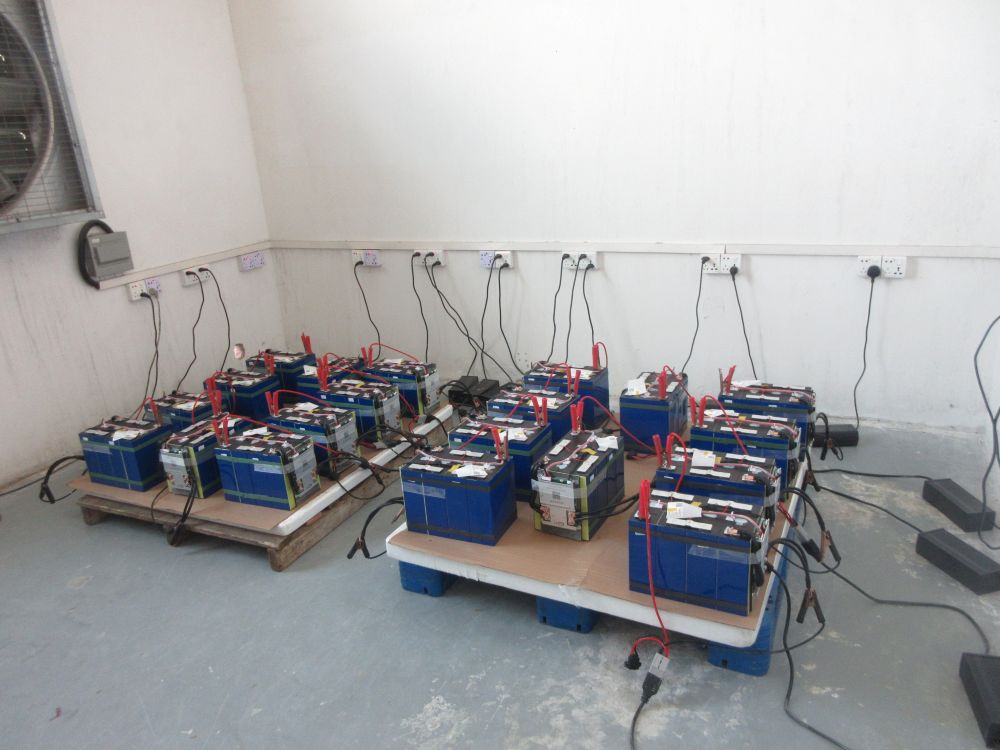
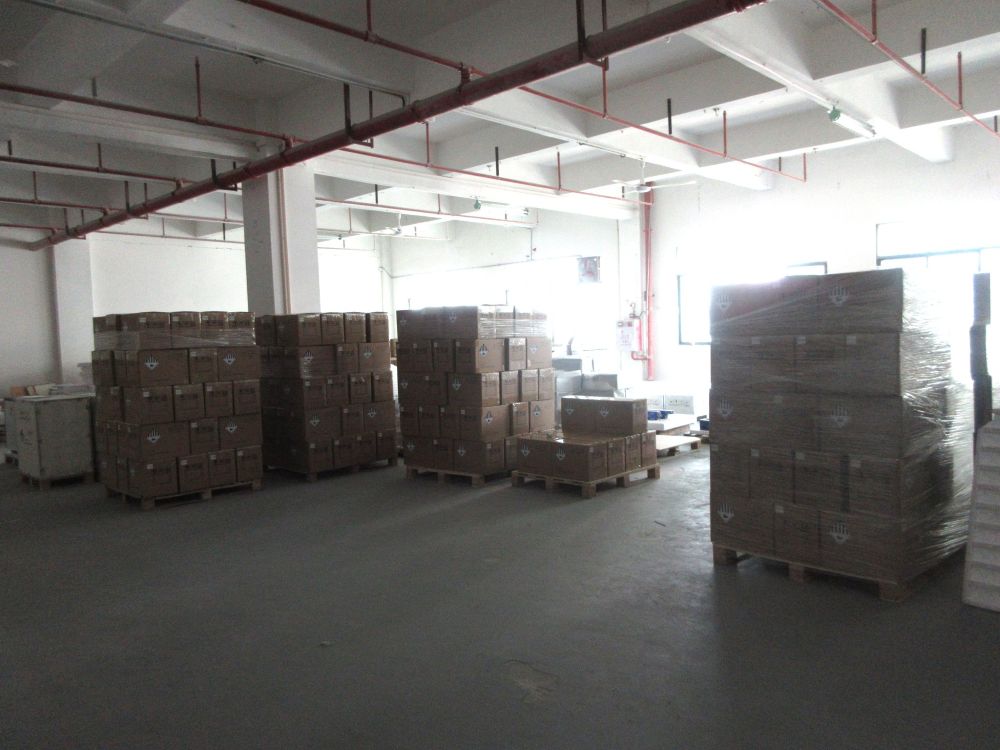
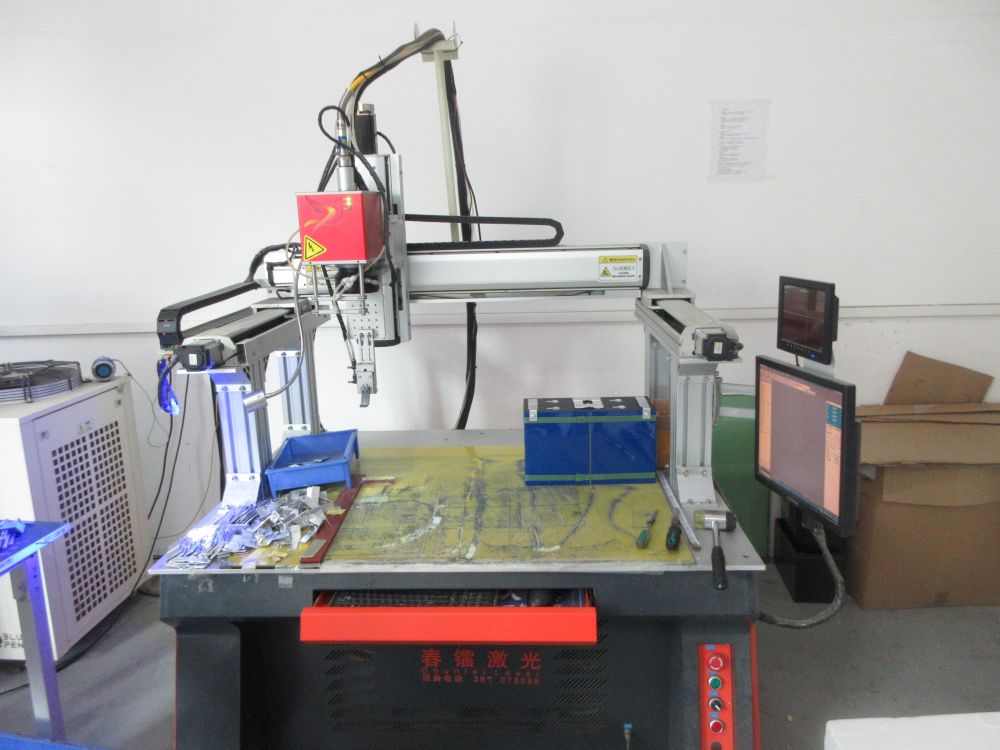
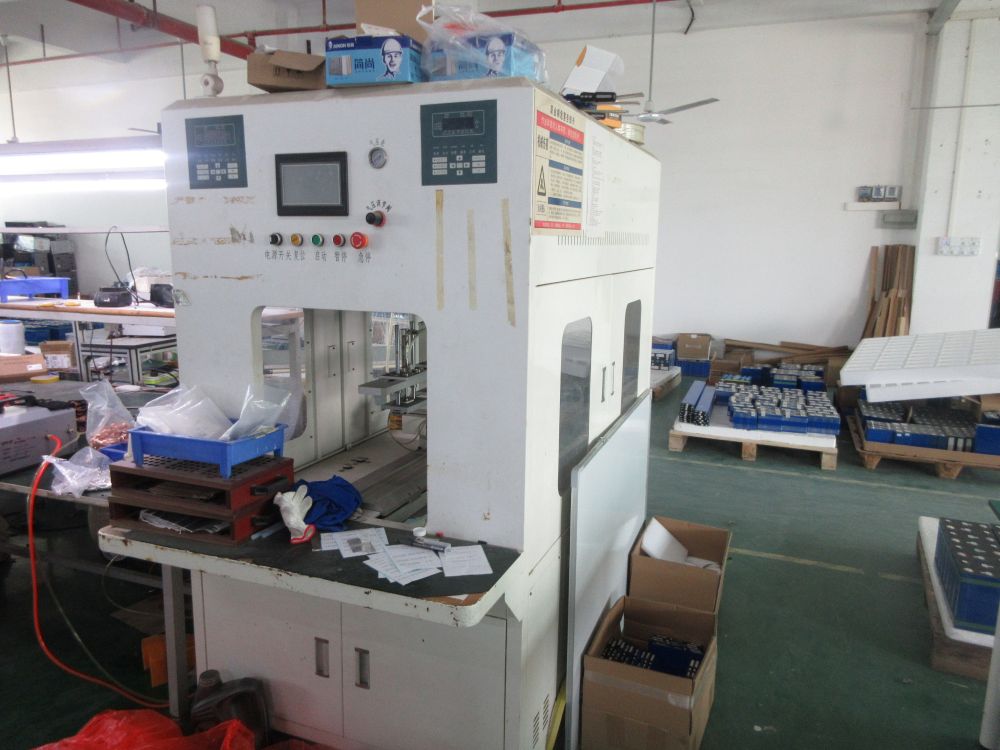
A global leader in smart renewable energy system integration, off-grid energy storage systems, and advanced clean-tech infrastructure.
Guangdong Hudd Energy Co., Ltd. is a professional provider of renewable energy products, energy storage solutions, and integrated smart energy systems. The company specializes in the development, supply, and integration of advanced energy storage systems (ESS), solar power solutions, EV charging infrastructure, and integrated solar-storage-charging stations, delivering efficient, reliable, and sustainable energy solutions to customers worldwide.
Beyond supplying individual products, Hudd Energy offers comprehensive system integration services tailored to diverse project requirements. Leveraging extensive industry expertise, the company provides end-to-end support covering solution design, equipment selection, system integration, project management, commissioning, and after-sales services. This enables customers to implement optimized energy solutions with enhanced efficiency, performance, and long-term reliability.
With strong partnerships across China's manufacturing ecosystem, Hudd Energy benefits from a robust and competitive supply chain, ensuring high-quality products, stable delivery schedules, and cost-effective solutions. The company also maintains strategic cooperation with financial institutions and banking partners, providing flexible trade finance support and secure transaction services to facilitate the successful execution of international projects.
Navigating localized grid interconnect codes, fire safety mandates, and international regulatory standards for bankable asset deployment.
Verification of system-level safety and thermal runaway propagation testing. Complete testing protocols ensure cell-to-pack-to-container containment, preventing cascading thermal events during grid fault conditions.
Full compliance with European safety standards for industrial lithium batteries. Encompasses overcharge protection, short-circuit containment, voltage regulation, and structural stress resilience.
Pre-configured firmware interfaces supporting IEEE 1547, EN 50549, and local grid operator protocols. Integrated PCS supports islanding mode, voltage control (Volt-VAR), and dynamic frequency responsiveness.
A strategic breakdown of procurement considerations, CAPEX vs OPEX metrics, and long-term financial modeling for engineering buyers.
When evaluating energy storage devices for utility or industrial projects, procurement directors must look beyond initial capital expenditure (CAPEX). Calculating the true financial return requires assessing the Levelized Cost of Storage (LCOS), which accounts for performance degradation, auxiliary power consumption, system efficiency, and maintenance cycles.
By selecting liquid-cooled BESS containers with localized thermal management systems, procurement engineers can reduce auxiliary energy loss by up to 30%, adding significant operational savings over a project's 15-year lifecycle.
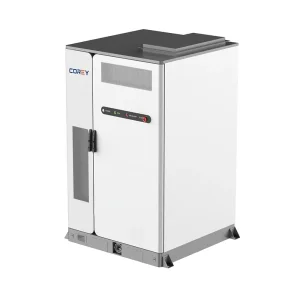
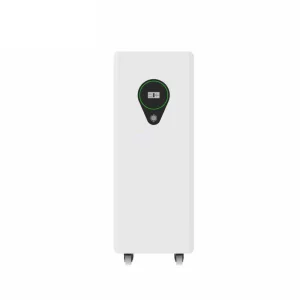
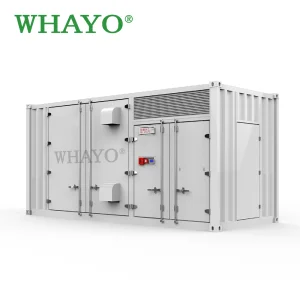
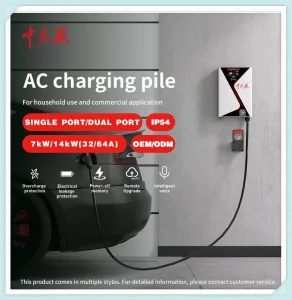
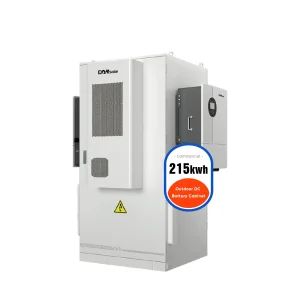
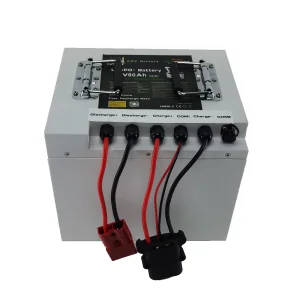
Explore high-capacity industrial ESS containers, stackable home lithium packs, specialized AGV power batteries, and rapid solar EV charging stations.
Addressing technical queries regarding grid interconnection, liquid cooling systems, warranty coverage, and system integration.
 Hudd Energy