Explore our highly integrated residential, commercial, and utility-scale energy solutions engineered for durability, system security, and high round-trip efficiency.
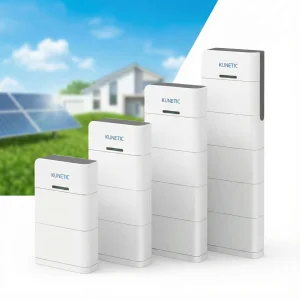
The global transition toward decarbonization is prompting a fundamental shift in grid architectures. As intermittent generation assets—chiefly wind and solar—occupy a larger market share of generation capacities, the demand for grid-stabilizing assets has surged. Commercial, industrial (C&I), and utility-scale Battery Energy Storage Systems (BESS) are transitioning from optional ancillary components to mandatory operational infrastructure.
Currently, key markets such as North America, Europe, and Asia-Pacific are witnessing historically high grid congestion. High penetration of photovoltaics often leads to the well-documented "duck curve," where daytime solar overproduction causes grid voltage instabilities, followed by steep ramp-up challenges as dusk approaches. In these environments, energy storage operates as the ultimate arbiter of energy balance.
Levelized Cost of Storage (LCOS) has decreased by over 80% in the last decade, enabling large-scale financial viability without relying heavily on state-sponsored subsidies.
For modern commercial enterprises, energy storage is no longer merely a failsafe mechanism against blackouts; it is a dynamic yield-generating financial instrument. Through peak shaving, load shifting, dynamic capacity charging reduction, and participation in frequency regulation or demand response programs, global enterprises can transform energy consumption from a fixed operating cost into an optimized profit center.
The acceleration of global BESS adoption is primarily propelled by three structural factors:
Safety remains the absolute pre-requisite for utility and C&I deployments. System designers are transitioning rapidly from lithium nickel manganese cobalt (NMC) to Lithium Iron Phosphate (LiFePO4/LFP) due to LFP’s superior thermal runaway threshold, chemical stability, and cycle durability. Incorporating multi-tier Battery Management Systems (BMS) with cell-level voltage monitoring, aerosol fire suppression, and liquid-cooling cooling loops protects system integrity.
China accounts for over 75% of global lithium-ion battery manufacturing capacity. This concentration is not merely about labor rates—it is an ecosystem optimization advantage. From the processing of active cathode materials to the assembly of sophisticated Power Conversion Systems (PCS) and intelligent Energy Management Systems (EMS), the entire value chain is clustered within close geographical hubs, primarily in the Pearl River Delta and Yangtze River Delta regions.
This ecosystem proximity yields distinct advantages for global corporate buyers:
Guangdong Hudd Energy Co., Ltd. represents the absolute apex of this integrated manufacturing capability. As a professional developer, supplier, and system integrator of advanced energy storage systems (ESS), hybrid solar networks, and integrated solar-storage-charging infrastructure, Hudd Energy leverages a deep supply-chain ecosystem to provide state-of-the-art technological systems globally.
Rather than merely distributing catalog parts, Hudd Energy delivers comprehensive end-to-end integration: custom system modeling, thermodynamic heat simulations, safety assessments, shipping logistics for Class 9 hazardous materials, and secure commission engineering. Partnering with elite financial institutions, Hudd Energy offers flexible trade financing options to facilitate multi-megawatt project execution.
Our systems are deployed across diverse global environments, custom-configured to resolve localized energy constraints and tariff structures.
For factories, cold storage hubs, and manufacturing facilities, peak power consumption dictates high capacity tariffs. Our systems monitor real-time building loads, discharging stored LFP energy during periods of high localized draw to flatten peak load curves and lower structural billing tiers.
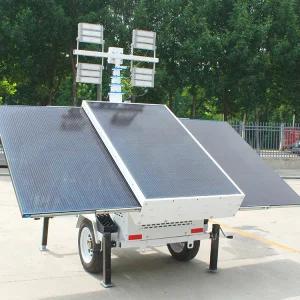
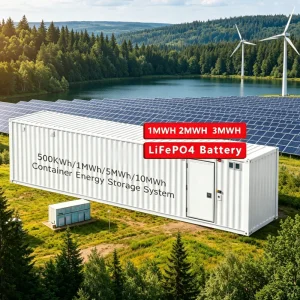
For remote mining operations, agricultural centers, and off-grid islands, relying on diesel generation is expensive and carbon-intensive. Integrating hybrid inverters with solar panels and high-voltage containerized storage allows stable 24/7 power systems with minimal fuel requirements.
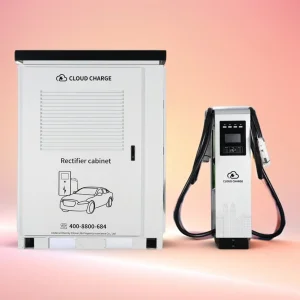
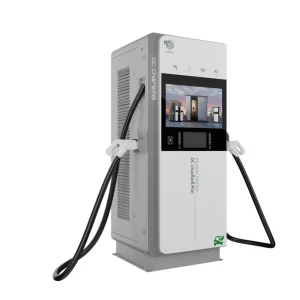
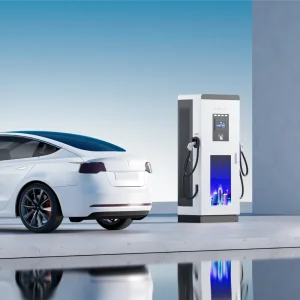
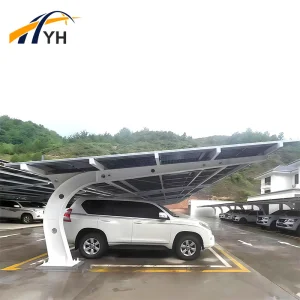
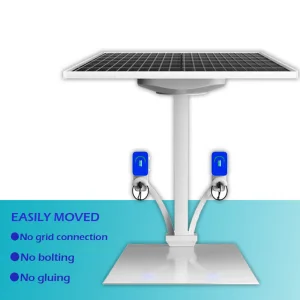
High-speed DC chargers draw immediate peak currents from local grids. Our integrated EV charging stations utilize local solar carports and battery buffers to deliver megawatt-level charging speeds without overwhelming localized electrical infrastructure.
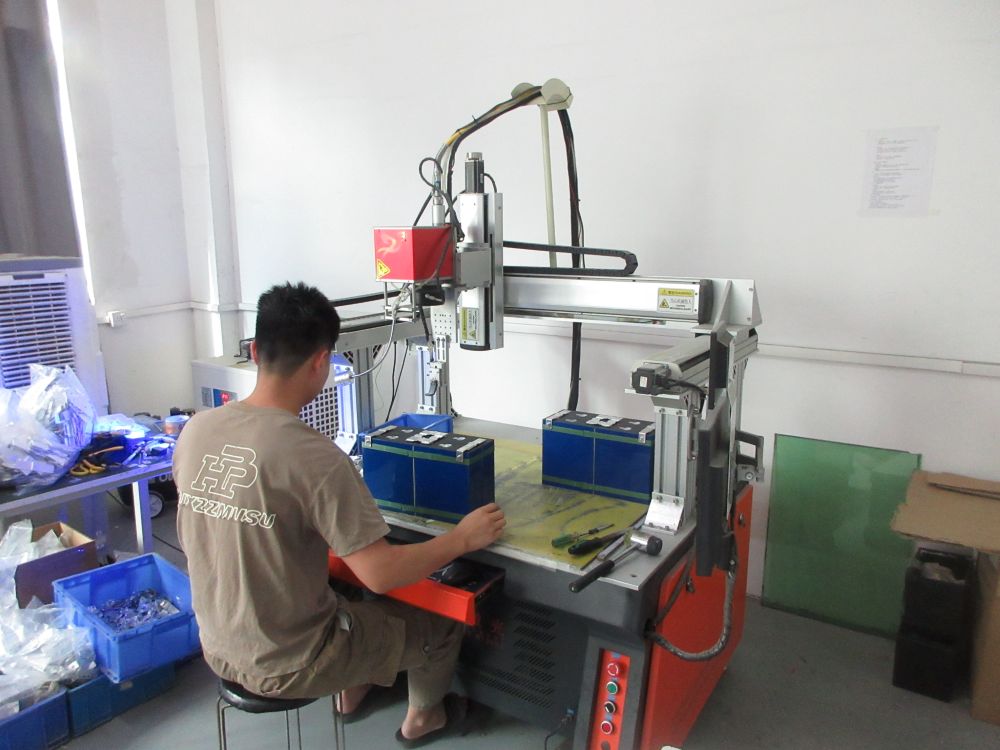
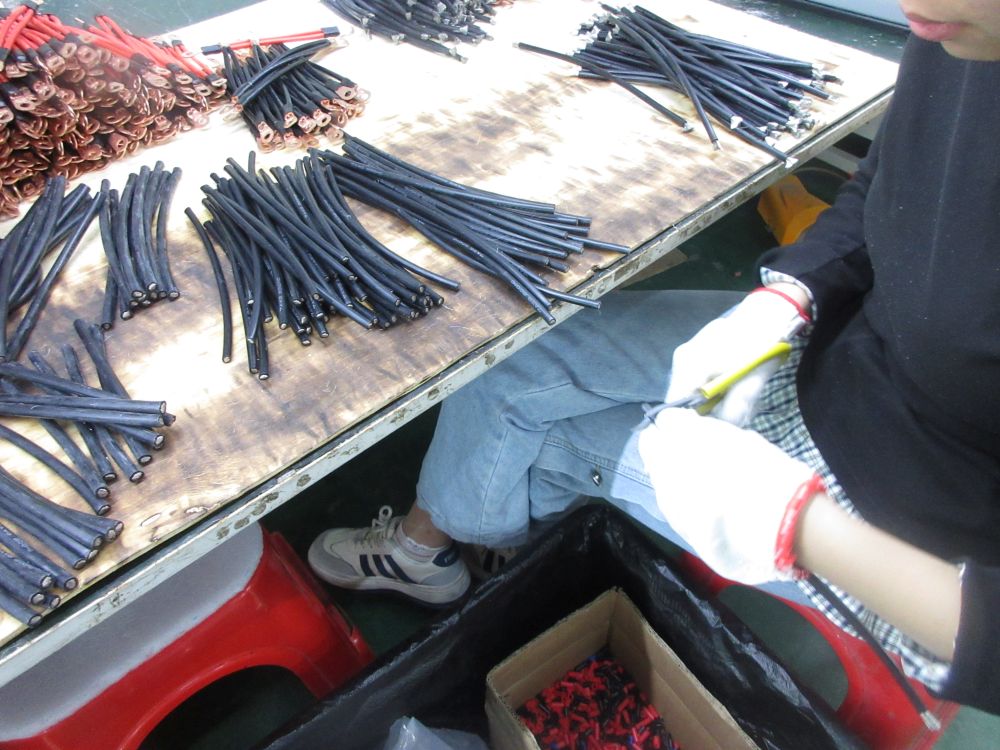
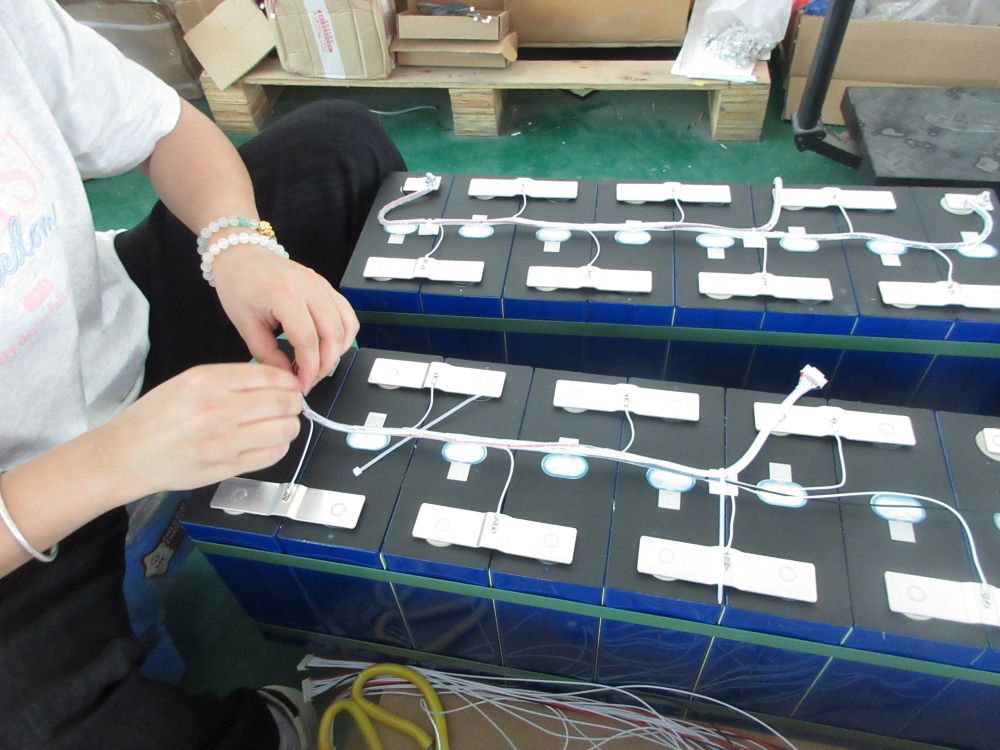
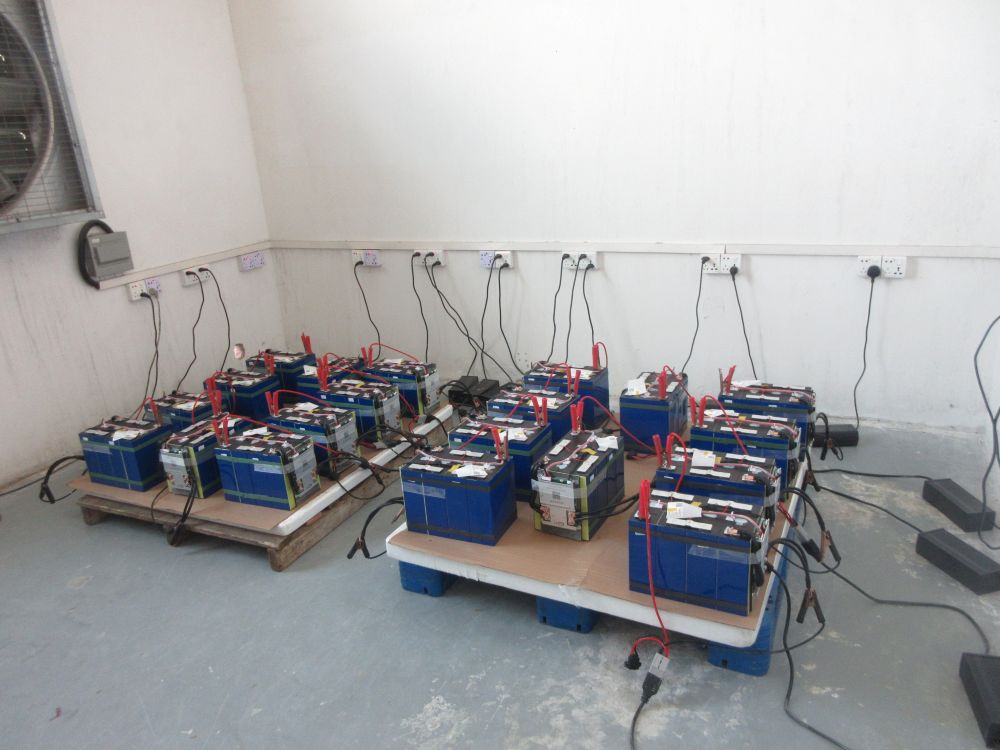
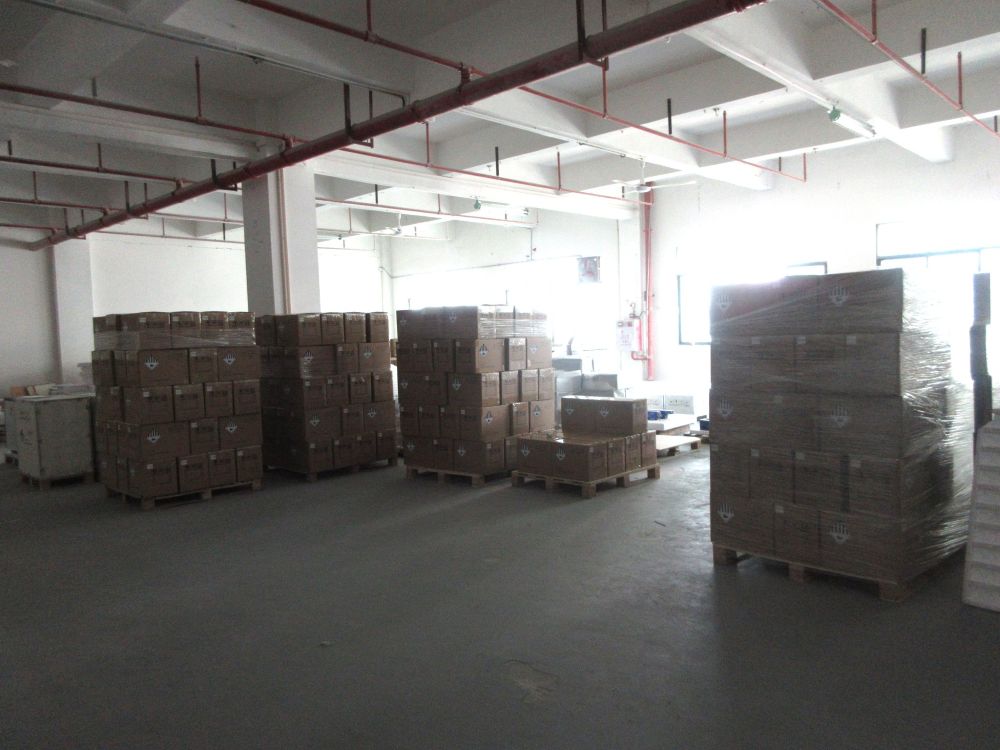
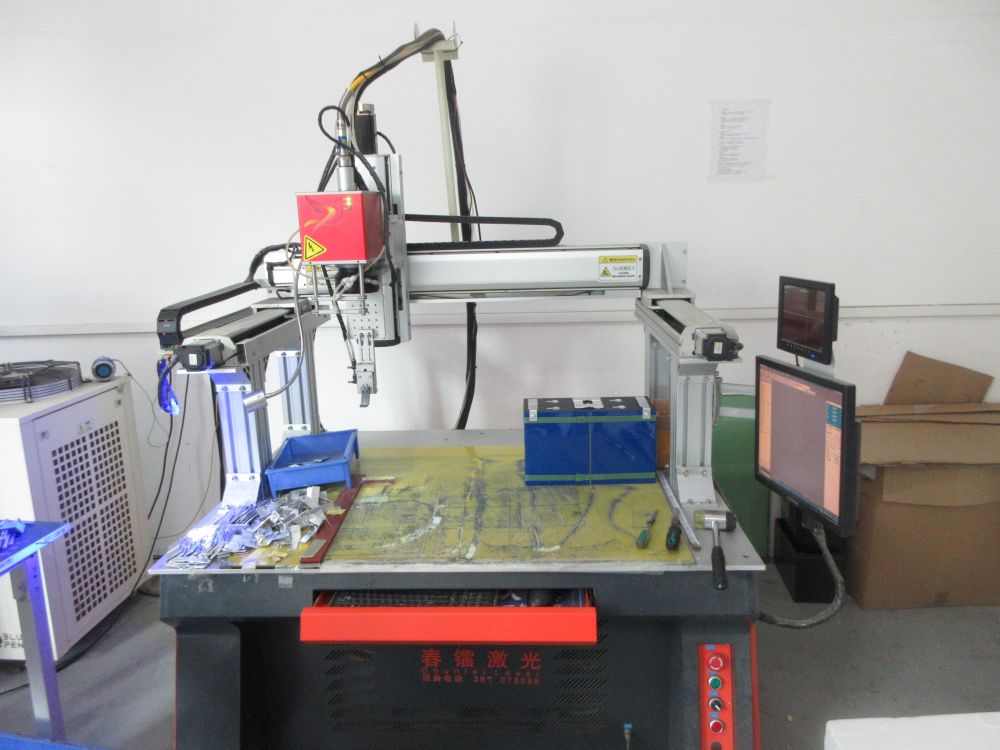
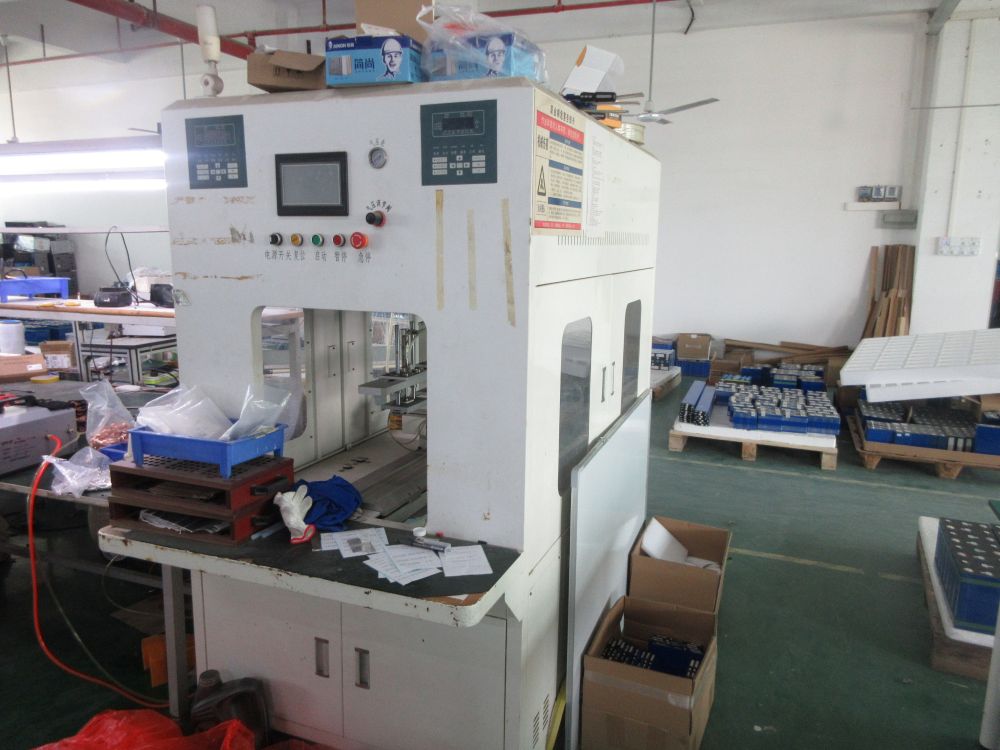
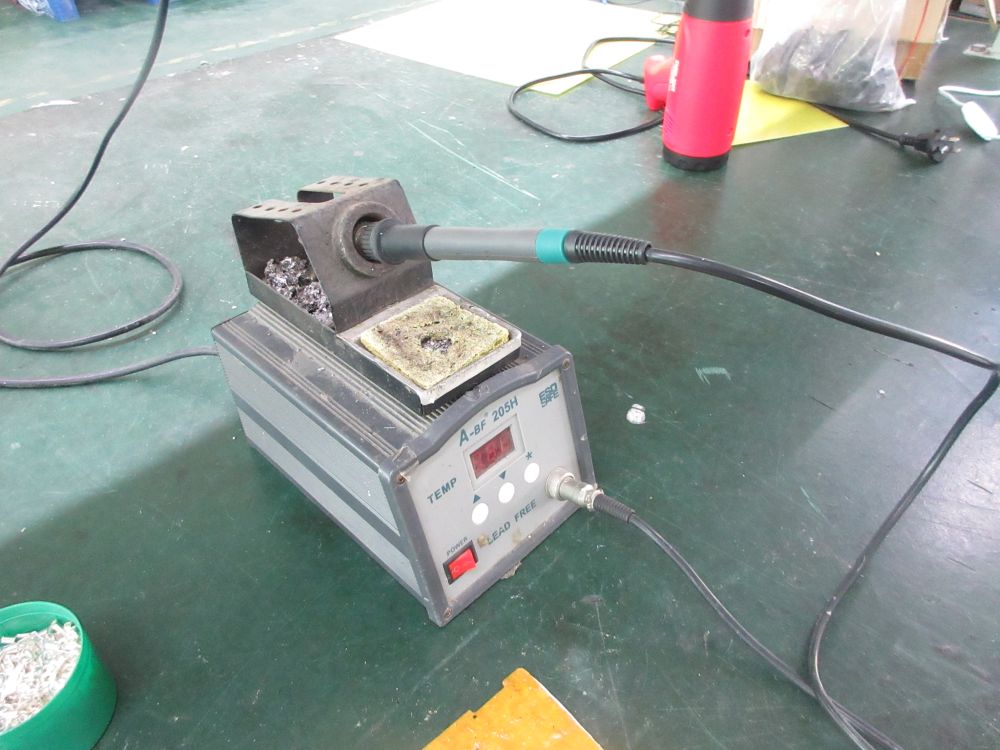
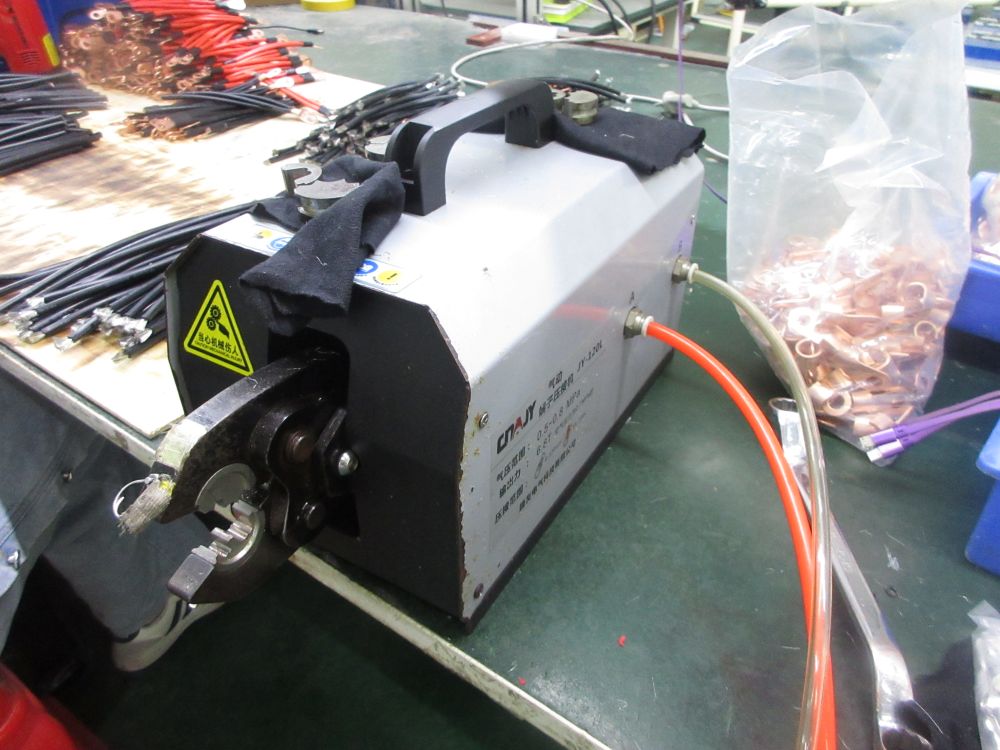
Take a visual tour through Guangdong Hudd Energy's manufacturing process, where strict automation meets comprehensive testing protocols.
Global procurement teams must assess several structural parameters when sourcing utility-scale and C&I BESS configurations from China:
Navigating the complex matrix of regional certifications is essential to prevent costly customs clearance issues or insurance validation failures. Systems must possess verified documentation for:
Over the next five years, the stationary storage sector will shift along three technological axes:
Sodium-Ion Chemistry (Na-Ion): For regions with extreme temperature variations and cost-sensitive applications, sodium-ion technology represents a strong alternative due to abundant raw material supply chains and excellent sub-zero performance characteristics.
Liquid Cooling Systems: While air-cooled enclosures remain popular for smaller C&I projects, large installations are standardizing on liquid cooling. Liquid coolant loops maintain cell-to-cell thermal variations within ±2°C, preventing localized hotspot acceleration and extending overall lifecycle longevity by up to 25%.
AI-Driven Energy Management (EMS): Modern storage systems rely on neural-network integration to predict weather patterns, analyze grid price structures, and execute charge/discharge schedules that maximize localized ROI.
Professional insights into system engineering, custom configurations, certifications, and international procurement protocols.
Our premium LFP storage systems are engineered to achieve over 6,000 to 8,000 complete cycles at 80% Depth of Discharge (DOD) under 0.5C operating parameters. At the end of this cycle period, the system maintains approximately 70-80% of its nominal capacity (State of Health - SOH). Under standard operational conditions with integrated thermal control, this translates to a useful operational lifespan of 10 to 15 years.
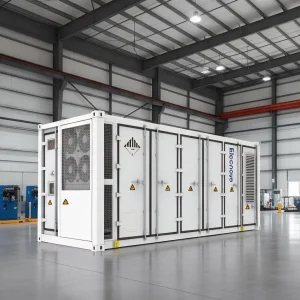
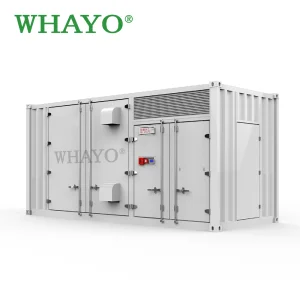
Large battery systems are designated as Class 9 Dangerous Goods. We manage all logistics protocols, using qualified UN-certified packaging and specialized container shipping routes. Our products undergo rigorous UN38.3 testing. For large containerized systems (e.g., 20ft 2.17MWh systems), units are shipped with built-in structural reinforcement and gas/aerosol fire suppression mechanisms active during ocean transport, ensuring safe arrival at the destination port.
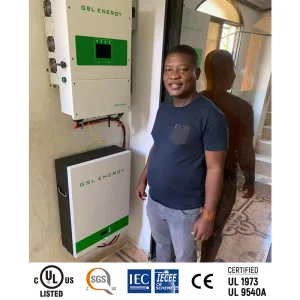
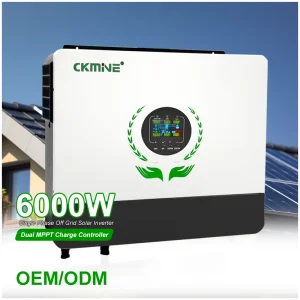
Yes. Our off-grid and hybrid solar inverters (such as the GSL ENERGY or Whayo series) are designed with integrated parallel communication ports. You can run up to 6 or even 12 units in parallel configuration to support three-phase industrial loads, allowing scalable capacity expansion from a few kilowatts up to multi-megawatt applications.
Air cooling is a cost-effective solution suitable for low-power applications (under 0.5C rate) or regions with mild climates. Liquid cooling systems utilize a closed glycol-water loop running directly past the cell faceplates. This setup allows for much tighter thermal management, keeping temperature differentials between cells under 2°C, which is critical for maximizing safety and system life in high-power charge/discharge environments or extreme hot-climate regions.
Yes, we offer complete OEM/ODM system design services. This includes configuring custom battery rack profiles, integrating specific Power Conversion System (PCS) brands, adapting dimensions for space-constrained locations, applying custom exterior branding and colors, and adjusting structural characteristics to meet regional building, seismic, and wind codes.
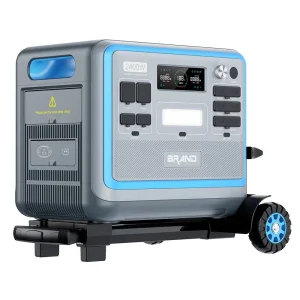
Discover our comprehensive collection of EV charging stations, solar carports, mobile battery banks, and high-capacity industrial systems.
 Hudd Energy