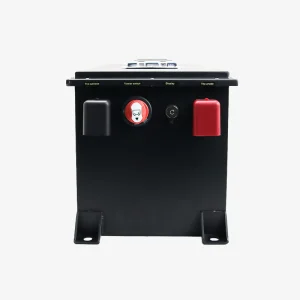
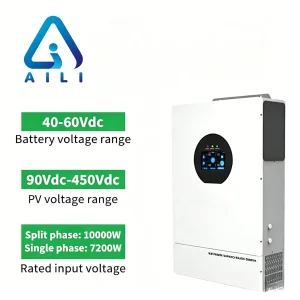
Providing custom, Tier-1 integrated BESS solutions, utility battery storage, hybrid solar system design, and advanced industrial microgrids globally.
Explore our cutting-edge battery systems, intelligent hybrid inverters, and containerized utility-scale systems manufactured to global tier-1 benchmarks.
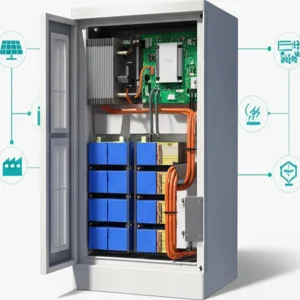
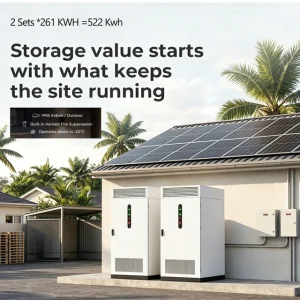
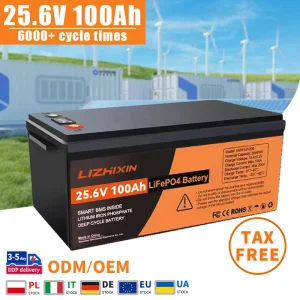
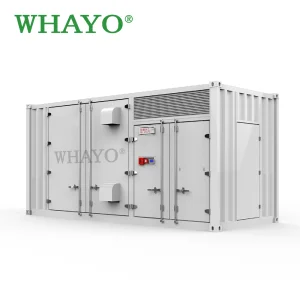
How downstream manufacturing integration, battery chemistry innovations, and policy scale position Chinese suppliers at the absolute center of global energy storage supply chains.
The global transition to a low-carbon grid hinges on cost-effective, high-density, and long-life Battery Energy Storage Systems (BESS). Within this structural megatrend, China's energy storage services, factories, and suppliers have emerged as key enablers. Leveraging over 70% of the world's lithium-ion manufacturing capacity, China offers unmatched integration efficiencies, bringing together raw cell fabrication, active thermal management, Battery Management Systems (BMS), Power Conversion Systems (PCS), and advanced Energy Management Systems (EMS) under integrated operational frameworks.
From lithium mining and precursor processing to electrode coating and thermal control assembly, Chinese factories maintain zero-gap physical proximity to components. This reduces lead times by up to 40% and shields buyers from supply chain shocks.
Through massive economies of scale and standardized processes, Chinese suppliers offer high-safety LFP systems at a highly competitive cost-per-kilowatt-hour, helping international project developers achieve rapid ROI.
Chinese factories are leading the transition from air cooling to advanced liquid cooling BESS architectures, maintaining cell temperatures within ±2°C to prolong system lifespans up to 15 years.
Guangdong Hudd Energy Co., Ltd. is a professional provider of renewable energy products, energy storage solutions, and integrated smart energy systems. The company specializes in the development, supply, and integration of advanced energy storage systems (ESS), solar power solutions, EV charging infrastructure, and integrated solar-storage-charging stations, delivering efficient, reliable, and sustainable energy solutions to customers worldwide.
Beyond supplying individual products, Hudd Energy offers comprehensive system integration services tailored to diverse project requirements. Leveraging extensive industry expertise, the company provides end-to-end support covering solution design, equipment selection, system integration, project management, commissioning, and after-sales services. This enables customers to implement optimized energy solutions with enhanced efficiency, performance, and long-term reliability.
With strong partnerships across China's manufacturing ecosystem, Hudd Energy benefits from a robust and competitive supply chain, ensuring high-quality products, stable delivery schedules, and cost-effective solutions. The company also maintains strategic cooperation with financial institutions and banking partners, providing flexible trade finance support and secure transaction services to facilitate the successful execution of international projects.
Hudd Energy's product portfolio serves a wide range of applications, including residential, commercial, industrial, utility-scale energy storage projects, electric vehicle charging networks, and distributed renewable energy systems. The company is committed to helping customers reduce energy costs, improve energy independence, and achieve their sustainability goals.
Over the years, Guangdong Hudd Energy has successfully expanded its presence in international markets, particularly in Southeast Asia, South America, the Middle East, and Africa, earning the trust and recognition of clients through reliable products, professional services, and long-term partnerships.
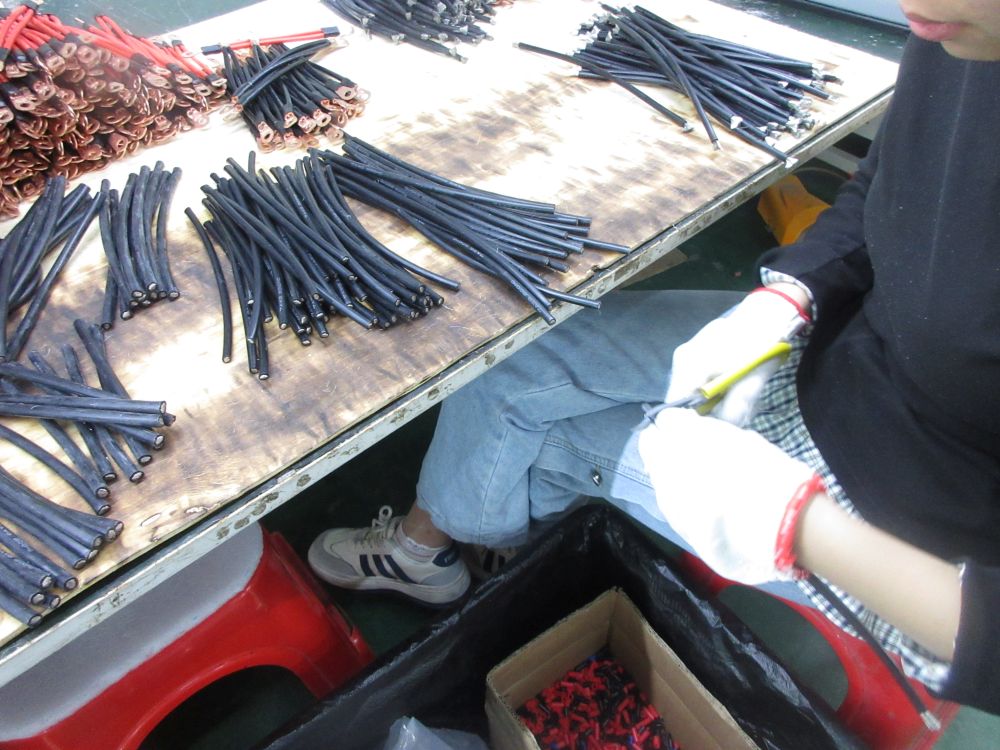
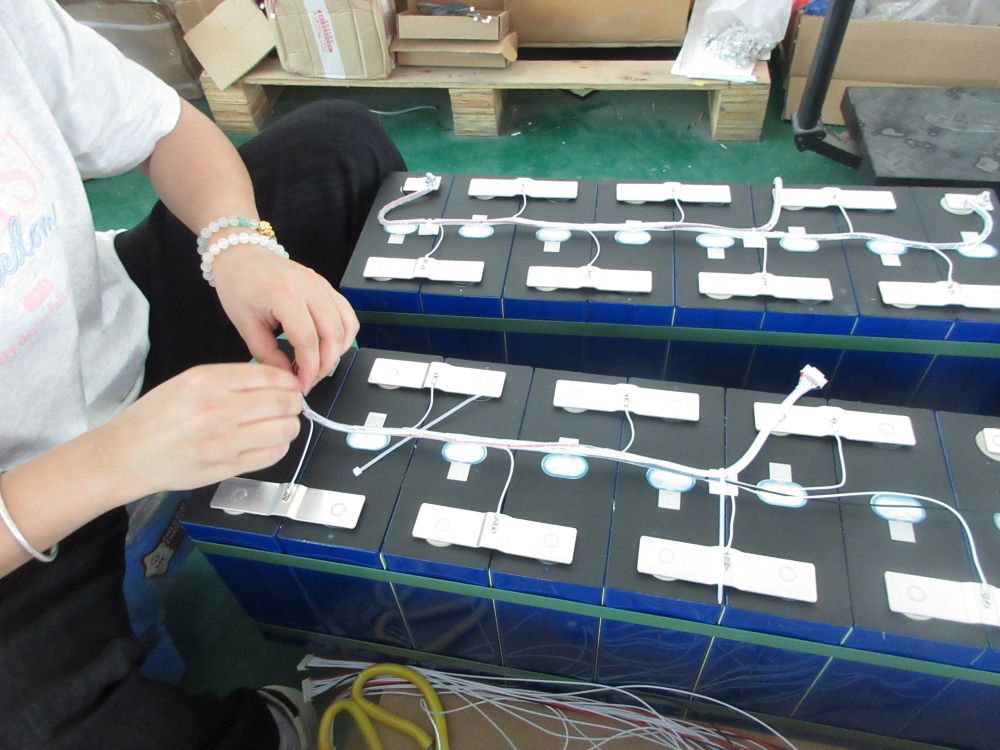
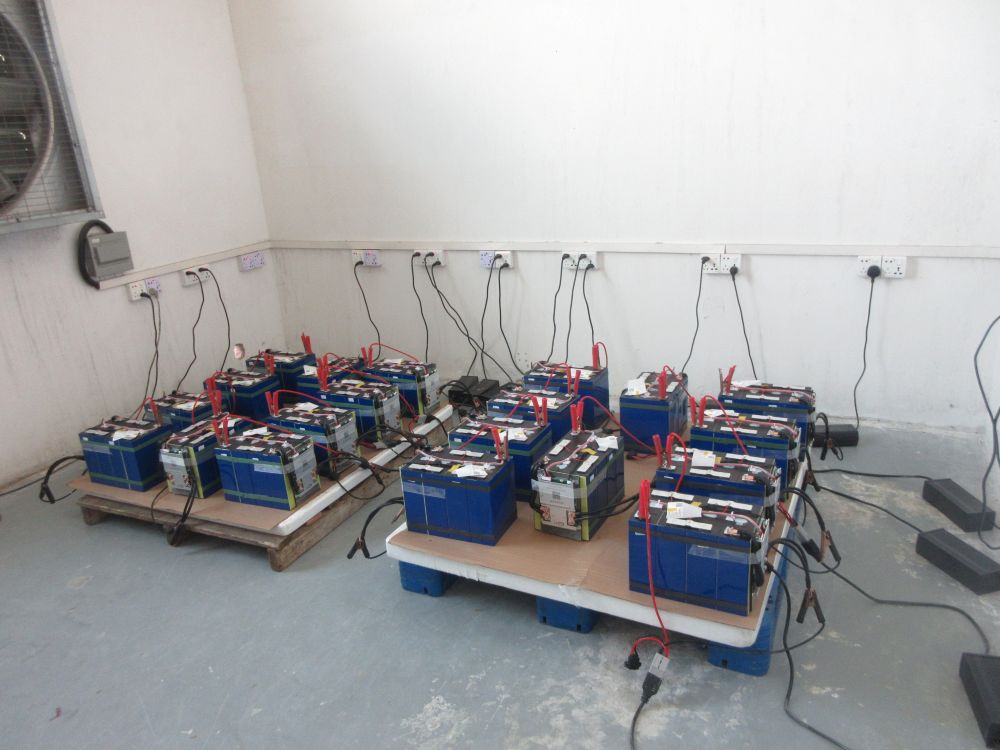
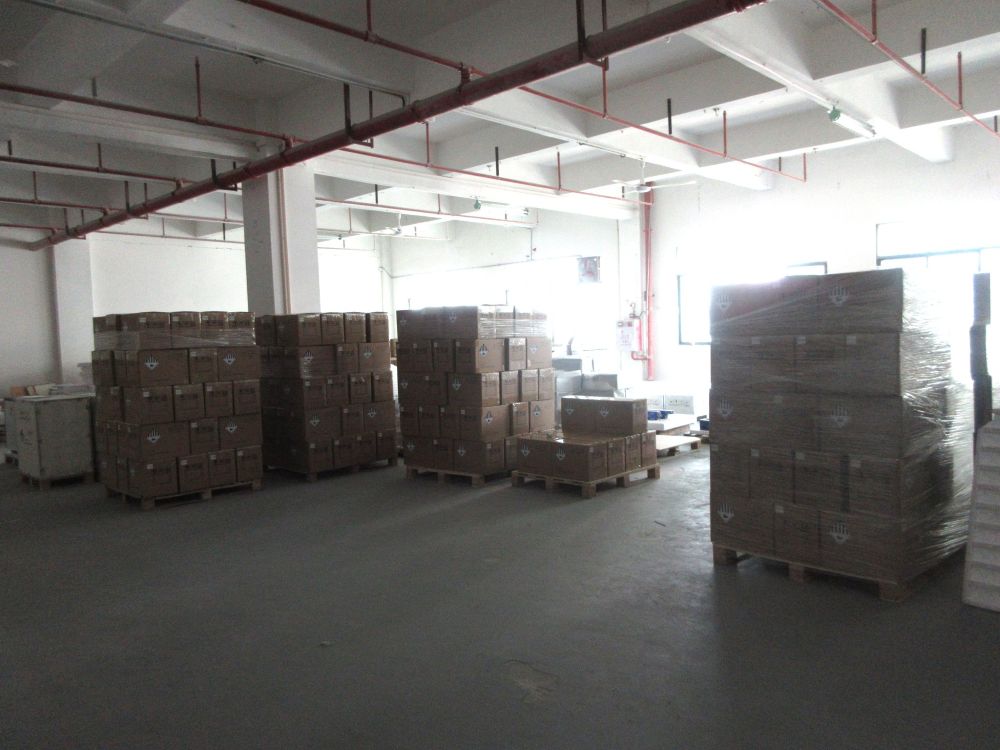
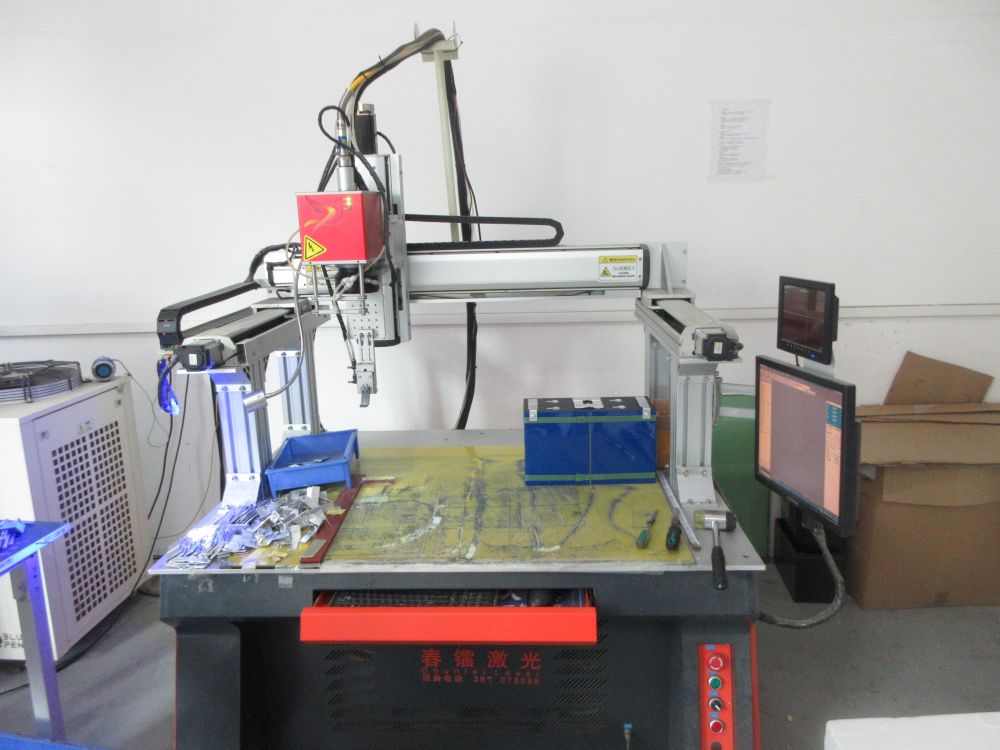
Experience the precision, safety checks, and strict quality control standards embedded in Guangdong Hudd Energy's cell assembly and packaging pipelines.
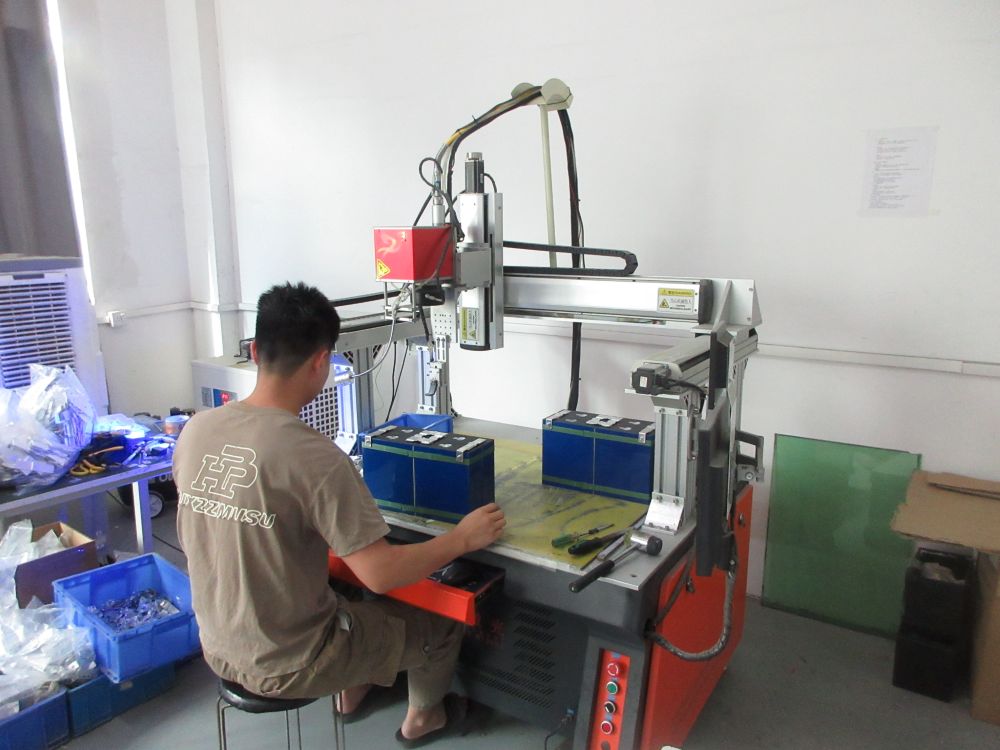


Addressing supply-side variability and demand-side charges through integrated microgrid solutions and commercial-scale batteries.
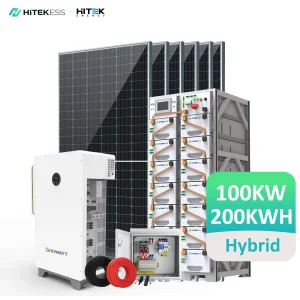
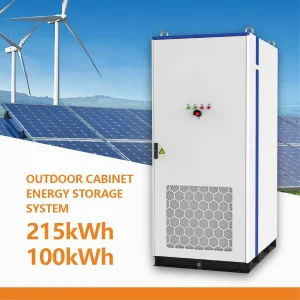
Commercial entities face high peak demand charges. Our integrated 100kW/215kWh to 261kWh cabinet systems incorporate advanced EMS algorithms that monitor load profiles in real-time. By discharging stored solar energy during peak demand periods, businesses can reduce demand charges and lower utility expenses.
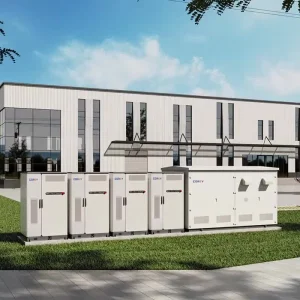
Large-scale deployment of solar and wind energy introduces grid instability. Multi-megawatt containerized BESS installations (such as our 1MWh, 2MWh, and 5MWh container systems) stabilize transmission networks by absorbing surplus power and responding to frequency drops within milliseconds, keeping high-voltage distribution networks secure.
Integrating 400VAC EV charging infrastructure directly with solar arrays and local battery packs avoids high grid connection fees. The battery acts as a dynamic buffer, storing solar energy during low usage hours and delivering high-current DC fast-charging to electric vehicles without straining local substations.
For remote regions, military outposts, and mining facilities, diesel power generation is expensive and high-maintenance. Hybrid off-grid microgrids pairing 300kW PCS with 1.2MWh LiFePO4 containers reduce fuel dependencies by up to 85%, ensuring stable, continuous power.
What international EPC contractors, grid engineers, and utility operators must verify when sourcing BESS systems from Chinese factories.
Sourcing industrial energy storage equipment demands strict attention to global safety certifications, grid-compliance, and bankability metrics. When engaging with Chinese manufacturers, procurement departments should prioritize the following parameters:
The sector is moving rapidly toward high-voltage architectures, with 1500V DC system layouts replacing traditional 1000V setups. By raising the operating voltage, systems can reduce balance-of-plant wiring losses and achieve higher packaging density within standard shipping containers. Additionally, AI-optimized cloud EMS systems are becoming standard, enabling operators to predict degradation, perform predictive maintenance, and participate in wholesale energy arbitrage markets.
Technical guidance and engineering answers regarding LFP battery design, thermal management, safety standards, and project optimization.
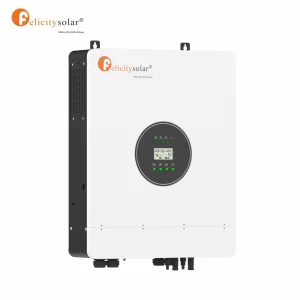
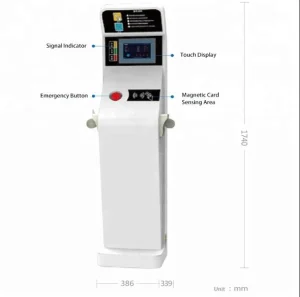
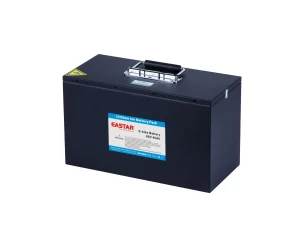
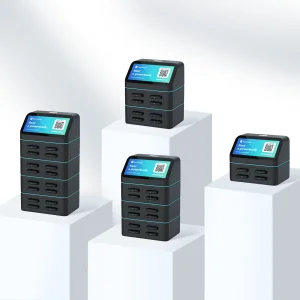
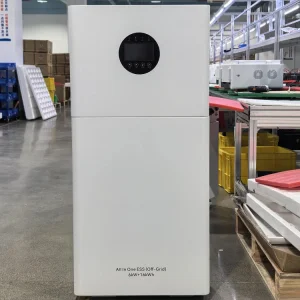
Complete your energy infrastructure projects with our specialized cells, modular home batteries, high-clarity outdoor displays, and robust hybrid inverters.
 Hudd Energy