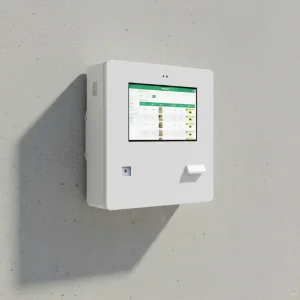
High-efficiency solar integrations tailored for Romanian municipal parks, historic centers, and tourist transit zones.
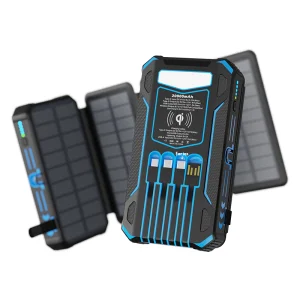
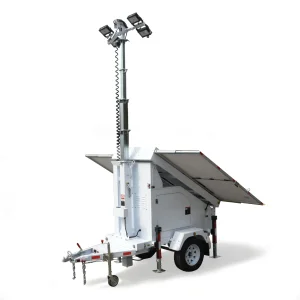
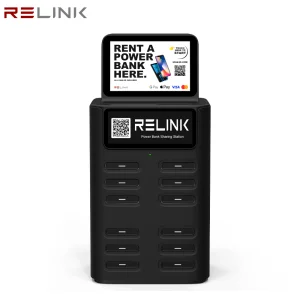
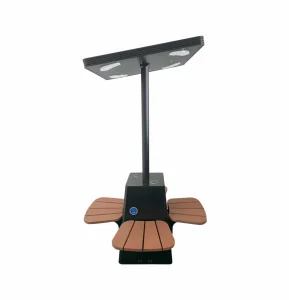
Romania is currently undergoing a rapid transformation in clean energy adoption, fueled by the National Recovery and Resilience Plan (PNRR) and EU-backed sustainability directives. Romanian municipalities from Bucharest and Cluj-Napoca to Timișoara and Brașov are aggressively executing smart city master plans. Among these initiatives, deploying off-grid, public-accessible solar charging kiosks has become a priority.
By capturing the region's solar potential—which ranges from 1,100 to 1,450 kWh/m²/year, particularly in the southern plains of Wallachia and Dobrogea—public solar kiosks provide a visual and practical statement of municipal green commitment. These setups offer double utility: they reduce municipal grid reliance while serving citizens, tourists, and remote workers with eco-friendly charging hubs.
Under the European Green Deal, Romania aims to generate over 30% of its energy consumption from renewable sources by 2030. Projects featuring off-grid outdoor solar charging furniture qualify directly under multiple local regional operational programs (POR) and smart city structural funding lines.
Why outdoor solar kiosks deployed in Romania require specific industrial considerations.
Deploying smart charging infrastructure in Romania requires addressing unique geographical challenges. Romanian weather experiences sharp seasonal extremes: scorching summer temperatures in the Danube plains exceeding 40°C, and freezing Carpathian mountain winters dropping below -20°C. General-use consumer designs fail quickly under these conditions. Professional procurement processes must prioritize robust, industrial-grade engineering:
Technical Insight: To operate reliably in Eastern European climates, smart solar benches and kiosks should employ Lithium Iron Phosphate (LiFePO4) battery packs equipped with advanced Battery Management Systems (BMS). Traditional lithium-ion chemistries suffer severe degradation and safety risks at freezing temperatures, whereas LiFePO4 chemistry, backed by integrated self-heating elements, maintains operational stability down to -20°C.
Adapting smart charging systems to various commercial and municipal settings.
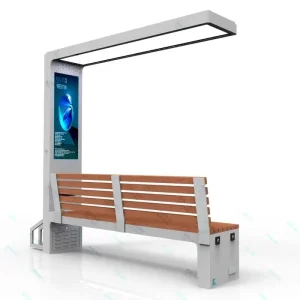
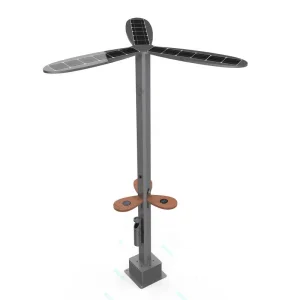
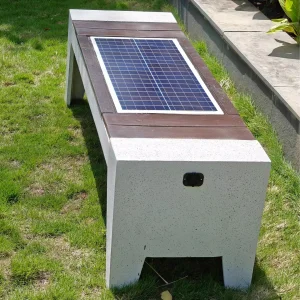
Municipalities like Brașov, Sibiu, and Sighișoara feature high pedestrian traffic within historic zones. Outdoor solar benches and charging kiosks with customized classic or modern wood-steel aesthetics blend with historic contexts. They provide USB fast-charging ports, wireless Qi chargers, and public Wi-Fi hotspots, all powered entirely by integrated solar panels without damaging historical pavement for cabling.
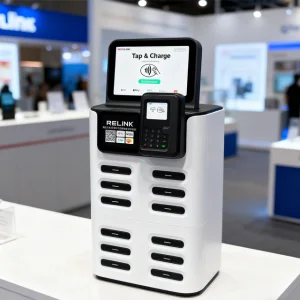
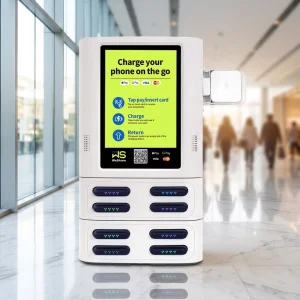
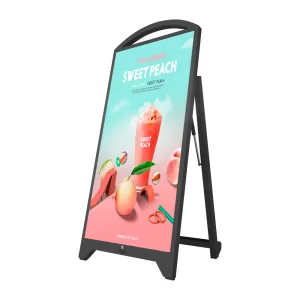
Campuses like Politehnica University of Bucharest or West University of Timișoara require high-capacity charging kiosks. Integrated digital signage displays can present bus/train timetables, weather forecasts, campus maps, or university announcements. These kiosks operate as dynamic information centers powered by solar cells and equipped with backup batteries for night operations.
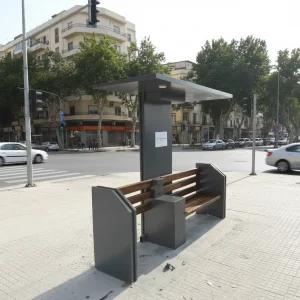
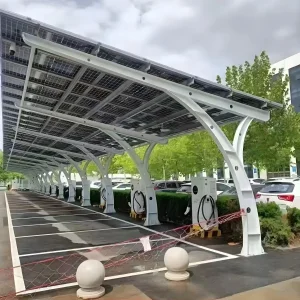
Romanian retail parks are shifting toward decarbonized buildings. Standard steel benches can be replaced with dual-purpose solar parking structures and modern smart benches. These provide outdoor seating, fast mobile charging, and interactive advertisement kiosks that generate alternative ad revenues while helping the commercial site meet green building standards.
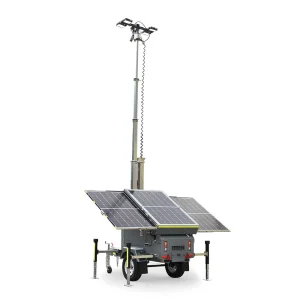
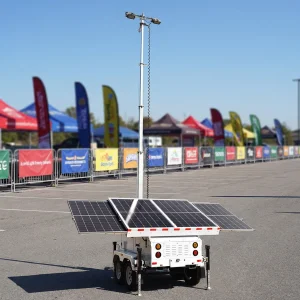
With rapid development along the A1 and A3 transport corridors, logistics hubs utilize outdoor heavy-duty solar mobile light towers and solar charging stations. These units allow night shift loading and outdoor security patrols to charge devices off-grid, ensuring work continuity without laying physical copper wiring across huge industrial storage complexes.
How our advanced manufacturing and logistics capabilities benefit Romanian distributors and municipal contractors.
Guangdong Hudd Energy Co., Ltd. is a professional provider of renewable energy products, energy storage solutions, and integrated smart energy systems. The company specializes in the development, supply, and integration of advanced energy storage systems (ESS), solar power solutions, EV charging infrastructure, and integrated solar-storage-charging stations, delivering efficient, reliable, and sustainable energy solutions to customers worldwide.
Beyond supplying individual products, Hudd Energy offers comprehensive system integration services tailored to diverse project requirements. Leveraging extensive industry expertise, the company provides end-to-end support covering solution design, equipment selection, system integration, project management, commissioning, and after-sales services. This enables customers to implement optimized energy solutions with enhanced efficiency, performance, and long-term reliability.
With strong partnerships across China's manufacturing ecosystem, Hudd Energy benefits from a robust and competitive supply chain, ensuring high-quality products, stable delivery schedules, and cost-effective solutions. The company also maintains strategic cooperation with financial institutions and banking partners, providing flexible trade finance support and secure transaction services to facilitate the successful execution of international projects.
Looking ahead, Guangdong Hudd Energy Co., Ltd. will continue to drive innovation in clean energy technologies, strengthen its global market presence, and contribute to the worldwide transition toward a greener, smarter, and more sustainable energy future.
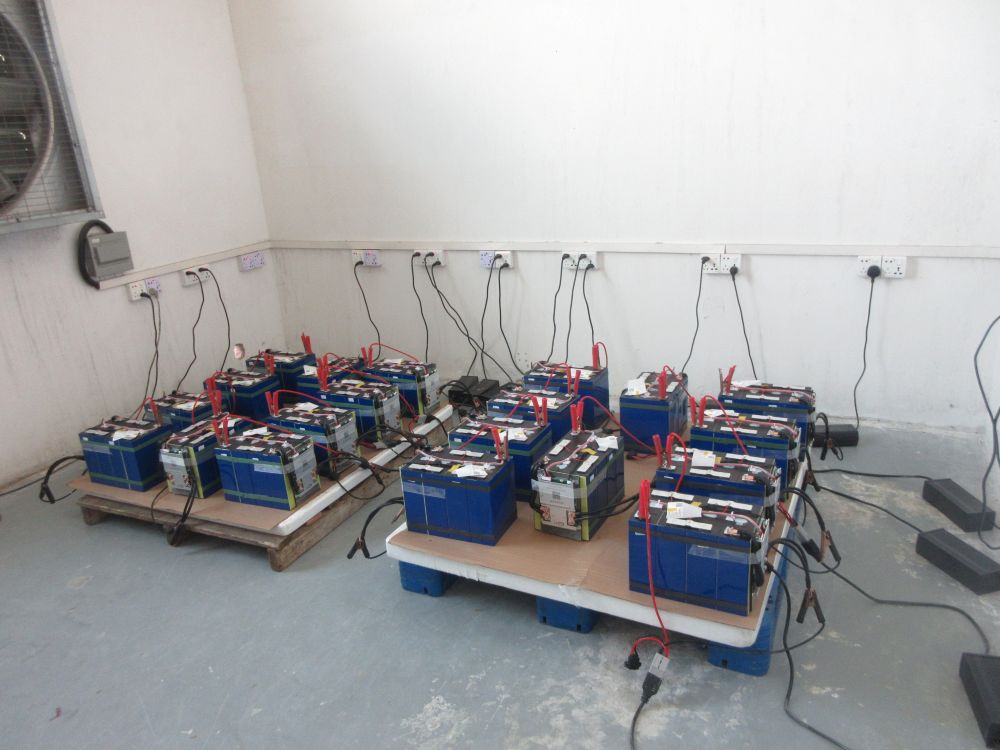
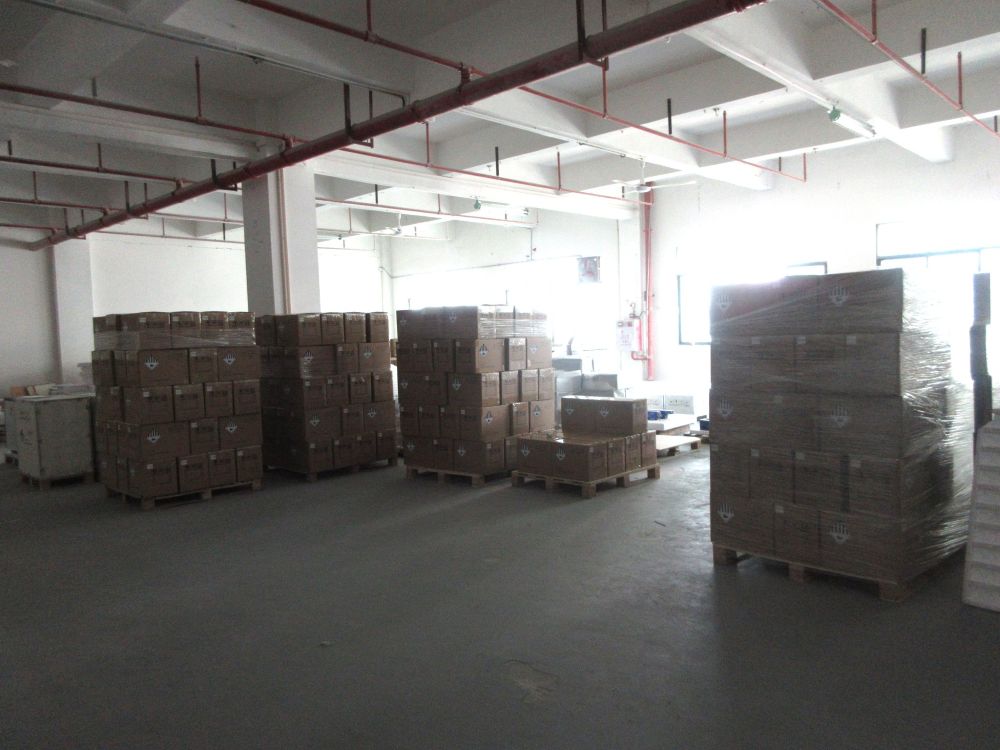
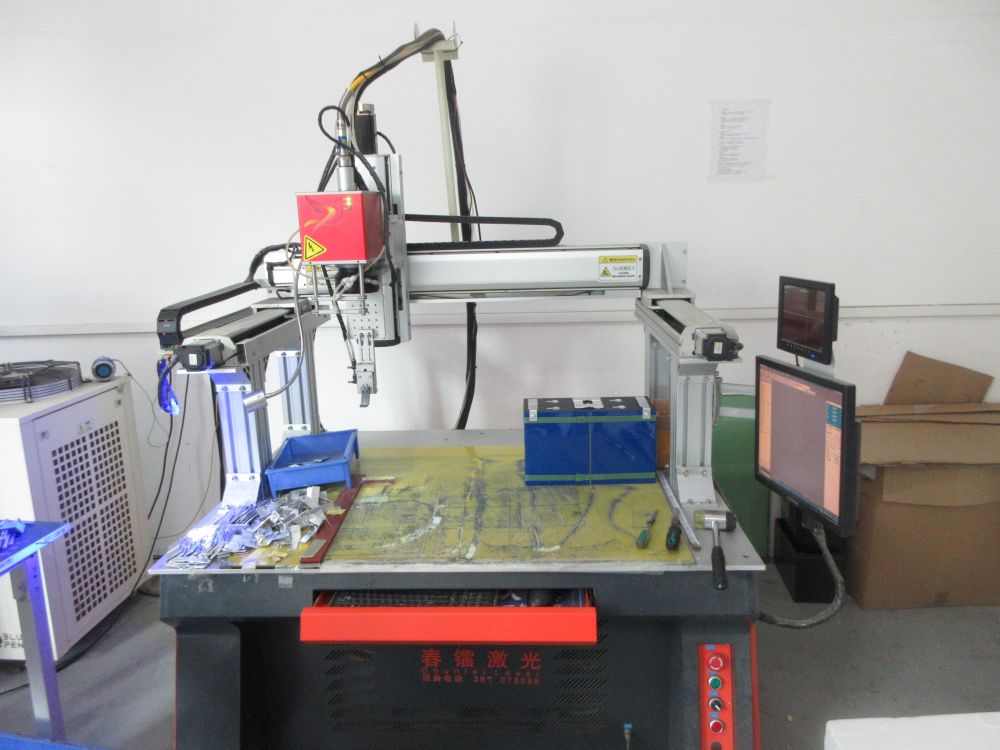
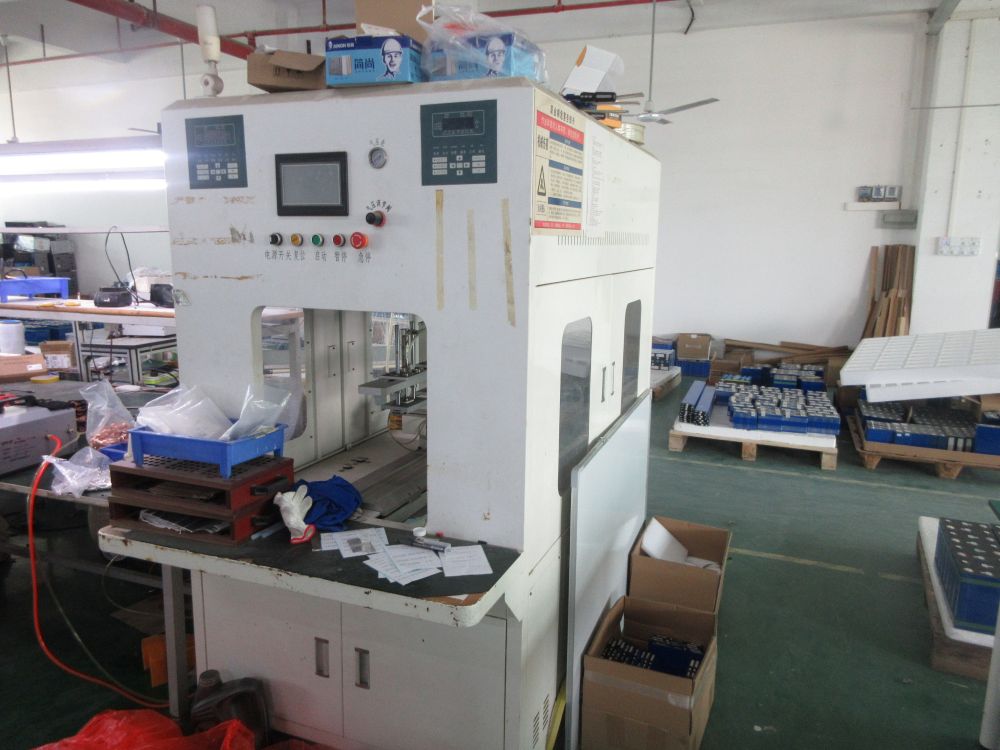
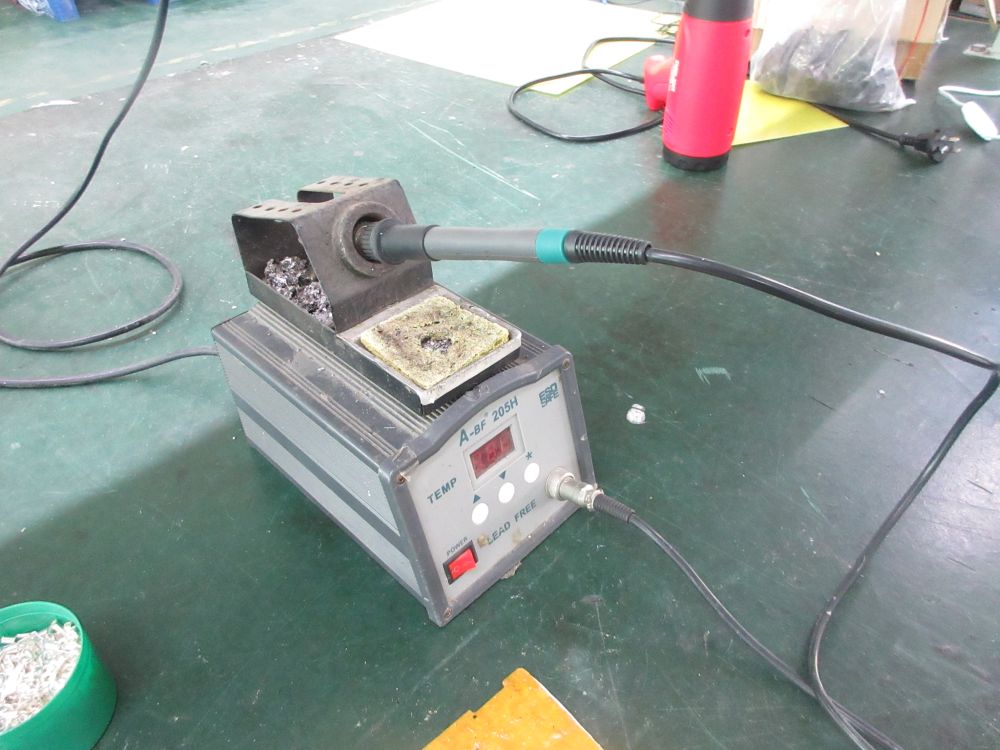
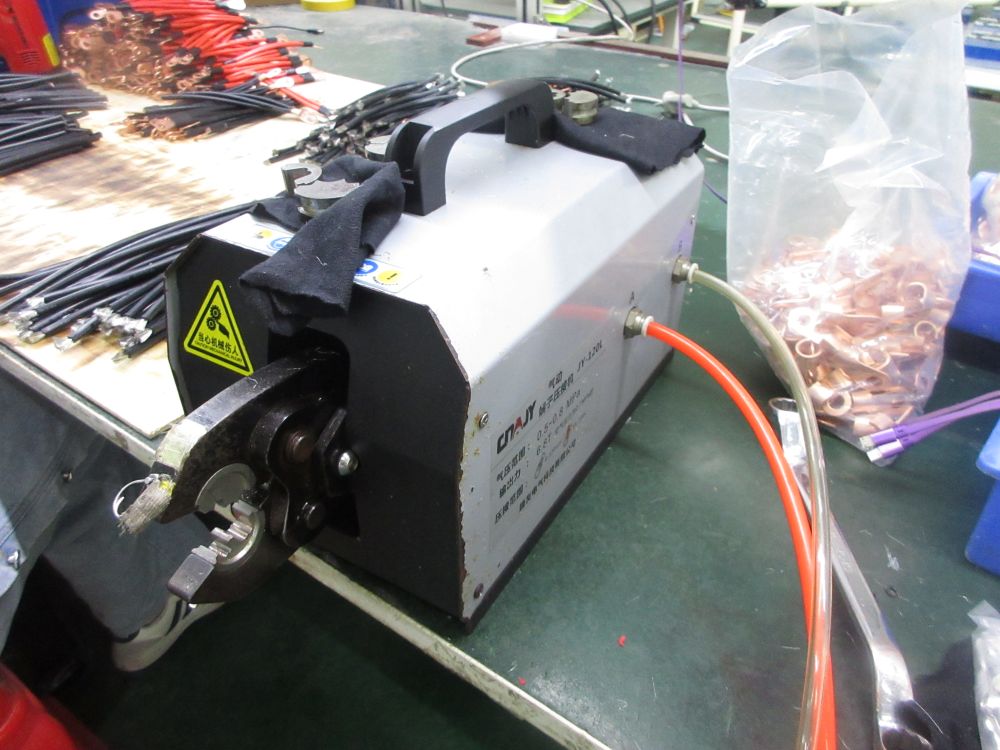
Inside our state-of-the-art facility: Quality control and assembly processes for durable outdoor charging platforms.
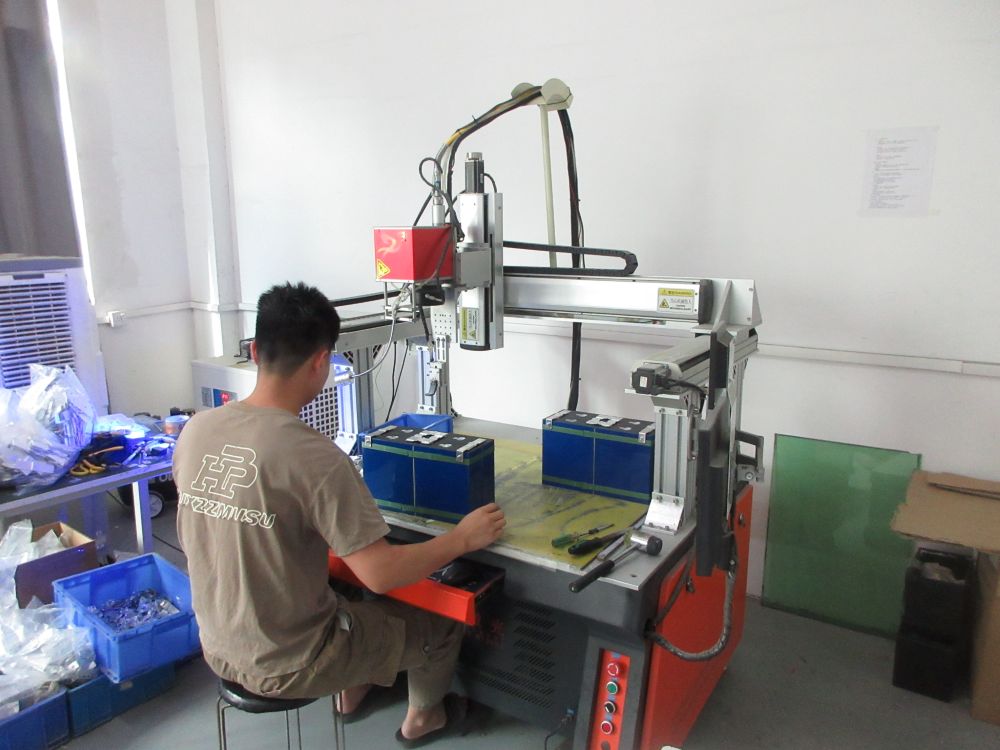
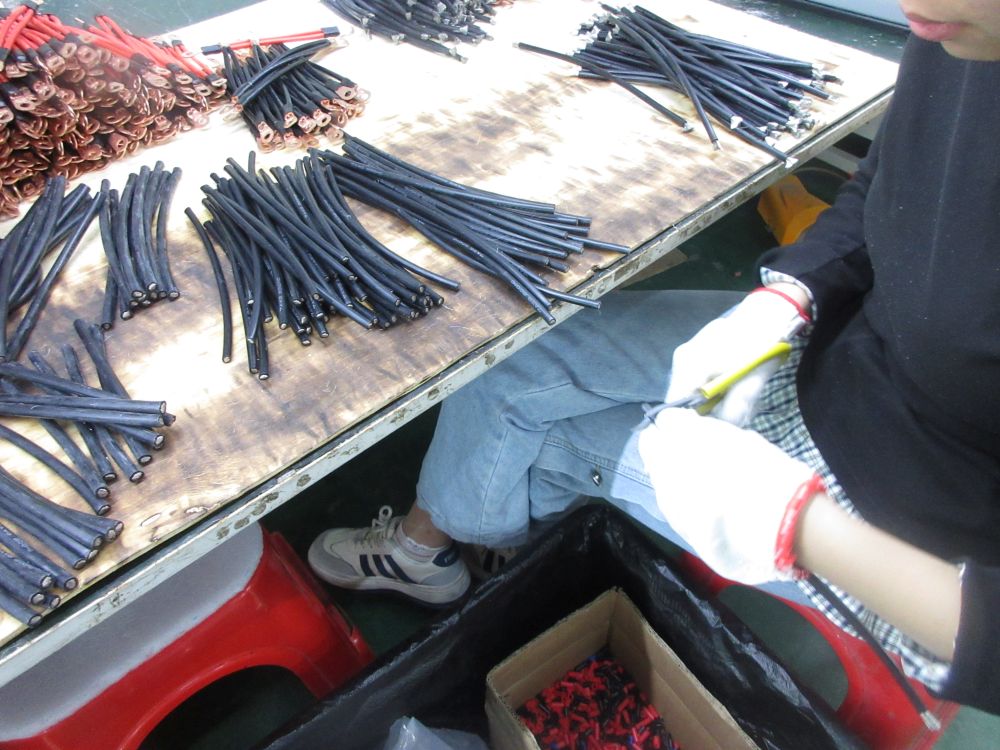
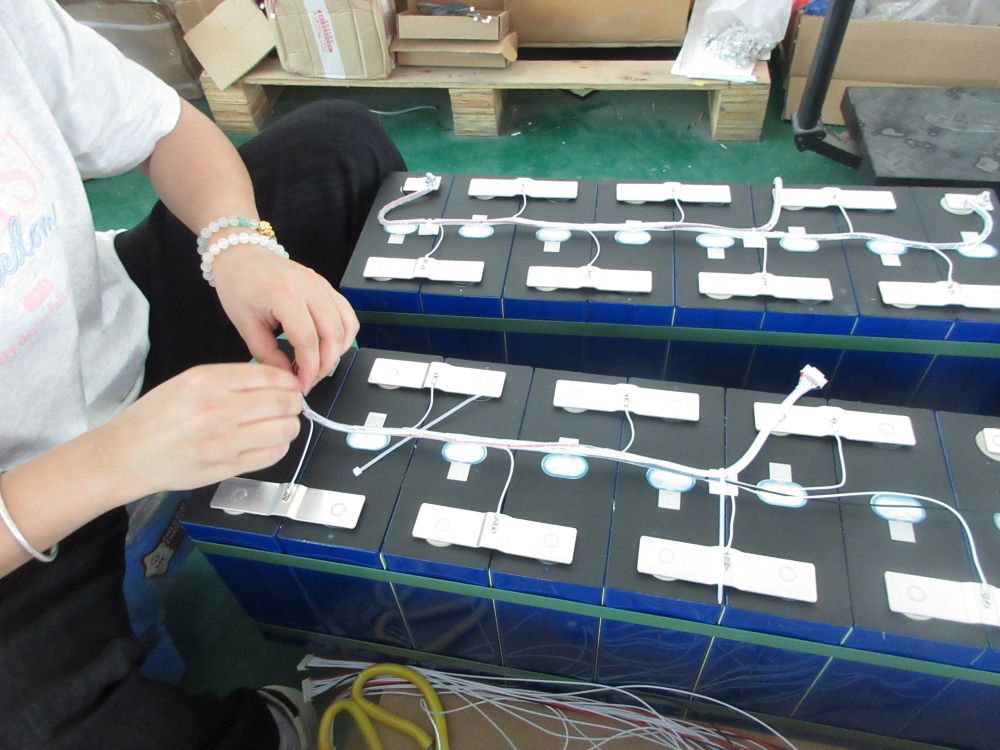
Explore our full line of commercial, industrial, and outdoor solar equipment.
Critical indicators for evaluating long-term ROI and engineering compatibility of smart solar installations.
When engineering firms, urban planners, and commercial developers procure public solar infrastructure, they must evaluate several metrics beyond base pricing. High-quality manufacturers provide detailed performance data to simplify this analysis:
Deploying smart charging infrastructure requires aligning configurations with local solar conditions. Our engineering team helps calculate exact solar array sizing and battery storage capacities using historical solar irradiance databases, ensuring uninterrupted operation during periods of low sunlight.
How current design and manufacturing innovations are redefining public space infrastructure.
Kiosks are evolving from simple power points into grid-interactive micro-hubs. Modern setups can feed excess energy back to regional grids or absorb grid power during low-solar periods, ensuring complete stability.
Smart benches now regularly incorporate sensors to monitor regional air quality, humidity, noise levels, and pedestrian counts. This turns standard street furniture into nodes in the municipal IoT sensor grid.
To complement traditional batteries, modern kiosks are testing super-capacitors. These allow rapid energy discharge for fast-charging applications while improving lifecycle performance in extreme temperatures.
Technical and logistical insights for buyers, engineers, and municipal partners.
Partner with Guangdong Hudd Energy Co., Ltd. for reliable engineering, advanced battery safety, and competitive pricing. Get in touch with our tech consulting team today.
Send Inquiry Now Hudd Energy