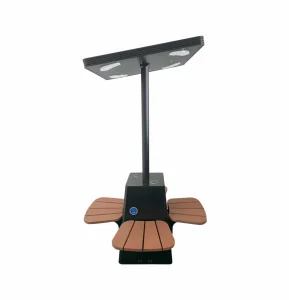
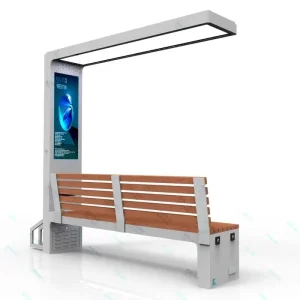
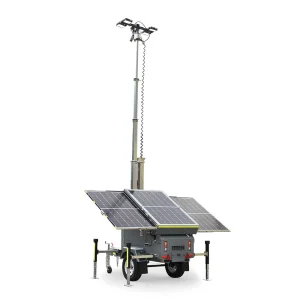
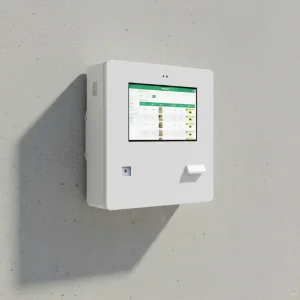
Premium solutions optimized for municipal, corporate, and remote installations across New Zealand.
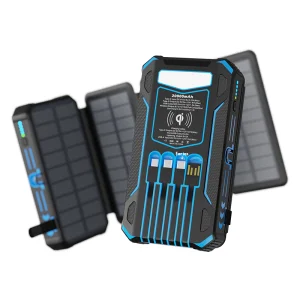
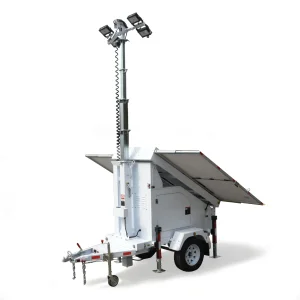
New Zealand has committed to a net-zero carbon emission target by 2050. Under the Carbon Neutral Government Programme (CNGP), public sector agencies, local councils, and urban planning committees are under significant legislative pressure to integrate sustainable, carbon-mitigating technologies into the public realm. Public Solar Charging Kiosks serve as a tangible touchpoint for this ecological transition, transforming ordinary public spaces—such as parks, transport hubs, university campuses, and scenic conservation areas—into self-sustaining micro-energy hubs.
From the urban high-density corridors of Auckland and Wellington to the extreme geographical demands of the Southern Alps and rural conservation reserves managed by the Department of Conservation (DOC), the need for grid-independent power is escalating. Charging kiosks equipped with modern lithium iron phosphate (LiFePO4) storage and solar harvesting capabilities solve the challenge of provisioning utility infrastructure in sites where traditional trenching and cabling are cost-prohibitive or ecologically disruptive.
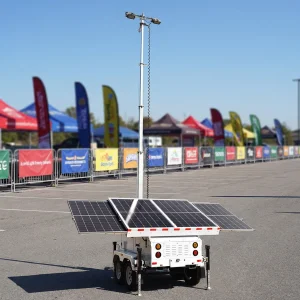
Furthermore, New Zealand's vulnerability to seismic activity and extreme weather events (such as Cyclone Gabrielle) has brought regional energy resilience to the forefront of civil defense conversations. Municipalities are increasingly treating public solar charging kiosks not just as lifestyle amenities, but as crucial emergency power nodes. When the primary grid fails, these units remain operational, providing localized communication charging, emergency LED illumination, and public Wi-Fi hotspots.
For global EPC (Engineering, Procurement, and Construction) contractors, municipal buyers, and retail developers sourcing hardware, the procurement process requires strict alignment with local structural and electrical guidelines. Importing public infrastructure into New Zealand is highly regulated:
Our technologies are architected to deliver extreme durability, optimal battery chemistry, and high performance in cold, wet, or marine climates.
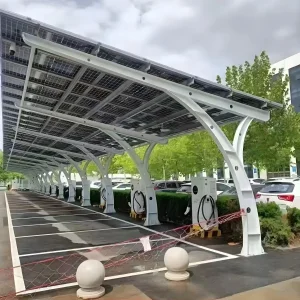
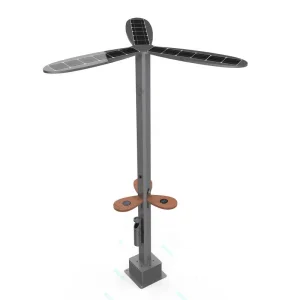
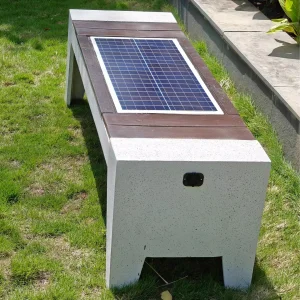
Combining structural street furniture and dynamic remote lighting platforms for civil and public zones.
An outdoor public solar charging kiosk is a micro-grid power plant that operates under variable environmental loads. Achieving reliability in southern latitudes—where winter sunlight hours are limited and temperature drops are common—requires three critical sub-system designs:
Standard solar controllers (PWM) lose significant efficiency during overcast or partially shaded conditions (caused by urban trees, buildings, or coastal cloud cover). Our systems utilize advanced Maximum Power Point Tracking (MPPT) algorithms that refresh tracking speeds every millisecond. This translates to an conversion efficiency boost of up to 30% compared to traditional configurations, ensuring that even under low-irradiance conditions in Otago or Southland, the internal battery packs continue to receive optimal trickle charge.
Unlike typical consumer lithium batteries, we utilize automotive-grade Lithium Iron Phosphate (LiFePO4) chemistry. LiFePO4 boasts a cycle life exceeding 6,000 cycles at 80% Depth of Discharge (DoD) and carries zero risk of thermal runaway (fire hazard). The integrated Battery Management System (BMS) controls balancing, over-voltage protection, and low-temperature charge prevention—crucial for sub-zero alpine conditions where lithium plating could damage cells if charged below freezing.
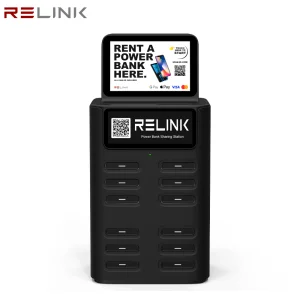
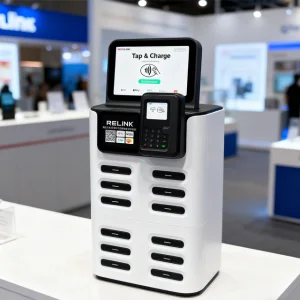
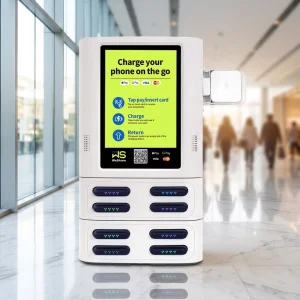
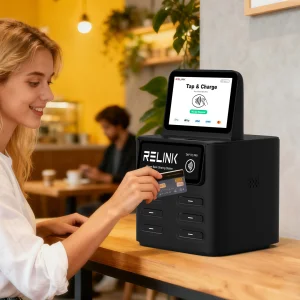
Modern kiosks are smart connected nodes. By embedding cellular IoT modules, administrators can remotely monitor energy generation, battery state-of-charge, port usage, and system health in real-time. For commercial applications (such as public shopping centers and airports), our kiosks feature integrated POS payment terminals and NFC protocols, enabling seamless monetized rentals of high-output power banks.
Guangdong Hudd Energy Co., Ltd. is a professional provider of renewable energy products, energy storage solutions, and integrated smart energy systems. The company specializes in the development, supply, and integration of advanced energy storage systems (ESS), solar power solutions, EV charging infrastructure, and integrated solar-storage-charging stations, delivering efficient, reliable, and sustainable energy solutions to customers worldwide.
Beyond supplying individual products, Hudd Energy offers comprehensive system integration services tailored to diverse project requirements. Leveraging extensive industry expertise, the company provides end-to-end support covering solution design, equipment selection, system integration, project management, commissioning, and after-sales services. This enables customers to implement optimized energy solutions with enhanced efficiency, performance, and long-term reliability.
With strong partnerships across China's manufacturing ecosystem, Hudd Energy benefits from a robust and competitive supply chain, ensuring high-quality products, stable delivery schedules, and cost-effective solutions. The company also maintains strategic cooperation with financial institutions and banking partners, providing flexible trade finance support and secure transaction services to facilitate the successful execution of international projects.
Our product portfolio serves a wide range of applications, including residential, commercial, industrial, utility-scale energy storage projects, electric vehicle charging networks, and distributed renewable energy systems. The company is committed to helping customers reduce energy costs, improve energy independence, and achieve their sustainability goals.
Over the years, Guangdong Hudd Energy has successfully expanded its presence in international markets, particularly in Southeast Asia, South America, the Middle East, and Africa, earning the trust and recognition of clients through reliable products, professional services, and long-term partnerships.
Looking ahead, Guangdong Hudd Energy Co., Ltd. will continue to drive innovation in clean energy technologies, strengthen its global market presence, and contribute to the worldwide transition toward a greener, smarter, and more sustainable energy future.
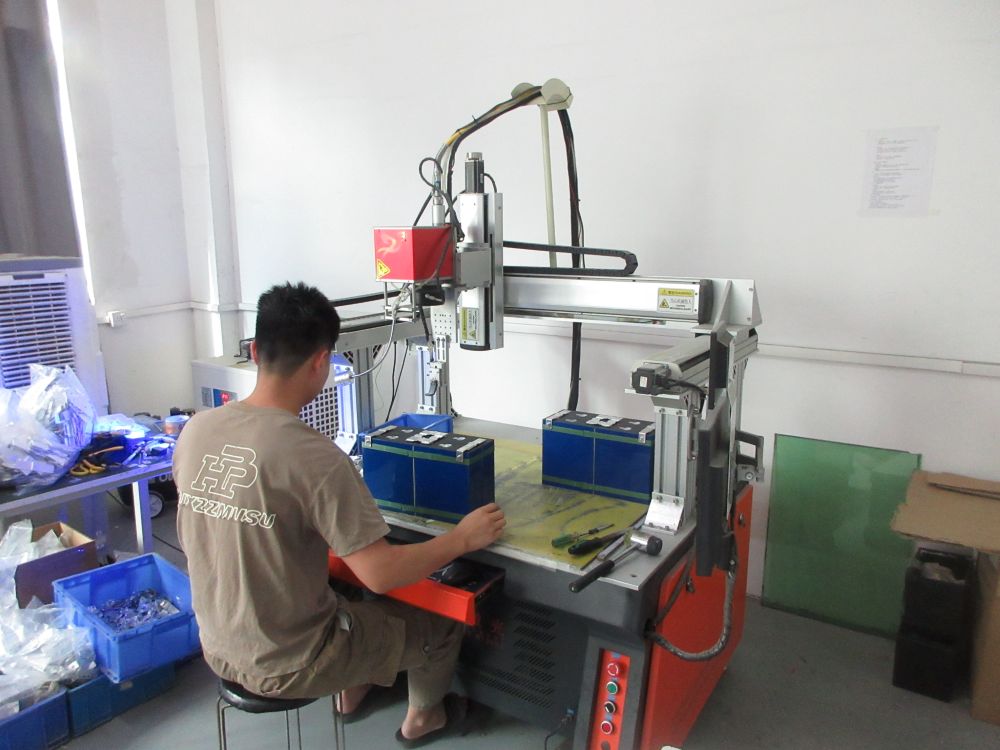
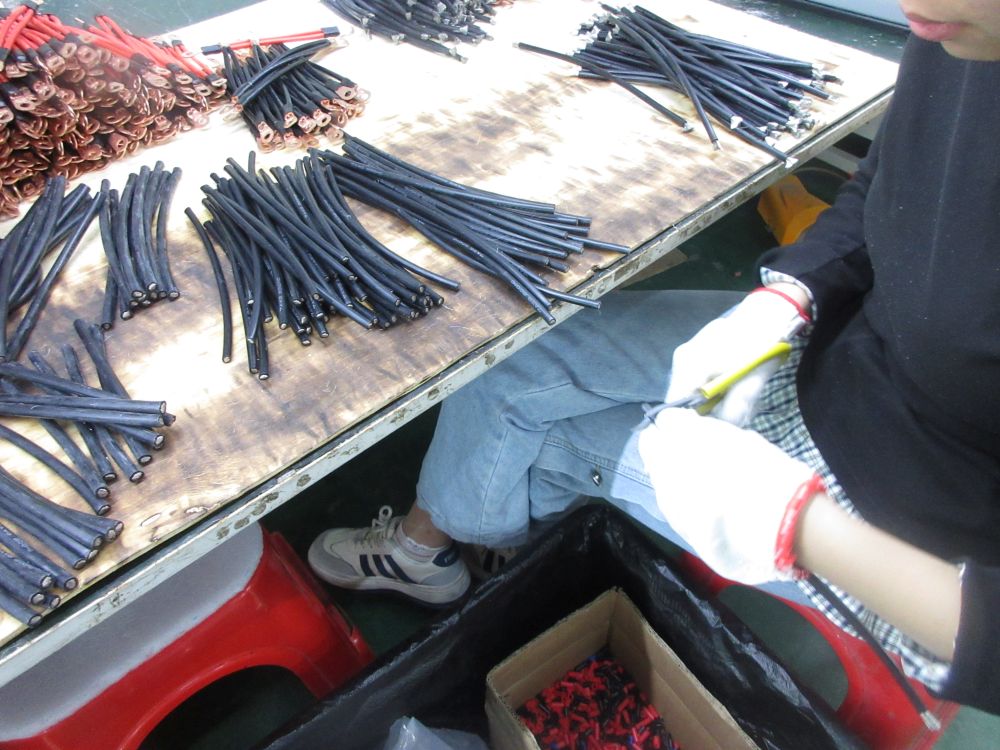
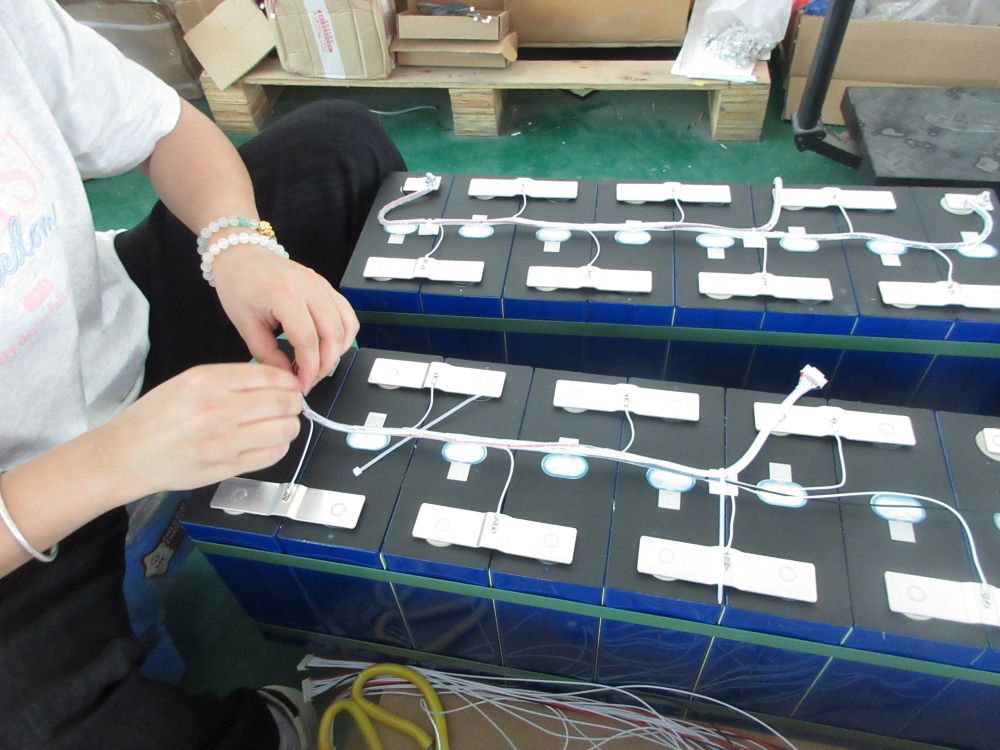
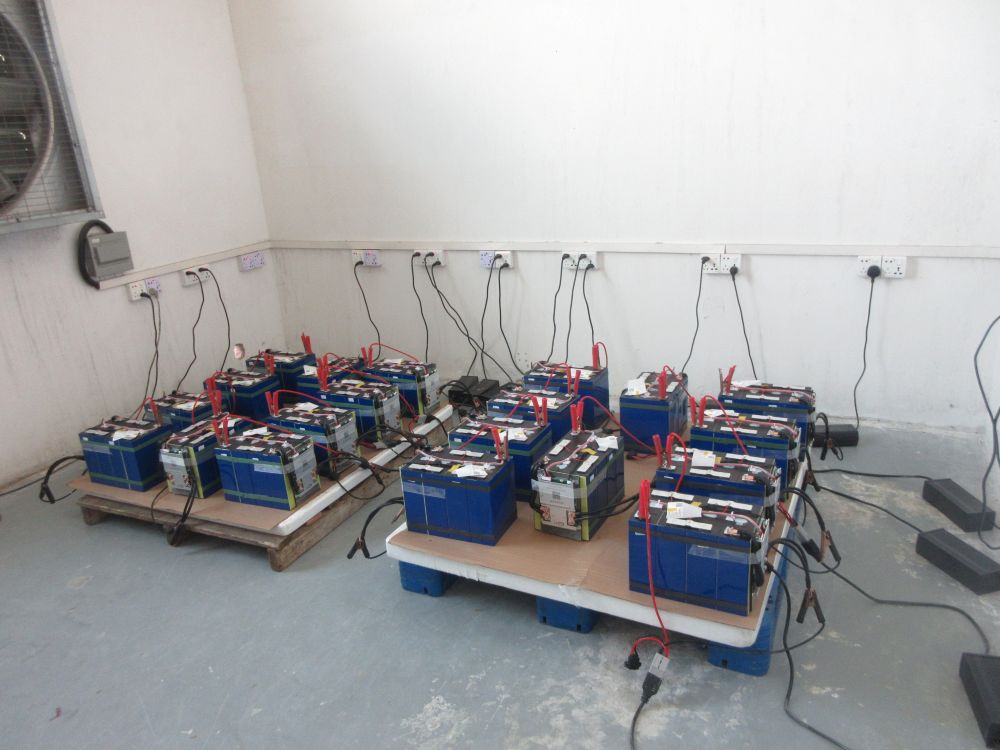
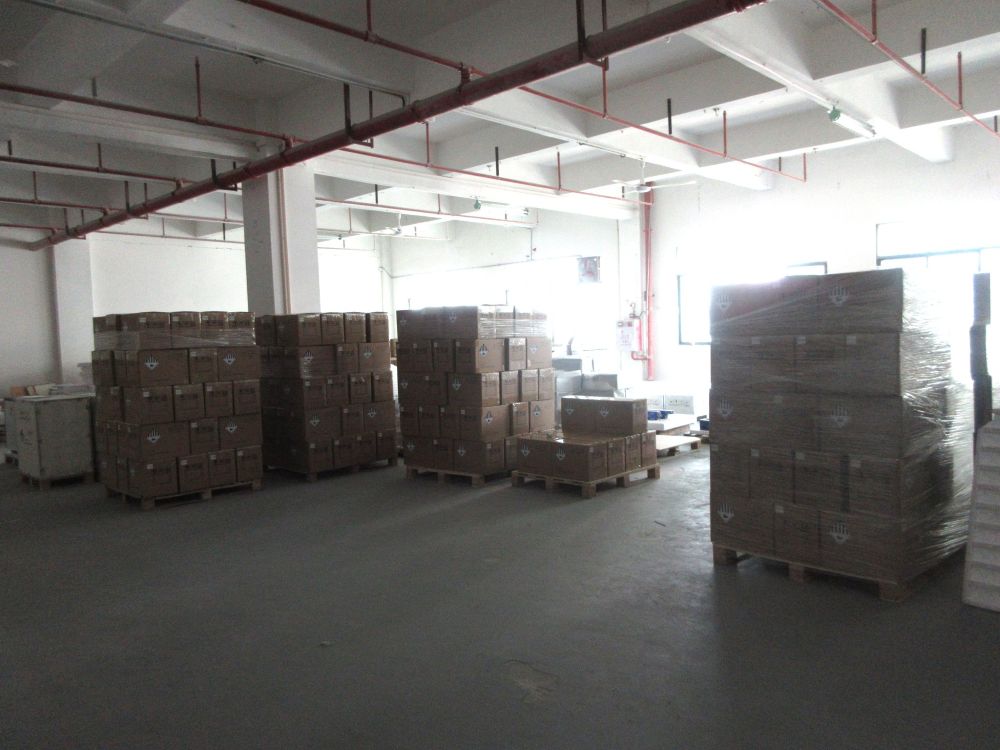
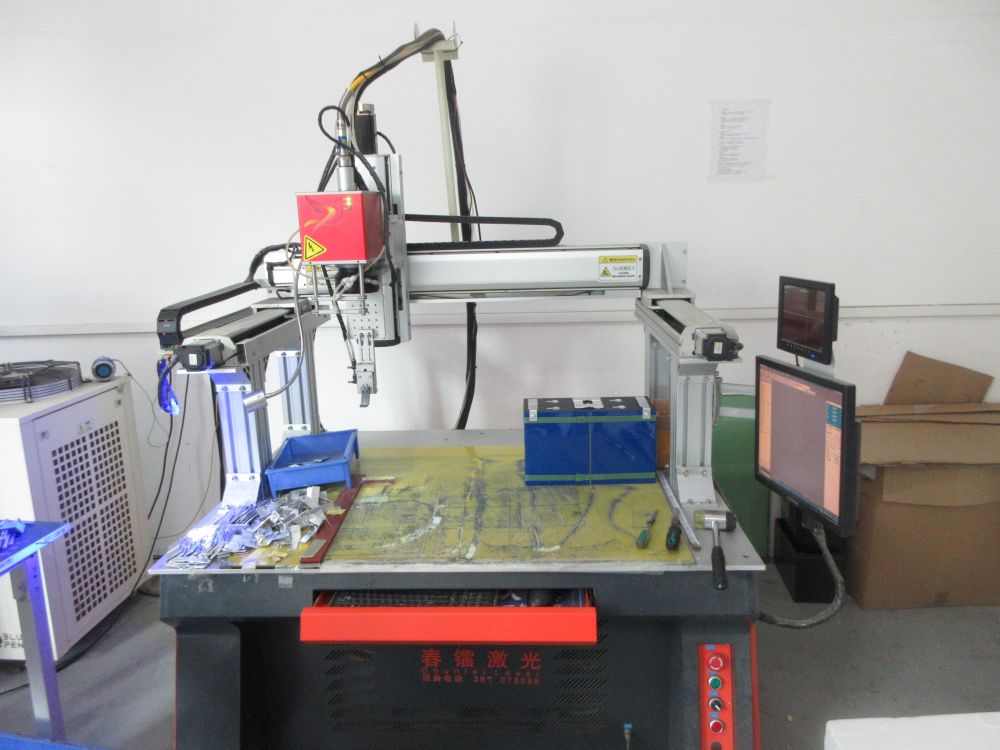
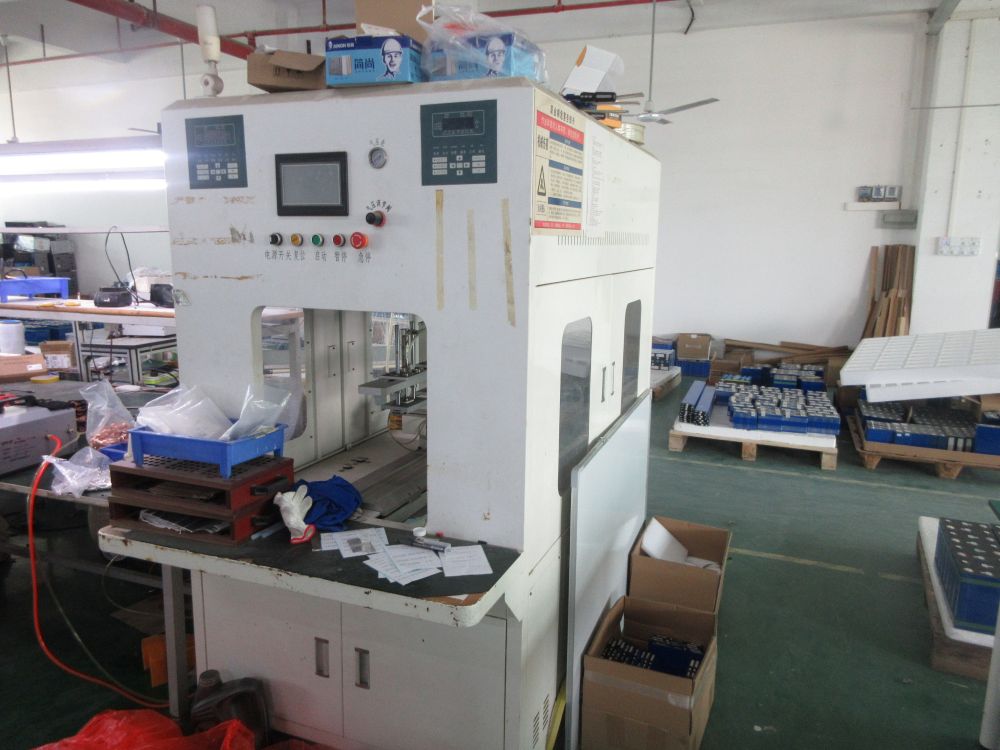
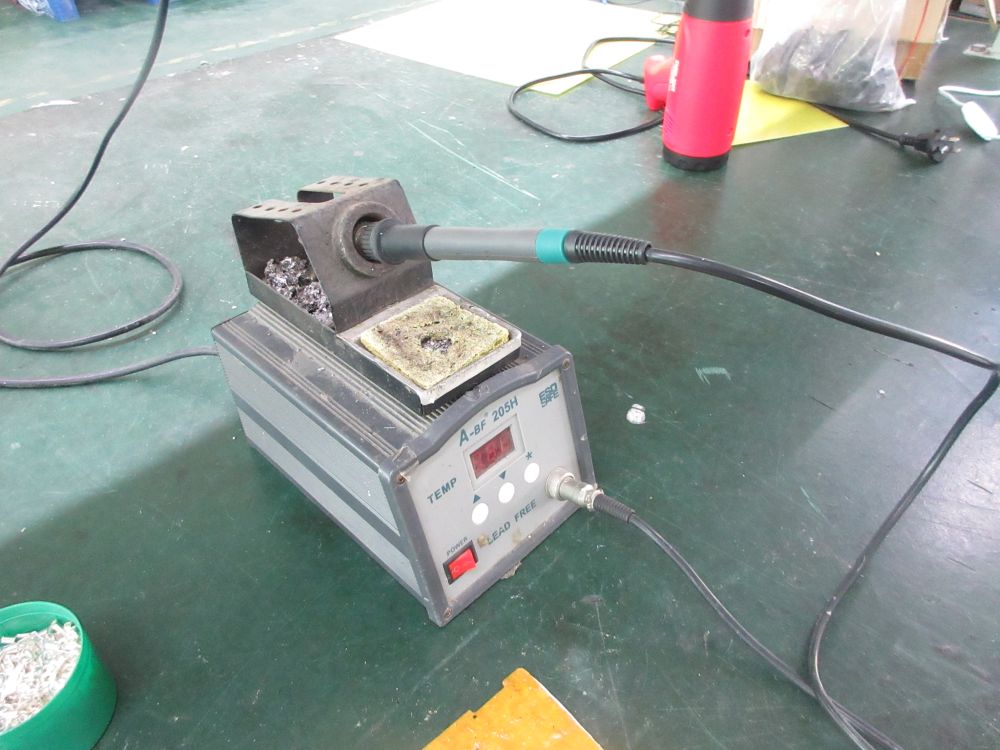
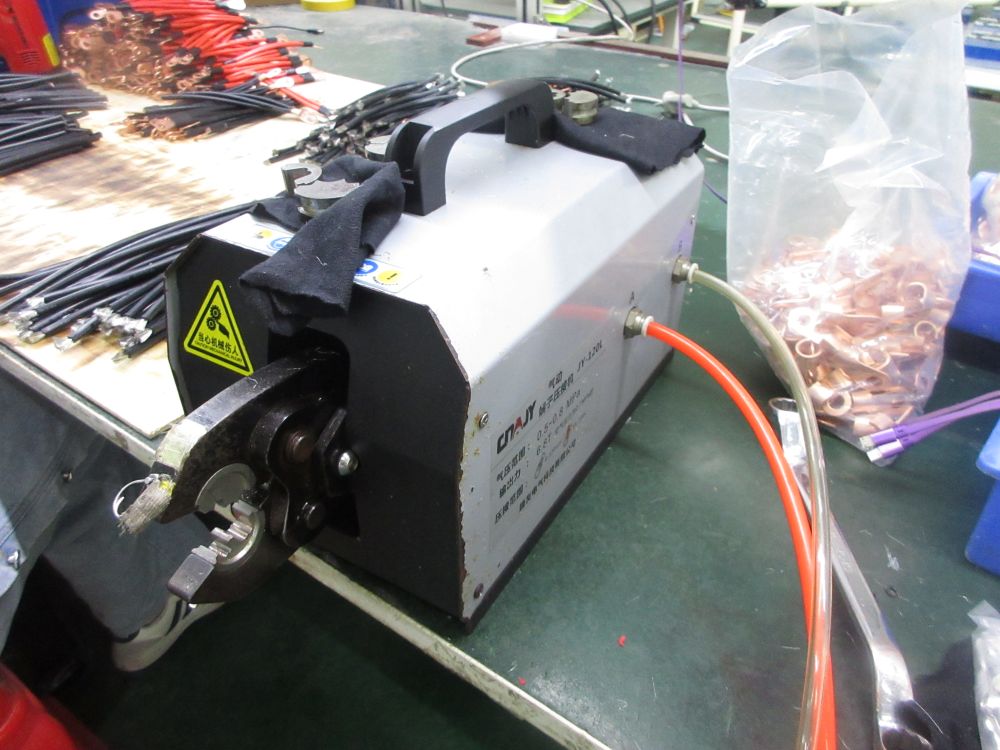
A transparent look inside our modern facility showing step-by-step production, assembly, and testing of our smart energy solutions.
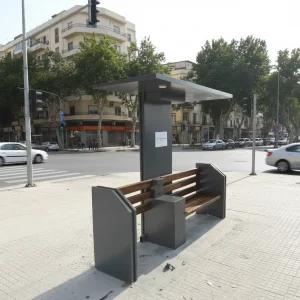
Engineered for malls, resorts, hospitality projects, and public pathways across New Zealand.
Essential technical and logistical answers regarding the procurement, customization, and deployment of solar kiosks in New Zealand.
 Hudd Energy