Explore our premium CE certified energy storage equipment and integration technologies designed for long cycle life, high density, and modular expansion.
Navigating the global microgrid transition: balancing fluctuating grids with flexible energy architectures.
In the wake of strict international carbon-reduction regulations and localized grid volatility, the transition to Energy Independence Solutions has shifted from a voluntary corporate social responsibility directive to an essential economic imperative. In regions like Western Europe, Central and South America, and parts of the Asia-Pacific, energy security is challenged by outdated infrastructure, extreme weather events, and skyrocketing peak-rate tariffs.
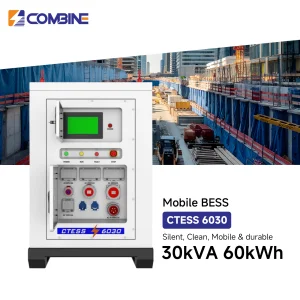
This dynamic has forced industries to restructure their power architectures. Traditional reliance on continuous centralized utilities is being replaced by decentralized energy systems. Large-scale microgrids, utility-scale containerized battery energy storage systems (BESS), and hybrid grid-interactive systems represent the vanguard of this paradigm. These systems leverage intelligent power-electronics technologies to transition operations away from passive consumption to active, real-time energy management.
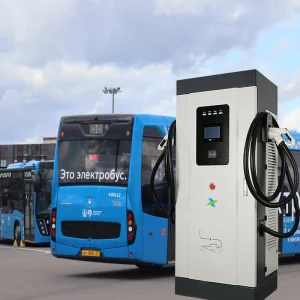
Critical to this evolution is the ability to leverage Peak Shaving and Load Shifting mechanisms. When commercial facilities draw energy during peak grid hours, they incur steep demand charges. An on-site battery storage system mitigates this by charging during off-peak times (or directly from localized solar generation arrays) and discharging when rates peak. Additionally, as industrial facilities adopt Electric Vehicle (EV) fleets, heavy-duty floor-mounted DC EV charging stations present unprecedented load demand on local transformers. Integrated solar-storage-charging infrastructure solves this constraint, guaranteeing grid stability while maximizing clean energy usage.
Deployable configurations custom-engineered for disparate environmental and geopolitical requirements.
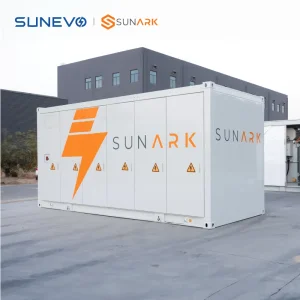
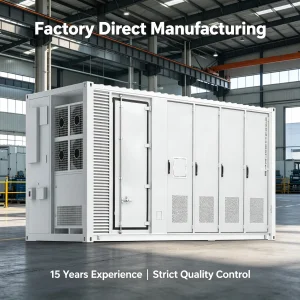
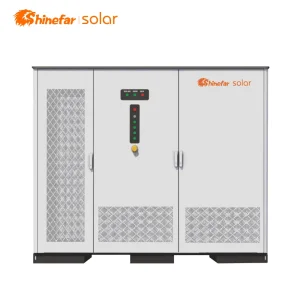
Addressing EU’s EN 62619 standards, our containerized designs provide grid stability, frequency regulation, and emergency backup for green factories aiming for Net-Zero Scope 1 and Scope 2 emissions.
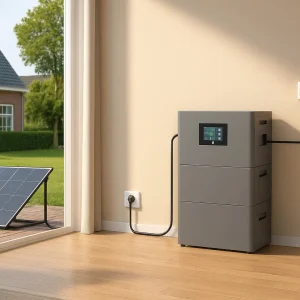
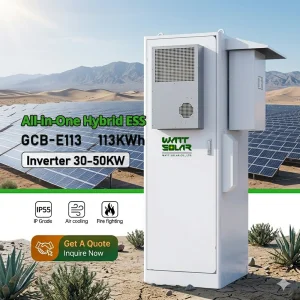
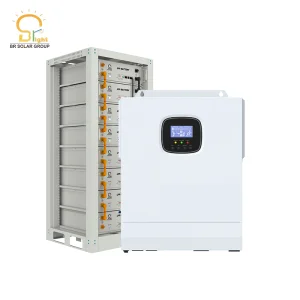
For remote mining projects, remote agricultural centers, and off-grid islands in Southeast Asia or Africa, our high-capacity LiFePO4 battery cabinets serve as the central hub of local distribution systems.
Optimizing operations in North America and Latin America, our modular 100kWh to 500kWh units automatically shave peak load curves via real-time intelligent EMS telemetry, dropping utility costs up to 40%.
Cell Cycles @ 80% DoD
International Standard Certs
Inverter Conversion Efficiency
IoT Cloud Telemetry & EMS Control
Pioneering the next frontier in advanced chemical engineering and high-efficiency power distribution.
The core technology of modern energy independence rests on cell-level stability and high-density packaging. Our technological roadmap is centered on the optimization of Lithium Iron Phosphate (LiFePO4) chemistry. Known for its safety, thermal stability, and long cycle life, LiFePO4 is the premier battery chemistry for stationary energy storage systems.
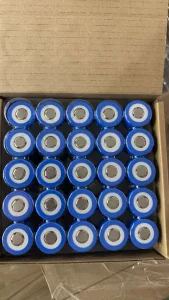
Our engineering portfolio covers both standardized CE-certificated 32700 6000mAh cylindrical cells (ideal for high-rate, modular, small-to-medium packs) and custom large-format prismatic LiFePO4 battery cells. High-capacity prismatic cells allow for lower interconnect resistance, easier thermal management, and compact footprints, paving the way for scalable containerized solutions reaching up to 1.25MW/2.5MWh in a standard 20-foot enclosure.
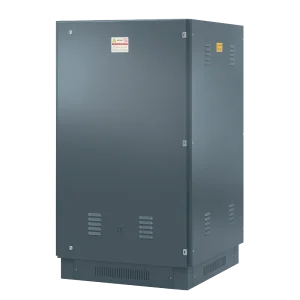
Thermal runaways are prevented via three primary safety barriers: built-in ceramic separators inside cells, specialized structural insulation, and smart air/liquid cooling systems. Our outdoor battery cabinets utilize smart HVAC designs with integrated thermal monitoring, ensuring each module operates within its sweet-spot temperature zone (15°C to 35°C), thereby maximizing cell lifespan and minimizing self-discharge rates.
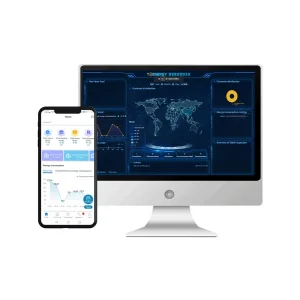
All modern systems are powered by a dual-processor Battery Management System (BMS) integrated with cloud-based Energy Management System (EMS) telemetry. The BMS monitors cell voltages, currents, and temperatures in real-time, executing active balancing. Simultaneously, the EMS analyzes weather feeds, historical usage data, and local utility pricing structures to execute real-time decisions on when to charge, hold, or export power.
Your Trusted Global Integration Partner for Reliable Clean Energy Systems
Guangdong Hudd Energy Co., Ltd. is a professional provider of renewable energy products, energy storage solutions, and integrated smart energy systems. The company specializes in the development, supply, and integration of advanced energy storage systems (ESS), solar power solutions, EV charging infrastructure, and integrated solar-storage-charging stations, delivering efficient, reliable, and sustainable energy solutions to customers worldwide.
Beyond supplying individual products, Hudd Energy offers comprehensive system integration services tailored to diverse project requirements. Leveraging extensive industry expertise, the company provides end-to-end support covering solution design, equipment selection, system integration, project management, commissioning, and after-sales services. This enables customers to implement optimized energy solutions with enhanced efficiency, performance, and long-term reliability.
With strong partnerships across China's manufacturing ecosystem, Hudd Energy benefits from a robust and competitive supply chain, ensuring high-quality products, stable delivery schedules, and cost-effective solutions. The company also maintains strategic cooperation with financial institutions and banking partners, providing flexible trade finance support and secure transaction services to facilitate the successful execution of international projects.
Hudd Energy's product portfolio serves a wide range of applications, including residential, commercial, industrial, utility-scale energy storage projects, electric vehicle charging networks, and distributed renewable energy systems. The company is committed to helping customers reduce energy costs, improve energy independence, and achieve their sustainability goals.
Over the years, Guangdong Hudd Energy has successfully expanded its presence in international markets, particularly in Southeast Asia, South America, the Middle East, and Africa, earning the trust and recognition of clients through reliable products, professional services, and long-term partnerships. Looking ahead, Guangdong Hudd Energy Co., Ltd. will continue to drive innovation in clean energy technologies, strengthen its global market presence, and contribute to the worldwide transition toward a greener, smarter, and more sustainable energy future.
A transparent look into our rigorous, ISO-certified precision assembly and automated quality-control workflows.
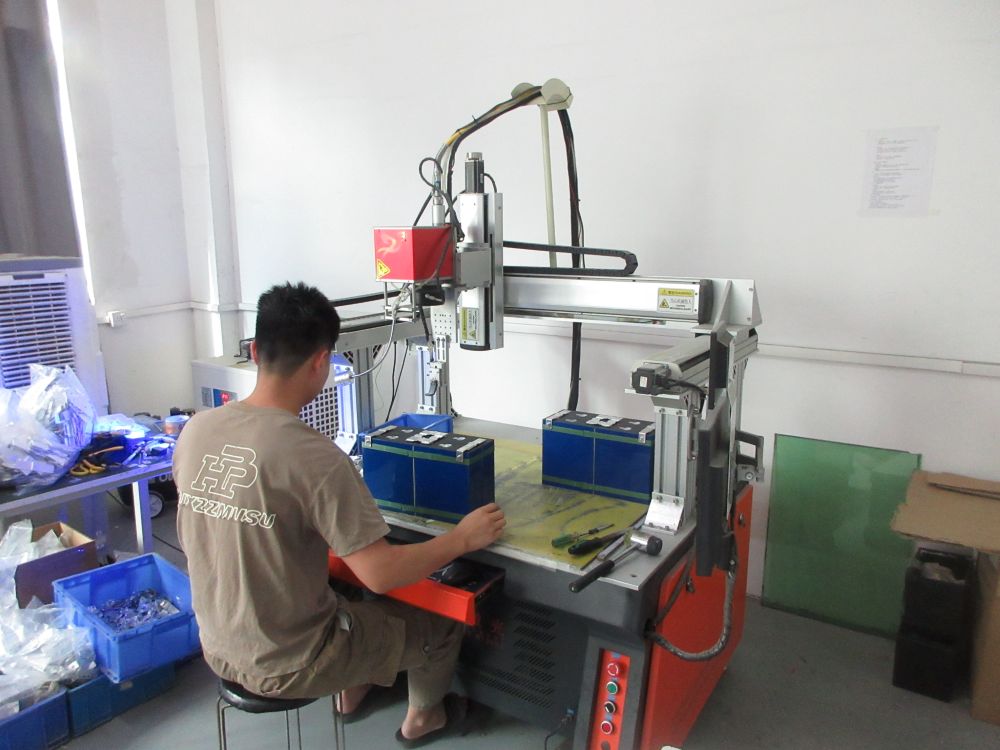 Laser Spot Welding
 Cutting Wire
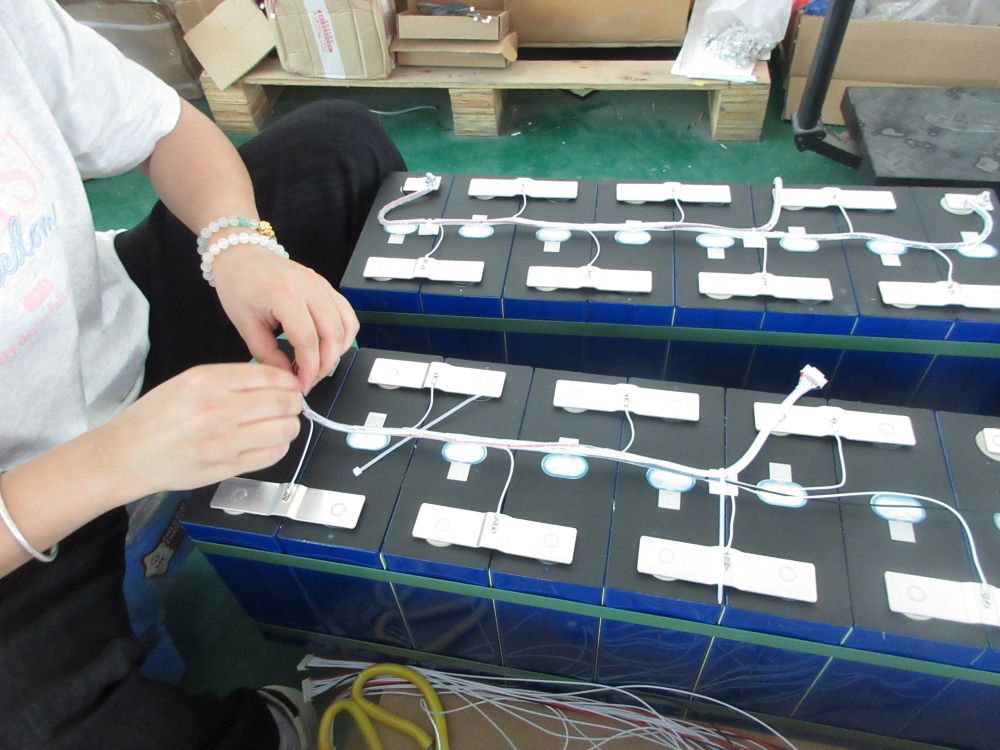 Connect the Wires
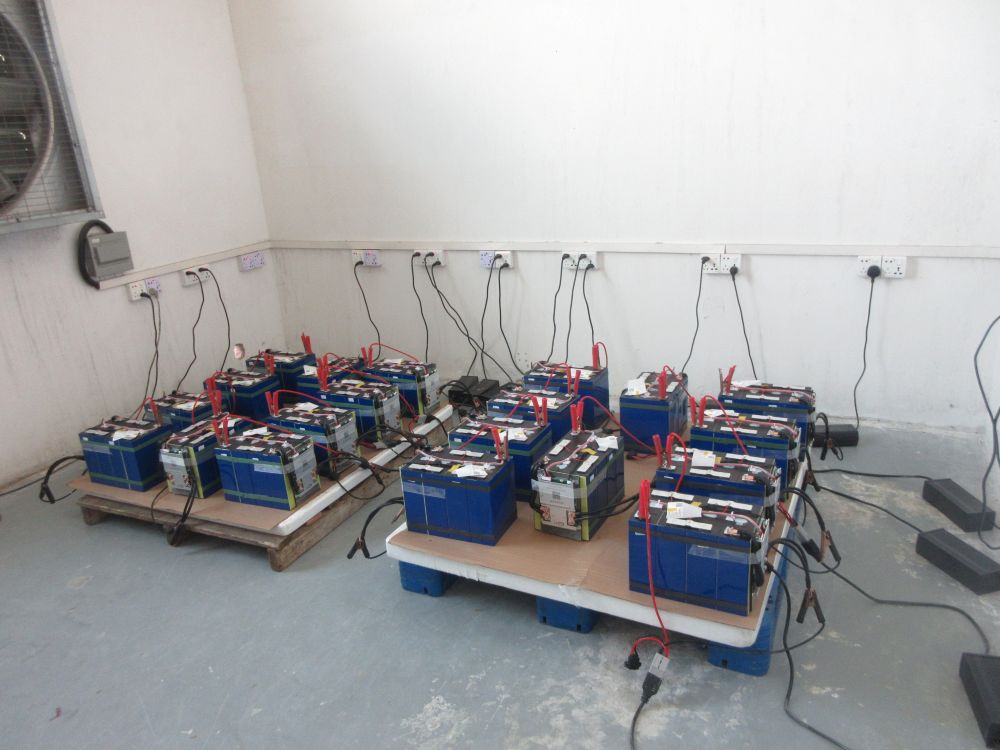 Charging
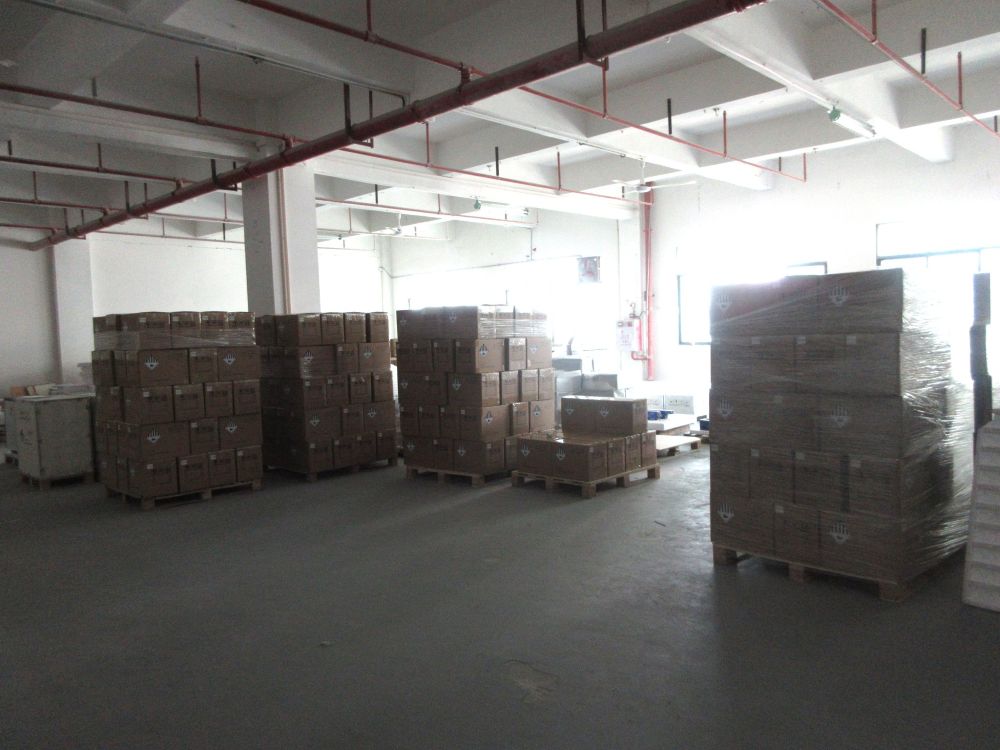 Storage
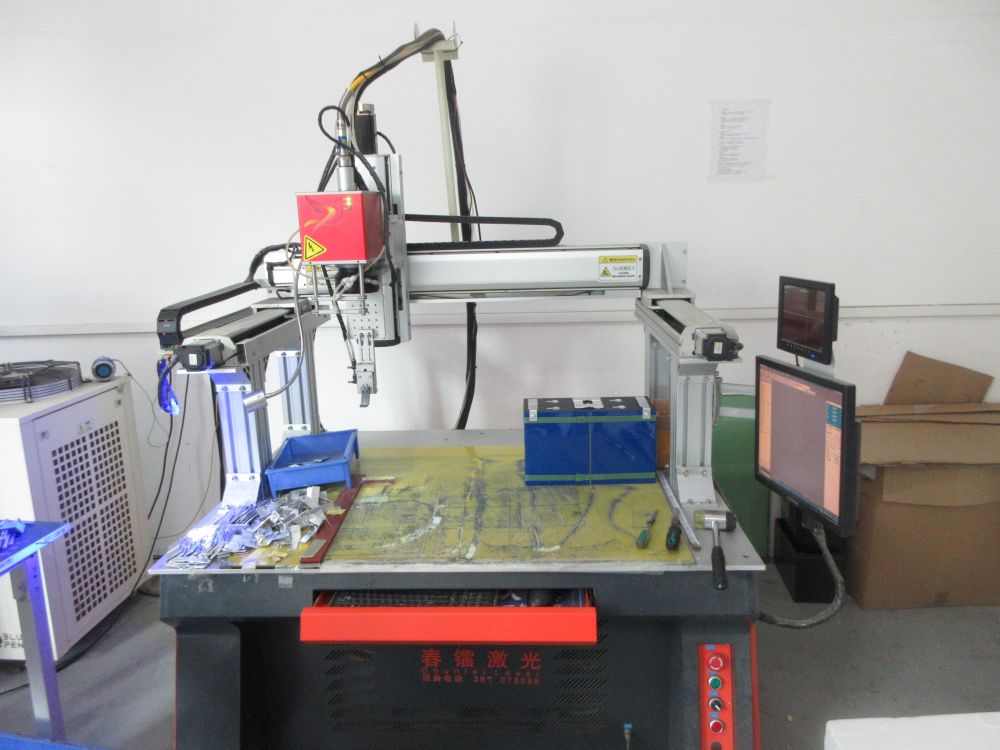 Laser Spot Welding Machine
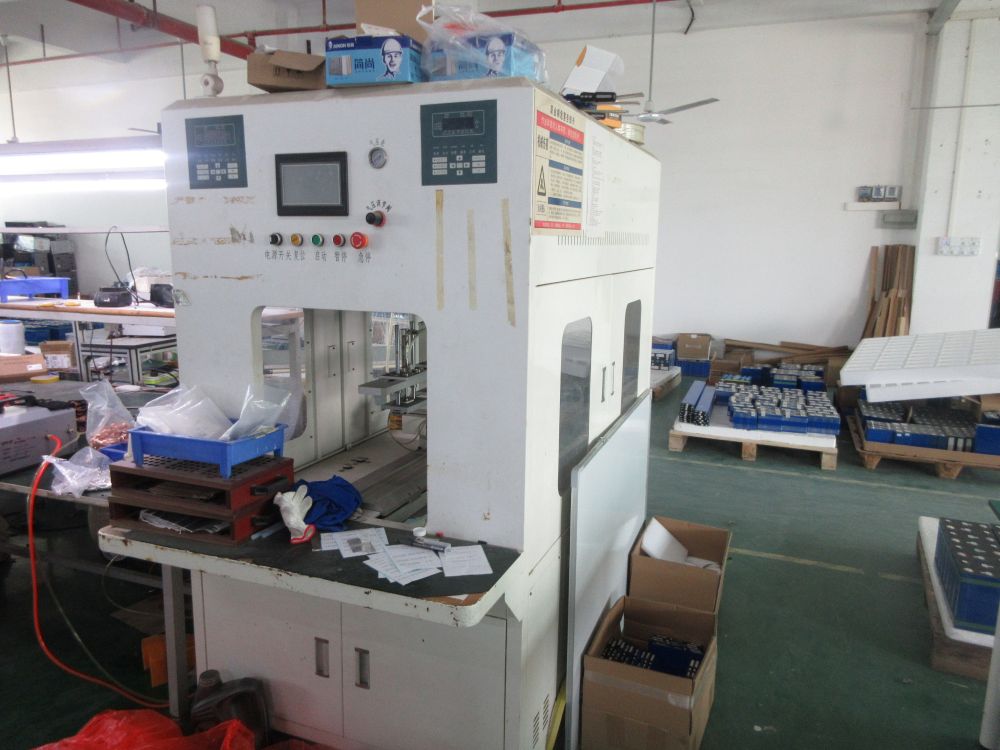 Spot Welding Machine
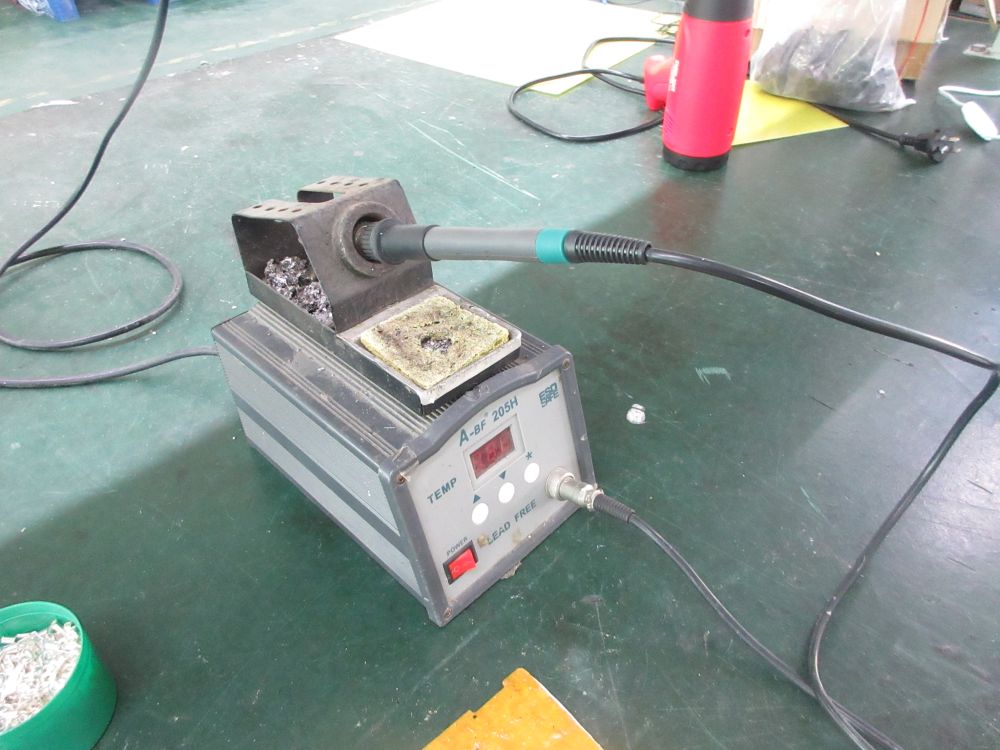 Electric Soldering Iron
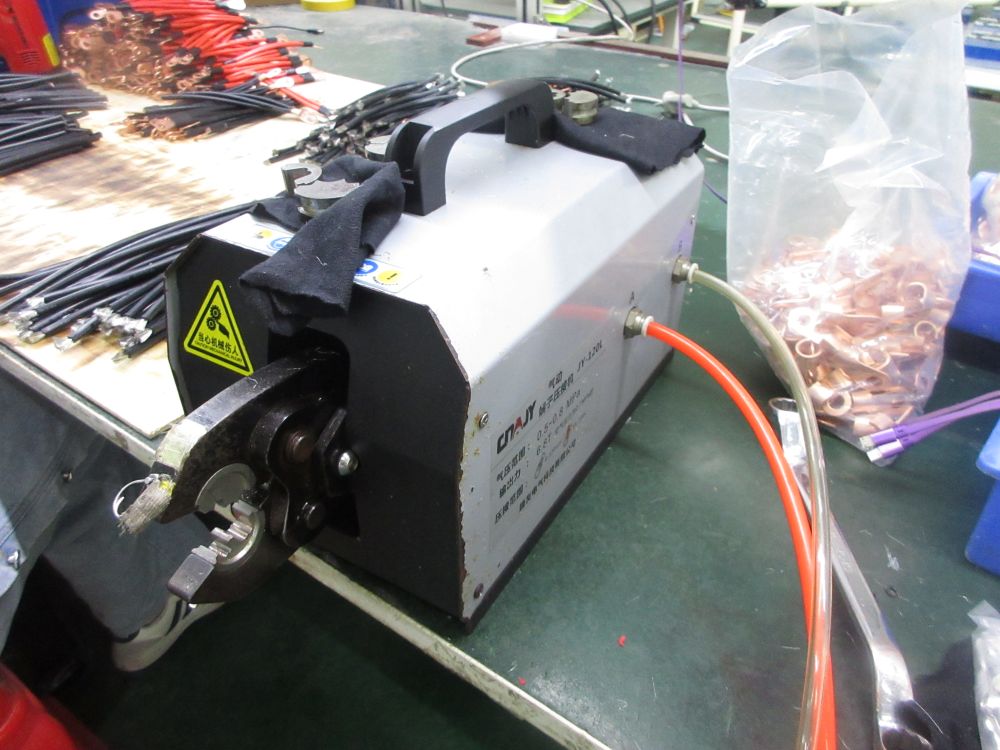 Terminal Crimping Machine
Exporting verified reliability through engineering compliance, international certificates, and flexible trade support.
Deploying energy storage hardware globally demands absolute adherence to target-market legal frameworks and safety certifications. Our entire energy storage equipment line holds valid CE Certifications, alongside critical compliance standards like EN 62619, IEC 62109, and UN38.3. This ensures smooth customs clearance, fast local grid connections, and seamless underwriting by global project insurers.
Additionally, our structural enclosures are built to defend internal cells against hostile environments. With IP54, IP65, and IP67 ratings, our battery cabinets and containerized solutions are protected against high-pressure water jets, dust ingress, and humidity. They perform reliably in diverse conditions, from the heavy monsoon regions of Southeast Asia to high-salinity marine coastal environments and high-heat Middle Eastern solar fields.
To support global developers, Hudd Energy leverages partnerships with premier international banks to offer tailored commercial credit and trade financing options. From initial CAD/3D modeling and load profile assessments to ocean logistics and local commissioning coordination, our engineering and logistical frameworks secure your projects from blueprint to grid activation.
Engineered for high reliability, modular scalability, and deep cycle stability.
Technical advice and regulatory clarity direct from our system engineering directors.
CE certification proves that the system (including cells, BMS, and metal cabinets) conforms to the strict health, safety, and environmental protection standards of the European Economic Area (EEA). Specifically, for ESS, it covers low-voltage directives, electromagnetic compatibility (EMC), and cell safety certifications (such as IEC/EN 62619), ensuring safe operation and direct grid compatibility.
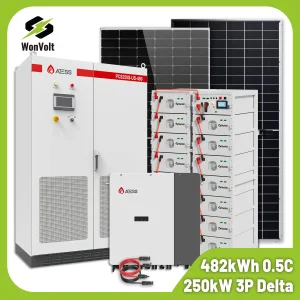
Containerized systems (such as the Sunark 500kW 1MWh or ESS 1250kW) integrate the batteries, central BMS, active HVAC thermal management, fire-suppression systems, and power conversion systems (PCS) inside a single shipping container. This plug-and-play format is ideal for utility-scale or heavy industrial projects. Modular cabinets (such as our 56kWh or 100kWh cabinets) provide greater physical flexibility, allowing smaller enterprises to expand their capacity by linking multiple cabinets parallelly as demand grows.
Our Tier-1 prismatic and 32700 LiFePO4 cells are rated for >6,000 deep discharge cycles at 80% Depth of Discharge (DoD) before capacity reduces to 80% of its original state. In typical commercial peak-shaving applications (one to two cycles per day), this converts to a operating lifespan of 12 to 15 years, backed by intelligent BMS balancing to ensure uniform degradation.
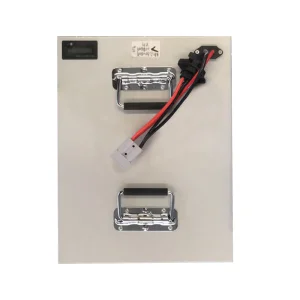
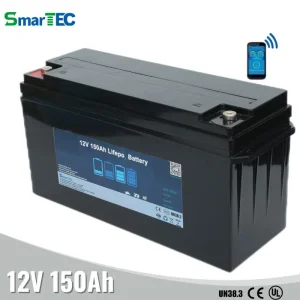
Our custom battery pack engineering team analyzes the precise voltage, amp-hour capacity, peak discharge current, dimension constraints, and communication protocols (CAN/RS485/Modbus) required by the target equipment. Using high-precision laser spot welding and structural wire terminal machines, we build tailored arrays in IP67-rated metal housings configured with customized software profiles for safe operation.
Our Intelligent EMS Telemetry Software connects to existing industrial energy meters and SCADA hardware via Modbus TCP/RTU or IoT gateway connections. Once connected, the EMS maps energy flows in real-time, displaying parameters through a remote monitoring dashboard. The system can execute automatic peak-shaving, load-shifting, and demand-response protocols based on local utility tariffs.
 Hudd Energy