Engineered for high-traffic environments, eco-tourism projects, and smart municipalities.
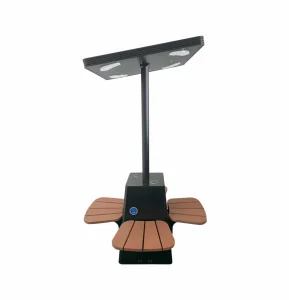
Configured with high-durability LiFePO4 battery storage, optimized for reliable continuous cycle performance in the humid climate of Panama City.
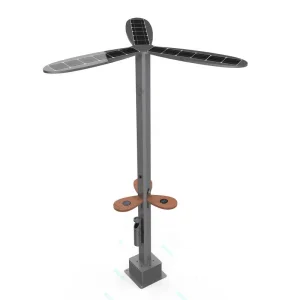
High-output multi-port charging kiosk suitable for transit hubs, maritime terminals, and outdoor corporate parks in Colón.
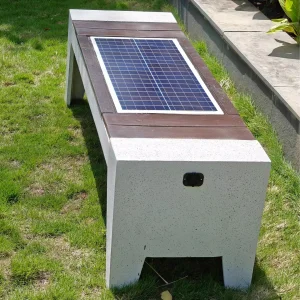
Corrosion-resistant fiberglass structure perfect for beachfront promenade walks along the Cinta Costera.
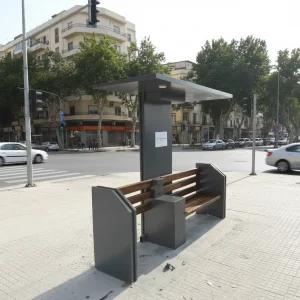
Anodized aluminum alloy structure featuring heavy tropical weather resistance for resorts in Bocas del Toro.
Panama's strategic role as the logistical crossroads of the Americas, paired with its National Energy Transition Strategy, has generated an unprecedented demand for resilient, decentralised solar energy infrastructure. With solar irradiance levels averaging between 4.8 and 5.5 kWh/m²/day across the dry and wet seasons, the tropical landscape provides the ultimate opportunity for off-grid public charging infrastructure.
However, Panama's unique tropical marine environment presents demanding technical challenges. With relative humidity regularly peaking at 90%, high salt spray concentrations along the canal coast, and severe precipitation during the rainy season, generic commercial-grade outdoor electronic kiosks often suffer rapid system degradation. This has forced municipalities, telecom firms, and developers to shift away from standard consumer setups towards highly specialized, C5-M marine-grade corrosion-protected and IP65/IP66 ingress-certified public solar charging kiosks.
Guangdong Hudd Energy Co., Ltd. customizes its smart public solar charging kiosks specifically to survive these extreme conditions. By utilizing advanced structural steel alloys finished with thermosetting powder coatings and encapsulating electronic components in IP65 enclosures, we guarantee a lifespan that exceeds traditional alternatives. This resilience facilitates smooth installations at major logistics hubs, urban parks, and remote coastal eco-resorts alike.
Deploying solar charging kiosks in Panama requires an understanding of localized micro-climates and usage profiles. Our design philosophy accounts for these operational realities through four distinct setups:
Heavy pedestrian zones like the Panama Metro stations (Line 1 & 2) and Tocumen International Airport require continuous charging availability. Our kiosks feature integrated LCD advertising screens alongside dual-band Wi-Fi nodes, creating a reliable public utility that offsets deployment costs via digital-out-of-home (DOOH) advertising revenue.
Along the Cinta Costera, Amador Causeway, and major ports like Cristóbal and Balboa, salty humid air accelerates rust. We construct these models using SUS316 stainless steel or marine-grade anodized aluminum, ensuring durability and performance against coastal salt spray.
For conservation regions such as Bocas del Toro, Coiba National Park, and Valle de Antón, our off-grid solar benches provide USB and wireless charging without disrupting the local ecology. These models feature timber-textured composite fiberglass profiles that blend cleanly into natural surroundings.
Our engineering matrix is dedicated to resolving the real-world operational challenges of solar charging hardware in tropical climates. A key issue is high temperature battery degradation, which we address through active thermal management and premium battery chemistry.
We replace standard lithium polymer cells with industrial-grade Lithium Iron Phosphate (LiFePO4) batteries. These offer superior safety, a thermal runaway threshold of 60°C, and more than 6,000 charge cycles at 80% Depth of Discharge (DoD).
Our solar kiosks utilize high-frequency Maximum Power Point Tracking (MPPT) controllers with a conversion efficiency of 99.2%. This design maximizes solar energy collection even during overcast conditions typical of Panama's rainy season.
Equipped with 4G/LTE-M gateway modules, local administrators can monitor battery state-of-charge, tracking load status and ports in real time via a web-based dashboard compatible with local network providers.
Designed to support smart vending, micro-rentals, and mobile payments. The system integrates NFC and QR-code gateways to support commercial operations at scale.
Explore our complete commercial line, developed for flexible deployment, off-grid safety, and high-performance metrics.
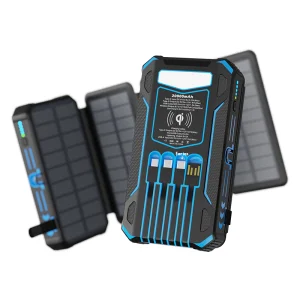
Equipped with high-density cells, built-in multi-standard cables, and rapid charging power delivery.
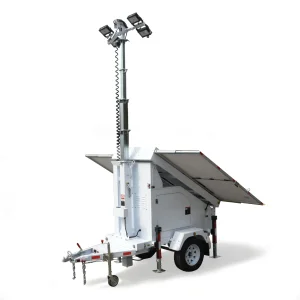
Industrial-grade mobile hydraulic lighting mast, engineered for reliable port terminal and construction operations.
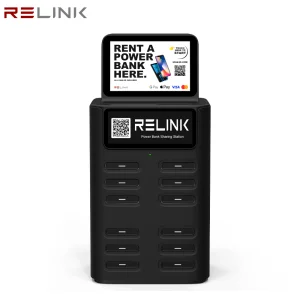
Commercial kiosk featuring a smart QR checkout system, ideal for installation at high-traffic metropolitan centers.
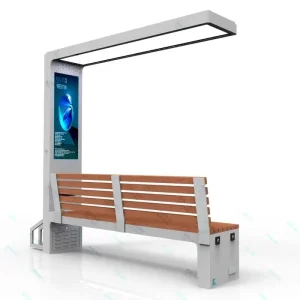
A sturdy steel smart bench fitted with wireless charging pads and clean hotspot integration for outdoor parks.
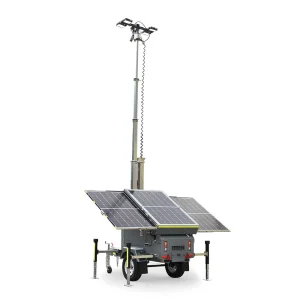
Featuring high-efficiency LED matrices and a heavy-duty winch tower for worksites in coastal areas.
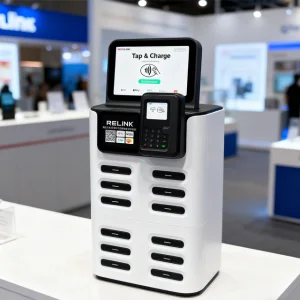
Fully integrated mobile pay-to-charge station designed for retail malls, cafes, and hospitality businesses.
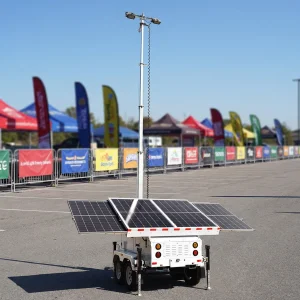
A rugged, weather-sealed mobile trailer solution suitable for harsh environments like offshore terminals.
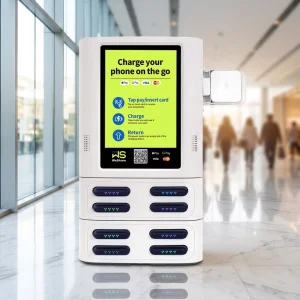
High-performance vending configuration with scalable slot capacity to fit urban infrastructure layouts.
Guangdong Hudd Energy Co., Ltd. is a leading manufacturer of renewable energy systems, battery storage, and integrated solar-charging infrastructure. Backed by Guangdong's robust electronics manufacturing cluster, our facilities guarantee end-to-end quality control, from sheet metal fabrication to testing of advanced battery management systems (BMS).
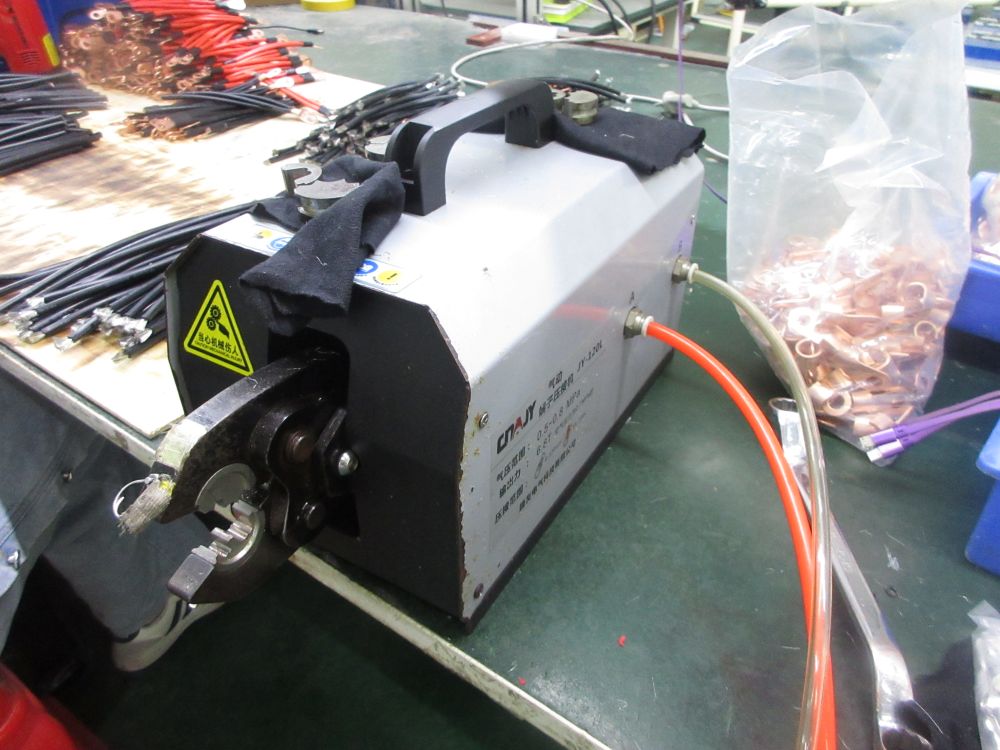
Our factory processes are structured around precision automation. Utilizing automatic wire processing, laser welding, and automated charge/discharge test cycles, we deliver stable and reliable equipment designed to withstand challenging environments globally.
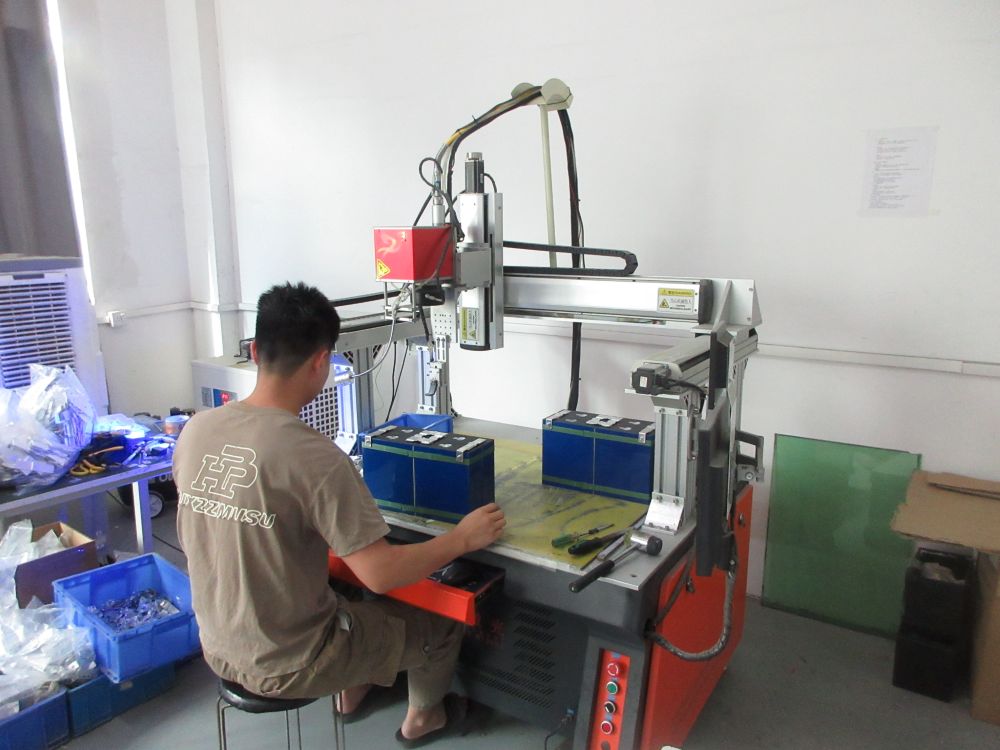
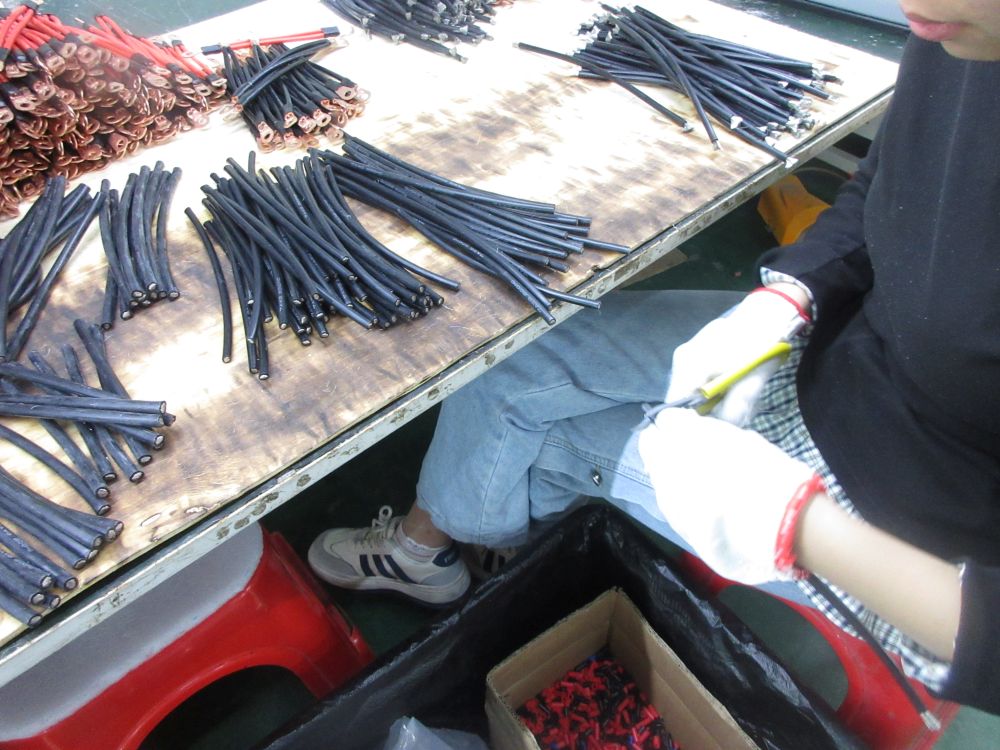
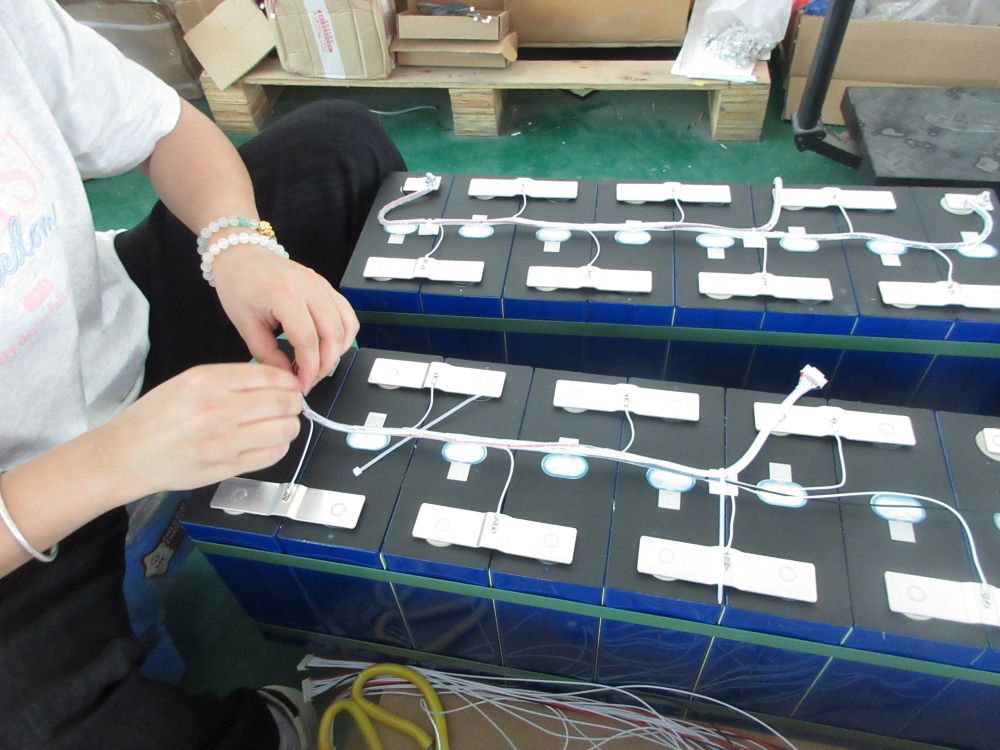
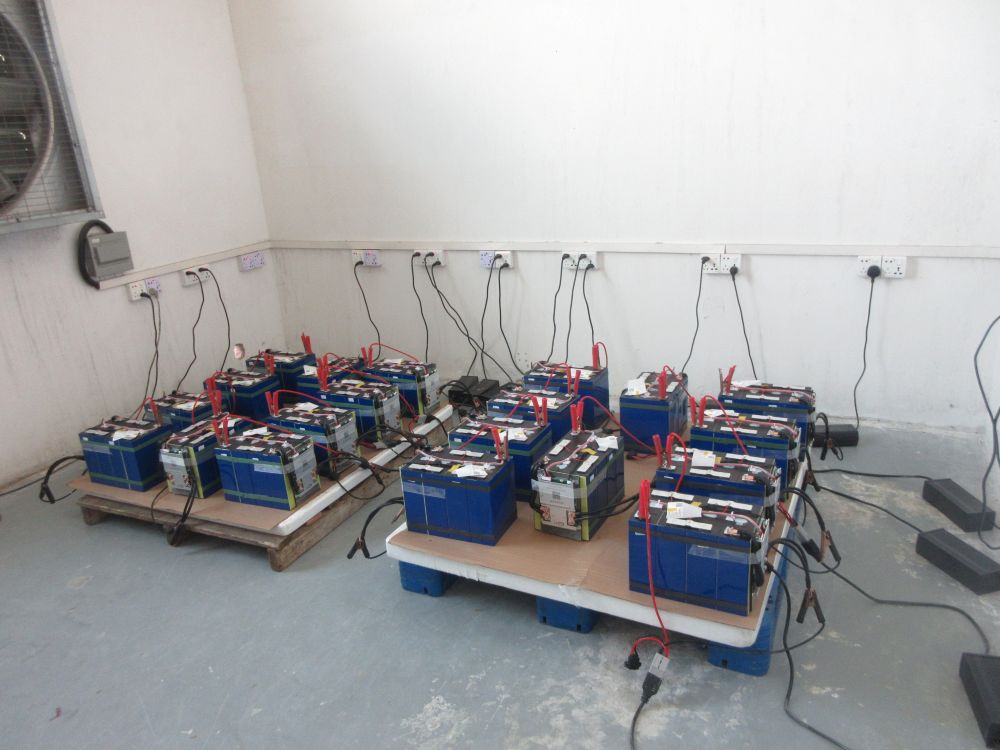
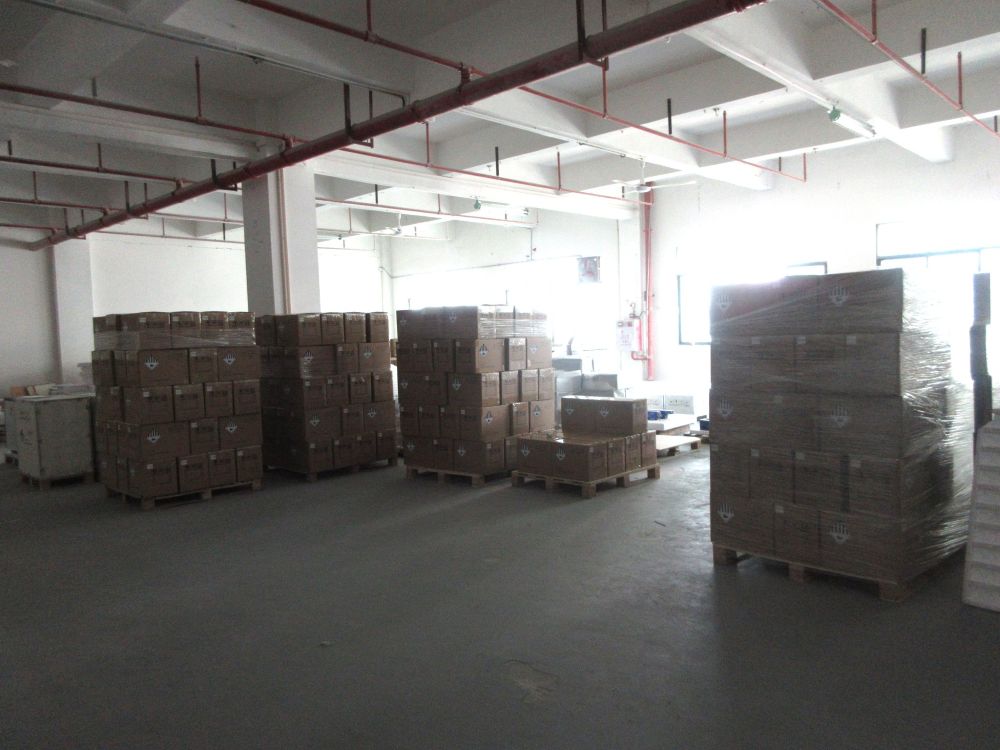
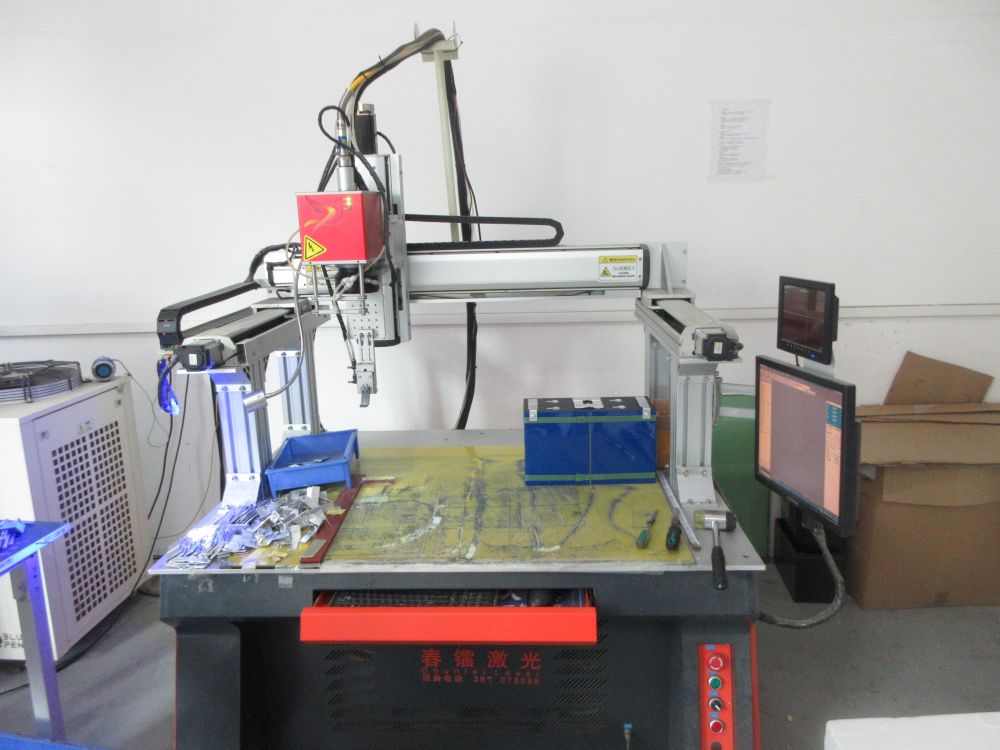
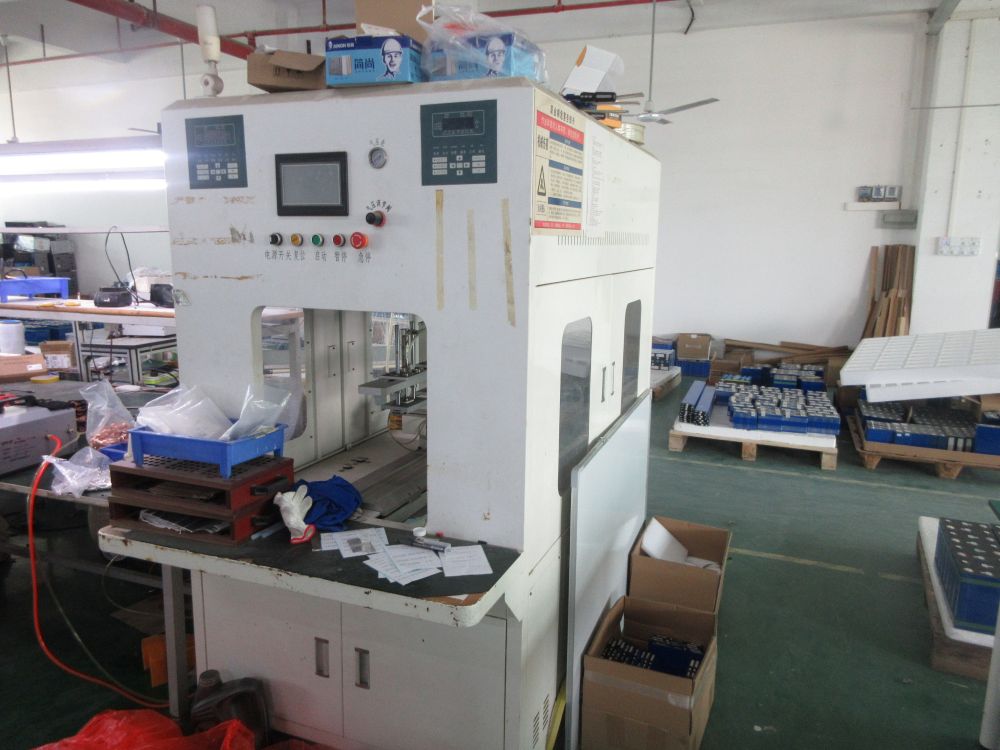
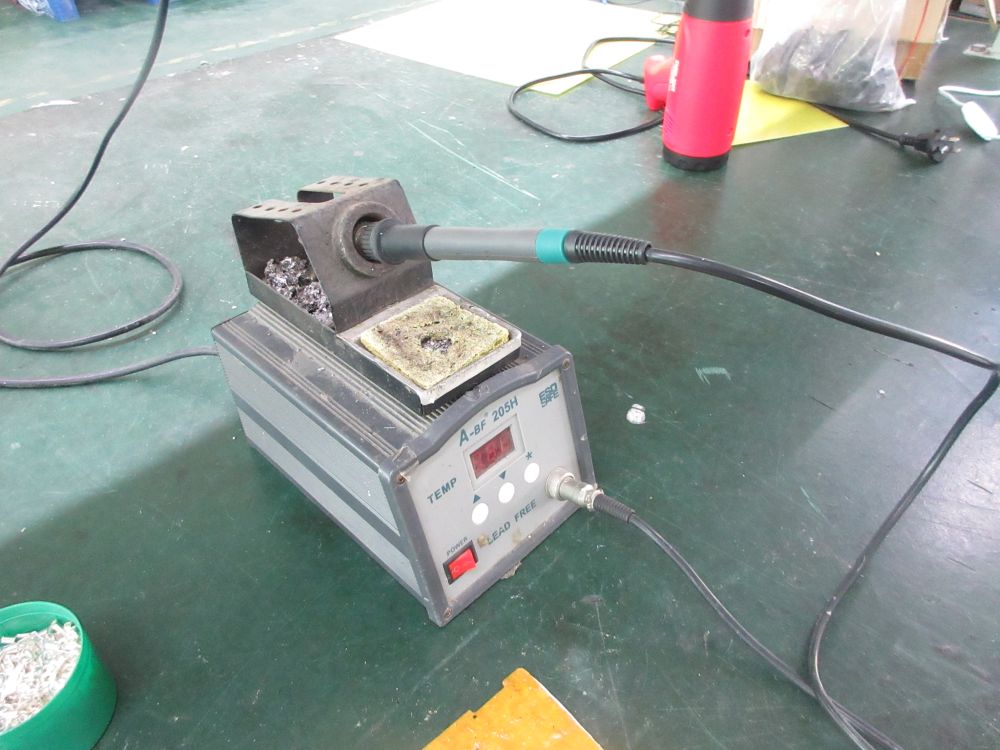
Hudd Energy provides comprehensive integration services tailored to individual project specs. Our support spans solution design, hardware configuration, local site planning, logistics coordination, and commissioning. Partnering with major international shipping lines ensures efficient logistics routing from Shenzhen Port straight to Balboa or Colón Ports in Panama.
Exporting to international markets requires strict compliance with regional standards. Our products meet global quality benchmarks, including CE, FCC, RoHS, and UL certification frameworks. For the Panamanian market, our systems are optimized to comply with ASEP (Autoridad Nacional de los Servicios Públicos) regulations, enabling seamless grid integration when hybrid power configurations are required.
Hudd Energy maintains dynamic global partnerships across Southeast Asia, the Middle East, South America, and Europe. This network supports our delivery of robust systems and reliable logistics support worldwide, enabling regional municipal agencies to deploy green public infrastructure with confidence.
We work in collaboration with leading banking partners to provide flexible transaction options, including Letters of Credit (L/C), ensuring secure international trade execution.
Leveraging China Export & Credit Insurance Corporation (Sinosure) allows us to offer structured payment terms for qualified developers and public entities.
Our products include a comprehensive warranty program backed by technical support and ready access to replacement parts to minimize downtime.
Find answers to key technical, logistical, and design questions regarding public solar kiosk deployment in Panama.
A: We utilize hot-dip galvanized structural frames and SUS316 stainless steel fasteners, coupled with a multi-layer thermosetting polyester powder coating. This protective layer meets C5-M marine anti-corrosion standards, shielding internal electronics from high humidity and salt spray along coastal areas.
A: We use high-capacity Lithium Iron Phosphate (LiFePO4) battery packs. Unlike standard lithium polymer cells, LiFePO4 chemistry remains stable under high ambient temperatures (up to 60°C thermal runaway threshold) and offers over 6,000 charge cycles, providing reliable performance in tropical climates.
A: Yes. Our systems are engineered with a 3-to-5 day battery autonomy buffer, determined by your specific setup. Paired with high-efficiency MPPT charge controllers, the kiosks continue to gather energy under low-light conditions to ensure uninterrupted power delivery.
A: Our systems come equipped with cellular network modules (4G LTE, fallback to 3G/2G) that connect with local telecommunication providers like Tigo and Más Móvil. They also support Ethernet and Wi-Fi networks for remote telemetry, system health monitoring, and ad display updates.
A: Yes, our smart kiosks can be customized with QR code payment interfaces, NFC POS readers, and API access to integrate with local digital wallets, mobile apps, or municipal transit cards.
A: Standard manufacturing lead times are 30 to 45 days, depending on customization details. Sea transit from Shenzhen Port to the Port of Balboa or Port of Cristóbal typically takes 25 to 35 days, bringing total delivery time to approximately 60 to 80 days.
Get in touch with our engineering team for customized specifications, detailed CAD drawings, and volume wholesale pricing designed for your municipality or commercial project.
Send Inquiry Now Hudd Energy