High-efficiency utility, C&I, and residential-grade energy architectures integrated for maximum yield and longevity.
Analysis of international industrial transformations and the crucial shift toward multi-source localized infrastructure.
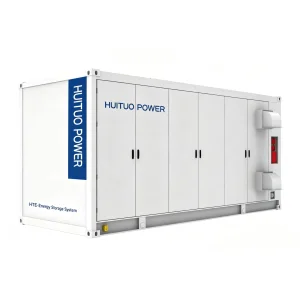
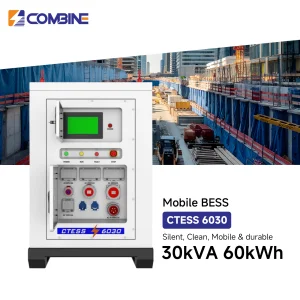
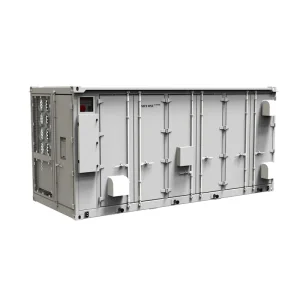
Decentralized energy distribution requires containerized battery storage solutions that stabilize frequency grids. Integrated systems act as primary support mechanisms to capture excess photovoltaic output and distribute it during peak loads.
Global manufacturing facilities, public infrastructure hubs, and remote mining sites are deploying microgrids. Integrating hybrid solar arrays with backup diesel generator synchronization ensures uninterrupted operation during grid outages.
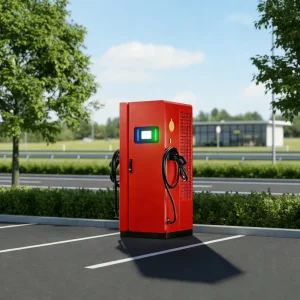
Solar-Storage-Charging stations (DC Fast EV Charging powered by onsite solar and lithium buffers) are emerging as the ultimate solution to alleviate grid strain from rapid transport electrification.
Tracking developments in lithium chemistry, system integration, thermal control, and smart monitoring software.
Transitioning from traditional forced-air ventilation to Liquid Cooling LiFePO4 Containerized Systems. Liquid-cooled tech stabilizes temperature variance within 3°C, extending battery lifespans by up to 20% and reducing internal fire hazards.
Next-generation systems use real-time BMS data pipelines linked to cloud-based prediction engines. Algorithms forecast regional solar output, optimize battery charge cycles, and coordinate battery discharge sequences automatically.
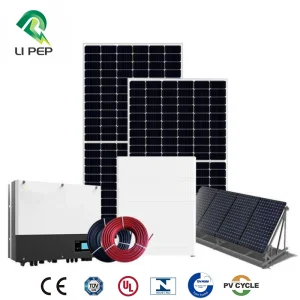
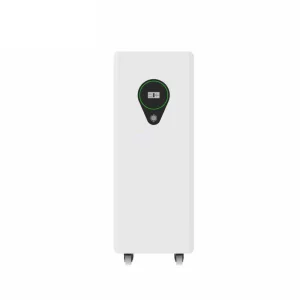
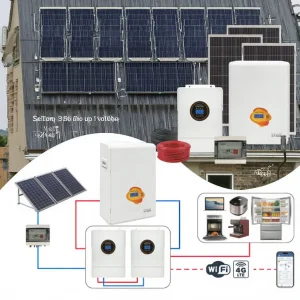
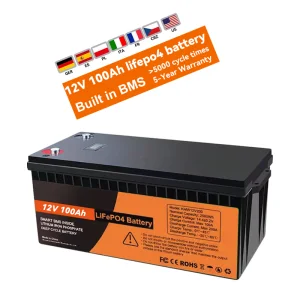
For residential and C&I spaces, modular, plug-and-play stacking decreases installation and maintenance costs. Systems can scale from 5kWh residential modules to multi-megawatt configurations with zero configuration changes.
Engineered configurations addressing specific economic, structural, and geographic energy challenges.
Characterized by unstable diesel generator dependencies and fragile grids. Containerized, wind-solar-diesel hybrid systems allow remote communities and marine terminals to transition away from expensive diesel, reducing operational costs by over 40%.
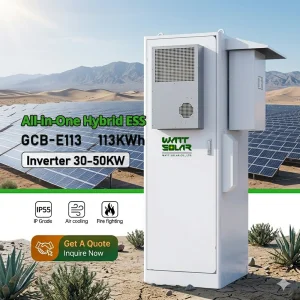
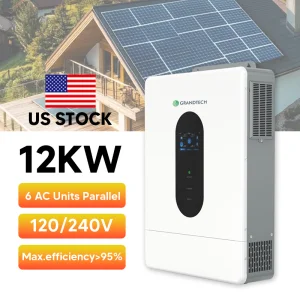
Focusing on strict regulatory compliance (UL Certifications) and peak shaving mechanisms. Utilizing high-capacity split-phase hybrid inverters paired with stackable battery enclosures, businesses insulate themselves against surging commercial utility tariffs.
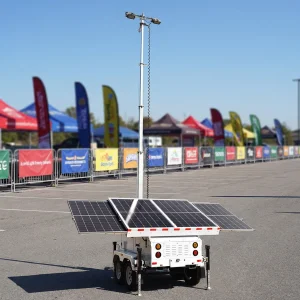
Environments with high solar irradiance require dust-proof thermal isolation systems. Portable LED light towers, mobile emergency trailers, and containerized BESS setups are optimized to operate at up to 50°C ambient temperatures without thermal throttle.
Guangdong Hudd Energy Co., Ltd. is a professional provider of renewable energy products, energy storage solutions, and integrated smart energy systems. The company specializes in the development, supply, and integration of advanced energy storage systems (ESS), solar power solutions, EV charging infrastructure, and integrated solar-storage-charging stations, delivering efficient, reliable, and sustainable energy solutions to customers worldwide.
Beyond supplying individual products, Hudd Energy offers comprehensive system integration services tailored to diverse project requirements. Leveraging extensive industry expertise, the company provides end-to-end support covering solution design, equipment selection, system integration, project management, commissioning, and after-sales services. This enables customers to implement optimized energy solutions with enhanced efficiency, performance, and long-term reliability.
Hudd Energy's product portfolio serves a wide range of applications, including residential, commercial, industrial, utility-scale energy storage projects, electric vehicle charging networks, and distributed renewable energy systems. The company is committed to helping customers reduce energy costs, improve energy independence, and achieve their sustainability goals.
Over the years, Guangdong Hudd Energy has successfully expanded its presence in international markets, particularly in Southeast Asia, South America, the Middle East, and Africa, earning the trust and recognition of clients through reliable products, professional services, and long-term partnerships. Looking ahead, Guangdong Hudd Energy Co., Ltd. will continue to drive innovation in clean energy technologies, strengthen its global market presence, and contribute to the worldwide transition toward a greener, smarter, and more sustainable energy future.
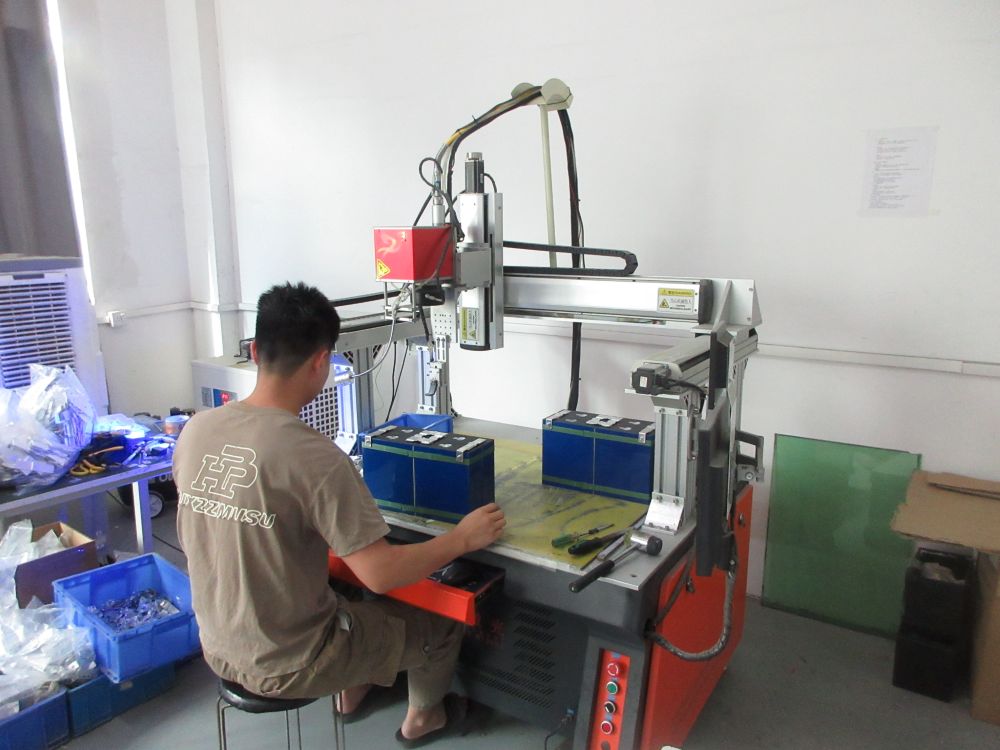
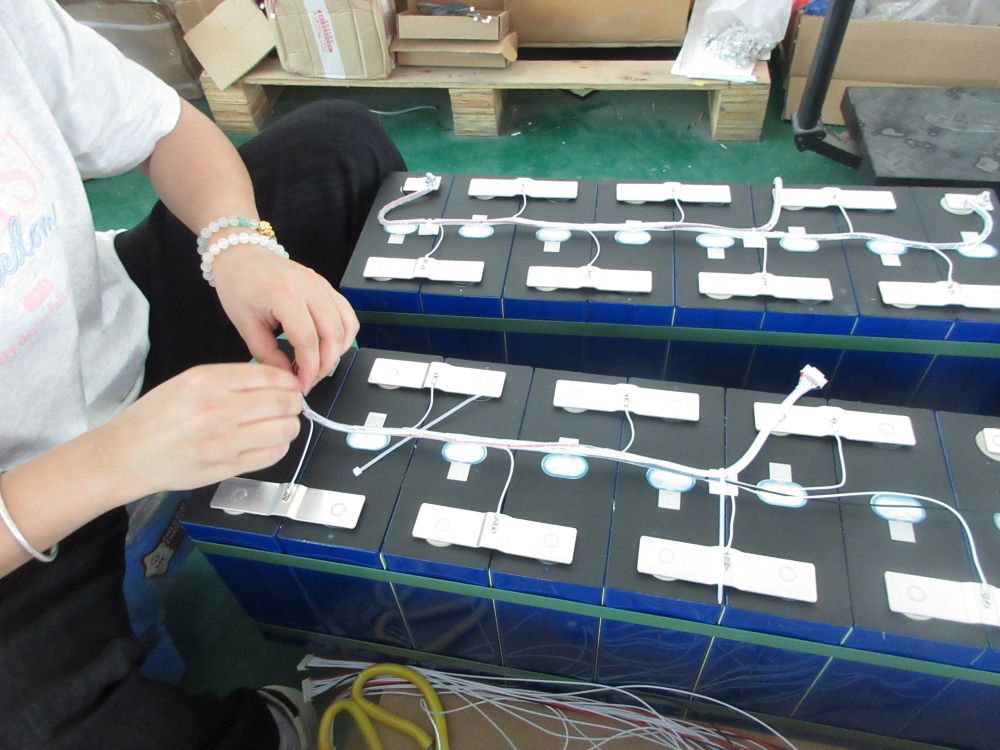
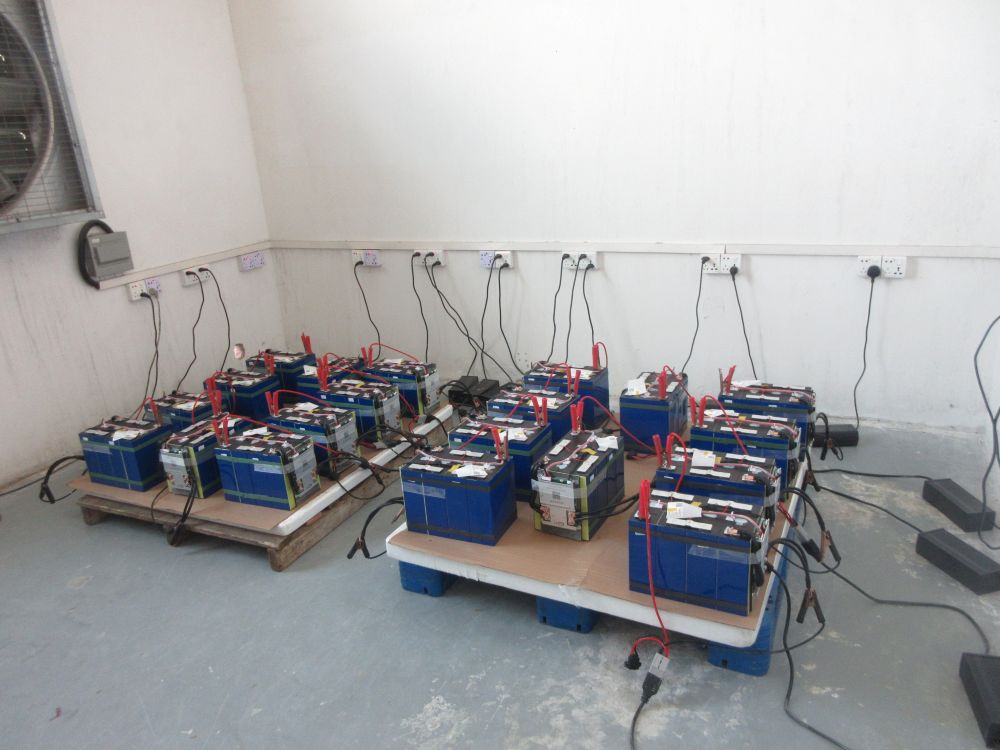
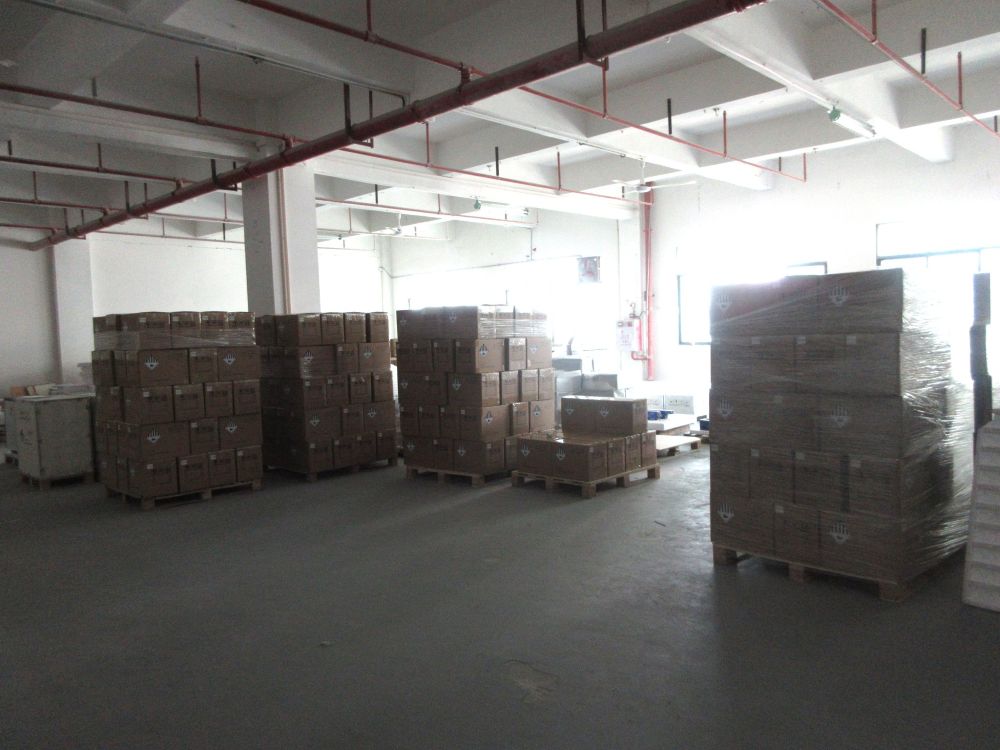
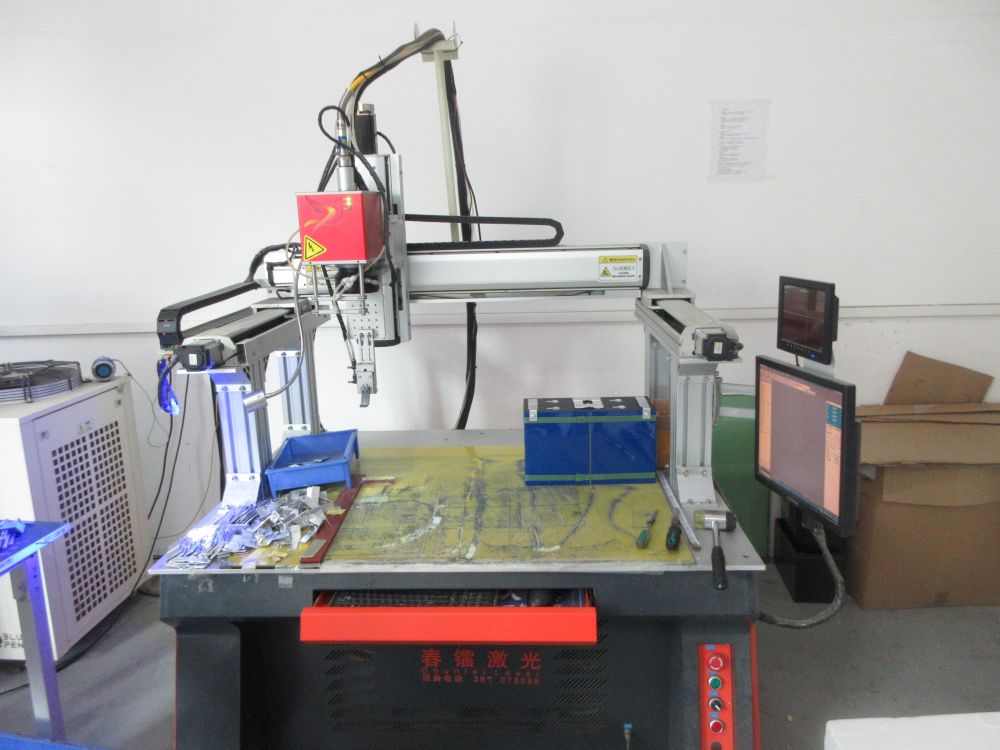
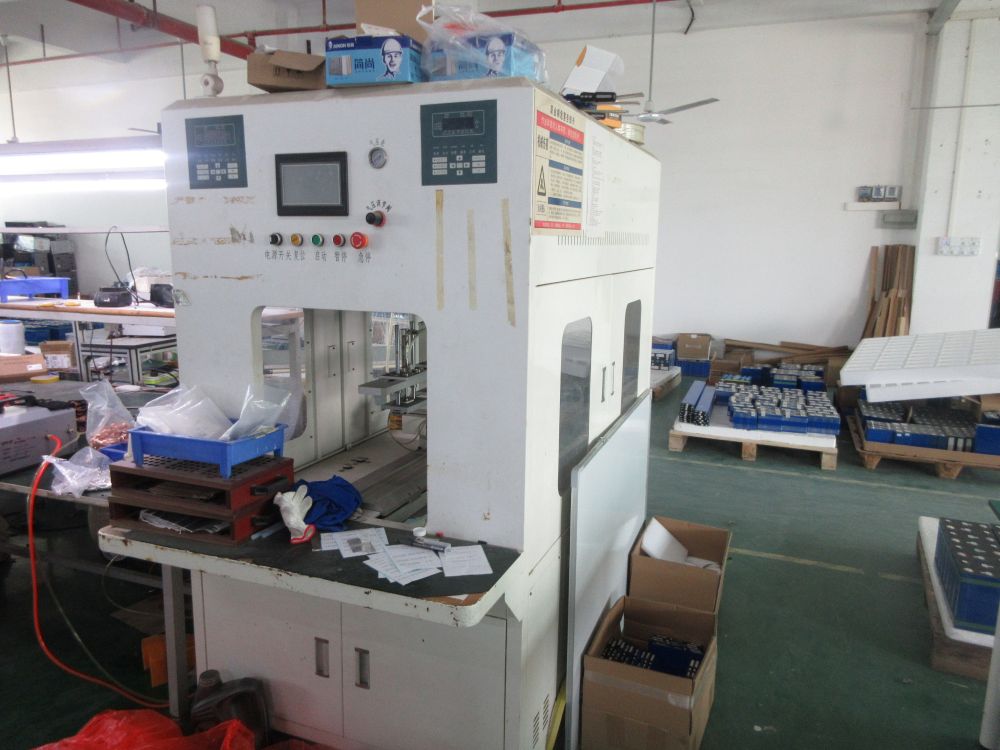
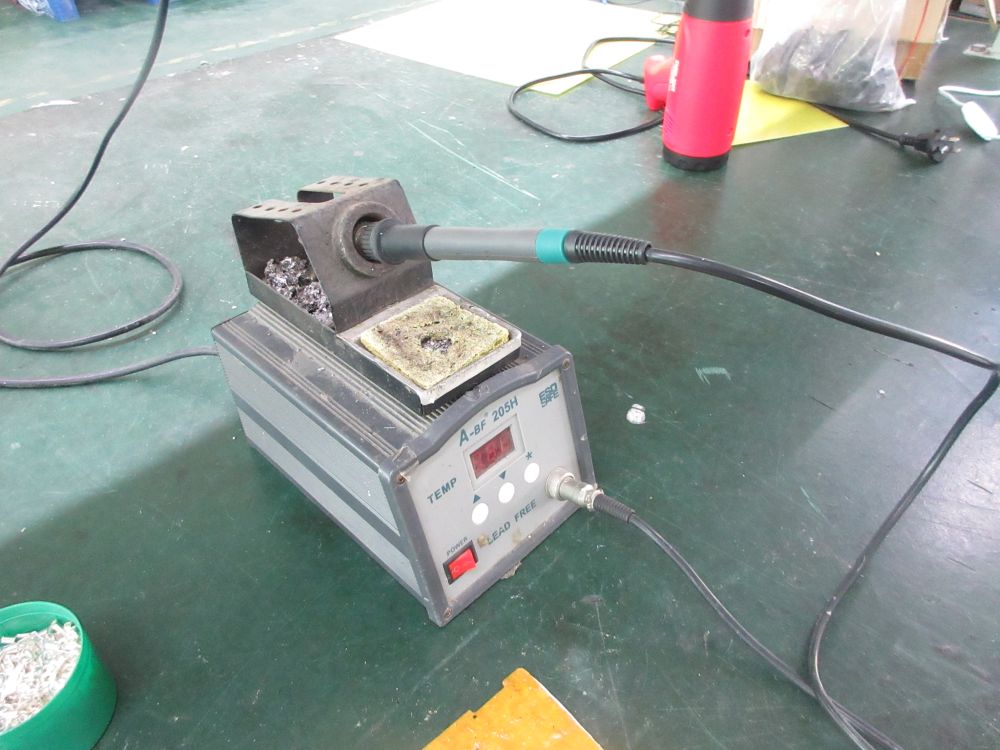
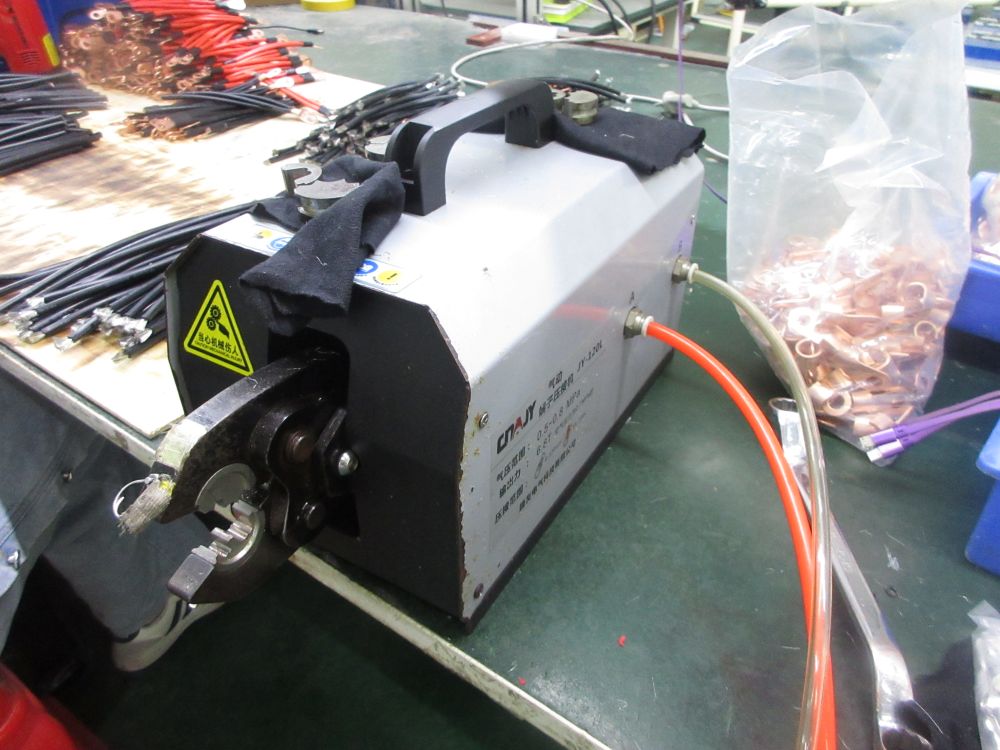
Inside Hudd Energy's modern production facilities, illustrating precision manufacturing and standard assembly flows.

Technical clarifications concerning modern BESS integrations, multi-source setups, and safety certifications.
Liquid cooling provides superior thermal uniformity across battery modules. It limits temperature differentials inside the enclosure to less than 3°C, compared to 5–8°C for traditional air-cooled modules. Keeping temperatures consistent prevents localized cell aging, maximizes cycle life, and reduces thermal runaway risk, boosting overall round-trip efficiency (RTE).
A central Smart Energy Management System (EMS) coordinates energy distribution across these inputs. The system prioritizes clean energy production (solar and wind) and directs excess energy to charge the batteries. If renewable input drops, the system discharges the batteries. If grid rates are high or power outages occur, the EMS automatically starts auxiliary generators to maintain a stable, uninterrupted power supply.
Marine environments require enclosures with robust anti-corrosion features (minimum C5-M grade coating), IP65/IP54 water and dust ingress protection, and anti-vibration structural frames. Standard marine storage systems use specialty enclosures that resist saline environments to protect internal BMS and electronics from salt spray damage.
Ultra-fast DC EV charging (80kW–180kW) creates sharp load spikes on municipal grids. By integrating localized solar arrays and lithium battery storage, the system buffers these charging peaks. Instead of drawing power directly from the grid during high-demand periods, the system discharges stored energy, lowering demand charges and preventing grid instability.
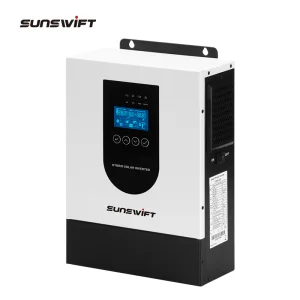
Industrial-grade components, container systems, marine enclosures, and high-efficiency hybrid inverters.
 Hudd Energy