Explore our core tier-1 off-grid power conversion and electricity storage systems engineered for residential and commercial demands.
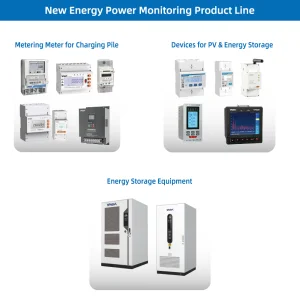
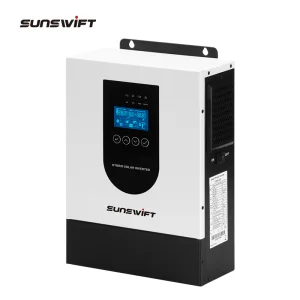
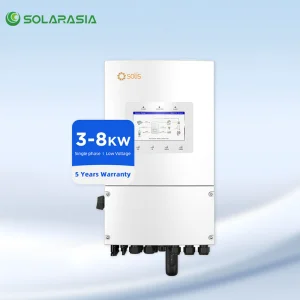
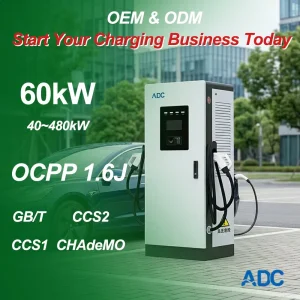
A Globally Trusted Partner for Commercial, Industrial, and Residential Renewable Microgrids
Guangdong Hudd Energy Co., Ltd. is a professional, technology-driven provider of premium renewable energy products, utility-scale energy storage systems (BESS), and integrated smart microgrid systems. The company specializes in the end-to-end design, manufacture, supply, and installation integration of advanced energy storage systems (ESS), hybrid solar power electronics, EV charging infrastructure, and customized solar-storage-charging station modules. We are dedicated to delivering highly efficient, reliable, and sustainable grid-edge energy solutions to engineering companies, distributors, utilities, and commercial clients worldwide.
Beyond supplying individual equipment models, Hudd Energy specializes in delivering comprehensive, custom-tailored system integration services. Leveraging deep expertise in lithium-ion battery chemistry, thermal management, dynamic Power Conversion Systems (PCS), and energy management software (EMS), the company provides complete support across project lifecycles—spanning solution blueprinting, components selection, system integration, mechanical and electrical engineering, project commissioning, and remote after-sales O&M services. This ensures global enterprises deploy resilient microgrids with maximized ROI and optimized performance.
With deep integration into China’s manufacturing ecosystem, Hudd Energy benefits from a highly resilient and competitive supply chain. This enables us to guarantee tier-1 components, stable delivery timelines, and cost-effective capital investments. Furthermore, we maintain long-term partnerships with leading global financial institutions and trade underwriters, offering structured trade finance support, credit facilities, and secure transaction systems to streamline major cross-border projects.
Providing custom, high-reliability system blueprints for infrastructure, telecommunications, heavy industry, and community electrification.
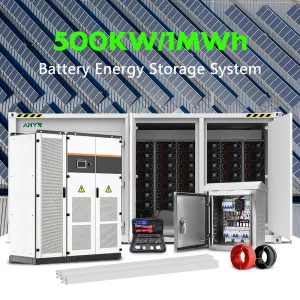
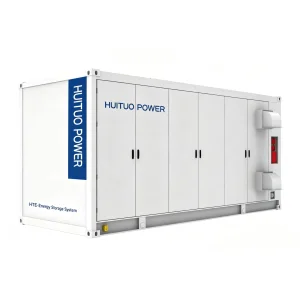
Highly integrated, containerized BESS solutions (such as our 1MWh LFP containers) designed to peak-shave and load-shift local C&I facilities. Minimize demand charges, generate revenue via grid arbitration, and secure resilient backup power for mission-critical manufacturing assets.
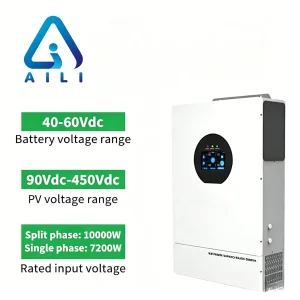
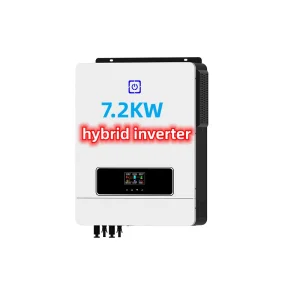
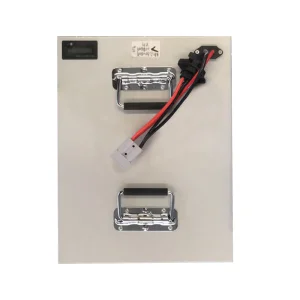
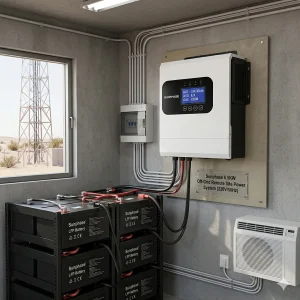
Providing low-maintenance, high-reliability solar energy storage platforms for telecom towers and remote transmission equipment. Optimized hybrid inverter platforms paired with customizable LiFePO4 packs operate flawlessly in remote regions with extreme temperatures.
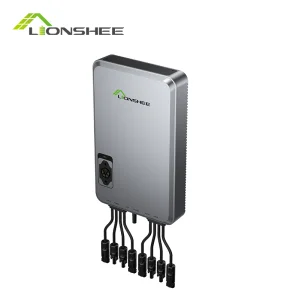
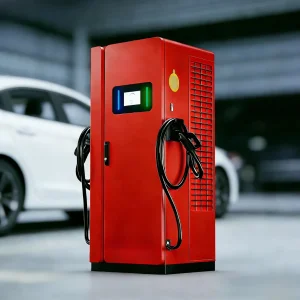
Empowering next-generation electric mobility with high-power DC fast-charging systems integrated directly with localized PV arrays and battery containers. Reduce the strain on local utilities while providing stable DC power up to 240kW to passenger and commercial EVs.
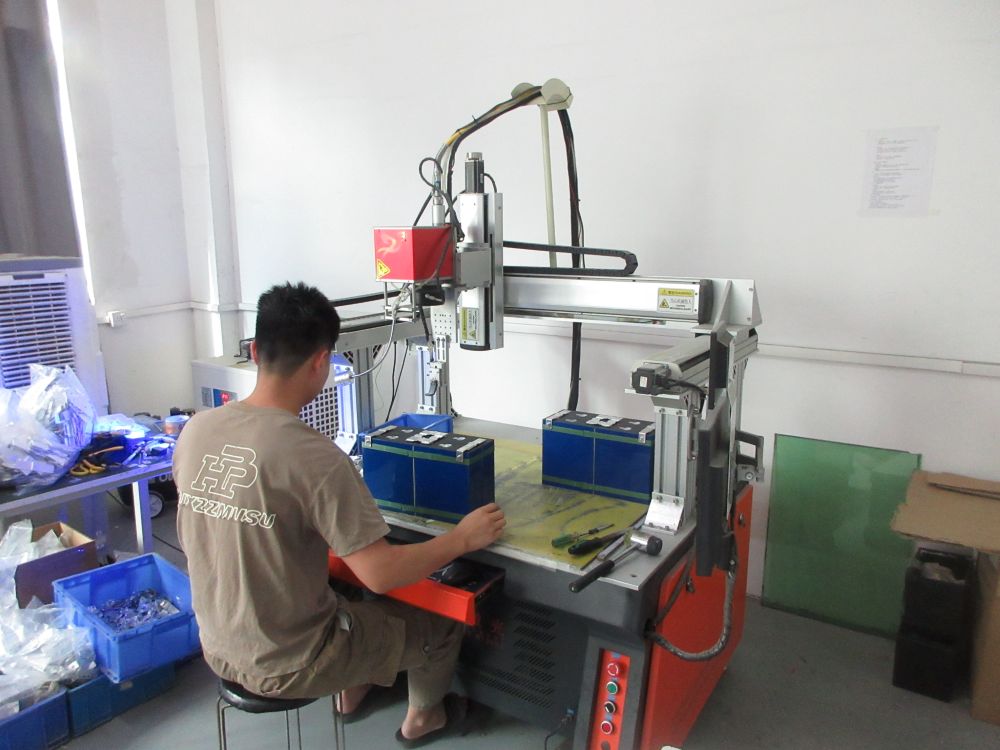
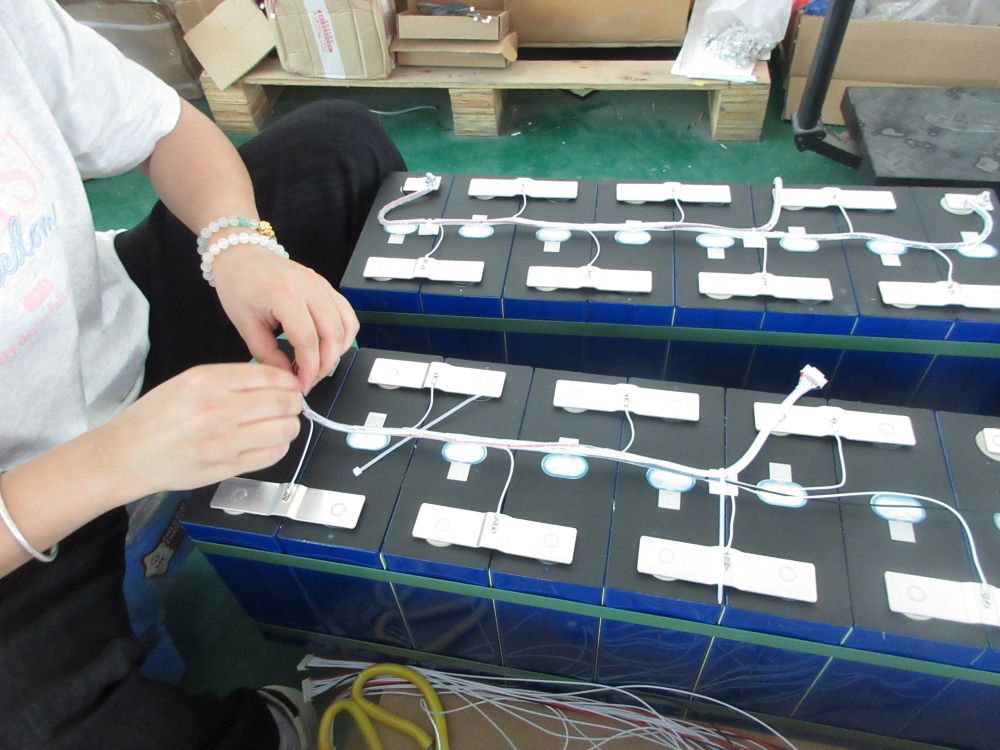
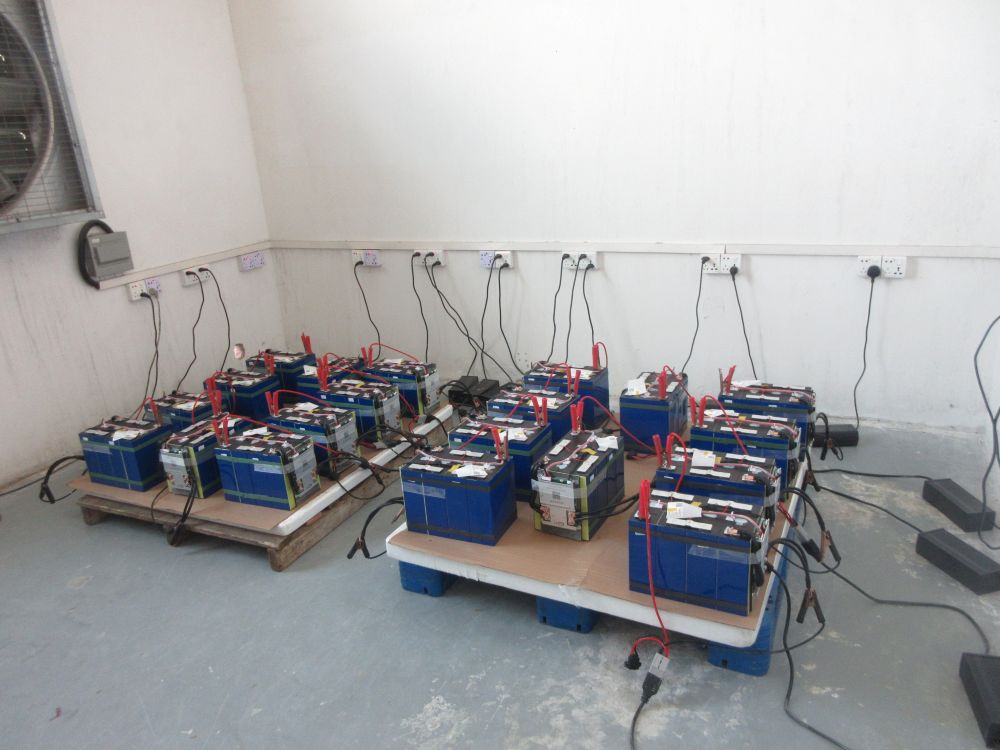
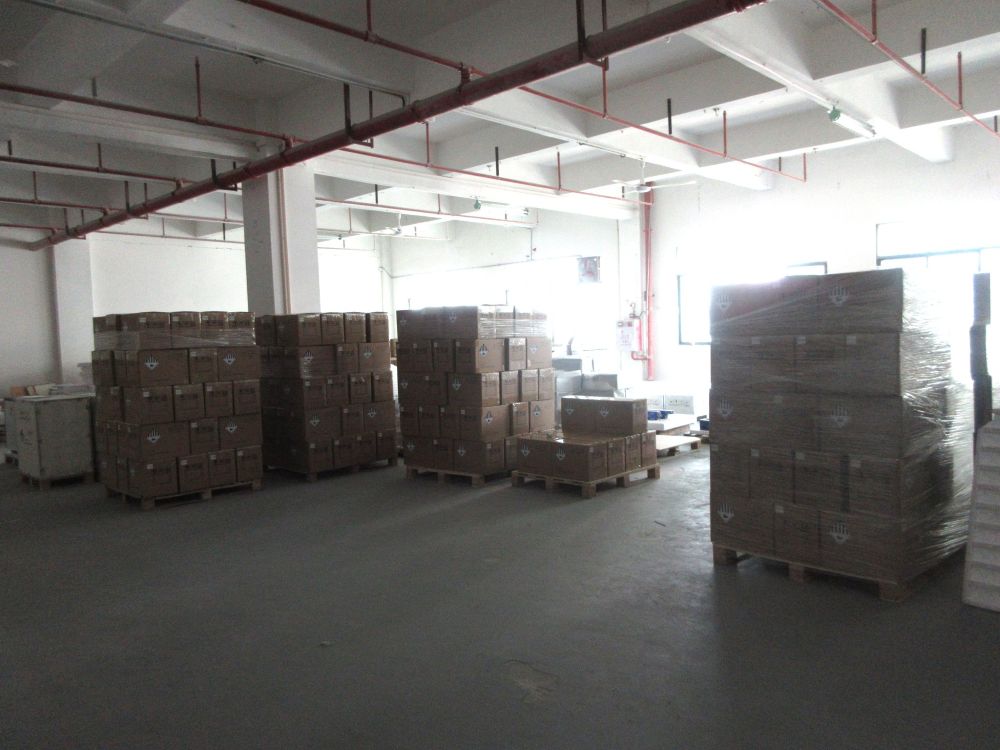
Take an inside look at our advanced manufacturing lines. Each station adheres to rigorous QA/QC guidelines to ensure every module meets international certification standards.

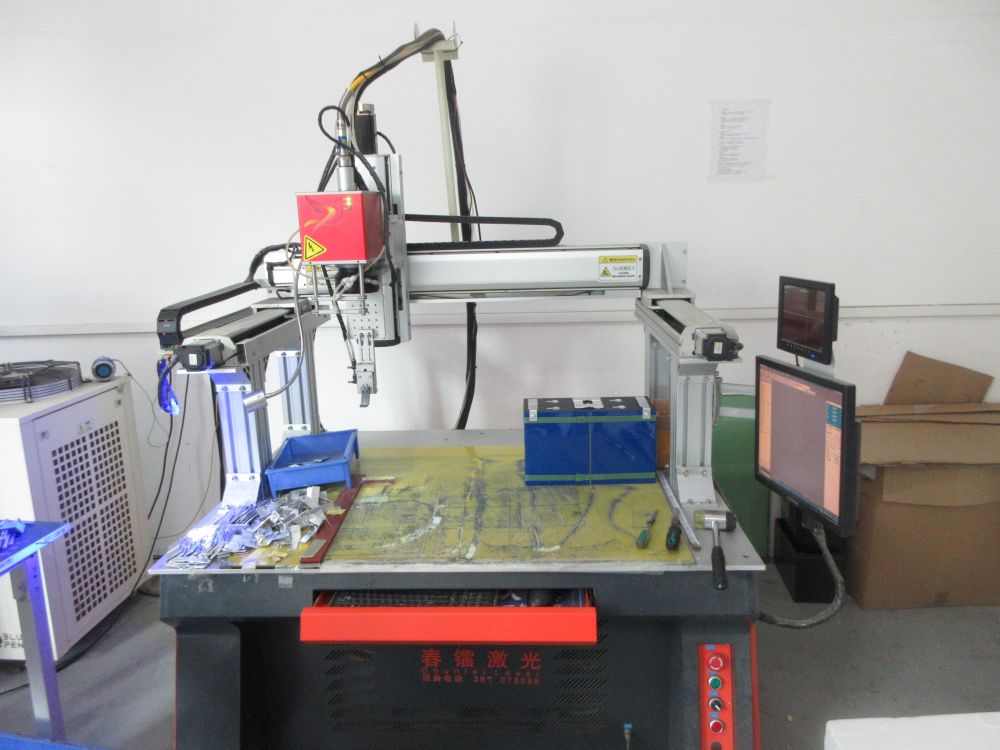
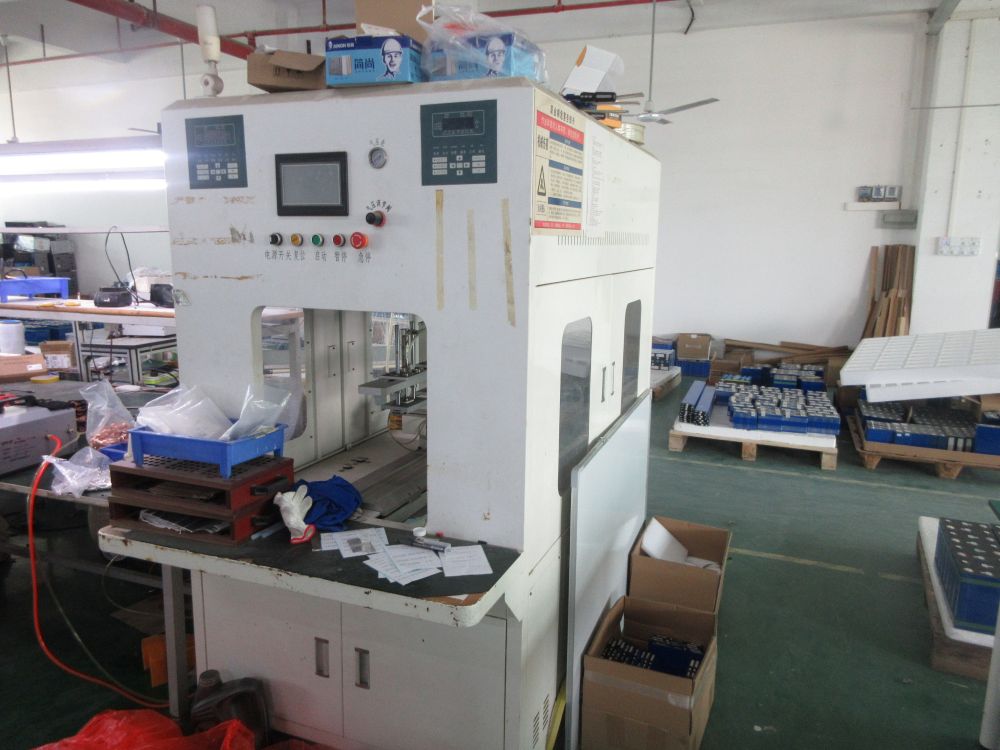
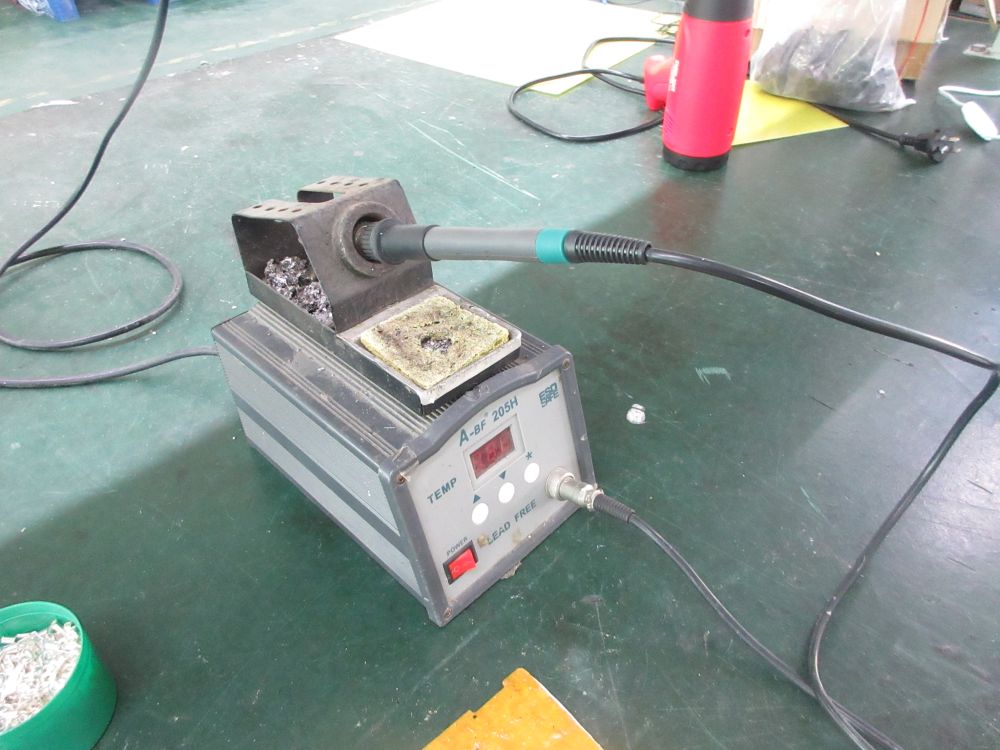
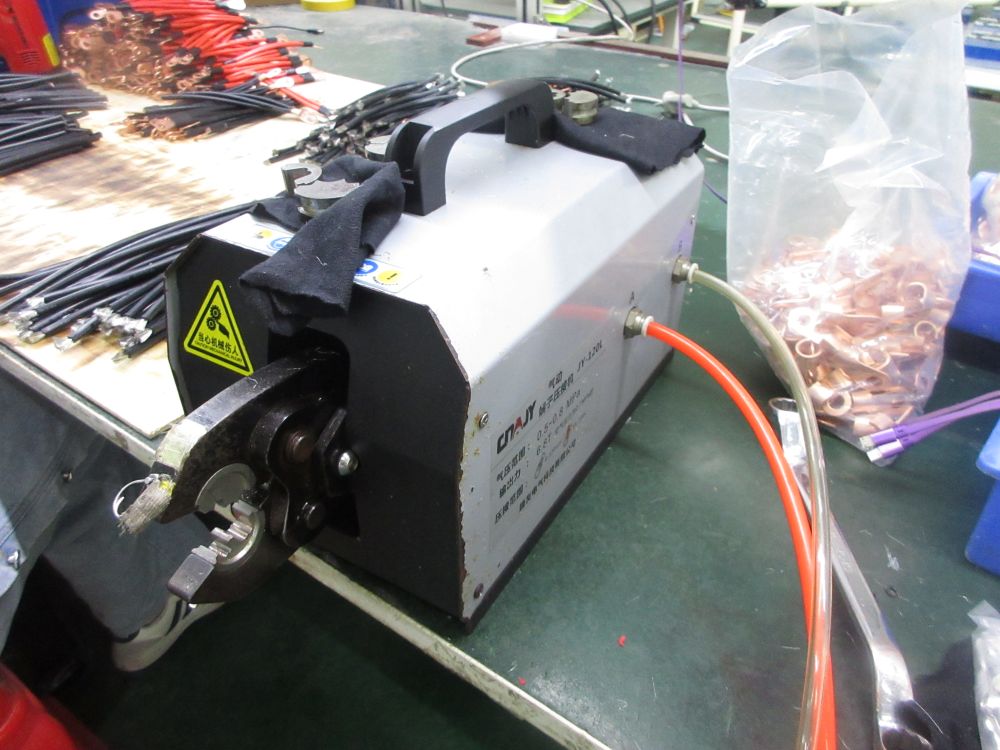
As microgrid architectures evolve, simple battery storage and grid connection are no longer sufficient. Modern off-grid systems require micro-second response speeds, higher energy density, and intelligent power electronics capable of handling fluctuating solar profiles. Guangdong Hudd Energy is at the forefront of this transition, innovating across three core domains:
While traditional air-cooled systems are cost-effective, thermal gradients within massive battery containers limit system life and round-trip efficiency (RTE). By implementing localized liquid cooling channels directly adjacent to battery cells, we keep the temperature variance within 3°C across the system. This increases the containerized LiFePO4 battery pack lifespan by up to 25%, ensuring a 15-year operational envelope even in desert climates.
Efficiency loss in low-voltage off-grid systems is mainly caused by conversion losses in the power stages. Our engineering team is currently upgrading our core hybrid inverters to high-frequency SiC (Silicon Carbide) and GaN architectures. This transition ensures peak efficiency values exceeding 98.6%, drastically reducing heatsink sizes and giving installers more robust, lightweight form factors.
Future systems will not run on hardcoded timer relays. Hudd Energy's proprietary EMS platform relies on predictive AI models to calculate tomorrow's PV yield based on weather forecast feeds, balancing this data against historical building load data to determine ideal charging and peak shaving schedules. This cuts grid-power dependency during peak rate structures by up to 35%.
Large-scale energy infrastructure deployment is a complex undertaking. Hudd Energy simplifies procurement for engineering firms through institutional-grade support and supply chain transparency:
Deploying solar power stations, custom storage systems, or EV fast charging stations requires strict adherence to localized electrical grid codes and safety rules. Standard solutions often fail to pass inspections in high-regulation regions. Hudd Energy resolves this by providing complete localization support:
Regional Grid-Tie Compliance: We adapt our system controls to meet specific utility requirements, such as zero-export controls, frequency response limits, and rapid shutdown capabilities. Our smart solar inverters can be adapted to specific parameters required by regional grid operators, ensuring swift project approval.
Comprehensive Field Engineering Audits: For projects in South America, Southeast Asia, the Middle East, and Africa, we send senior field application engineers to assist local installation crews. We perform comprehensive checks on earth grounding, wiring insulation, thermal conditions, and battery management (BMS) setups prior to power activation, mitigating operational risks.
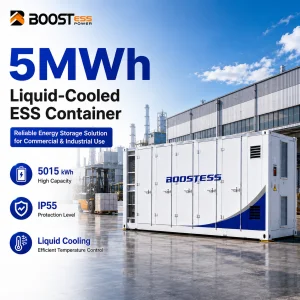
Industrial-scale containerized systems, high-capacity EV chargers, and modular microgrid systems for commercial infrastructure projects.
Addressing the technical, regulatory, and mechanical questions asked by utility managers, global buyers, and solar project designers.
 Hudd Energy
