When it comes to solar energy, many users face a common frustration: "why can't my solar charging station power heavy appliances?" This question is often posed by homeowners and businesses that invest in solar technology. According to Dr. Emily Carter, a solar energy expert, “The limitations of solar charging systems often surprise users.”
Understanding the constraints of solar charging stations is critical. Most solar systems are designed to handle small to medium loads. Heavy appliances, like refrigerators or dryers, demand more energy than typical solar setups can deliver. Furthermore, peak power requirements can exceed the inverter’s capacity, leading to system overloads.
Inadequate battery storage also plays a role. If the batteries are too small or insufficiently charged, power delivery to heavy appliances becomes erratic. This might leave users grappling with unexpected downtime. Ultimately, while solar charging stations provide numerous benefits, recognizing their limitations is vital for effective energy management.
Understanding Solar Charging Stations: Basics and Functionality
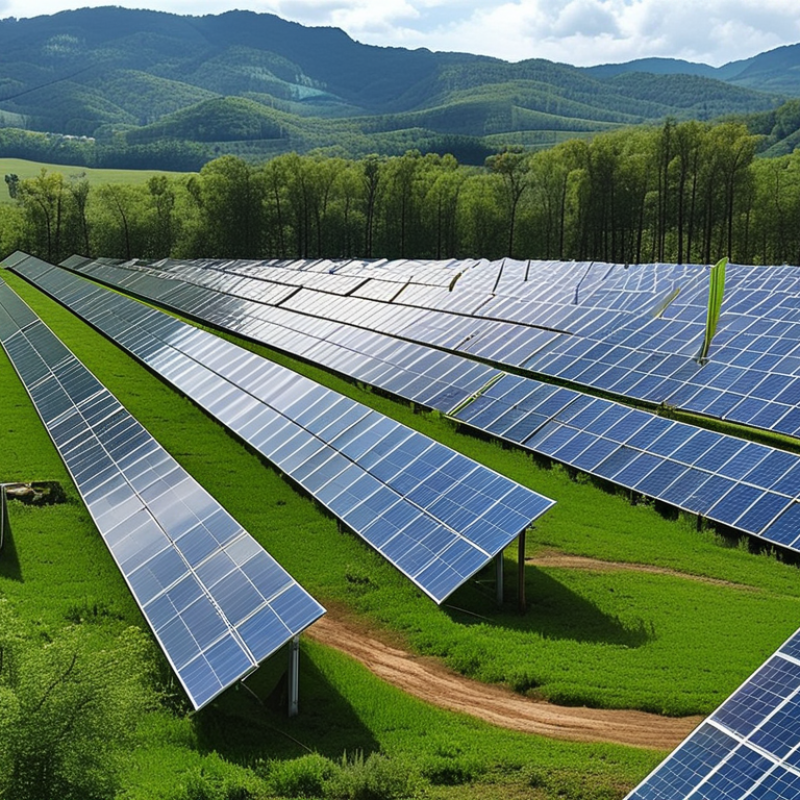
Solar charging stations are designed to harness energy from the sun to power various devices. They consist of solar panels, batteries, and a charge controller. Understanding their functionality is crucial for effective use. Solar panels convert sunlight into electricity. This electricity is stored in batteries for later use. The charge controller ensures the batteries are charged properly.
When it comes to heavy appliances, these systems have limitations. They typically provide lower voltage and current. Heavy appliances require more energy than smaller devices. This imbalance can lead to inadequate performance or even damage to your system. Recognizing these constraints helps in selecting appropriate applications for solar energy.
Tips: Consider the energy needs of your devices. Make a list of watts consumed by each appliance. This helps in determining compatibility with your solar station. Also, invest in a quality inverter. It converts DC to AC power efficiently. Keep in mind that even sunny days might not provide enough energy for all heavy appliances. Adjust your expectations based on available sunlight and energy storage capacity.
Solar Charging Station Power Capacity vs Heavy Appliance Requirements
This chart demonstrates the power requirements of various heavy appliances compared to the output capacity of a typical solar charging station. The output of 600 watts from the solar charging station is insufficient to power appliances like microwaves, electric kettles, and air conditioners, indicating the limitations of solar charging stations for heavy usage.
Key Specifications of Heavy Appliances and Their Power Requirements
Heavy appliances require substantial power to function effectively. For instance, a typical refrigerator may consume between 100 to 800 watts. Meanwhile, air conditioners can demand between 1,000 to 4,000 watts during peak operation. These figures highlight a significant challenge for solar charging stations. Many solar setups generate limited power, which may fall short of heavy appliance requirements.
Consider solar inverters, which convert DC power to AC. Not all inverters can handle high wattages required by these appliances. If your inverter is rated for 750 watts, it can’t support a 1,500-watt appliance. Users often overlook this aspect. Battery capacity is another concern. An oversized appliance could drain a small battery faster than anticipated, risking power failures.
Additionally, the solar panel output is influenced by weather and sunlight exposure. On cloudy days, solar panels can produce significantly less energy. This inconsistency makes them unreliable for powering heavy appliances continuously. Users must assess their solar system capabilities and adjust their expectations accordingly. Realizing the limitations of a solar charging station is crucial for practical applications.
Common Limitations of Solar Charging Stations in Heavy Load Scenarios
Solar charging stations are often celebrated for their eco-friendly approach and efficiency. However, when it comes to powering heavy appliances, limitations become apparent. These stations typically produce less energy than required for substantial loads. For instance, standard solar panels generate around 300 watts each. When you consider that a refrigerator can demand over 600 watts, it’s clear that many charging stations fall short.
Battery storage is another hurdle. Solar charging systems usually rely on batteries to store energy. These batteries have limited capacity. Heavy appliances drain energy quickly, often outpacing the system's ability to replenish it. This mismatch leads to insufficient power during crucial moments. Additionally, weather conditions, like cloudy days, can significantly impact energy production. Therefore, planning becomes critical.
Lastly, the inverter size can be a bottleneck. Inverters convert DC from solar panels to AC for appliances. If the inverter cannot handle the heavy load, appliances may not work. Users should assess their power needs realistically. It’s crucial to understand these limitations to optimize solar charging use. Reflecting on these factors can lead to better choices in energy management.
Efficiency Factors: Solar Panel Output vs. Appliance Energy Demand
The efficiency of a solar charging station hinges on the delicate balance between solar panel output and the energy demands of heavy appliances. Solar panels convert sunlight into electricity, but their output can vary greatly based on several factors. For instance, the location and angle of installation significantly influence performance. A poorly positioned panel can yield 30-50% less energy. Weather conditions also play a critical role. Overcast days or heavy rain limit sunlight, impacting energy generation.
Heavy appliances, like refrigerators or washing machines, require substantial power. These devices may demand hundreds to thousands of watts at peak operation. In contrast, a typical residential solar panel may produce around 300 watts under ideal conditions. When you attempt to power a heavy appliance, the mismatch becomes apparent. If your solar output falls short, the appliance won’t function properly, leading to frustration. It highlights the importance of assessing energy needs accurately.
Understanding the relationship between solar output and appliance demand is vital. Many users underestimate their appliance needs. They often choose solar systems based on surface-level calculations. This oversight can lead to disappointment during usage. A more nuanced approach includes evaluating peak demand times and integrating proper battery storage. The goal should be to create a sustainable energy plan that accommodates both solar output and heavy appliance requirements effectively.
Potential Solutions for Powering Heavy Appliances with Solar Energy
Heavy appliances require significant energy, often exceeding the capacity of standard solar charging stations. According to the National Renewable Energy Laboratory, large appliances like refrigerators and HVAC systems can draw between 1,200 and 4,000 watts. This is a stark contrast to typical solar setups, which may only produce around 300 to 800 watts in ideal conditions. This mismatch can leave users frustrated and unable to operate essential devices off-grid.
To address this issue, battery storage solutions are critical. Integrating a robust energy storage system allows excess energy produced during peak sunlight hours to be stored for later use. Reports indicate that using lithium-ion batteries can increase efficiency by 40% when properly sized for the associated solar panel system. However, selecting the right battery capacity remains challenging. Users might need to perform calculations based on their specific energy needs and usage patterns. Without proper sizing, the system can still underperform.
Moreover, investing in additional solar panels may be necessary. Expanding the solar array can help meet the demand of heavy appliances. However, this approach raises costs and requires careful planning. Many users find themselves questioning whether the investment is justified. It is essential to assess both immediate energy needs and long-term goals when designing a solar setup capable of powering heavy machinery.
Why Can't My Solar Charging Station Power Heavy Appliances? - Potential Solutions for Powering Heavy Appliances with Solar Energy
| Appliance Type |
Power Requirement (W) |
Typical Solar Panel Capacity (W) |
Duration of Use (hours) |
Potential Solutions |
| Refrigerator |
150-800 |
300-600 |
24 |
Use battery storage for night operation |
| Washing Machine |
500-1500 |
600-1200 |
1-2 |
Use a solar generator or larger inverter |
| Microwave Oven |
600-1200 |
500-1000 |
0.5-1 |
Consider using energy-efficient models |
| Dishwasher |
1200-1500 |
1000-1500 |
2-3 |
Upgrade inverter and increase panel setup |
| Air Conditioner |
1000-4000 |
2000-3000 |
1-8 |
Install a dedicated solar system and battery bank |
FAQS
: Solar charging stations capture sunlight to power devices. They include solar panels, batteries, and a charge controller.
Solar panels convert sunlight into electricity. This electricity is stored in batteries for later use.
They can produce lower voltage and current. Heavy appliances require more energy, leading to inadequate performance.
Batteries store energy from solar panels. Heavy appliances can drain small batteries rapidly, risking power failures.
Weather and sunlight exposure influence solar output. Cloudy days can significantly reduce energy generation.
Inverters convert DC from solar panels to AC. If an inverter can’t handle high wattages, appliances won’t work.
Assess the energy needs of your devices. Make a list of watts consumed by each to ensure compatibility.
Often, yes, but there are limitations. Energy needs may exceed what solar stations can consistently provide.
Reflect on battery capacity and inverter size. Also, consider weather conditions affecting solar energy production.
Adjust expectations based on available sunlight. Understand that heavy appliances may require more than typical solar output.
Conclusion
Understanding the limitations of solar charging stations is crucial for users wondering, "why cant my solar charging station power heavy appliances." Solar charging stations are designed to harness sunlight and convert it into electricity, but they often struggle with the high power demands associated with heavy appliances. These appliances typically require substantial wattage to operate, which can exceed the output capabilities of standard solar setups.
In essence, the efficiency of solar panels versus the energy demand of heavy appliances creates a gap that makes it challenging for solar charging stations to meet these requirements consistently. Factors such as solar panel output, weather conditions, and energy storage capacity play a pivotal role in this dynamic. Exploring potential solutions, such as upgrading storage systems or implementing more powerful solar arrays, can help bridge this gap and enable solar energy to effectively power larger devices.

 Hudd Energy