In recent years, the significance of energy management in homes has soared. With rising energy costs and environmental concerns, homeowners seek efficient solutions. This leads us to explore how to set up a smart home energy management system.
A well-designed energy management system not only reduces bills but also enhances comfort. By integrating smart devices, families can monitor consumption in real-time. Understanding energy usage patterns can reveal surprising insights. However, the setup process may seem daunting. Knowledge gaps often lead to challenges in implementation. It is crucial to research devices and compatibility before purchasing.
Moreover, adjusting to a smart energy system requires a shift in habits. Users might face initial resistance in embracing new technologies. Regular adjustments will be key to optimizing performance. Overall, taking the time to understand how to set up a smart home energy management system can lead to long-term benefits, both financially and environmentally.
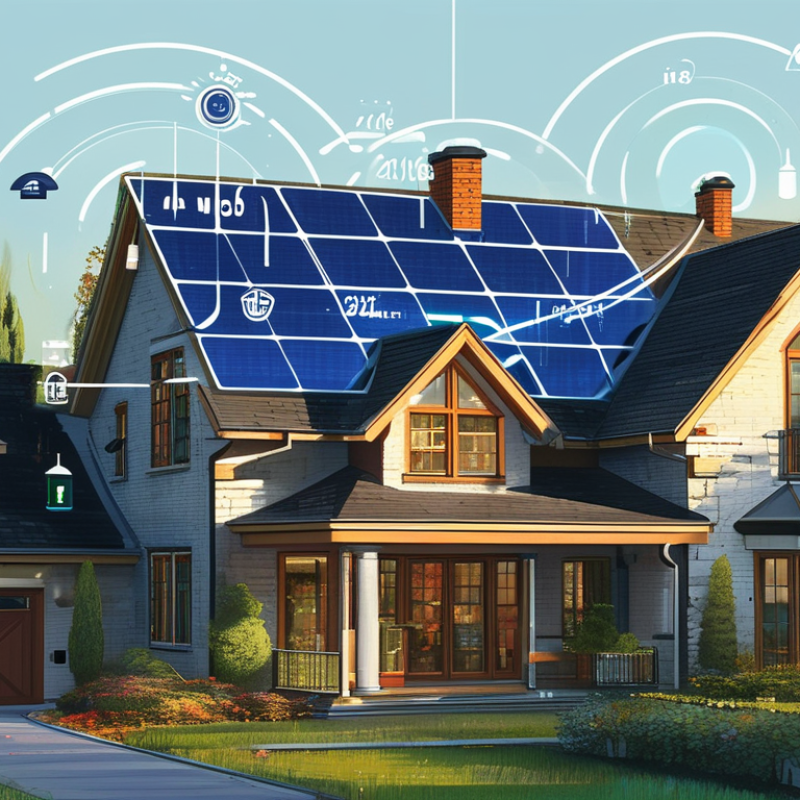
Understanding Smart Home Energy Management Systems and Their Benefits
Smart Home Energy Management Systems (SHEMS) are becoming essential for modern households. These systems help manage energy consumption efficiently. According to a 2023 report by the International Energy Agency (IEA), households using SHEMS can decrease energy usage by up to 25%. This reduction not only lowers utility bills but also contributes to a greener planet.
SHEMS integrate various appliances and devices, allowing for real-time energy monitoring. With advancements in technology, users can pinpoint energy hogs in their homes. A study by Navigant Research found that over 70% of users reported awareness of high consumption areas after using SHEMS. However, many users miss opportunities to optimize their settings. They often overlook the benefits of scheduling devices during off-peak hours.
Despite these benefits, adoption rates are still low. A 2022 survey indicated that only 30% of households had installed any form of energy management system. Barriers such as cost and complexity remain prevalent. Users express frustration with setup processes that can be daunting. Ensuring systems are user-friendly might encourage broader adoption and enhance energy efficiency.
Key Technologies for Smart Home Energy Management in 2026
In 2026, the landscape of smart home energy management will be profoundly shaped by advanced technologies. Key innovations such as energy storage solutions and smart meters will play critical roles. According to a report by the International Energy Agency, smart meters can improve energy efficiency by up to 15%. This transformation empowers users to track real-time energy consumption and adjust behaviors accordingly.
Artificial intelligence (AI) will also drive efficiency. AI algorithms can analyze usage patterns, optimizing energy distribution in real-time. A recent study indicated that homes equipped with AI-driven systems reduced energy costs by an average of 20%. These systems learn from user preferences, making them adaptive and user-friendly.
However, challenges remain. The integration of these technologies requires upfront investment and technical know-how. Many homeowners may find it daunting to implement such systems without guidance. Additionally, ensuring the interoperability of devices from different manufacturers can complicate setups. As the market evolves, accessibility and standardization will be crucial for broader adoption. While the promise of energy savings is compelling, individuals must reflect on these barriers to realize the full potential of smart home energy management.
Smart Home Energy Usage in 2026
This chart displays the estimated percentage of energy usage by various smart home devices in 2026. As smart home technology advances, the reliance on different types of devices will shape energy consumption patterns.
Integrating Renewable Energy Sources in Your Smart Home Setup
Integrating renewable energy sources into your smart home setup is a transformative step forward. It allows homeowners to harness solar or wind power efficiently. Start by evaluating the available renewable energy options in your area. Solar panels work well in sunny regions, while wind turbines are effective in breezy locations. Choose the system that best suits your home’s needs and local climate.
Installing a battery storage system is crucial. This setup stores excess energy for use during cloudy days or at night. It ensures a steady energy supply. Monitor your energy usage with smart devices. They provide real-time data and help you optimize your consumption patterns.
Consider these tips for a successful integration. Begin with a thorough energy audit of your home. This will identify areas where you can reduce waste. Explore government incentives for renewable energy installations. They can significantly offset initial costs. Lastly, stay updated on technological advancements. The field evolves quickly, and you might find new opportunities to enhance your smart home energy management system.
Data Privacy and Security Considerations for Smart Home Energy Systems
In 2026, smart home energy systems promise enhanced efficiency but raise concerns around data privacy and security. These systems collect vast amounts of data, tracking power consumption patterns and personal habits. Users may unknowingly expose sensitive information through device interactions. It’s critical to understand what data is shared and who has access.
Establishing strong encryption protocols is vital. This protects data as it travels between devices. Regular software updates are equally important. They help to fix vulnerabilities that could be exploited by cybercriminals. Yet, many users overlook these updates, creating risks. Educating homeowners about secure practices can bridge this gap. Password management is often neglected, making default passwords a dangerous weakness.
Privacy policies can be dense and hard to decipher. Users may struggle to find where their data ends up. Clarity from service providers is essential. Ideally, clear guidelines should accompany smart devices. Without awareness, users remain vulnerable. Thoughtfully evaluating where to draw the line between convenience and security will shape the future of smart homes.
Measuring and Optimizing Energy Savings with Smart Home Analytics
In 2026, measuring and optimizing energy savings in a smart home will rely heavily on advanced analytics. Homeowners will have access to tools that analyze energy consumption patterns. These insights can reveal when energy use peaks. This data empowers individuals to make informed decisions. For instance, adjusting usage during peak hours can lead to substantial savings.
Smart home analytics will also provide visualizations of energy data. Interactive dashboards will help users understand their consumption. Users can track their progress over time. However, understanding this data might not always be straightforward. Some features may require a learning curve, leading to occasional frustration. It is essential to invest time in understanding these tools to fully benefit.
Additionally, integrating various devices can sometimes create conflicts. For example, multiple appliances may draw power simultaneously, negating energy-saving efforts. Regularly reviewing this data and adjusting settings will be crucial. Homeowners should remain vigilant. Continuous monitoring will ensure that the energy management system operates efficiently. Embracing these intricacies is key to achieving optimal energy savings in a modern smart home.
FAQS
: SHEMS help manage energy consumption in homes efficiently. They integrate devices for real-time monitoring.
Households using SHEMS can decrease energy usage by up to 25%. This lowers bills and helps the environment.
Users often overlook scheduling devices during off-peak hours. They miss chances to enhance energy efficiency.
Only 30% of households have installed any form of energy management system. This is a low adoption rate.
The setup processes can be daunting and complex. This often leads to user frustration and delays.
Advanced analytics will allow homeowners to analyze energy patterns. This data helps make informed decisions about usage.
Understanding energy data from dashboards may not be straightforward. Some features require time to learn and master.
Yes, multiple appliances may draw power simultaneously, which can negate energy savings. Regular adjustments are necessary.
Continuous monitoring and regular data reviews are crucial. Remaining vigilant will help optimize the energy management system.
Yes, using these tools may lead to some frustration. Investing time to learn is essential for maximizing benefits.
Conclusion
In the article "How to Set Up a Smart Home Energy Management System in 2026," readers are guided through the essential components of creating an efficient smart home energy system. It begins by exploring the benefits of smart home energy management systems, including increased energy efficiency and cost savings. Key technologies for 2026, such as advanced sensors and automated controls, are highlighted, emphasizing their role in optimizing energy consumption.
Additionally, the integration of renewable energy sources is discussed, showcasing how homeowners can incorporate solar or wind energy into their setups. Data privacy and security considerations are also addressed, ensuring that users can protect their information while enjoying smart technology. Lastly, the article covers the importance of measuring and optimizing energy savings through smart home analytics, providing a comprehensive overview of how to set up a smart home energy management system for a sustainable future.

 Hudd Energy