Understanding the cost of a commercial energy storage system is crucial for businesses today. Industry expert Dr. Sarah Thompson states, “Investing in energy storage can seem daunting, but it pays off in the long run.” Many companies ask, "how much does a commercial energy storage system cost?" The pricing often varies based on system size, technology, and installation complexities.
Energy storage systems help manage electricity use and expenses. A system designed for a medium-sized business might range from $200,000 to $500,000. This investment can lead to significant savings. Yet, the initial costs can be intimidating. Many potential users may overlook the long-term benefits.
Choosing the right system requires careful consideration. Not every solution fits every need. Some companies might find that they are not ready for this investment. It’s essential to weigh the potential advantages against financial challenges. As organizations navigate this emerging field, they must ask themselves, “Are we prepared for this transition?
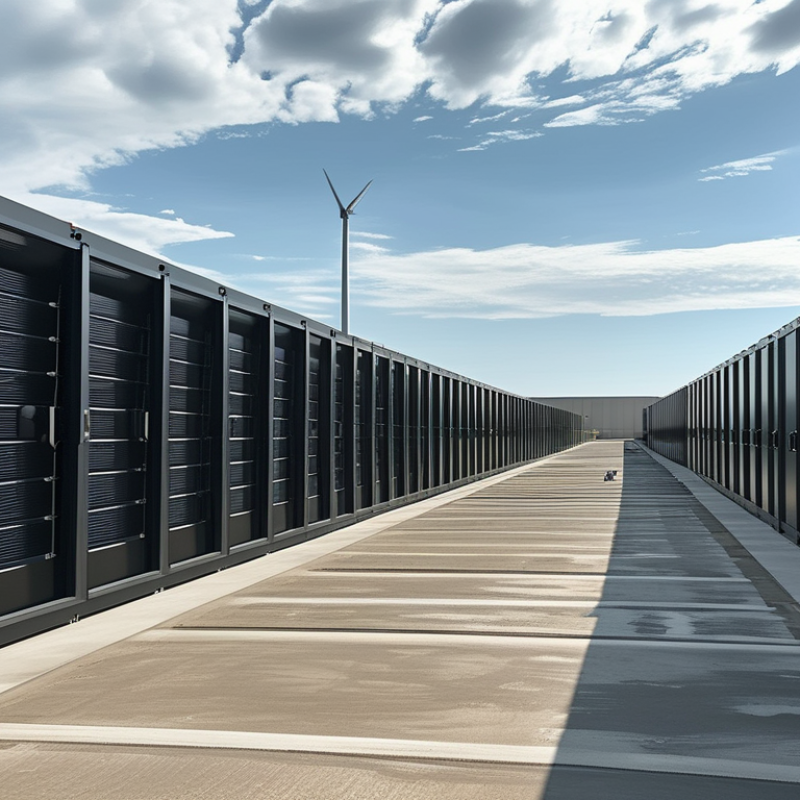
The cost of commercial energy storage systems varies significantly. Several factors influence this pricing. Understanding these can help businesses make informed decisions.
One key factor is the technology used. Battery types, such as lithium-ion or flow batteries, carry different cost implications. Installation complexity also plays a role. A system requiring extensive site preparation will naturally be more expensive. Maintenance costs shouldn't be overlooked either. Routine checks and repairs can add up over time.
Another influential factor is the scale of the project. Larger systems often benefit from economies of scale, reducing the per-unit cost. However, scaling up may complicate installation and management. Local incentives and regulations can impact initial investment. Different regions offer various financial assistance programs, which can affect overall affordability. These elements highlight the need for careful planning and cost assessment.
The cost of commercial energy storage systems varies widely based on the technology used. Lead-acid batteries are typically the most affordable option, with prices ranging from $150 to $500 per kilowatt-hour. However, their shorter lifespan and lower efficiency can lead to higher long-term costs.
In contrast, lithium-ion batteries, while more expensive at $400 to $1,200 per kilowatt-hour, offer extended life cycles and better performance. This technology is gaining popularity due to its efficiency and reliability. Other technologies like flow batteries and sodium-sulfur batteries also present distinct economic profiles, often exceeding $1,000 per kilowatt-hour.
The choice of energy storage system depends not only on upfront costs but also on specific project needs. Understanding the balance between initial investment and operational efficiency is crucial. Businesses must assess their unique context, energy demands, and financial resources. This can lead to imperfect choices, where immediate savings may outweigh long-term considerations. Evaluating these factors thoughtfully is essential for effective decision-making.
In the realm of commercial energy storage, battery types play a crucial role in cost and efficiency. Lithium-ion, lead-acid, and flow batteries present distinct advantages and downsides. According to the latest report by BloombergNEF, lithium-ion batteries dominate the market with a cost of around $137 per kWh in 2022. Their high energy density and long lifecycle make them attractive for various applications.
Conversely, lead-acid batteries come at a lower initial cost, typically around $100 per kWh. However, their shorter lifespan and lower efficiency can lead to higher long-term expenses. These batteries also require regular maintenance, which adds to operational costs. Flow batteries occupy a niche market, with costs ranging from $300 to $500 per kWh. While they offer scalability and safety benefits, their upfront investment may deter some businesses.
Choosing the right system depends on specific needs. A company focused on short-term performance may opt for lithium-ion. In contrast, those seeking longevity might consider flow batteries. Each option has its own trade-offs. An informed decision requires careful evaluation of individual energy needs and financial constraints.
Financial incentives and rebates play a crucial role in the adoption of commercial energy storage systems. Governments and local utilities often provide financial support to encourage businesses to invest in these systems. This support can significantly reduce the overall cost, making energy storage more accessible. It's vital for companies to research available programs, as they vary by location and eligibility requirements.
Tax credits and grants can lessen initial expenses. Some states offer substantial rebates for energy storage installations. Companies should consult with energy experts and financial advisors to maximize these benefits. Understanding the application process can be complex, but the potential savings make it worthwhile. Additionally, utility companies may offer incentives for reducing peak demand, adding another layer of savings.
While the prospect of financial incentives is enticing, challenges remain. The process can be bureaucratic and time-consuming. Businesses may face delays or paperwork issues. It’s important to keep track of deadlines and documentation. This can deter some from pursuing energy storage solutions. However, the potential long-term benefits often outweigh these initial obstacles.
| System Type | Average Cost per kWh | Installation Costs | Lifecycle (Years) | Financial Incentives and Rebates |
|---|---|---|---|---|
| Lithium-Ion | $400 - $700 | $10,000 - $50,000 | 10 - 15 | Federal Investment Tax Credit (ITC), State Grants |
| Lead-Acid | $150 - $300 | $5,000 - $30,000 | 3 - 5 | Limited state rebates |
| Flow Battery | $500 - $800 | $15,000 - $70,000 | 10 - 20 | State and local incentives, Renewable Energy Credits (RECs) |
| Sodium-Sulfur | $600 - $900 | $20,000 - $100,000 | 10 - 15 | Utility programs, Tax breaks |
Investing in a commercial energy storage system can yield significant long-term savings. Understanding the return on investment (ROI) and payback period is crucial for businesses. Energy storage systems help reduce peak energy costs. They capture energy during low-demand periods and release it when rates are higher. This strategy can lead to lower utility bills.
Calculating the payback period can be complex. Typically, businesses see paybacks within five to ten years. This timeframe varies according to installation costs, local utility rates, and incentives. It's important to conduct a detailed analysis. Consider all operating expenses and potential savings. Some systems may offer faster returns, but not all fit every business model.
**Tips:** Explore available incentives. Federal and local programs may offset initial costs. Collaborating with energy consultants can provide valuable insights. Assess your energy consumption patterns. Understand when you pay the most for energy. This knowledge can help in choosing the right system. Finding the right balance between costs and savings takes time. Regularly revisit your energy strategy to ensure optimal performance.
: Lead-acid batteries usually cost between $150 and $500 per kilowatt-hour. They are the most affordable option.
Yes, lithium-ion batteries range from $400 to $1,200 per kilowatt-hour. They offer better efficiency and lifespan.
Each project's needs vary. It's essential to align storage technology with specific energy demands for effective use.
Financial incentives can significantly reduce costs. They encourage businesses to invest in energy storage systems.
The process may be complex and bureaucratic. Keeping track of deadlines is crucial to avoid delays in funding.
Yes, challenges include paperwork issues and delays. These can deter some businesses but long-term benefits are significant.
Businesses should assess initial costs, operational efficiency, and their specific energy needs thoughtfully for effective decision-making.
Immediate savings can be enticing. However, this may lead to imperfect choices that impact long-term efficiency.
These technologies often exceed $1,000 per kilowatt-hour. They have distinct economic profiles compared to lead-acid and lithium-ion batteries.
Consulting with experts and understanding available financial programs is crucial. It can help reduce initial and operational costs effectively.
The article "How Much Does a Commercial Energy Storage System Cost?" explores the various factors that influence the pricing of commercial energy storage systems, highlighting important considerations like technology type, scale, and location. It presents an average price range for different energy storage technologies, including lithium-ion, lead-acid, and flow batteries, enabling businesses to assess their options effectively.
Additionally, the cost comparison between these technologies offers insights into their long-term financial implications. The article also discusses available financial incentives and rebates that can mitigate initial costs while emphasizing the potential for substantial long-term savings through ROI and payback periods. By understanding how much a commercial energy storage system costs, organizations can make informed decisions about investing in energy solutions that align with their needs and budget.

Hudd Energy