Containerized energy storage systems are gaining traction in various sectors. More industries recognize their benefits. These systems offer flexibility, scalability, and efficiency.
Why are containerized energy storage systems getting popular? It’s largely due to their adaptability. They function well in diverse environments. From remote locations to urban setups, they fit in easily. Their modular design allows for quick deployment, which is essential for urgent energy needs.
Companies realize the economic advantages too. These systems can reduce operational costs. Maintenance is generally easier, requiring less specialized knowledge. However, challenges remain, such as ensuring reliability in extreme weather conditions. As the market evolves, continuous improvements are necessary to address these issues.
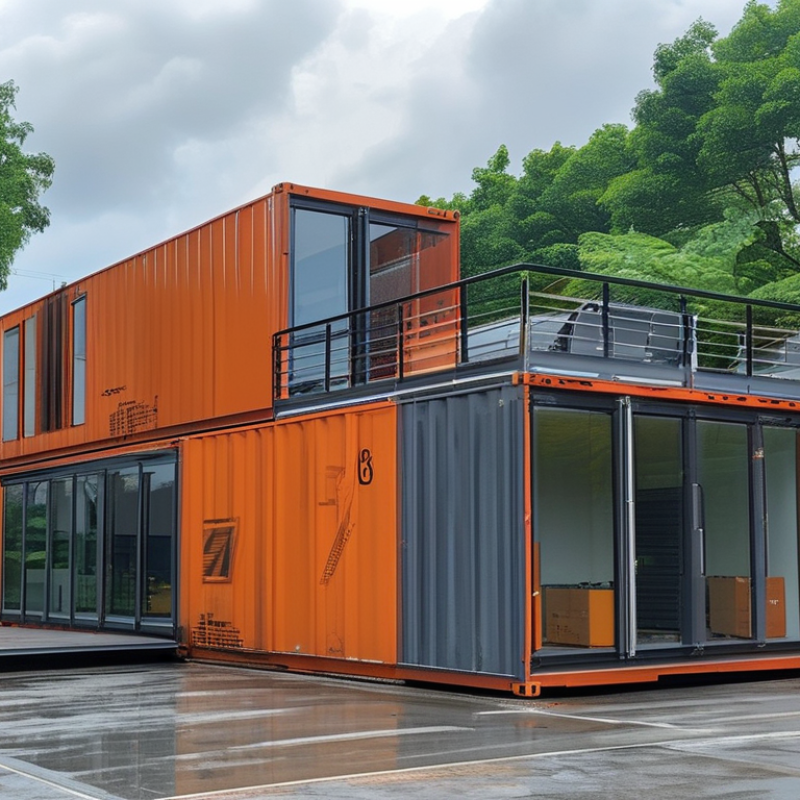
Containerized energy storage systems (CESS) are gaining momentum in the energy sector. The compact and modular nature of these systems allows for flexibility in deployment. According to a report by IHS Markit, the global market for containerized energy storage is projected to reach $22 billion by 2025. This growth is fueled by increasing demand for renewable energy and grid stability.
The idea behind containerized energy storage is simple yet effective. These systems house batteries in transportable containers, simplifying installation and scalability. Data from Navigant Research indicates that CESS reduces setup time by up to 30%. Furthermore, such systems can be deployed in remote areas where traditional energy sources are impractical. However, not every deployment goes as planned; challenges like site selection and regulatory approval can cause delays.
Growing interest in sustainability is also driving the rise of CESS. A report by the International Energy Agency (IEA) mentions that battery storage capacity is expected to increase tenfold by 2030. Despite these advancements, there are still concerns regarding the lifecycle of batteries and environmental impact. It’s essential to ensure that recycling solutions keep pace with demand. While containerized energy storage offers many benefits, reflection on its environmental footprint is necessary.
Containerized energy storage systems are gaining traction for several compelling reasons. One major advantage is their modular design. This allows easy scalability to match growing energy demands. Traditional systems often require significant space and infrastructure investment. Containerized systems, however, can be deployed quickly and in various locations. This flexibility is especially beneficial for remote areas where existing grid infrastructure may be limited.
Consider the installation time. Containerized solutions can be operational within days, unlike traditional systems that might take weeks or even months. Their prefabricated nature brings down labor costs and minimizes on-site construction. Potential users appreciate the fast turnaround, which can be crucial for urgent energy needs.
For those considering such systems, think about efficiency. Containerized energy storage systems can help reduce energy loss during transfers. Additionally, explore integration options with renewable sources. Aligning these technologies can lead to decreased reliance on fossil fuels. Remember, investing in an energy storage system is a long-term commitment. Understanding your specific needs is essential for making the right choice.
Containerized energy storage systems are becoming increasingly popular, driven by several key factors. One primary reason is the growing demand for renewable energy integration. According to a report by the International Energy Agency, global renewable energy capacity grew by 10.3% in 2021 alone. This surge necessitates robust energy storage solutions that can balance supply and demand.
Containerized systems fit this need perfectly. They can be deployed quickly and efficiently, providing a scalable solution for energy storage.
Moreover, the flexibility of these systems makes them attractive. They can be used in a variety of applications, from grid support to off-grid solutions. Studies suggest that the global market for energy storage will reach USD 900 billion by 2030. This growth reflects interests in sustainable energy practices. Companies are recognizing the environmental and economic benefits of containerized systems.
However, challenges remain. The initial investment can be high. Many organizations still struggle with integration into existing infrastructure.
Regulatory incentives are also influencing this trend. Governments worldwide are promoting energy storage technologies. Policies aimed at reducing carbon emissions are key. A report from Bloomberg New Energy Finance highlights that energy storage systems could account for 1,000 gigawatt-hours by 2030. These developments reflect a broader shift toward sustainable energy practices. Yet, despite the hype, there is a need for continued research and innovation in this field.
Containerized energy storage systems have found their place in various industries. Their modular design allows for quick deployment and easy transport, making them ideal for different applications. For instance, they are used in renewable energy projects. They store excess energy from solar panels or wind turbines, ensuring a steady power supply.
These systems also benefit commercial enterprises. Businesses can manage their energy consumption more effectively. By using stored energy during peak hours, they save on costs. In addition, containerized energy storage supports grid stability. During high demand periods, they can release stored energy to the grid. This reduces the need for additional generation capacity.
However, challenges remain. Some industries may struggle with integrating these systems into existing infrastructure. Others may find the upfront costs daunting. Addressing these issues is crucial for broader adoption. The continued evolution of technology could offer solutions to overcome these barriers. Embracing innovation will be key to unlocking the full potential of containerized energy storage.
| Industry | Application | Capacity (MWh) | Benefits |
|---|---|---|---|
| Utility | Grid Stabilization | 50 | Enhances reliability and reduces outages |
| Industrial | Peak Shaving | 30 | Lowers energy costs during peak times |
| Commercial | Renewable Integration | 20 | Store excess solar/wind energy |
| Transportation | EV Charging Stations | 15 | Quick charging and energy management |
| Construction | Temporary Power Supply | 10 | Flexible and scalable energy solution |
Containerized energy storage systems have gained significant traction due to their flexibility and scalability. These systems allow for rapid deployment, making them ideal for supporting renewable energy sources. Reports indicate that the global market for energy storage is projected to grow from $14.5 billion in 2020 to $34.2 billion by 2027. This surge reflects a crucial shift in energy management, especially as more companies seek to balance load and handle peak demand effectively.
Future trends indicate an increase in technological innovations within containerized systems. Advanced battery technologies, such as lithium-ion and flow batteries, are becoming more prevalent. These improvements not only enhance efficiency but also decrease the overall costs. For instance, Levelized Cost of Energy (LCOE) for battery storage has seen a decline of nearly 70% in recent years. However, challenges remain, like sustainability issues surrounding battery disposal and resource extraction. The industry must address these aspects to ensure long-term viability.
Regular maintenance is key to maximizing system lifespan. Monitor the environment where storage units are placed. Ensure that they are protected from extreme weather. Understanding battery degradation helps in timely replacements, which can prevent costly failures. Investing in predictive analytics can offer insights into when systems need attention. Consider educating staff on signs of declining performance to foster a proactive maintenance culture.
: They are battery storage systems housed in transportable containers, designed for flexibility and quick deployment.
There's a growing need for renewable energy integration and grid stability, driving the demand for efficient energy solutions.
They enable effective energy management, allowing businesses to save on costs by using stored energy during peak hours.
Challenges include site selection, regulatory hurdles, and the high initial investment needed for installation.
Yes, these systems are ideal for remote locations where traditional energy sources are not practical.
They can release stored energy during high demand periods, reducing the need for additional generation capacity.
There are concerns about the environmental impact and the need for effective recycling solutions.
Yes, many governments promote energy storage technologies to reduce carbon emissions.
The global market for energy storage is projected to reach USD 900 billion by 2030, reflecting shifting energy practices.
The integration into existing infrastructure can present challenges, affecting the broader adoption of these technologies.
Containerized energy storage systems are gaining traction for several compelling reasons. These systems offer numerous advantages over traditional energy storage methods, including enhanced flexibility, portability, and scalability, which make them an attractive option for a variety of applications across different industries. As the energy landscape evolves, the need for efficient and reliable energy storage solutions has increased, leading to a surge in the adoption of these containerized systems.
Factors contributing to their rising popularity include advancements in technology, increasing demand for renewable energy integration, and the ability to deploy energy storage quickly in diverse locations. Additionally, containerized energy storage systems are proving valuable in stabilizing grid operations and supporting energy resilience. As we look ahead, the future of containerized energy storage solutions appears bright, with ongoing innovations promising to further enhance their efficiency and applicability. This is why containerized energy storage systems are getting popular in today's energy market.

Hudd Energy