How to Choose the Right Battery Capacity for Home Solar Systems?

Time:2026-06-30 Author:Isabella
0%

Choosing the right battery capacity for home solar systems can be challenging. Many factors impact your decision. Understanding how much energy you use daily is crucial. A good battery system should store sufficient energy for your needs. It’s vital to consider your household consumption patterns.

Many homeowners underestimate their energy needs. They often select a battery based on initial cost rather than long-term efficiency. This can lead to missed opportunities for savings. It is essential to evaluate both the capacity and the type of battery. Different technologies offer various advantages and drawbacks.

When deciding how to choose the right battery capacity for home solar, experts recommend careful planning. Look beyond the immediate savings. Consider future energy demands and potential lifestyle changes. Investing time in this process can yield a more efficient system. A well-chosen battery can enhance your solar experience.
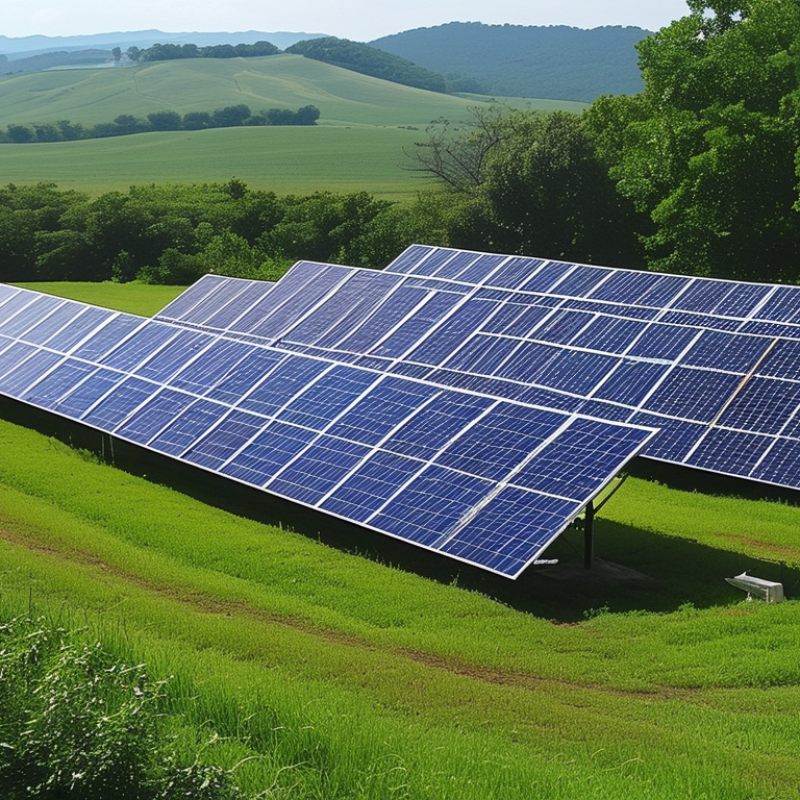
How to Choose the Right Battery Capacity for Home Solar Systems?

Understanding Household Energy Needs for Solar Systems

When choosing the right battery capacity for home solar systems, it's essential to understand your household energy needs. The average American home uses about 29 kilowatt-hours (kWh) of electricity daily. This figure can vary based on the number of occupants, appliances, and overall lifestyle. Considering these factors helps determine the appropriate battery size for solar systems.

A comprehensive study by the National Renewable Energy Laboratory reveals that a battery capacity of at least 10 kWh is typically sufficient for an average household. However, some families may require larger systems. If you often run multiple high-power appliances, such as air conditioners or electric heaters, your energy consumption may reach 40 kWh or more per day. It’s crucial to calculate your peak usage to avoid underestimating your needs.

Moreover, consider seasonal variations in energy consumption. Cold winters and hot summers can increase electricity use. Regularly reviewing your energy bills helps you understand your patterns over time. Installing a monitoring system can give accurate insights into your daily consumption. This data can inform adjustments to your battery capacity, ensuring your system meets your needs effectively.

Evaluating Different Battery Technologies for Solar Storage

When it comes to solar storage, choosing the right battery technology is crucial. Lithium-ion batteries are popular due to their efficiency and compact size. They offer high energy density, which means more power in less space. However, these batteries come at a higher cost. Lead-acid batteries are another option. They are cheaper but bulkier and less efficient. The lifecycle of lead-acid is shorter too. Understanding the pros and cons is essential for an informed choice.

Another emerging technology is saltwater batteries. They are safer and more environmentally friendly. Saltwater batteries also have a longer lifespan compared to lead-acid. Yet, they currently lag in energy density compared to lithium-ion. When evaluating options, consider the specific needs of your home. Think about how much energy you consume daily. Analyze your budget and space constraints. These factors will significantly influence your decision.

In addition to capacity, think about the discharge rates. Some batteries provide quick energy bursts, while others are designed for steady, prolonged use. Each application requires different energy management. Therefore, aligning the battery technology with your energy consumption habits is vital. Deliberation and research can lead to better outcomes. Sometimes, the apparent choice may not fit your unique requirements.

Calculating Optimal Battery Capacity Based on Usage Patterns

Choosing the right battery capacity for your home solar system requires careful consideration of your usage patterns. Start by analyzing your daily energy consumption. Calculate your average kilowatt-hours (kWh) used each day. Take into account major appliances, lighting, and devices. The more precise your data, the better your decision will be.

Next, consider your energy availability from solar panels. Understand the hours of peak sunlight you typically receive. This affects how much energy your system can generate. By matching battery capacity with solar output, you can avoid under or over-sizing your battery. A mismatch can lead to wasted energy or inadequate power during low sunlight days.

It’s helpful to include periods of higher usage, such as evenings or during specific seasons. Assess your needs based on household routines. For instance, if you often host guests or run multiple devices, account for those spikes. Yet, remember that human behavior fluctuates. Your needs may evolve, and so might your energy consumption patterns. Be flexible with your choices to accommodate changes over time.

Assessing Climate Impact on Solar System Performance

When assessing the climate impact on solar system performance, one must consider several factors. The location greatly influences solar energy production. For example, regions with higher sunlight exposure generate significantly more energy. Reports indicate that a well-placed solar system can produce 20-30% more energy in sunny locations compared to cloudier areas.

Temperature and humidity also play crucial roles. High temperatures can decrease the efficiency of solar panels. Studies show that solar panels can lose up to 20% of efficiency in extreme heat. Conversely, humidity levels can affect the installation. Areas with high humidity can lead to increased maintenance needs due to potential mold and mildew growth on panels.

Storage capacity is another consideration. A system might produce excess energy during peak sunlight hours. However, without sufficient battery storage, that energy is wasted. Data suggest that homeowners should calculate their energy needs carefully. Balancing battery capacity and production is critical. An inadequate battery leads to lost energy; too large a battery can be a waste of investment. Proper planning requires both environmental awareness and technical knowledge to optimize solar energy use in your home.

Choosing Between Off-Grid and Grid-Tied Battery Solutions

When choosing between off-grid and grid-tied battery solutions for home solar systems, it’s essential to weigh your needs. Off-grid systems are ideal for remote areas. They provide independence from the utility grid. However, these systems often require larger battery storage. This can lead to higher upfront costs. Also, consider maintenance and replacement over time.

Grid-tied systems connect to the utility grid. They allow you to draw energy during low solar production. This option typically requires smaller batteries. You can also sell excess energy back to the grid. While this is cost-effective, it may not provide complete energy independence. Reliability is a factor. Grid outages can still affect your supply.

Tips:

Choose an off-grid solution if you prioritize independence and live in a remote area. Calculate your energy needs to determine the right battery capacity. Remember to account for seasonal variations in solar production. For grid-tied systems, analyze your utility rates. This can help you calculate potential savings from battery use. Keep maintenance costs in mind, as they can add up over time.

Battery Capacity Comparison for Home Solar Systems

This chart compares the battery capacity required for off-grid and grid-tied solar systems. Off-grid systems typically require larger battery capacities for energy independence, while grid-tied systems often necessitate less capacity due to reliance on the grid for power supply.

FAQS

: What factors should I consider when choosing a solar storage battery?

: Focus on efficiency, cost, and the specific energy needs of your home.

What are the advantages of lithium-ion batteries?

They are efficient, compact, and offer high energy density, but they are more expensive.

How do lead-acid batteries compare to lithium-ion?

Lead-acid batteries are cheaper but bulkier and less efficient with a shorter lifecycle.

What is a key benefit of saltwater batteries?

They are safer and more environmentally friendly but have lower energy density than lithium-ion.

Why is storage capacity important in solar systems?

Adequate storage prevents wasted energy produced during peak sunlight hours.

How does location affect solar system performance?

More sunlight leads to increased energy production; expect 20-30% more energy in sunnier areas.

Can temperature and humidity impact solar panel efficiency?

Yes, high temperatures can reduce efficiency by up to 20%, and humidity may increase maintenance needs.

What’s the difference between off-grid and grid-tied systems?

Off-grid systems offer independence but require larger storage, while grid-tied allows access to the utility grid.

What should I consider when estimating battery capacity?

Account for daily energy consumption and seasonal variations in solar production.

Why is planning crucial for solar energy optimization?

Misalignment in energy needs and battery capacity can lead to wasted investment or lost energy.

Conclusion

When considering how to choose the right battery capacity for home solar systems, understanding your household energy needs is crucial. This involves assessing your daily energy consumption and identifying peak usage times to determine the necessary storage capacity. It's also important to evaluate different battery technologies available for solar storage, as advancements can significantly influence efficiency and longevity.

Additionally, calculating optimal battery capacity should factor in usage patterns and seasonal variations in energy production. Assessing the impact of climate on solar system performance can also guide your choices, ensuring that the system meets your needs year-round. Finally, deciding between off-grid and grid-tied battery solutions will depend on your energy independence goals and budget, leading to a well-informed decision that maximizes the overall effectiveness of your home solar system.

Isabella

Isabella

Isabella is a dedicated marketing professional with a sharp focus on driving brand growth and engagement through strategic content creation. With an extensive background in digital marketing, she combines her passion for storytelling with her keen understanding of industry trends to deliver......